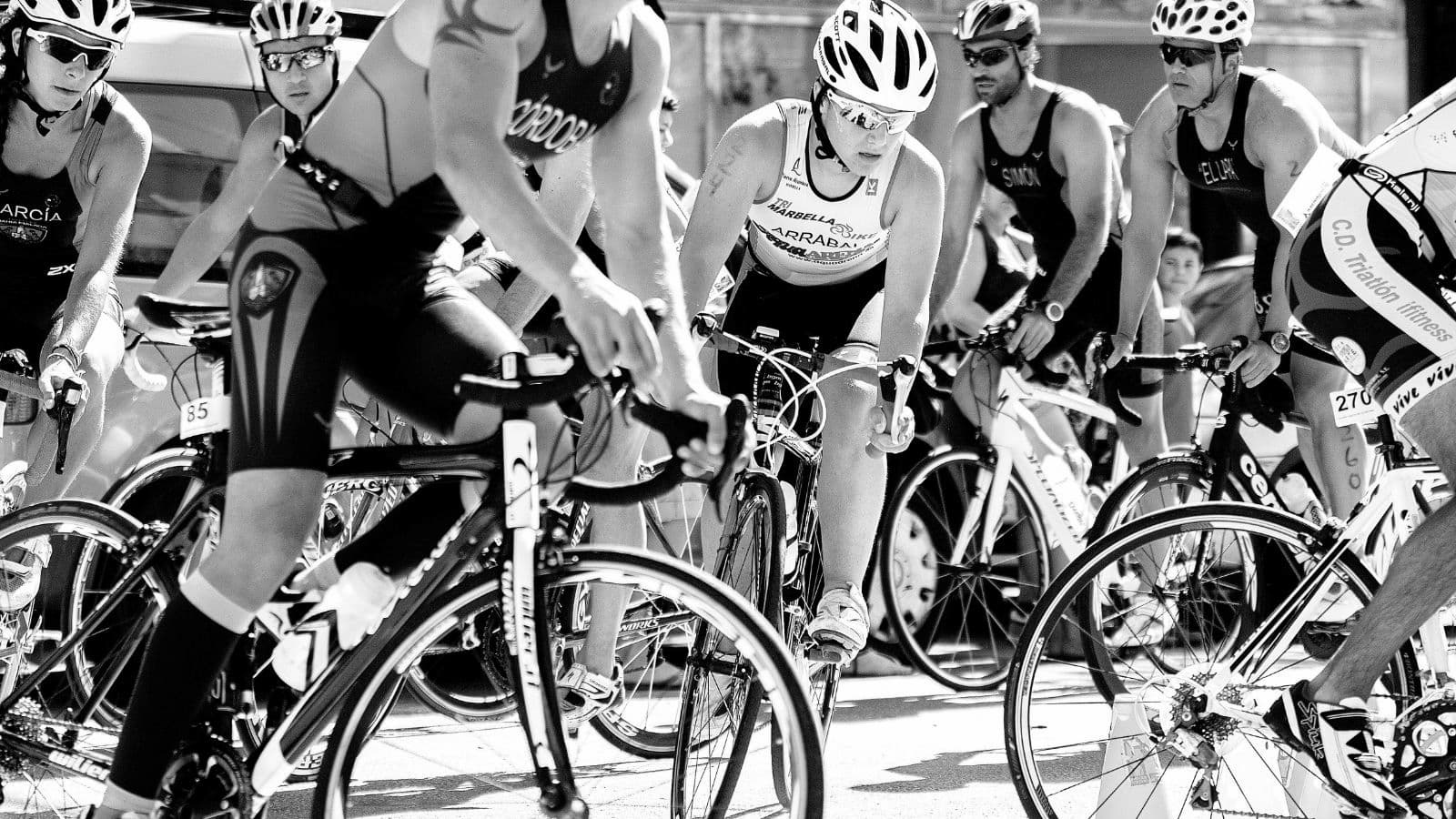


Triathlon cycling is an individual discipline on race day, but that doesn’t mean every bike session should be completed alone. Group rides offer opportunities to improve fitness, bike handling and confidence that are difficult to replicate during solo training. While triathletes shouldn’t replace all of their structured workouts with group rides, including them strategically can develop skills that translate into faster and more efficient cycling during races. The key is choosing the right type of group ride and understanding how it fits into your overall training plan.
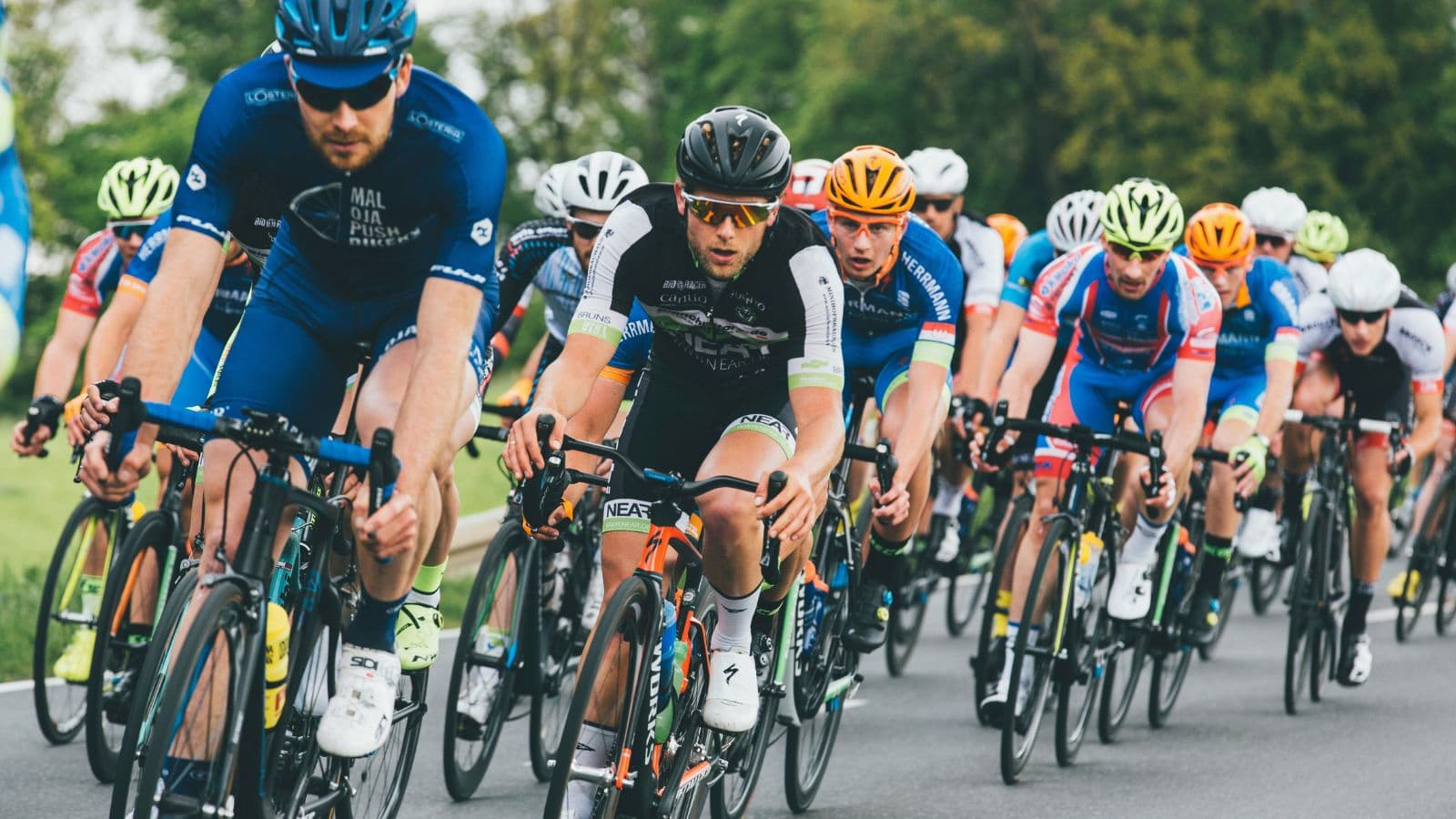
Group Rides Improve Bike Handling
One of the biggest advantages of riding with others is developing confidence in close proximity to other cyclists.
Group riding teaches you to:
- Hold a straight line.
- Ride predictably.
- Corner smoothly.
- Brake progressively.
- Control your bike at different speeds.
These technical skills improve confidence during crowded race starts and technical sections. Many athletes also strengthen these abilities by practicing how to improve your bike split in triathlon, where efficient bike handling contributes to maintaining speed.
You Learn Better Pacing
Many solo riders either start too hard or ride at an inconsistent effort.
Group rides expose you to:
- Changes in pace.
- Rolling terrain.
- Controlled surges.
- Recovery between efforts.
Learning when to push and when to hold back develops smarter pacing strategies. These skills complement how to pace a triathlon properly, where managing effort across all three disciplines is essential.
Riding With Faster Cyclists Raises Your Level
Training alongside stronger riders often encourages gradual improvement.
You’ll naturally begin to:
- Increase sustainable speed.
- Improve cadence.
- Respond to accelerations.
- Develop mental resilience.
- Ride more efficiently.
The goal isn’t to match every attack but to learn from experienced cyclists while staying within your training objectives.
Better Bike Confidence
Confidence on the bike isn’t built through indoor training alone.
Group rides improve:
- Cornering confidence.
- Descending skills.
- Riding in crosswinds.
- Position awareness.
- Decision-making.
These improvements often carry directly into triathlon racing. Many athletes reinforce these skills through training for gravel triathlon as a beginner, particularly before races with challenging terrain.
Learn Race Awareness
Although drafting is prohibited in most triathlon races, understanding how cyclists move together still has value.
Group rides teach you to:
- Anticipate rider behaviour.
- Read changing conditions.
- React safely.
- Stay alert.
- Position yourself efficiently.
Better awareness often improves confidence during busy transition exits and congested race sections.
They Make Hard Sessions Feel Easier
Many riders produce higher-quality efforts when training with others.
Reasons include:
- Friendly competition.
- Shared motivation.
- Accountability.
- Greater enjoyment.
- Natural pacing.
This often results in higher-quality training without feeling significantly harder.
Group Rides Build Mental Strength
Keeping pace with stronger riders requires focus and determination.
You’ll learn to:
- Stay composed under pressure.
- Recover after hard efforts.
- Remain patient.
- Ride confidently when fatigued.
Mental resilience developed during group rides often transfers directly into racing.
Not Every Group Ride Is Suitable
Some fast club rides become unpredictable and highly competitive. These may not always match your triathlon training goals.
Choose rides that suit your:
- Experience.
- Current fitness.
- Race preparation.
- Training phase.
Structured training should always remain the priority. Many triathletes maintain this balance through zone 2 training in a triathlon, ensuring social rides don’t replace essential aerobic development.
Don’t Forget Your Aero Position
Traditional group rides often involve riding on the hoods rather than remaining in your aero bars.
Continue practising:
- Aero comfort.
- Nutrition.
- Hydration.
- Steady pacing.
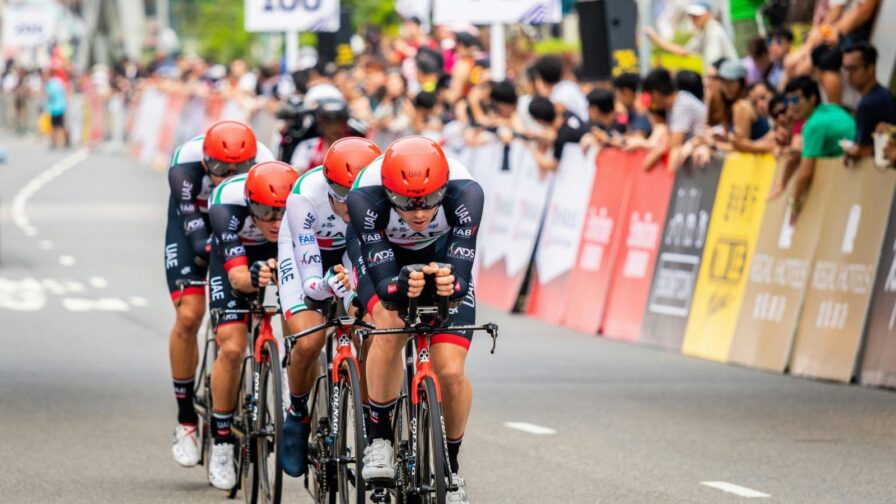
These race-specific skills should still be developed during solo sessions. Many athletes dedicate separate rides to how to stay comfortable in the aero position for longer, ensuring they remain efficient during long-course racing.
Group Rides Improve Climbing Confidence
Riding with experienced cyclists helps you observe efficient climbing techniques.
You’ll naturally learn:
- Better pacing uphill.
- Gear selection.
- Cadence management.
- Body positioning.
Many riders combine these lessons with how to climb on a road bike as a beginner making climbing more efficient during races.
Learn Better Nutrition Habits
Long group rides provide an excellent opportunity to practise race nutrition.
Use these sessions to test:
- Energy gels.
- Sports drinks.
- Carbohydrate timing.
- Hydration strategy.
Many athletes refine these habits through how should triathletes fuel during the bike leg, helping prevent energy crashes before the run.
Group Rides Shouldn’t Replace Solo Training
Triathlon requires long periods of steady riding at your planned race intensity.
Continue scheduling:
- Long endurance rides.
- Race-pace sessions.
- Brick workouts.
- Recovery rides.
These sessions develop the specific demands of triathlon racing.
Common Mistakes
Avoid these common errors:
- Turning every group ride into a race.
- Ignoring your training plan.
- Riding beyond your ability.
- Skipping nutrition.
- Spending no time in the aero position.
- Following unsafe wheels.
- Forgetting recovery.
- Replacing every structured session with group rides.
Balance always produces better long-term results.
Practical Tips
To get the most from group rides:
- Choose riders with similar goals.
- Ride predictably.
- Communicate clearly.
- Practise good etiquette.
- Keep your own pacing plan.
- Recover properly afterwards.
- Continue race-specific solo training.
Many athletes also find how can triathletes stay on track after missing a workout useful when balancing club rides with structured training, helping maintain consistency without disrupting the overall program. Finally, building confidence through group riding works best alongside how to transition faster in triathlon, ensuring improvements on the bike translate smoothly into the next discipline.
The Bottom Line
Group rides can make you a better triathlon cyclist by improving bike handling, pacing, confidence and mental resilience. They also provide valuable opportunities to learn from more experienced riders while making training more enjoyable. However, they should complement, not replace, your structured triathlon training. When combined with race-specific solo rides, group riding can help you become a stronger, more confident and more efficient cyclist on race day.