Eton SuperSprint Sat...
Sat 19th May 2012
Ironman Lanzarote Ca...
Sat 19th May 2012
Memorial Hermann Iro...
Sat 19th May 2012
British Aquathlon Ch...
Sat 19th May 2012
OWS Aquathlon Series #2
Sat 19th May 2012
Roadford Triathlon -...
Sun 13th May 2012
HSV May Triathlon 2012
Sun 13th May 2012
East Grinstead Triat...
Sun 13th May 2012
East Grinstead Women...
Sun 13th May 2012
Grendon Triathlon
Sun 13th May 2012
|
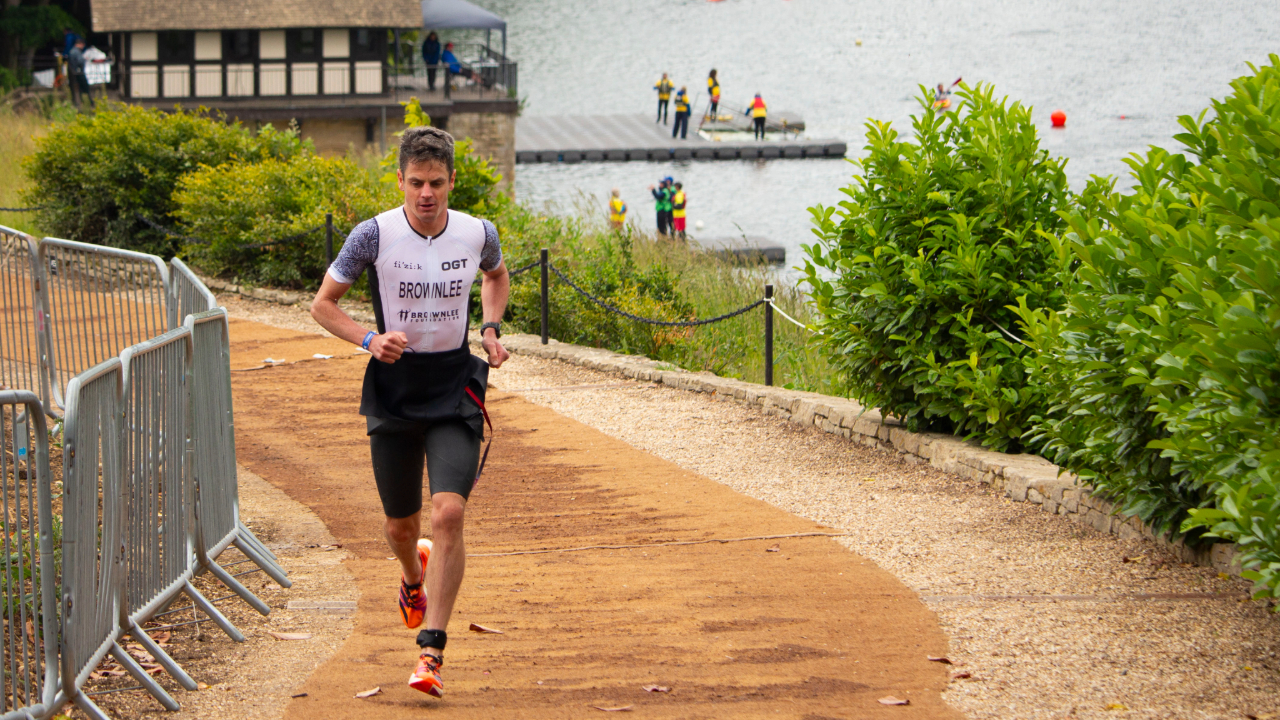
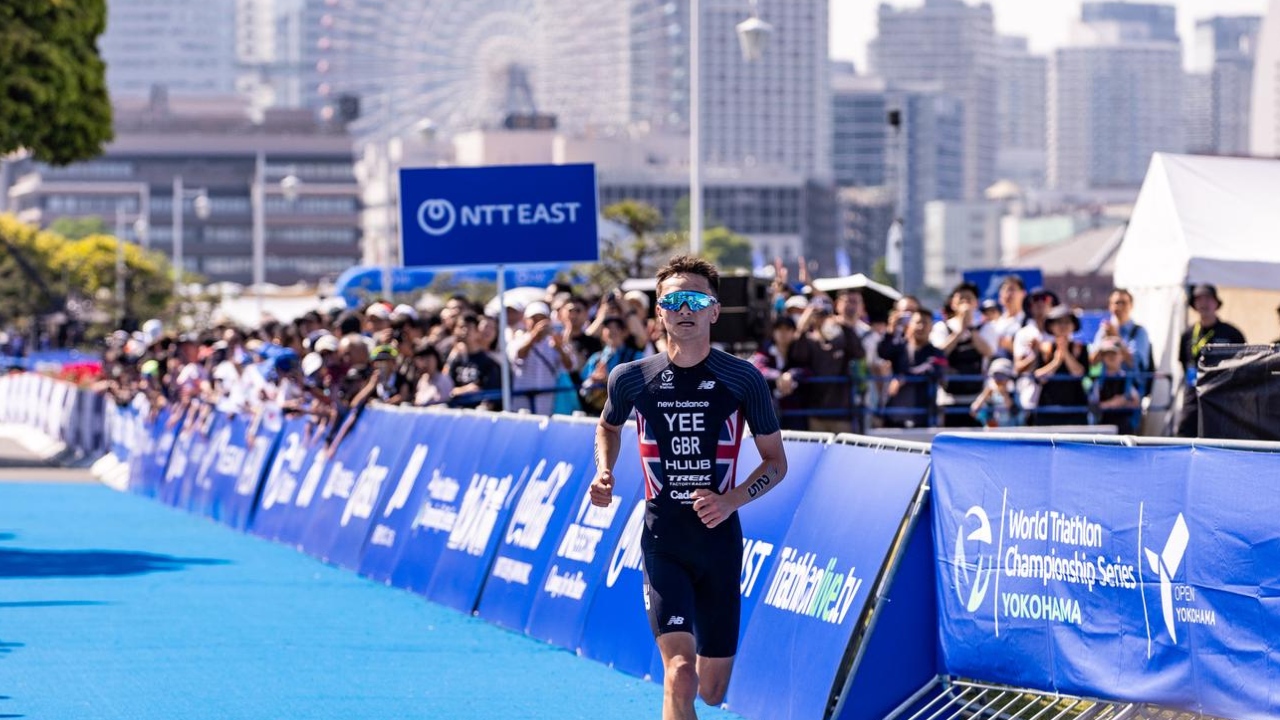
![]() Running for triathlon (part 1) Posted on: Thursday 28th October 2010 Bookmark This | Print This Page | Send To A Friend | Post A Comment This is an introductory article aimed at those of you who have just got started. Maybe you “dipped your toes in the water” this summer or you are thinking of doing a triathlon next year. If that is you, read on... If you are like me, you will have a busy lifestyle and constantly be moaning that work, family and social constraints often prevent you from training. Hopefully I can convince you, that you can get by on only a few hours training a week. A low mileage approach to running is not just relevant to triathletes, but also to runners who may have time to train longer distances but often get injured. Running on tired and stiff muscles is the surest way to induce injury. Often less is better than more! Tackling the triathlon run, usually 5km for a sprint distance or 10km for a standard distance, needs you to do some goal setting -- a realistic target time and a realistic timescale in which to achieve it. It doesn’t matter how slow you think you may run (or walk) on the day, try and work out your own realistic run times. Having a goal will enable you to add structure to your training. This will give you an target objective to work towards. Don’t be overly ambitious. I remember, as a child, watching TV, eating my supper and trying to do my homework - all at once! I was constantly being told, “you can only do one thing at a time!”. Sport is the same, although our ultimate goal is to improve the overall triathlon race time, we must break down the task into manageable segments. And it is best to concentrate on only one segment at a time. Why single out running?This article targets ‘running’ because, in my view, running takes the least amount of time to get the most improvement. Here are some simple tips to get you started.
Weekly training timeYou can make good improvements on five hours training a week. These will, however, be greater if you can find seven hours a week and better still at 10 hours week. Remember, it is not just finding time to train: Finding time to recover is equally important. Don’t get put off the sport by those legendary stories of needing to put in at least 30 hours a week to do a triathlon. Some professionals competing in Ironman distance races do actually train that much, but at the novice level, between five and 10 hours is the ideal. I learnt this fact the hard way... As a young pro-triathlete, I felt pressured into doing 30 hours of training a week. However, I constantly over trained and was often injured. One year I totaled up my average annual hours spent training (factoring in all the time off for injury) and was shocked to realize they only just broke 10 hours a week. The following year I set a regime that averaged just 11 hours a week for the year, and I had amazing success. These days I am constantly looking at my athletes training and trying to cut out their ‘junk miles’. Three key run sessions a weekSteady pace runRunning at a pace that is faster than your usual jog, but not too hard you want to quit is probably and good way to describe the pace run. It should be fast enough that you cannot hold a conversation but if you are running so hard that you are unable to talk then you are going too fast. The steady pace run should start off at about 10 minutes for week one and should be lengthened by about five minutes a week over six to 10 weeks. For sprint distance, six weeks should get you through, but for Olympic distance I would recommend 10 weeks of pace running. By week 10 you will be up to 55 minutes, which will be enough to get you through an Olympic distance run. Hill repeatsFind a moderately steep hill, around a 10% gradient and do repetitions up and down the hill. Jog back or walk back for recovery. This will develop power in all the leg muscles. Try to concentrate on powerful strides and not short pitter-patter running. The aim is to develop a powerful running stride to aid your 10km run time and not to complete the session as fast as possible. Think of this as a type of weight training session, you will build up power and strength without going to the gym. This session takes around 45 minutes. If you have more time a longer warm up may be done, but do not get into the bad habit of logging up ‘junk miles’. If you run your hill repetitions in a time of 1 minute 30 seconds and jog back for recovery in a time of 1 minute 30 seconds then your hill running time is fixed and so is your recovery time. This kind of running is also called interval running, because the hard and easy running intervals are fixed. Another approach is called “fartlek training’ this is like interval running but less structured. If you are tired then fartlek running is much better than interval running. Run up the hill until you feel tired and then stop, turn and jog or walk back down at your own pace and in your own time, and do not run up the hill again until you feel ready, it is termed fartlek and I would recommend this freer approach to beginners. Those of you who have been running already may want to attempt the “interval” style hill running. Easy Aerobic RunningThe distance you will run, and amount of times you do an aerobic run, will depend on your current level of fitness and how much time you can devote to running. The ideal would be two aerobic runs a week. One shorter one of about 20-30 minutes and a longer run between 30-60 minutes. My advice to beginners is to keep both runs at 20-30 minutes per time. Pulling it all togetherTo maintain swim and cycle fitness, time permitting, you should aim for at least two sessions a week. However, once a week is still better than nothing. The absolute minimum amount of training I would give to any of my triathletes who is aiming to improve a 10km time while maintaining the swim and bike, is 2 hours 30 minutes a week of running, 1 hour swimming ( eg two x 30 minutes) and 1 hour 30 minutes biking ( eg one x 1 hour ride and one x 30 minutes indoor cycle session). The total is just five hours a week and this can be fitted into almost anybody's lifestyle. Although some of my athletes do train at around 10 hours a week, I have achieved very good results from athletes averaging only seven hours. When more time is available, more easy running can be incorporated in to the schedule. I fervently believe in keeping all running to a minimum and do not think that age group triathletes need to run more than four times a week. Any extra time, if available should be utilized by swim and bike sessions, to help maintain fitness levels in those disciplines. Jargon buster
Note: This article is not intended to be a training schedule but merely to introduce you to the kind of training you should be doing. If you are serious about training for your triathlon our best tip is to get yourself a coach who will design a programme tailored to your individual needs. Needless to say, you should always get approval from your GP before starting on any training programme! After graduating university, Mike Trees lectured in Sport Science before becoming a professional triathlete in 1989. Between 1991 and 2001 he ran his own professional triathlon team in Japan and coached numerous national champions there. Mike is the current Manager of the British Elite Duathlon Team, with his own personal coaching business and sports consultancy company. Running is Mike's specialty. He was British Universities 1,500m Champion and won the Masters 10,000m World Championships in 2004. However, he has also raced Ironman, and has a PB time of 8hrs 52. In Japan he notched up nine National Triathlon and Duathlon titles. Before that, Mike won the inaugural Bristish Duathlon Championships in 1991 and was still going strong in 2003, when he reached his highest ITU World Duathlon ranking of #2 -- aged 41! ![]() ![]() 0 comments | Post a comment |