Eton SuperSprint Sat...
Sat 19th May 2012
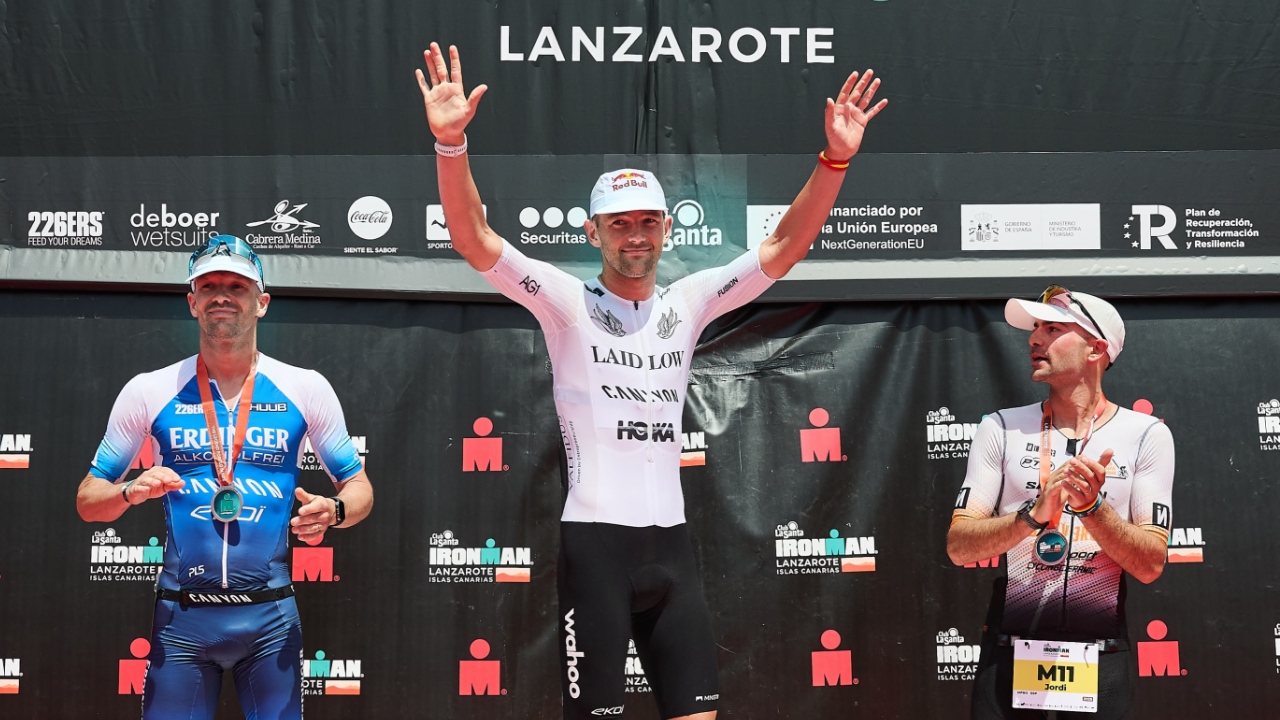
Ironman Lanzarote Ca...
Sat 19th May 2012
Memorial Hermann Iro...
Sat 19th May 2012
British Aquathlon Ch...
Sat 19th May 2012
OWS Aquathlon Series #2
Sat 19th May 2012
Roadford Triathlon -...
Sun 13th May 2012
HSV May Triathlon 2012
Sun 13th May 2012
East Grinstead Triat...
Sun 13th May 2012
East Grinstead Women...
Sun 13th May 2012
Grendon Triathlon
Sun 13th May 2012
|
Catch that wave Posted on: Monday 5th March 2007 Bookmark This | Print This Page | Send To A Friend | Post A Comment Triathlon has often been described as a "lifestyle" sport -- although I'm never entirely sure what that means! What I do know is that the term also gets applied to product advertising, this or that item of current "must have" status gets described as being a "lifestyle statement" or having "lifestyle values". The holy grail for triathlon has always been to get the two parties together because, surely, if triathlon is a lifestyle sport then it ought to be attracting sponsorship from the people who make lifestyle products. And, in this regard, last week's announcement by Human Race that Nokia were to become the title sponsor for the Royal Windsor Triathlon and to be an event partner for all the other races that John Lunt and his crew put on was definitely a welcome indicator that things might be changing. Back in the days of Scott DH bars and wild fluorescent Tinley kit the sport did, indeed have some lifestyle sponsorship. There was a very famous race series sponsored by Bud Lite in the States and the earnings for the top pros were pretty good. Looking back in the dusty archives for races over here we find references to BUPA (the Bath triathlons), Kelloggs (the ITU World Championships in Manchester), Gatorade (Royal Windsor Triathlon) and others who represented the world outside the sport. So, where did they all go? And why? In my opinion there are two reasons why they left; the huge influx of Lottery money and the failure of the sport to grow post Olympics. Once Lottery funding in the form of the World Class Performance Plan for the elite athletes kicked in the sport in this country changed into a two-tier system -- those who were funded and those who weren't. And, in the early days of the WCPP that meant that a lot of athletes were effectively getting more money from the system as handouts than they would by winning races. We went into Sydney with high hopes of a medal and came back with nothing -- yet the system simply re-focused on Manchester and Athens and the money kept on flowing. The need to get commercial sponsorship to fund the sport's development, which had existed pre-funding, effectively vanished because Government and the Lottery were footing the bill and the commercial race organisers were left to do what deals they could on a local level. Worse still was the fact that the best athletes in the country were, generally, racing abroad to get the ITU points needed to both keep their funding and keep GB in the top line of Olympic slots (and so keep the funding coming in -- effectively a self perpetuating system.) Although the BTA did initiate a number of funded programmes for developing the sport at grass roots level (Try a Tri) and introduced the Regional Development Officers (RDOs) to help move things along, the focus was always on the big money and the headline athletes. The membership levels of the BTA have (according to sometimes questionable figures) approximately doubled in 18 years that I have been participating, despite the numbers taking part in the sport itself increasing far faster. And, as the governing body cannot show a dramatic growth due to its efforts, and so convince commercial sponsors, the only people able to sell the story to potential commercial partners were the organisers themselves. The breakthrough here undoubtedly came with the London Triathlon managing to attract major sponsorship from way outside the sport (Michelob, Volvo, etc) to an event that was growing to a size where it was noticeable on the world scale. Many people think of London as a relatively new event but there have been races in Docklands for years. The transformation happened when the series started by Michael Smithwick in 1997 was taken over by SBI, an events management company better known for corporate golf events. Their experience in dealing with potential sponsors and advertisers outside of the sport has led to an event which has more participants each year that the national body has members and set the benchmark for what can be achieved. And, indeed, the tide is now turning the other way. The Lottery funding flood has slowed, partly as a result of no medals from Athens (and only one out of two Commonwealth Games), and the sport is now being driven from the ground up with all the major races selling out months ahead. And it is increasingly obvious to potential advertisers and sponsors that the sport has money to spend -- especially on "lifestyle stuff" from iPods to GPS, mobile phones to laptops. Even more interesting is that many of these companies now have enough people within them who have taken part in the sport that they also have an internal momentum, it's so much easier to explain triathlon to someone who has at least done one than to someone who hasn't! I mean, honestly, would you sign a big cheque on the basis of having a bunch of people wearing skin tight lycra who run, bike and swim a bit wear your logo? Indeed, the whole problem of the sport not being based in an arena of some kind makes it hard to focus on any potential sponsor message. There is no fixed infrastructure and there's a limited number of times that a camera can pan through the transition of the finish line so the message/logo has to go on the kit. Here we are seeing brands like Asics, Adidas and Nike starting to re-invest with serious athlete deals although, to be fair, they have always provided some degree of support at the grass roots level through event sponsorship as well. The change, however, is that they are now using the athletes to promote the brands as a "lifestyle" rather than to simply remind people that they sell running shoes.And, talking briefly of television, it is also worth remembering that the BBC has stuck resolutely by the sport and kept the major events like London, the Nationals and Salford in the frame while Channels 4 and 5 have contributed with ITU and WTC events plus domestic coverage as well. TV costs money, typically about £10k for an hour, and someone, somewhere has to be paying for that. At the other end of the spectrum too, the sport is changing. The ITU seems to have finally sorted out a decade of poor or failed deals to market and promote the sport and now has a global backer in the form of BG Group which is ploughing $20 million of funding in over the next nine years. Domestically too the news is good with Corus now signed as a premier sponsor for British Triathlon in a £1 million two-year deal that will see a new children's series (Kids of Steel) and a three race Elite series. Deals of this size from the commercial sector show that there is a high level of confidence in the sport being able to deliver a return which, in sponsors terms means medals at world level, and the string of Golds at Lausanne must surely have been seen as an early bonus. So, back to where I started and the Nokia announcement. Does this signal a new beginning for the sport, at least in terms of the potential for outside sponsorship? Yes, it probably does and it will be interesting to see who follows suit. While the technology companies are an obvious match, the real sign of success would be to see some big car or clothing company step up to the plate with a multi-year deal for a race series. With the triathlon world already looking past Beijing to London in 2012 it isn't too much of a stretch to see a multinational with a good British presence like, and I'm just using them as an example here, Ford doing domestically what they have done in the states with the Ironman series. With the next Olympic cycle starting from next year and the chance to have four years exposure headed into London 2012 now is the time that I'd expect organisers, athlete managers and, perhaps, even the BTF doing some serious talking with the lifestyle people. Miss out on this opportunity and it won't be coming around again for a long, long while. ![]()
![]() 0 comments | Post a comment |