Thu 17th May 2012
EventsResultsTrainingSwimBikeRunProductsNutrition
© Henry Budgett
The basics of nutrition strategy
Posted by: Editor
Posted on: Thursday 26th April 2007


Bookmark This  |  Print This Page  |  Send To A Friend  |  Post A Comment

Dr Garry Palmer continues his introduction to sports nutrition with a look at how you should set about planning a nutrition strategy. There's more to it than just wolfing down energy bars...


In the last article we examined some of the overwhelming wealth of scientific data that demonstrates the need to consume sufficient levels of dietary carbohydrate in order to maintain optimal exercise performance. The evidence suggested that in terms daily intake, 60-75% of the daily energy should come from carbohydrates, which will ensure that carbohydrates burnt during exercise are replaced daily. However, in real terms this is a very high amount of carbohydrate to consume from your “normal” diet. So in order to fulfil these targets, and also to further enhance performance during, and recovery from exercise, an additional strategy should be considered.

Clearly the requirements and importance of strategies adopted whilst you are exercising will be related to the frequency, intensity, duration, and goals of your exercise. If you are training 15-20 hours per week in order to be competitive in triathlon, the information may be of more value than if you are doing 4 moderate intensity training sessions per week to allow you to get round your first sprint event, but the underlying issues are still the same. Preparation for training, will impact both the quality of the session, and speed of recovery from the session. In the ideal situation, the importance of training is not related to the intensity or duration of the session, but more importantly the recovery from the session. The faster, you are able to recover, the better you are able to train tomorrow! There is little purpose going to the track to work hard today, if the impact of the session is that you are unable to walk properly for the next three days. Thus, the impact of training nutrition should be considered as it will greatly enhance your recovery from a training session. Furthermore, for those individuals who are undertaking prolonged sessions (over 90 minutes) training nutrition will actually increase the likelihood of the session being completed effectively.
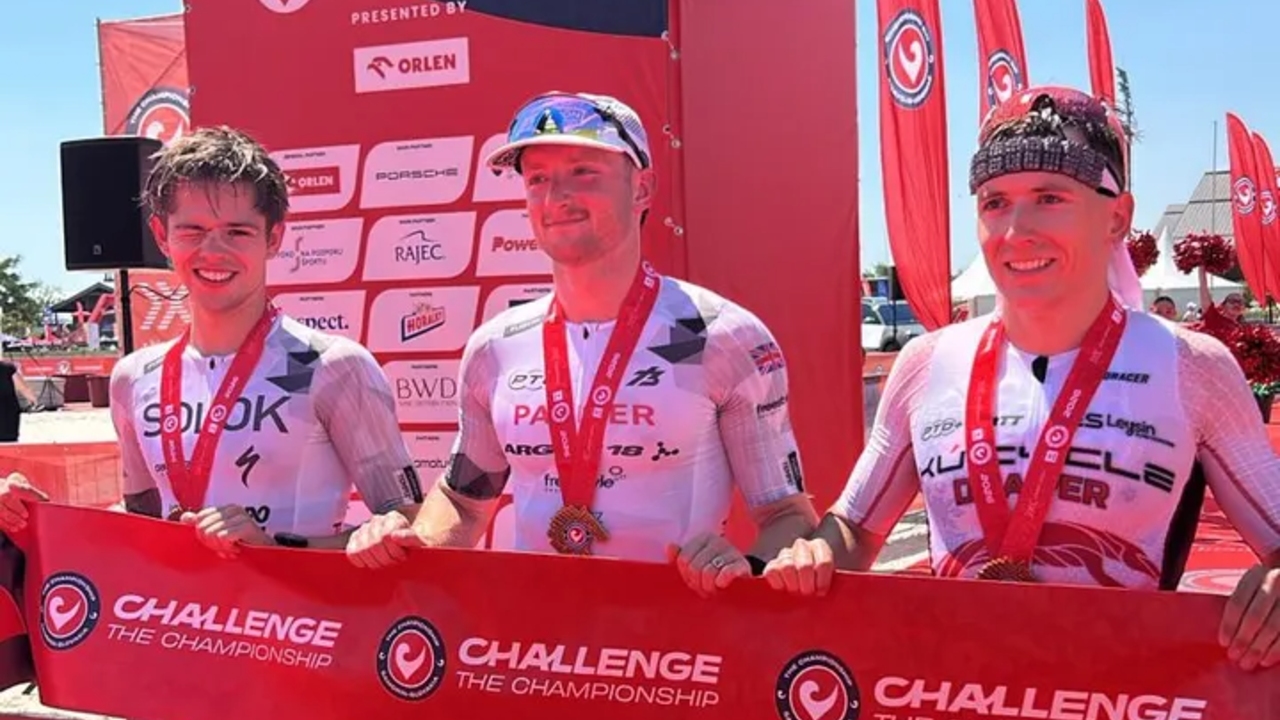
Training nutrition should consider practices, before, during, and following exercise, and should be considered for both training and competitive situations.

Nutrition before exercise

In order to ensure both muscle and liver stores of glycogen are full, it is essential to eat prior to exercise. This intake must be well timed, as it may otherwise impair the ability to work. Therefore the recommendations are a normal sized meal should be consumed about four hours prior to commencing work. Ideally this should be a high carbohydrate meal, with a moderate protein and low fat intake. Clearly if you are training or competing first thing in the morning this will not be possible (unless you fancy getting up at 3 or 4 am to eat!), so in these situations a high carbohydrate meal should be consumed the night prior to exercising.

Then about two hours prior to exercise a light carbohydrate snack should be consumed. This should typically consist of either food that is easy to digest, or can be a high carbohydrate sports bar or energy drink (the Science in Sport Go bar, and PSP energy products are an ideal example). Any solid food intake after this time can possibly impair performance, and so no further food or drink should be consumed.

In the two hours prior to exercise, fluid should be predominantly water, or have a low energy level. Then immediately prior to the start of the session (or warm-up period) a volume of fluid sufficient to fill the stomach comfortably (200-400 ml) should be consumed. This can contain carbohydrate in a 5-10% solution (10-40 g CHO).

Nutritional strategy during exercise

If the exercise session is due to last less than one hour, further intake of fluid and carbohydrate is not essential, but may help offset some of the dehydration and glycogen depletion that will occur, and so would be recommended.

Where you are looking to exercise for more than one hour, small regular feedings of fluid containing carbohydrate are essential (100-150 ml of fluid every 10-15 mins). Ideally, you should aim to replace all sweat loss (although this may not actually be practical or physically possible), and the drinks should replace about 0.5 and 1.0 g of carbohydrate per Kg of body mass per hour (remember you actually can burn carbohydrate during aerobic exercise at 5 g per minute, and significantly faster during anaerobic exercise or high intensity interval training).

Care needs to be taken, as it is possible to overload on fluid intake, and when exercising in an upright position (where your body weight is not supported, eg running, maximum rates of fluid absorption are 600 ml per hour at a maximum, whereas during cycling gastric emptying can cope with up to 1300 ml per hour in some individuals).

Eating for recovery (the most important activity!!!)

Whilst you may find it difficult to adopt the strategy of eating before exercise, or you find it uncomfortable to drink during exercise, eating for recovery should not be overlooked. The reason for this is that glycogen synthase (the enzymes that are responsible for replacing the carbohydrate in the muscle) activity highest within two hours of exercise. If carbohydrate is not replaced during this peak activity, recovery times are slowly dramatically. Remembering that most foods take time to digest (some foods take several hours), ideally a source of carbohydrate needs to be consumed as soon as exercise has finished.

As many people find it hard to consume solid food immediately after exercise this is where sports drinks can have a real advantage. The scientific recommendation is that 75-150 g of carbohydrate is needed to be consumed to replenish and enhance the recovery of the muscle glycogen stores. Additionally, scientific evidence suggests that inclusion of 15-30g of protein in the post exercise nutrition will also further promote recovery by both speeding the process of the carbohydrate absorption, and by assisting with repair of any possible muscle damage. This can often be easily consumed in a sports nutrition product along with either full or partial carbohydrate requirements.

The final consideration post exercise is to ensure full rehydration. Regardless of the fluid consumed during exercise there is still a strong possibility that you will end your session a little dehydrated. In order to restore the fluid balance in the body is it necessary to consume at least 25% more than the fluid deficit.

If you take all of these measures into consideration, your ability to exercise will be improved, and your recovery rates enhanced. All of which will lead to a enhanced fitness level.

Practice in training

In order to determine the most effective strategy for enhancing competitive performance, you should experiment during training to find what works best for you in terms of intake before, during and following training. You should also consider the use of the most appropriate range of nutritional products available.

As a final note of warning, with all nutritional aspects, care must be taken not to consume too much carbohydrate, as any excesses will be converted and stored as fat.


SportstestDr Garry Palmer is a world renowned sports scientist with vast academic and scientific support experience in a wide variety of sports to World Championship and Olympic level. His company, Sportstest Ltd, offers fitness testing, nutrition support, training and coaching, to triathletes of all levels, at the same high level as that afforded to professionals. To take a clearer approach to your training, visit www.sportstest.co.uk


Related Articles
Dr Gary Palmer heads up Sportstest (www.sportstest.co.uk), and is one of the...
Posted on: Thu, Apr 2, 2009 at 07:00
After months of training your heart, body and mind for 140.6 miles of swim/bike/run,...
Posted on: Thu, Aug 16, 2007 at 07:07
© morguefile/somadjinn
Garry Palmer of Sportstest continues his series...
Posted on: Fri, Apr 13, 2007 at 07:32
© Henry Budgett
Getting around an ironman, or any long-distance...
Posted on: Wed, Jan 17, 2007

 
Have Your Say
 
Speedo Triathelite App - Find Out More

Official Results Service - British Triathlon