Mon 21st May 2012
EventsResultsTrainingSwimBikeRunProductsNutrition
© loemi/stock.xchng
Exercise at altitude for injury rehabilitation
Posted by: The Altitude Centre
Posted on: Wednesday 23rd May 2007


Bookmark This  |  Print This Page  |  Send To A Friend  |  Post A Comment

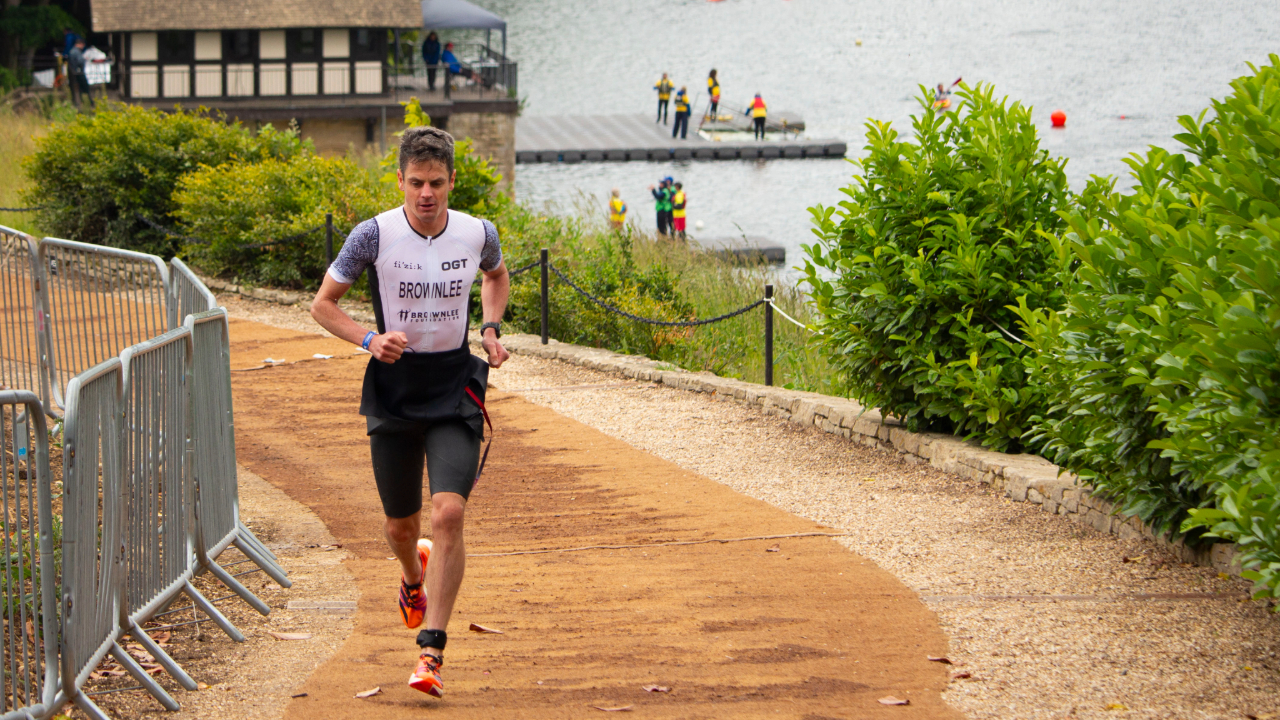
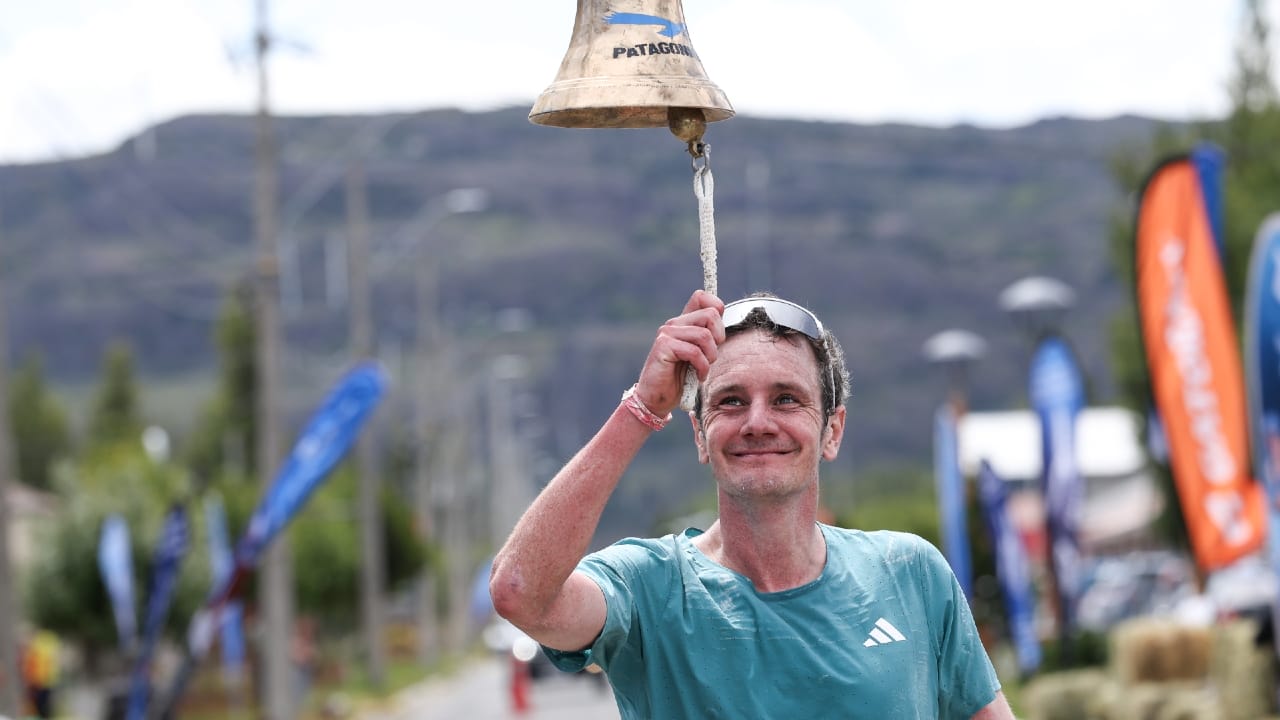
In the Junior men's World Championships last weekend Alistair Brownlee won an impressive Silver medal. What makes it even more impressive is that it comes off the back of just four weeks of quality training, following Alistair’s stress fracture which put him on crutches a couple of months ago. Alistair used IHT (Intermittent Hypoxic Training) at the initial stages of his injury when he wasn’t able to exercise. We used IHT for three weeks to treat his stress fracture before he returned to exercise. During the past four weeks Alistair has been doing hypoxic workouts and sleeping in our hypoxic tent.

In this article we will describe the basic principles behind hypoxic workouts and their role in injury rehabilitation. The next article will describe the role of sleeping in hypoxia, but first we will concentrate on the principles of exercising in hypoxia for injury rehabilitation.

Exercising in hypoxia can be done in three ways.

  1. Rent or buy a portable hypoxic generator from The Altitude Centre and attach an exercise mask so that you can then train on a running machine or bike or any other piece of equipment wherever you like. This is the cheapest way to exercise in hypoxia and the recommended altitude we suggest depends upon the individual but is generally around 9,000ft/2,700m.
  2. A better way to train in hypoxia is to create a room that is flushed with reduced oxygen air to simulate the same altitude equivalent environment. Facilities such as these have been installed at the English Institute of Sport and several Premiership Football and Rugby clubs allowing athletes to exercise without the restriction of wearing an oxygen mask. Such a room environment enables athletes to do dynamic exercises that are specific to their chosen sport.
  3. The third option is to go to the mountains, the problem with this is that it is not often practical to head for the hills whenever you sustain an injury.

We recommend hypoxic workouts when the athlete has been given permission by their doctor to start doing moderate exercise again. Alistair used IHT whilst he rested with his stress fracture, then started hypoxic workouts three weeks later.

Hypoxic workout is used to:

  • Maintain/improve fitness
  • Speed recovery
  • Boost morale

Hypoxic workouts put more emphasis on the cardiovascular system. Your heart rate and breathing increase in order to get the available oxygen to the working muscles. One of the benefits of a hypoxic workout for an injured athlete is to exercise at a reduced muscle load whilst achieving the same cardiovascular benefits of a much harder workout. You can run slower to achieve the same cardiovascular results in hypoxia. This means less stress on the injury site but great cardiovascular stimulus enabling the athlete to maintain the right training zones and build on fitness whilst injured. “I found the training a perfect way to ease back into my full fitness regime it allows me to achieve a harder workout than I could without the system” says Alistair.

This type of workout is also fantastic for fatigued athletes who want to challenge their cardiovascular system without overloading their fatigued muscles. A hypoxic workout of moderate intensity reduces delayed onset muscle soreness (DOMS) due to its lower intensity. DOMS is why your legs ache the day after your big race or hard training session, it’s not the build up of lactate acid that people mistake it to be. DOMS it is the result of microscopic tearing of the muscle fibres caused by repeated muscle contractions.

Exercising in hypoxia whilst injured focuses rehabilitation training. The athletes know they are maximising their own genetic potential to recover quicker. Each individual recovers at a different rate, this is due to genetics, we can not change this, but what we can do is enhance the individuals ability to get better quicker. Athletes are also able to feel that they have achieved a great workout which boosts morale during the period when they are not able to compete. At Spurs FC all injured players who are due to be out of action for more than three weeks, once cleared by the medical doctor, are rehabilitated in the hypoxic chamber we installed at the beginning of the season. The result this season is that players have returned fit to the match squad quicker than they have before.
There are many other benefits of exercising in hypoxia but for this article I will concentrate on just two, Human Growth Hormone and stem cell migration.

10 minutes hypoxic exposure increased Human Growth Hormone (HGH) by up to 215% (Davydov et al 2001). Growth hormone is vital for injury repair as it stimulates tissue and skeletal growth. Growth hormone also promotes muscle growth and the breakdown of body fat for energy, unfortunately it is greatly reduced after the age of about 20. If you have an injury such as a broken arm, exercising in hypoxia raises Growth hormone levels spread all over the body, so it will in fact help mend the arm injury by exercising the legs!

Stem cells have a beneficial role in inducing tissue regeneration. Stem cells live in the bone marrow which is an hypoxic environment. Harrison et al 2002 measured bone marrow oxygen saturation and came up with a mean figure of 87.5%. Peripheral blood taken at the same time had a mean oxygen saturation of 99%; quick note here, blood is 99% saturated with oxygen, you can’t get any more in by breathing pure oxygen at normal pressure. Most athletes do not see changes in their oxygen saturation when they exercise, elite athletes may see a reduction in their oxygen saturation when they are reaching their VO2 max, but for most it stays static, the only way to influence this figure is to reduce the oxygen concentration of the consumed air, ie by exercising in hypoxia.
Stem cell migration is a very new area of science but it could be hypothesised that peripheral hypoxia could create the right conditions to aid stem cell migration to the injury site by replicating the same hypoxic conditions in the blood as that found in the bone marrow.

In a bone marrow study by Quinlan et al 1998, Hypoxia increased the number of CFU-GMs that form white blood cells to boost the immune system and fight infection by 110%. BFU-E colonies that are involved in the production of red blood cells were also increased by 78%.

For injury rehabilitation we recommend that all exercise sessions are done in hypoxia, once the athlete is returning to match fitness we reduce these to approx two or three sessions per week to enable them to get the benefits of normal sea level training. Hypoxic training is used in combination with sea level training for fit athletes to boost VO2 max by 5% and exercise until exhaustion by 35% (Dufour, et al 2006)


The Altitude Centre offer consultations on all elements of hypoxic training. They also have simulated altitude systems to rent or buy. For further information contact Richard Pullan on 0870 950 4479 or email richard@altitudecentre.com or visit www.altitudecentre.com

References

Davydov A.L* Starkova N.T., Koroleva A. V., *Ehrenburg I. V., Tkarohouk E.N. Effect of interval hypoxia growth hormone secretion. Moscow State Medical Stomatological University, Moscow, Russia. Hypoxia Medical Journal 1-2/02 2001

Dennis P. Quinlan, Jr, MD; Pranela Rameshwar, PhD; Jing Qian; Paul B. Maloof; Alicia M. Mohr, MD; Carl J. Hauser, MD; David H. Livingston, MD Effect of Hypoxia on the Hematopoietic and Immune Modulator Preprotachykinin-I. Arch Surg. 1998;133:1328-1334.

Harrison J. S., Rameshwar P., Chang V., Bandari P. Oxygen saturation in the bone marrow of healthy volunteers. New Jersey Medical School, The University of Medicine and Dentistry of New Jersey, Newark, NJ. Journal of the American journal of Hematology. Blood, 1 January 2002, Vol. 99, No. 1, pp. 394-394

Dufour S.P., Ponsot E., Zoll J., Doutreleau Sss., Lonsdorfer-Wolf E., Geny B., Lampert E., Flück M., Hoppeler H., Billat V., Mettauer B., Richard R., Lonsdorfer J,. Exercise training in normobaric hypoxia in endurance runners. I. Improvement in aerobic performance capacity. Département de Physiologie et des Explorations Fonctionnelles, Hôpital Civil, and Faculté de Médicine, Institut de Physiologie, Unité Propre de Recherche de l'Enseignement Supérieur Équipe d'Accueil 3072, Strasbourg, France; Institute of Anatomy, University of Bern, Bern, Switzerland; Laboratoire d'Etudes Physiologiques à l'Exercice, Département des Sciences du Sport et de l'Exercice, Équipe d'Accueil 3872, Université d'Evry Val d'Essonne, Evry, France; and Service de Cardiologie, Hôpitaux Civils de Colmar, Colmar, France. J Appl Physiol 100: 1238-1248, 2006; doi:10.1152/japplphysiol.00742.2005 8750-7587/06


Related Articles
©
The organisers of the GE Blenheim Triathlon...
Posted on: Tue, Apr 24, 2012 at 12:32
While the UK triathlon season may be a few months off yet, the past weekend was for...
Posted on: Sun, Jan 8, 2012 at 21:11
Perhaps a sign of things to come in 2012 - we can only hope - the Brownlee...
Posted on: Sun, Jan 1, 2012 at 15:06
The World Champion Brownlee brothers managed to burn off their Christmas turkey once...
Posted on: Tue, Dec 27, 2011 at 17:36

 
Have Your Say
 
Speedo Triathelite App - Find Out More

Official Results Service - British Triathlon