Tue 22nd May 2012
EventsResultsTrainingSwimBikeRunProductsNutrition
©
The art of cycling: group riding
Posted by: Editor
Posted on: Thursday 30th December 2010


Bookmark This  |  Print This Page  |  Send To A Friend  |  Post A Comment

Over the last couple of months with the help of biking expert Mark McKay, we've brought you a series of biking articles relating to technique and fitness, focusing on getting back in the saddle, climbing, cornering and winter cycling. In Mark's final article in this series, he explains how riding in a group can help your riding skills and fitness, and also gives a few tips on group riding etiquette.

Group riding – basic training

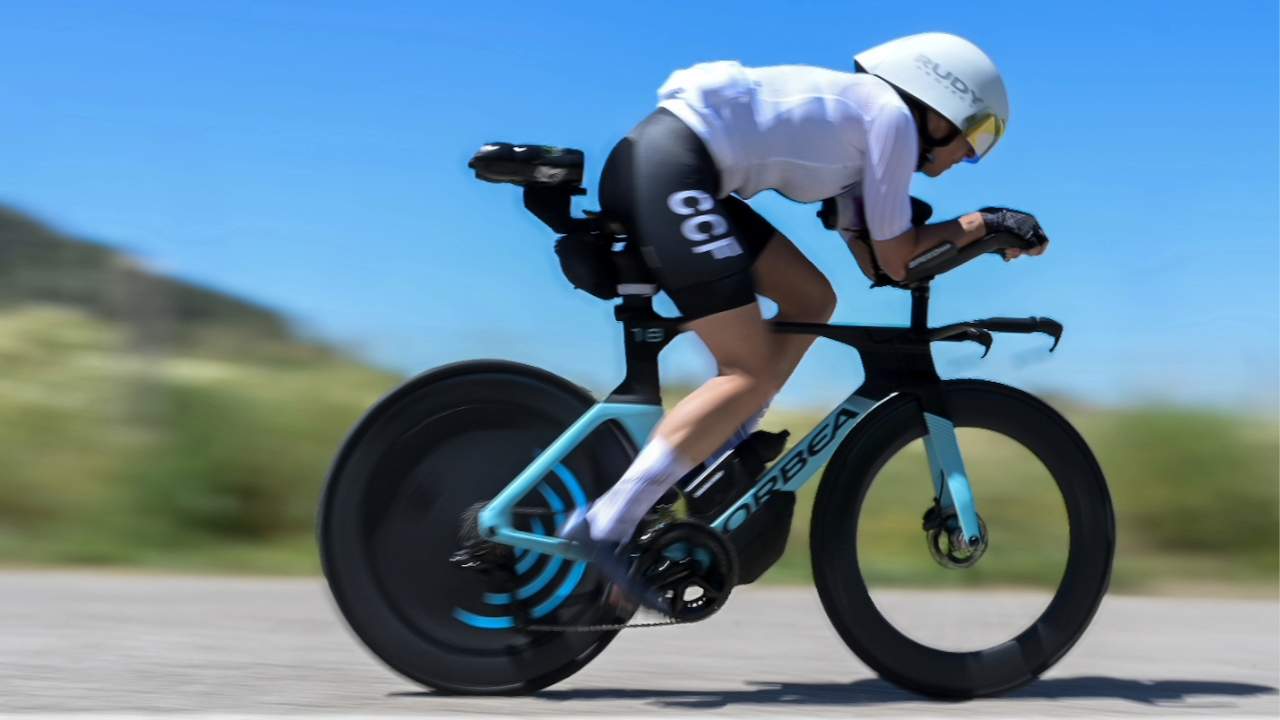
A great way to improve riding technique and ride at a higher speed is to train with others in a group. Even just two riders training together, if doing the right session, can benefit technique-wise and speed-wise. Groups of more than about eight to ten start to become a little difficult to control for specific focused 'sessions' especially on Britain's generally traffic-choked roads. Why bother? You'll pick up a little more 'feel' for the bike - the ability to feather the brakes to make minor speed adjustments for example - and you'll be going at a faster speed and be able to use bigger gears more comfortably than on your own.
So, let's take a little look at group riding. What is the best way to do a 'basic steady group ride' for endurance in which riders of varying ability can each get some benefit? For a basic ride such as this, try and maintain a steady but even pace in two lines of riders sitting side-by-side.

Discipline and 'rules' or codes of conduct between members of the group are essential to maintain a smooth steady pace for a useful workout here and for safety issues on the open road. Try to remember also, that if you have committed to a steady group endurance ride, no one in the group should be out to try and permanently drop other weaker riders. It may be that climbing hills naturally splits the group up a little, but that can be accommodated for by maintaining a slower speed at the front over the top of the climb or, on long climbs, the front riders can always turn around to pick up the stragglers further back down the road (gaining extra training distance at the same time).

When building base on the bike then, the idea is to maintain a steady effort, heart rate or power output for the duration of the ride. The aim should be to start off at a pace that you can finish at a few hours later. At the start you will be fresher so try and avoid the temptation to go off too fast. The nature of a steady ride means that you will become fatigued and even trying to maintain, say, 16/18mph after three to four hours of the same will certainly be hard work.

The riders at the front of the group should be changing regularly and it is up to those on the front at any given time to try and not let the pace drop or rise above the set pace and to make it as constant as possible by not sprinting away after stopping or slowing at road junctions, for example. Try to be aware that some of the group may not have made it across the junction in time – so a quick look around will tell you whether to slow significantly or gradually wind the pace back up because "Everybody's Up" (shout this to the front guys to let them know it's ok to resume the pace).

This is a good time to mention the need for good communication and awareness when group riding. Everyone should try to be aware of how others are going (differing levels of fitness) in order to adjust hill speed for example. Let others know of punctures or dropped gloves, etc so the appropriate action can be taken. Point out obstacles and obstructions in the road, verbally and physically with hand/arm gestures to those behind. Be aware that if you have riders behind you, you should not make any sudden slowing movements without giving warning first – otherwise they will run into the back of you. When riding in a group at close quarters, it's got to be a question of trust where each rider trusts the others to maintain this type of discipline for the safety of all.

The technique

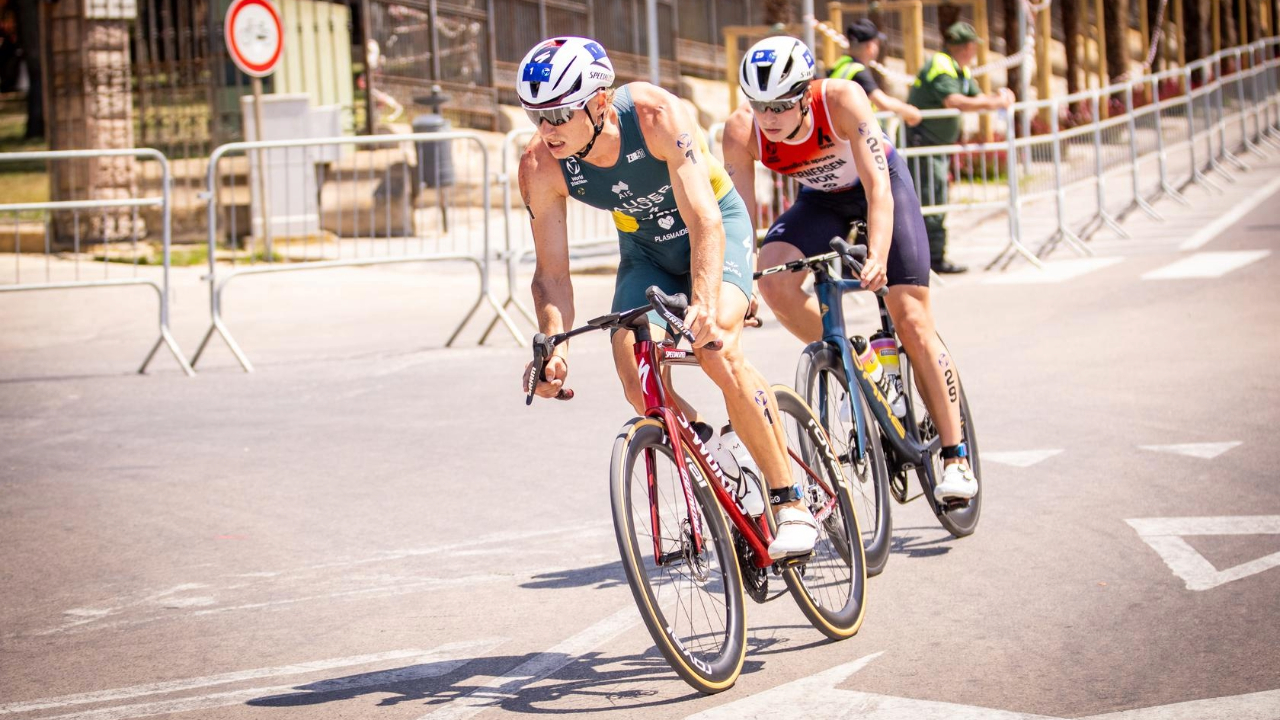
Ride in two lines of riders with about a foot between the lines and as close to the wheel in front as possible (between 6-12" when you have perfected this and there is a good level of trust in the group). Decide on a time or distance to ride on the front – say ten minutes – and then have a change through the outside line moving ahead one position so that the front outside rider moves forward to the front of the inside line nearest the kerb. The rider behind now becomes the front rider on the outside line until moving to the inside at the next change. There should be no need to significantly alter the pace above a slight acceleration of the outside and slight deceleration of the inside lines in order to make the change.

With this method each rider sits on the front for two turns. Weaker riders wanting to finish the whole ride in the group, can avoid too much time into the wind and slowing the group down too much by reducing their turn on the front and making quicker changes to get off the front. Similarly, those a little stronger can spend longer on the front into headwinds for example.

This system of rolling through on the outside works very well and everyone gets the added bonus of having someone new to chat to at every change. It is also a great way of developing into a chain-gang type effort at an increased pace. Simply gradually decrease the time between changes as you get nearer to the racing season and you want to practice at going faster. For example from ten minutes to five minutes to two minutes to 60 seconds to 30 seconds. Eventually you'll be doing through and off simulating a breakaway effort in a bike race – great for going at a pace faster than you can actually race at on your own!


Mark Mckay is a British Cycling Coach and was also a Cycling Coach to the British Triathlon Performance Programme. He is a former professional/elite racing cyclist and represented GB for eight years to World Championship level. Winner of the 1992 Star Trophy (Premier Calendar) and over 100 bike races he is also a former elite duathlete with several wins including the 2004 National Championship and a Bronze medal at the 2005 World Long Course Duathlon Championship.


Related Articles
©
Following on from Mark McKay's last article...
Posted on: Mon, Nov 15, 2010 at 08:43
©
Over the last few months you will have read...
Posted on: Sun, Oct 31, 2010 at 08:30
From Tri247's video sofa at TCR08 we bring you another of our series of interviews...
Posted on: Thu, Feb 28, 2008 at 11:21
Welcome to our new Friday lunchtime feature: the Instant Interview. A little...
Posted on: Fri, Jan 25, 2008 at 11:28

 
Have Your Say
 
Speedo Triathelite App - Find Out More

Official Results Service - British Triathlon