Fri 10th Feb 2012
EventsResultsTrainingSwimBikeRunProductsNutrition

Competitive swimming can involve racing over distances from just 100 metres to 10 kilometres or more! However, whatever the distance, training volumes typically tend to be high. Training for a competitive swimmer may involve pools / open water sessions, weight training and sometimes land-based exercise such as cycling and running.
Those in serious training may spend 1-2 hours in the water once or twice a day and may have to juggle this with other commitments such as study, work and family.
Nutritional challenges for a swimmer can include:

  • Fuelling adequately before early morning swims without causing gastro-intestinal distress.
  • Refuelling in between training sessions and races held on the same day.
  • Maintaining proper hydration when training in a humid environment where opportunities to drink may be limited.
  • Meeting total energy needs to support a heavy training schedule in order to recover fully and prevent undesirable muscle loss.

Pre-training

Following an overnight fast, it is important that a swimmer boosts depleted blood sugar and liver glycogen levels if they are to make optimal gains from their training session. However, it is also important that the stomach is relatively empty, especially prior to high intensity training as the demands of digestion can divert blood away from the muscles to the stomach, causing cramping and intestinal discomfort.

Therefore, it is important to try and consume 100-200 calories immediately on waking, but in an easily digestible form, for example:

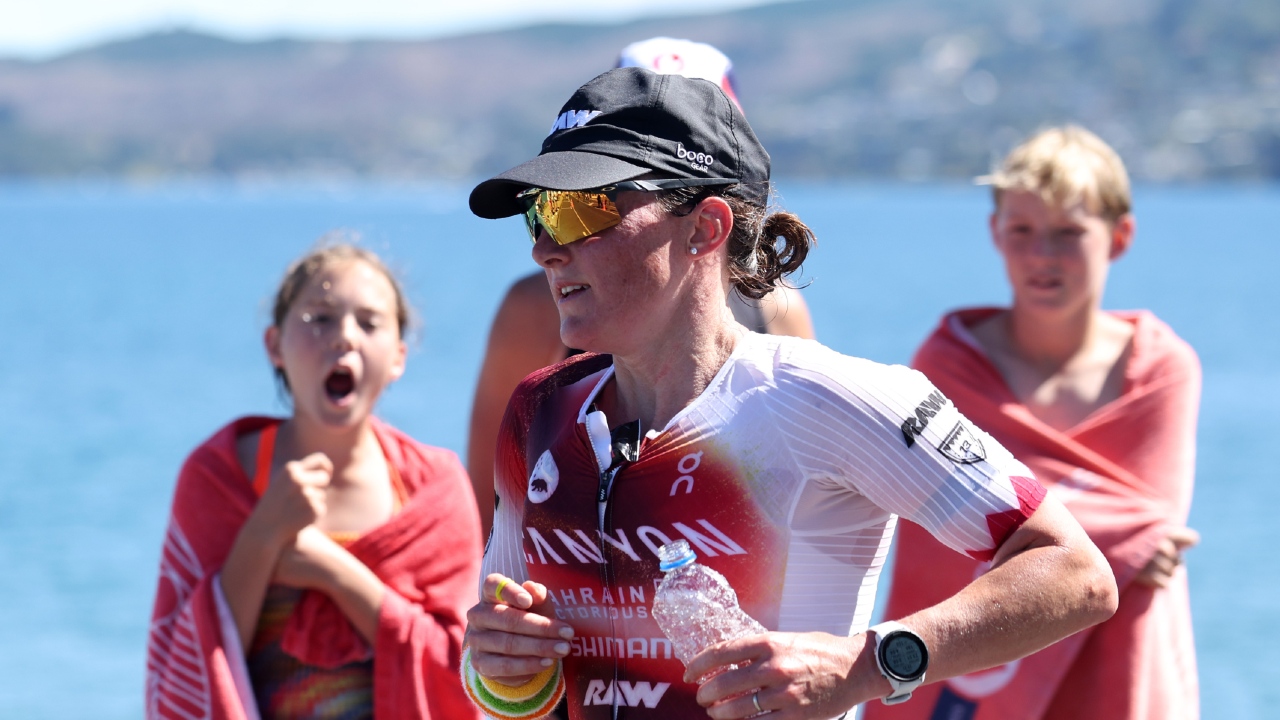
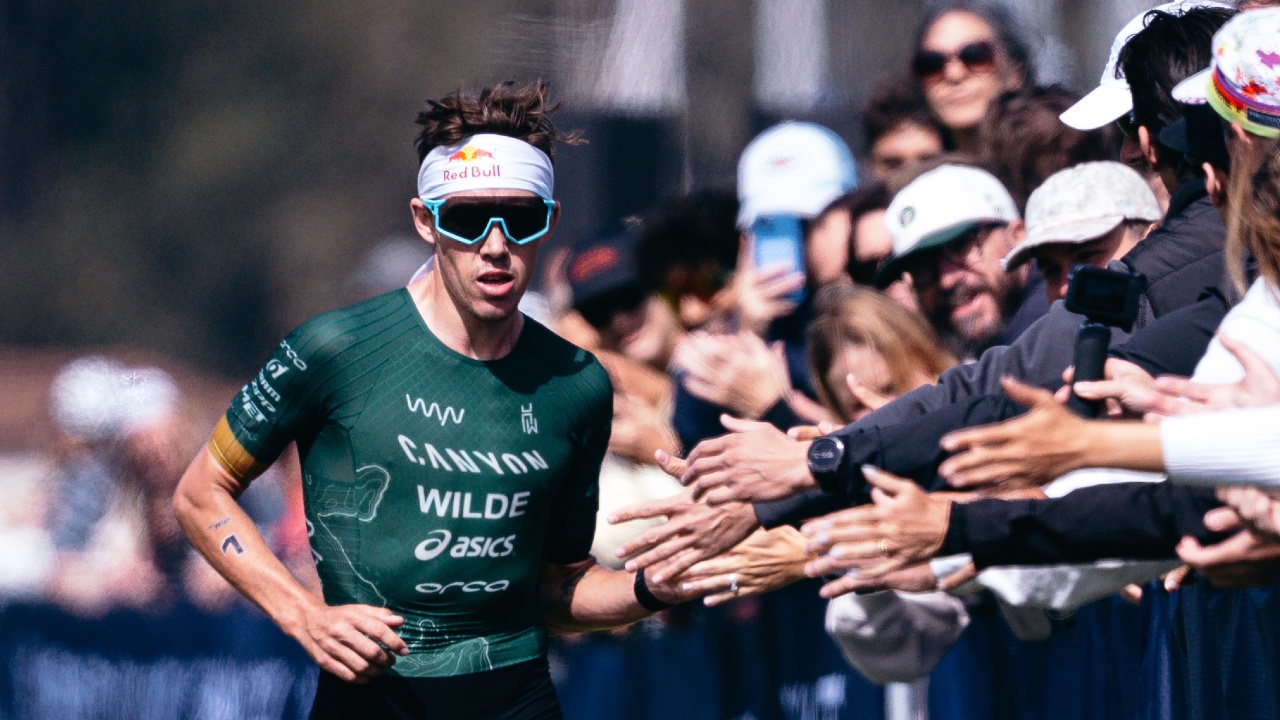
The swimming start is a bit of a fight, lots of bodies and arms in your way. It is important to start fast, so that means as high stroke rate as possible, Red Kick helps my energy levels and gives me the buzz I need to produce this.

The swim can really sap your energy levels, especially with all the other people in the water with you, Multipower active range is perfect to enable you to maintain your energy levels before the race and during the bike, maximising your performance.

  • 300-500ml carbohydrate – electrolyte sports drink.
  • 1 fruit Smoothie plus extra water.
  • 1 thick sl. Toast and jam plus water or squash.
  • 1 banana and water or squash.

Some swimmers insist that they simply can’t tolerate eating before a training session; however, it is possible to ‘train’ the body to tolerate food by building up slowly e.g. start with just ½ a slice of toast or ½ a cereal bar and then sip an isotonic drink until training starts.

During training

For early morning training sessions when there is little time to pre-fuel and sessions lasting longer than 60 minutes, a swimmer will be able to sustain a higher work rate for longer by taking onboard carbohydrate in the form of a 6% carbohydrate sports drink (0.5-1.0l / hour; commercial or home made) or sports gels (1-2 plus 0.5-1.0L water/ hour).

Fluid is vital in all high intensity sessions and endurance training lasting over 30 minutes; especially in the humid conditions typically found in most indoor swimming pool environments. Studies have shown that swimmers participating in high intensity pool sessions, lose on average, 600ml of sweat / hour.

Post-training

When training sessions or races are held on consecutive days or within the same day, starting to refuel and rehydrate as soon as possible after finishing a swim can accelerate recovery and reduce the risk of cumulative fatigue. Aim to consume a recovery drink or a snack containing 50-75g of carbohydrate within 15-30 minutes along with additional fluids. Choosing high carbohydrate foods with a high glycaemic index (rapidly absorbed) straight after exercise can speed recovery

Good recovery snacks include:
A bagel and soft cheese plus a bottle of diluted fruit juice.
500ml of recovery drink or low fat chocolate milk.
2-3 slices banana bread or malt loaf and an isotonic drink.
Low fat rice pudding or breakfast cereal with raisins and fluids.

This can be followed with a more substantial meal or snack at work / home 2 hours later.

Racing

Most athletes place great importance on what they should eat before competition; however, a perfect pre-race meal will only be useful if well-balanced long-term nutrition plan is already in place and can’t undo months of poor eating habits!

Nutrition for racing should be largely a continuation of normal daily eating patterns, however, a few key considerations could be:

  1. Pre-race – Wake early enough to eat breakfast 90-120 minutes before racing and sip 60-120ml of sports drink every 15-20 minutes right up to the start of the competition.
  2. Avoid high fat, high fibre foods which take longer to leave the stomach.
  3. Eat / drink within 15 minutes of each race.
  4. For ‘all day’ galas in humid conditions, use drinks that contain electrolytes such as sports drink or add an electrolyte tablet to your water bottle (e.g. Nuun, Zym). These will be more effective in keeping you well hydrated than water alone.
  5. Snacks – Always take plenty of your own snacks rather than rely on what may or may not be available at a competition venue. Good options include fruit, low fat cereal bars, hot cross buns, sandwiches with low fat fillings, mini packs of dried fruit and energy gels and isotonic / recovery drink powders to make up as required.


Before

MULTI CARBO BAR (Caffeine)

offers a variety of carbohydrate sources which deliver instant, long-lasting energy

During

ISO DRINK

a thrist-quenching, energy-boosting sports drink

After

SUPER CHARGER with PeptoPro

optimum nutrients for the maximum recovery of muscles.

For more info check out the Multipower website

 
Speedo Triathelite App - Find Out More

Official Results Service - British Triathlon