
What makes a triathlon beginner-friendly?
A beginner triathlon is defined by manageable distances, simple logistics, and controlled race environments. Most first-time athletes should target sprint or super sprint distances, where the focus is on completion and execution rather than performance.
Choosing the right race matters because your first experience sets the tone. A well structured, low stress event builds confidence and makes progression easier.
Start with the right distance
Super sprint (entry level)
- Swim: 200 to 400m
- Bike: 8 to 10km
- Run: 2 to 3km
Best for:
- First-time athletes
- Weak swimmers
- Low training volume
Sprint distance (standard beginner race)
- Swim: 750m
- Bike: 20km
- Run: 5km
Best for:
- Athletes with basic endurance
- Those who can swim 400 to 500m comfortably
- This is the most common and practical starting point
What to look for in a beginner triathlon?
Calm swim conditions
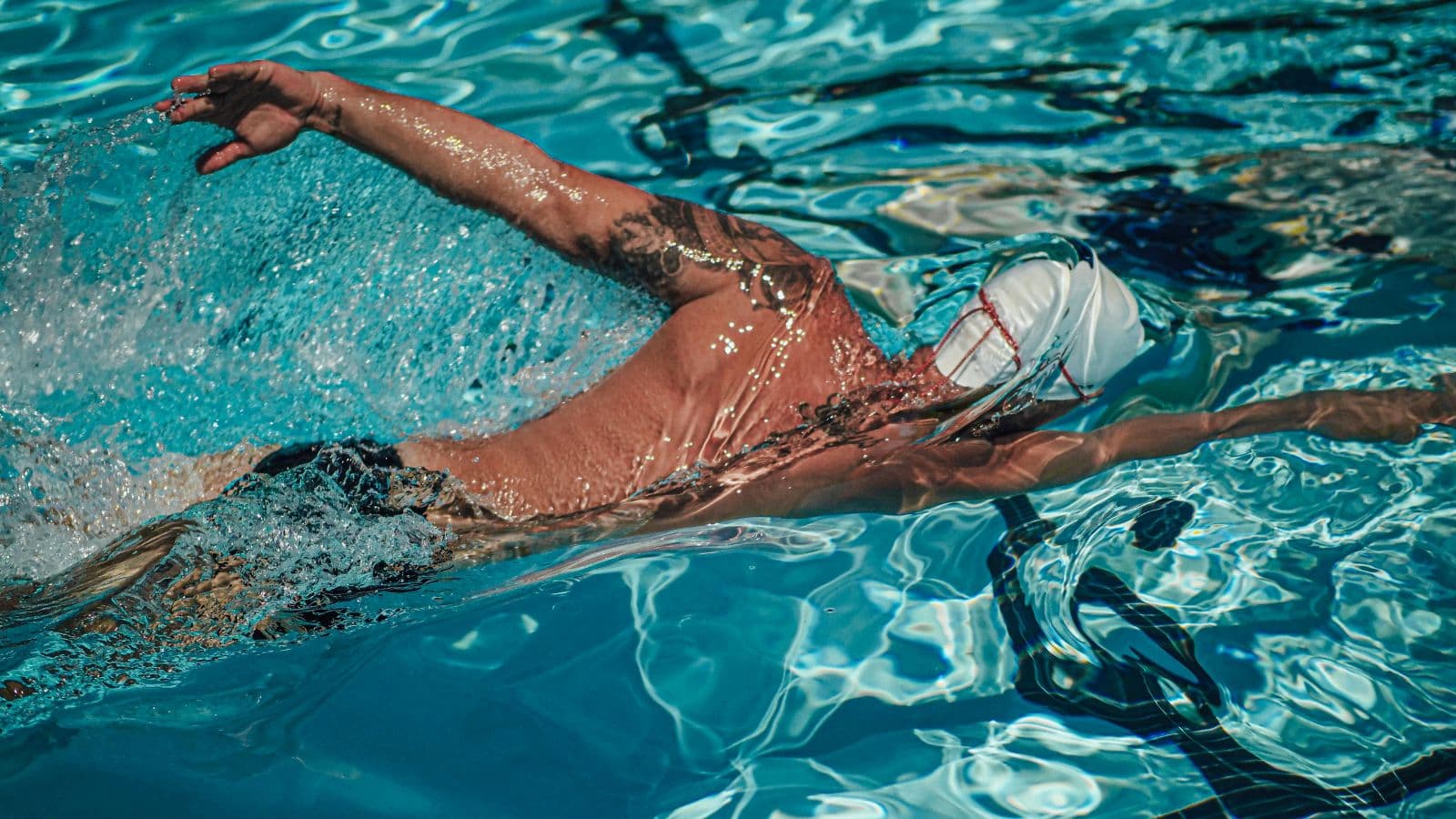
The swim is the biggest barrier for beginners.
Look for:
- Lake or sheltered water
- Wetsuit-legal temperatures
- Wave starts (smaller groups)
Avoid:
- Open ocean with currents
- Cold, rough conditions
Simple bike course
The bike should be predictable and safe.
Look for:
- Flat or rolling terrain
- Closed roads or low traffic
- Clear course markings
Avoid:
- Technical descents
- Busy roads
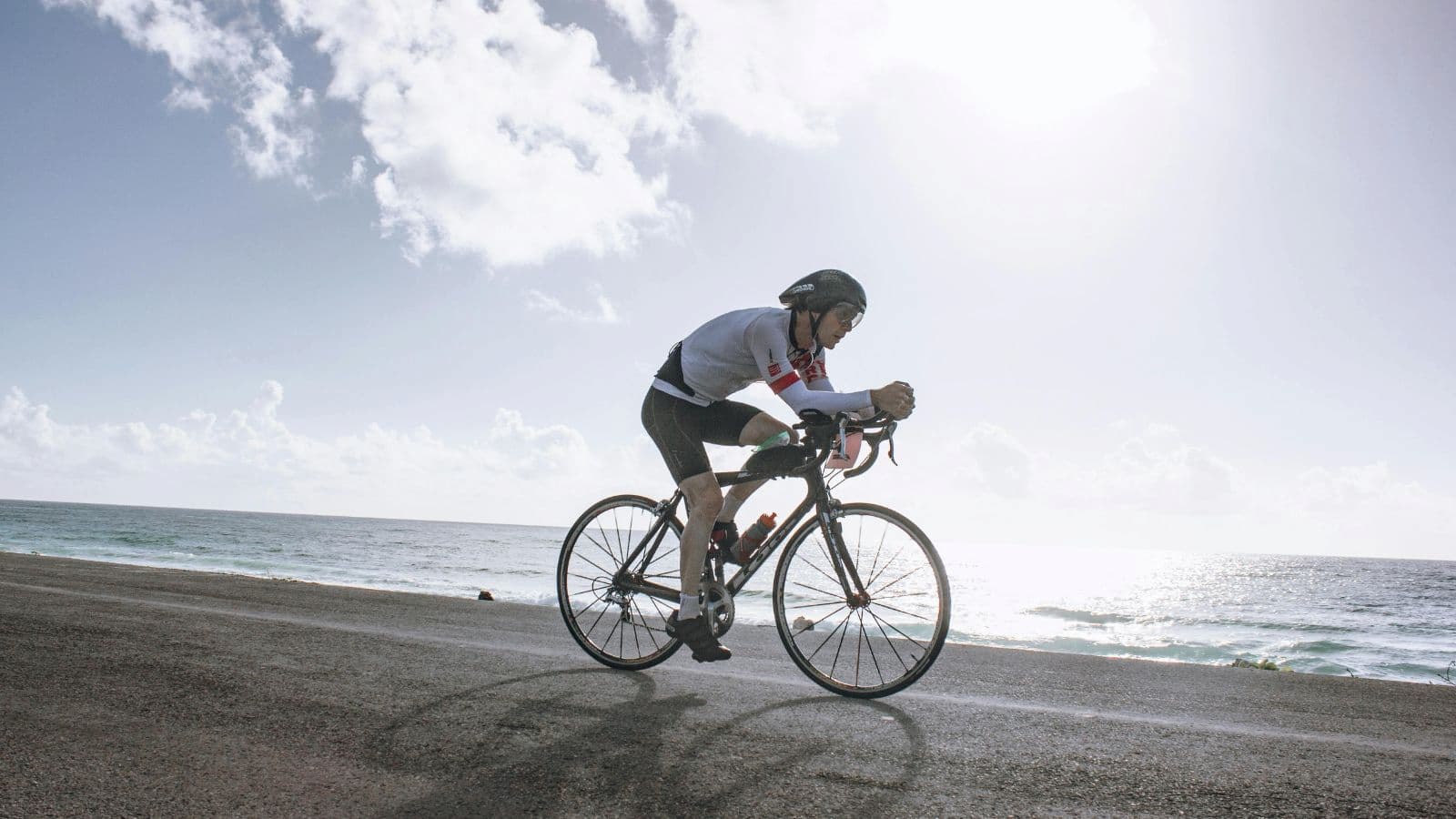
Flat, controlled run
Fatigue peaks on the run. Keep it simple.
Look for:
- Flat courses
- Out-and-back or single loops
- Regular aid stations
Well organized race setup
Good organisation reduces stress.
Look for:
- Clear transition layout
- Pre-race briefings
- Visible course signage
- Strong volunteer support
Beginner friendly start options
Many races offer:
- First-timer waves
- Women only waves
- Rolling starts
These reduce congestion and improve control early in the race.
Best triathlon races for beginners (global)
UK & Europe
Blenheim Palace Triathlon
- Distances: Super sprint + sprint
- Swim: Calm lake
- Why it works: Controlled environment, beginner-focused setup, strong organization
UK & Europe
Blenheim Palace Triathlon
- Distances: Super sprint + sprint
- Swim: Calm lake
- Why it works: Controlled environment, beginner focused setup, strong organization
Dorney Lake Triathlon
- Swim: Flat rowing lake
- Why it works: One of the easiest swim venues, ideal for first-time athletes
USA
Chicago Triathlon (Sprint)
- Swim: Protected lake swim
- Why it works: Large event with structured waves and strong support
Napa Valley Sprint Triathlon
- Why it works: Smaller race, low-pressure environment, simple course
Tempe Town Lake Triathlon
- Swim: Controlled lake
- Why it works: Flat course, consistent conditions
Australia & Asia
Noosa Triathlon (Short distance options)
- Why it works: Large but well-organized, beginner-friendly race formats
Singapore Triathlon
- Why it works: Flat course, strong infrastructure, predictable conditions
How to choose your first triathlon
Prioritize the swim, as your swim ability determines overall race comfort. Choose a shorter swim distance, calm water conditions, and a wetsuit-legal race to reduce stress. Keep logistics simple by selecting local races with easy access to transition and minimal equipment complexity, as travel and setup can add unnecessary pressure. Avoid extreme conditions by checking water temperature, elevation gain, and wind exposure. Your first race should feel controlled, not overly challenging. Also review cut-off times, as beginner-friendly races typically offer flexibility, with sprint distances allowing around 20 to 30 minutes for the swim, about an hour for the bike, and 45 to 60 minutes for the run.
Choosing the right race is only part of the process, knowing how to start training for a triathlon is just as important to ensure you arrive prepared, confident, and ready to execute on race day.
Common beginner mistakes
Choosing a race that’s too hard
Starting with long distances or difficult courses leads to poor experience
Ignoring swim conditions
Pool training doesn’t prepare you for rough open water
Starting too aggressively
Going too hard early leads to fatigue on the bike and run
Overvaluing big name races
Large events can be crowded and overwhelming. Smaller races are often better for beginners
Practical tips for your first race
- Start at the back or sides of the swim
- Pace conservatively from the beginning
- Focus on smooth transitions
- Stay controlled, not fast
Your goal is execution, not speed.
Quick checklist
Before registering, ask:
- Is the swim calm and manageable?
- Is the course flat or rolling?
- Are there beginner waves?
- Is the distance sprint or shorter?
- Are logistics simple?
If yes, it’s a good first race.
What actually matters in your first triathlon?
Your first race is not about time, it’s about control.
Focus on:
- Staying calm in the swim
- Pacing the bike correctly
- Running consistently
A strong first experience builds confidence and sets up long-term progress.