
Triathletes can carry their own fluids, rely on official aid stations, or combine both approaches during a race. The best hydration strategy depends on race distance, weather, sweat losses, personal drinking preferences, and the availability of fluids along the course. Neither approach is automatically better for every athlete. Carrying your own drinks provides control over fluid volume, carbohydrate concentration, and electrolyte content. Using aid stations reduces the amount of liquid you need to transport and can make longer races more manageable, especially when bottles would otherwise require frequent refilling. However, aid stations introduce uncertainty. Athletes must know where they are located, what products they provide, and whether those products are suitable for their fueling plan. Missing a station or receiving an unfamiliar drink can disrupt hydration and nutrition.
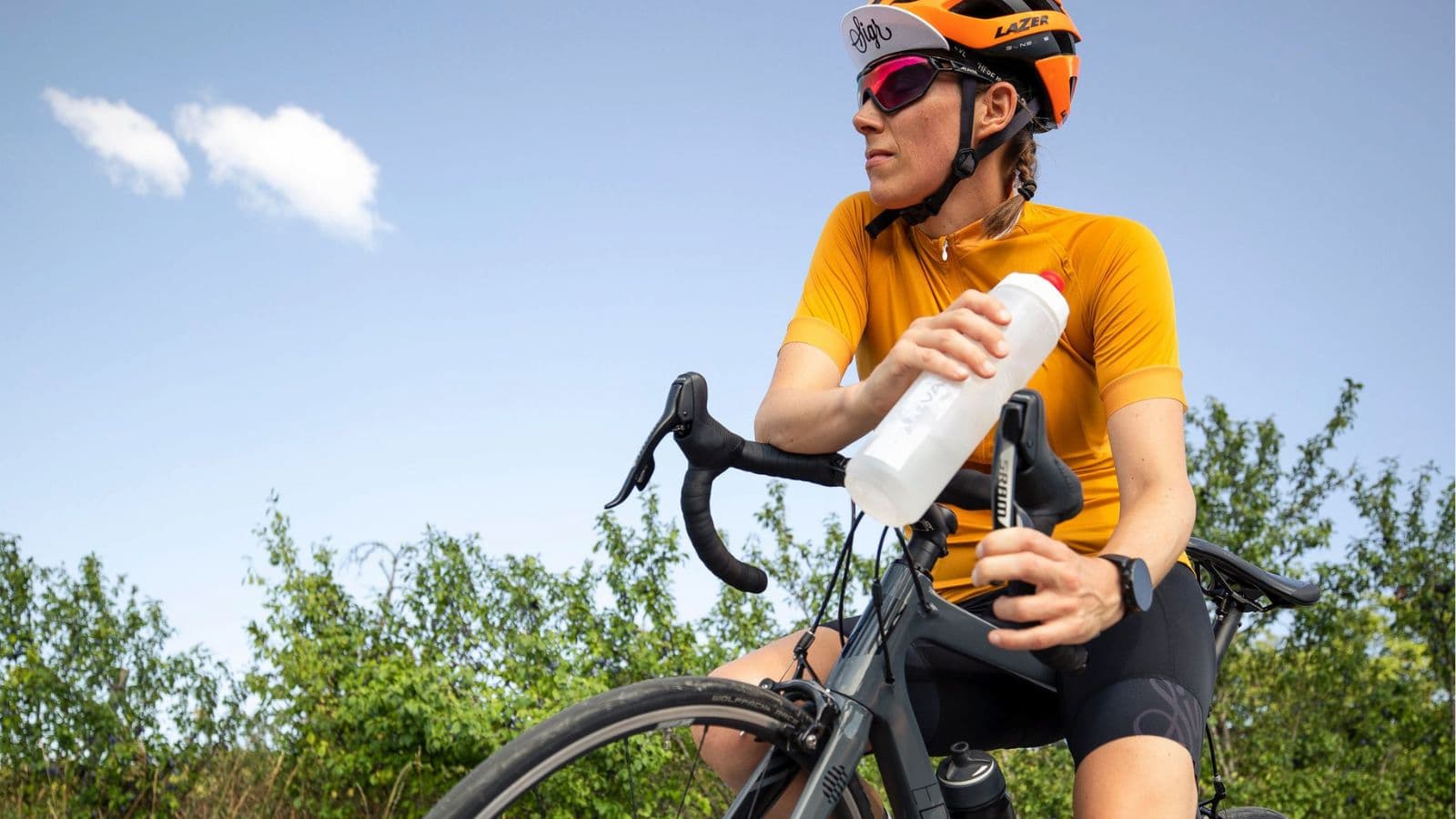
For beginners and experienced triathletes, the most reliable approach is to develop a plan before race day. Testing fluid intake during training helps determine whether personal bottles, course support, or a combination will work best.
In Short
- Carrying fluids provides greater control over hydration.
- Aid stations reduce the need to transport large fluid volumes.
- Short races often require less fluid than longer events.
- Weather and individual sweat losses influence drinking needs.
- Sports drinks may provide carbohydrates and sodium.
- Aid station products should be tested before racing.
- Drinking too much can be dangerous.
- Bike and run hydration require different approaches.
- A combined strategy works well for many athletes.
- Always review the official race guide.
Carrying Your Own Fluids vs Using Aid Stations
Both approaches have advantages and limitations.
| Factor | Carry your own fluids | Use aid stations |
|---|---|---|
| Drink selection | Full control | Limited to course offerings |
| Fluid availability | Available whenever accessible | Depends on station locations |
| Equipment | Requires bottles or hydration systems | Less personal equipment |
| Added weight | Higher when bottles are full | Generally lower |
| Nutrition consistency | Easier to maintain familiar products | Depends on available products |
| Race execution | Fewer collection stops | Requires planning and coordination |
Many triathletes use their own drinks initially and collect additional fluids later. Understanding how do you use aid stations during a triathlon can help athletes prepare for collecting drinks without disrupting their race.
Benefits of Carrying Your Own Fluids
Personal bottles allow athletes to choose exactly what they drink. This is particularly useful when following a specific carbohydrate or electrolyte plan.
Other advantages include:
- Drinking when needed rather than waiting for a station.
- Using familiar sports nutrition products.
- Measuring approximate fluid consumption.
- Avoiding unfamiliar drink concentrations.
- Having fluids available if a station is missed.
Carrying fluids can also reduce reliance on race logistics. However, bottles add weight and require secure storage. Understanding what you should check on your bike before every ride can help triathletes confirm that bottle cages and hydration systems are secure before racing.
Disadvantages of Carrying All Your Fluids
Carrying every drink needed for a long race is not always practical. Water and sports drinks are relatively heavy, and additional bottles can complicate equipment setup. Large fluid volumes may also create handling or aerodynamic compromises depending on where bottles are mounted. For longer events, relying exclusively on personal bottles may leave athletes carrying more fluid than necessary. The aim is to carry enough for the planned interval between reliable refill opportunities, with an appropriate margin for unexpected delays.
Benefits of Triathlon Aid Stations
Aid stations provide water and sometimes sports drinks, gels, or other nutrition products. Their main advantage is allowing athletes to replenish supplies during the race. This can be especially helpful in middle and long distance triathlons.
Aid stations may also offer:
- Reduced starting bottle weight.
- Access to additional fluids in hot conditions.
- Opportunities to replace empty bottles.
- Support during the run.
- Less need to carry all race nutrition from the start.
However, station spacing and available products vary significantly. Never assume a particular drink or electrolyte product will be provided without checking the event information.
Race Distance Changes Your Hydration Strategy
Hydration requirements generally increase with exercise duration, although weather, intensity, and individual physiology also matter.
| Race distance | Practical approach |
|---|---|
| Sprint | One personal bike bottle may be sufficient for many athletes |
| Olympic | Personal bottles, with aid stations as needed |
| Middle distance | Combine personal fluids with planned refills |
| Ironman distance | Plan regular access to course fluids and nutrition |
These are planning examples, not fixed hydration requirements. A sprint triathlon in extreme heat may require a different strategy from a longer event in cool weather. Understanding how should cycling workouts change for different race distances can help athletes practice drinking under conditions that resemble their target event.
How Much Fluid Should Triathletes Drink?
There is no universal hourly fluid requirement suitable for every triathlete. Fluid needs depend on sweat rate, environmental conditions, exercise intensity, body size, and individual tolerance. Some athletes may drink approximately 400 – 800 mL per hour during prolonged exercise, but others require less or more. This range should not be treated as a mandatory target. Drinking excessively, particularly beyond fluid losses, can contribute to exercise associated hyponatremia, a potentially dangerous reduction in blood sodium concentration. Understanding how much should you drink per hour when cycling in hot weather can help athletes evaluate hydration needs during demanding conditions. A practical strategy considers thirst, previous training experience, weather, and individual sweat losses without forcing unnecessary fluid intake.
Should You Carry Water or Sports Drinks?
Water helps replace fluid losses, while sports drinks may provide carbohydrates and electrolytes. For shorter events, water may be sufficient when athletes begin appropriately hydrated and have adequate energy available. During longer races, carbohydrate intake becomes increasingly important. Sports drinks can contribute to both fluid and carbohydrate intake, but their concentrations vary. Understanding what should triathletes eat for better training and recovery can help athletes recognize how daily nutrition supports race preparation. If relying on gels for carbohydrates, ensure that enough suitable fluid is available to consume them comfortably.
Hydration on the Bike vs the Run
Cycling and running create different practical challenges.
During the bike leg
Athletes can use frame bottles, behind saddle systems, or hydration systems designed for aerobars. These allow relatively convenient access to drinks without stopping. However, reaching for bottles must not compromise bike handling. Understanding how can triathletes increase the average cycling speed can help athletes recognize that sustainable pacing and efficient race execution matter more than avoiding every brief slowdown.
During the run leg
Carrying bottles can become less comfortable because of arm movement and repeated impact. Many athletes therefore rely more heavily on run course aid stations. A handheld bottle or hydration belt may still be useful when stations are widely spaced or specific drinks are required.
How to Use Aid Stations Safely?
- Collecting fluids while moving requires awareness and coordination.
- On the bike, slow down when necessary and follow the event’s designated collection procedure.
- Never make sudden movements across other riders’ paths.
- During the run, moving briefly to the side or walking through a station can make drinking easier.
Dispose of cups and bottles only in designated areas, following race rules. Understanding what should triathletes know about race etiquette can help athletes navigate crowded stations safely.
Test Your Hydration Plan During Training
Race day should not be the first time you use an unfamiliar sports drink or hydration system. Practice with the same bottle placement, fluid quantities, and carbohydrate sources planned for competition.
A useful rehearsal includes:
- Checking expected aid station spacing.
- Estimating fluid needs between stations.
- Testing personal drink concentrations.
- Practicing bottle access while cycling safely.
- Monitoring stomach comfort.
- Adjusting the plan based on conditions.
Understanding how to fuel for a 2 hour cycling ride in a triathlon can help athletes practice combining carbohydrate and fluid intake during longer sessions.
Adjusting for Hot Weather
Hot conditions often increase sweating and can make hydration planning more important. However, drinking more than your body can tolerate or retain is not a safe solution.
Useful adjustments include:
- Starting the race appropriately hydrated.
- Planning access to fluids.
- Monitoring thirst and physical symptoms.
- Reducing intensity when necessary.
- Using cooling opportunities where available.
- Avoiding excessive fluid consumption.
Understanding how to beat dehydration during an ironman triathlon can help athletes prepare for prolonged racing in challenging conditions.
Severe dizziness, confusion, collapse, or persistent vomiting requires urgent medical attention.
Common Mistakes
- Relying on unverified aid station supplies.
- Carrying unnecessary fluid weight.
- Trying unfamiliar sports drinks on race day.
- Drinking according to a rigid target regardless of conditions.
- Forgetting to practice bottle collection.
- Ignoring carbohydrate needs.
- Missing stations without a backup plan.
- Drinking excessively to prevent dehydration.
- Making unsafe movements when collecting bottles.
- Failing to review race rules.
Practical Tips
- Study the official aid station map.
- Check available drink brands and concentrations.
- Practice your hydration plan in training.
- Secure bottles before racing.
- Carry familiar nutrition when necessary.
- Adjust fluid access for expected weather.
- Slow down when collecting drinks.
- Use designated disposal areas.
- Avoid forcing unnecessary fluids.
- Prepare a backup plan for missed stations.
Actionable Takeaways
- Carry fluids when personal control matters.
- Use aid stations to replenish supplies during longer races.
- Combine both approaches when practical.
- Test drinks and equipment before race day.
- Match fluid intake to individual needs and conditions.