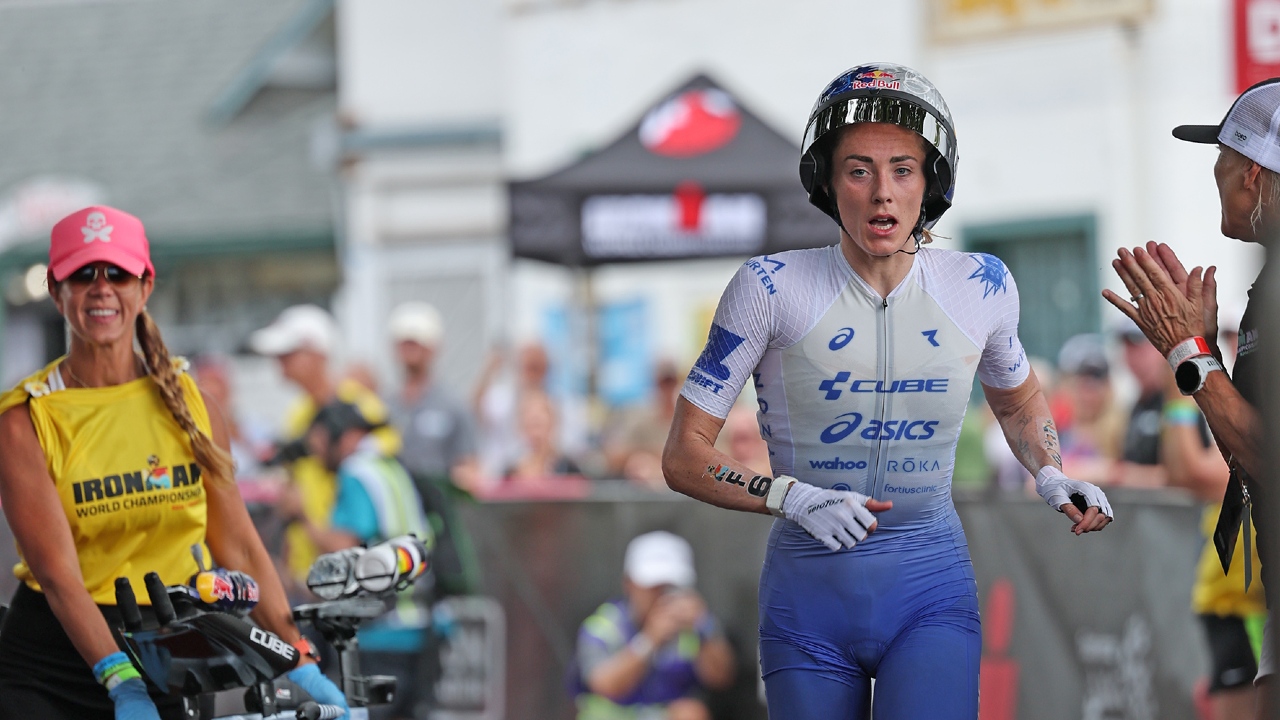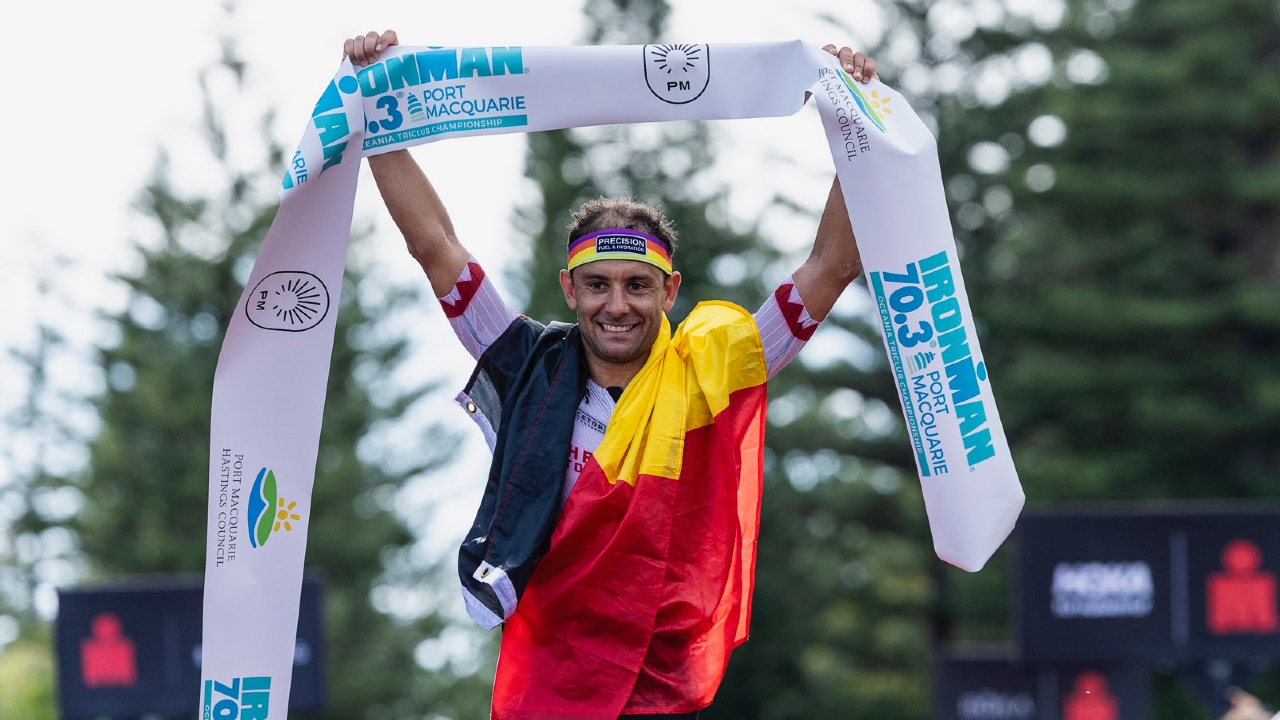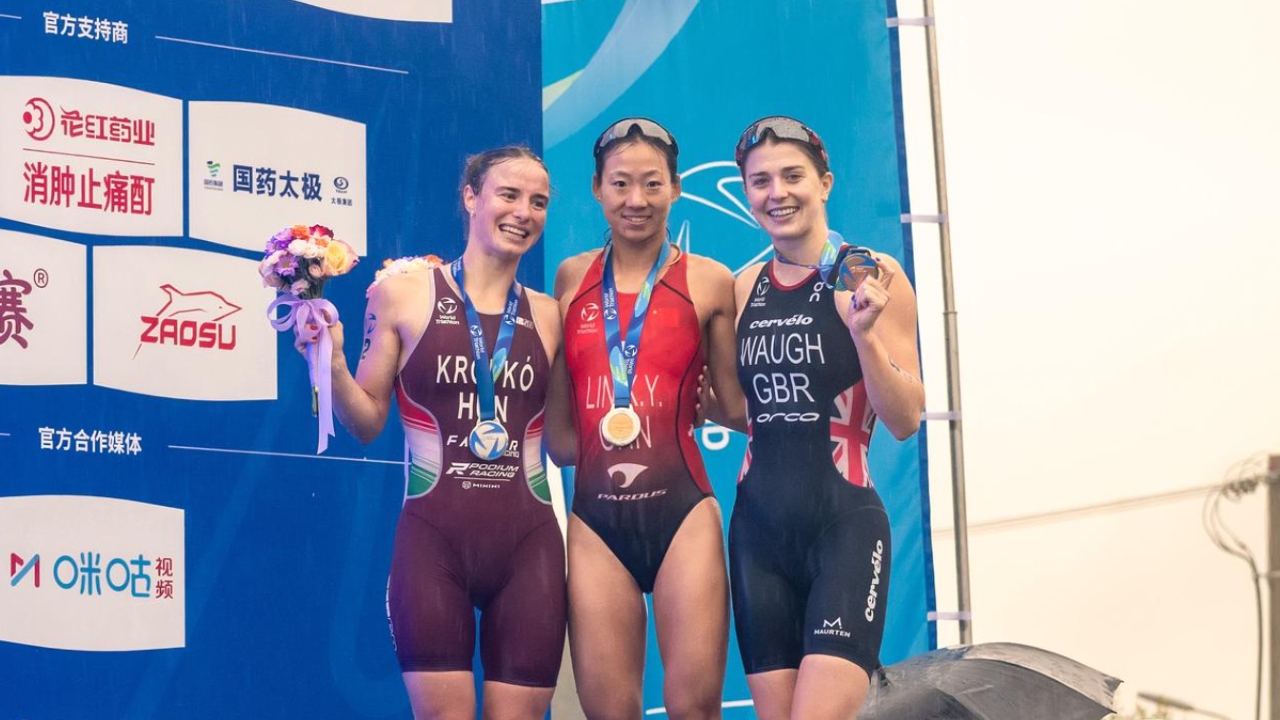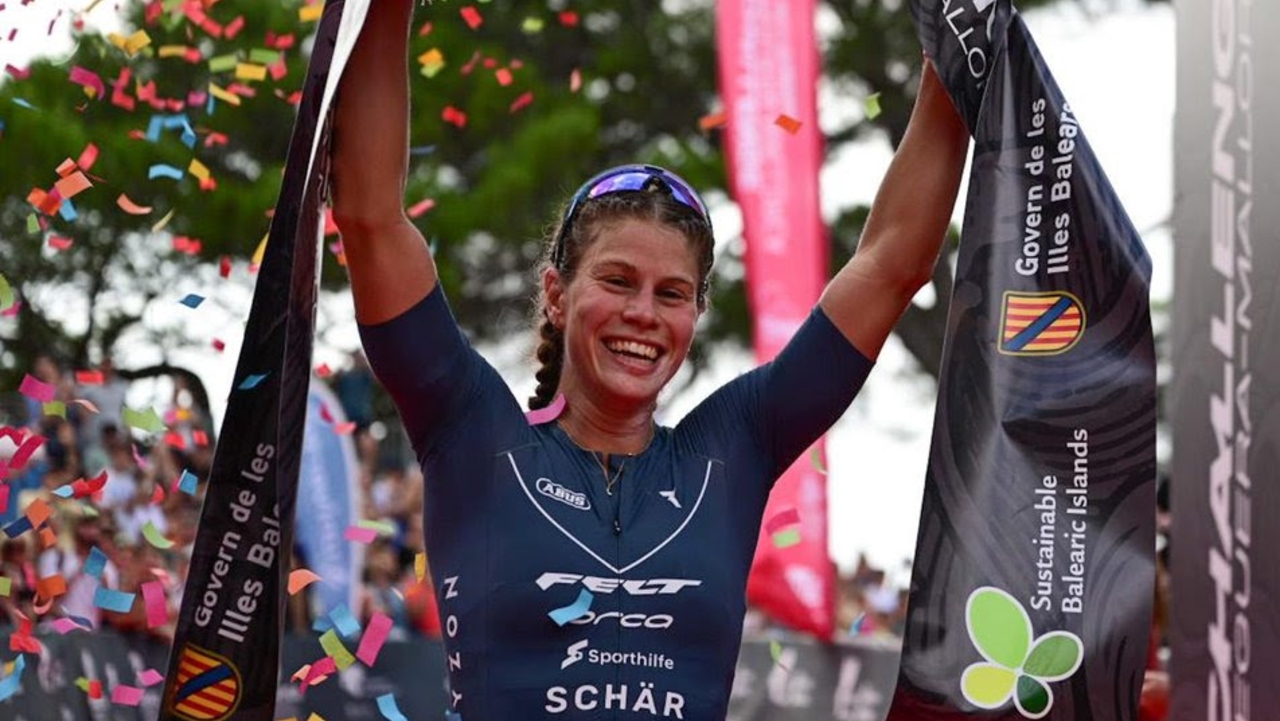


Triathlon race etiquette is about being predictable, respectful, and aware of the athletes around you. Some expectations are official race rules, while others are simple courtesies that help everyone compete safely. Good etiquette matters across all three disciplines. It includes avoiding unnecessary contact in the swim, following transition rules, passing safely on the bike, respecting drafting regulations, sharing aid stations, and allowing faster athletes to pass when appropriate. Rules can vary between events and governing bodies, so the athlete guide and race briefing should always take priority. You do not need years of racing experience to behave well on course. Learn the basic rules, pay attention to your surroundings, and avoid making another athlete’s race unnecessarily difficult.
In Short
- Read the event rules before race day.
- Avoid unnecessary contact during the swim.
- Seed yourself realistically when the event uses self seeding.
- Keep your equipment inside your allocated transition space.
- Mount and dismount only where permitted.
- Follow the event’s passing and drafting rules.
- Ride predictably and communicate when necessary.
- Respect volunteers, officials, spectators, and competitors.
Know the Rules Before You Start
Race etiquette begins before the starting signal.
Read the athlete guide and attend the race briefing when required. Pay particular attention to:
- Swim start procedures.
- Wetsuit rules.
- Transition layout.
- Mount and dismount lines.
- Bike passing rules.
- Drafting regulations.
- Litter zones.
- Outside assistance.
- Course cutoffs.
- Equipment requirements.
Do not assume rules are identical at every event. Understanding how do you know if you are ready for a triathlon should include being prepared for race procedures, not just being physically capable of covering the distance.
Seed Yourself Sensibly for the Swim
Many races use rolling or wave starts based partly on expected swim ability. If athletes are asked to self seed, choose a position that realistically reflects your expected pace. Starting far ahead of your ability can create unnecessary congestion as faster swimmers try to pass. Starting slightly farther back can provide more space for athletes who are nervous about contact. A controlled approach using how do you start an open water swim in a triathlon can help beginners settle into their pace rather than sprinting into crowded water.
Accurate self seeding benefits everyone.
Avoid Unnecessary Swim Contact
Some contact is difficult to avoid during crowded open water races. Accidental touches to feet, arms, or shoulders happen. Deliberately pulling another swimmer, repeatedly swimming over them, or using aggressive contact is different.
If you find yourself in a crowded area:
- Adjust your line slightly.
- Stay calm.
- Avoid grabbing other swimmers.
- Give space when practical.
- Resume your rhythm.
Athletes worried about crowded starts can learn from how can you avoid getting swum over at the start of a triathlon rather than trying to fight aggressively for every meter of water.
Hold a Predictable Swim Line
Swimming unpredictably can create unnecessary contact. Sight regularly and try to maintain a consistent direction. If you need to change course significantly, check where other swimmers are when possible. Good navigation also prevents you from cutting across a group unnecessarily. Understanding why swimming straight matters in open water triathlon is therefore useful for both performance and race etiquette.
A predictable swimmer is easier for others to pass and follow.
Keep Transition Organized
Transition areas can become crowded quickly. Keep your equipment inside your designated space and avoid spreading:
- Shoes
- Clothing
- Bottles
- Other items
into another athlete’s area. Move efficiently without interfering with neighboring bikes. Do not deliberately move another athlete’s equipment unless race staff instruct you to do so. Know your route from swim entry to your bike and from your bike to run exit before racing.
Respect the Mount and Dismount Lines
Most triathlons have clearly defined points where athletes are permitted to get onto and off their bikes. Follow the event’s specific instructions. Approaching the mount line, remain aware of athletes who may stop suddenly or struggle to clip into their pedals. At the end of the bike, prepare for the dismount without swerving unpredictably across the course. Smooth bike handling matters here. Practicing what cycling drills help improve triathlon bike technique can improve low speed control and confidence around transitions.
Ride Predictably
Predictability is one of the most important parts of cycling etiquette. Avoid sudden movements unless necessary for safety. Before changing your line, consider whether another rider may be approaching from behind.
Be particularly careful around:
- Corners.
- Aid stations.
- Climbs.
- Descents.
- Narrow roads.
- Turnaround points.
Follow the event’s rules about where you should ride and where you should pass.
Good etiquette is not about being excessively polite at the expense of racing. It is about competing without creating unnecessary danger.
Understand Passing and Drafting Rules
Passing and drafting regulations vary according to event format and governing rules. Non drafting triathlons generally require athletes to maintain prescribed separation and complete passes according to specific rules. Draft legal races operate differently. Do not simply copy what riders around you are doing. Learn the rules for your event. Athletes working on how can triathletes increase the average cycling speed should gain speed through:
- Fitness
- Technique
- Aerodynamics
- Appropriate pacing
rather than gaining an unfair advantage by intentionally breaking drafting rules. If an official gives an instruction, follow it.
Do Not Block Other Cyclists
Blocking can prevent faster athletes from passing safely. Ride in the required position for your race and move through the passing area according to the rules. On hills, speeds can vary significantly. Avoid sudden sideways movements when standing, changing gears, or passing another rider. Understanding when should you climb seated vs standing on a bike can help you control your movement on climbs, especially when other cyclists are nearby. Being tired does not remove your responsibility to ride predictably.
Communicate Hazards When Appropriate
Communication can improve safety, particularly when cyclists are close together.
Depending on the race and situation, riders may verbally indicate:
- A hazard.
- A slowing rider.
- Debris.
- A sharp change in direction.
- Their intention to pass.
Do not assume another athlete has seen the same obstacle you have. At the same time, avoid unnecessary shouting or aggressive behavior. Clear communication should help other athletes understand what is happening.
Be Careful at Bike Aid Stations
Bike aid stations can produce large speed differences. Some riders slow significantly to collect bottles while others continue through.
Before reaching the station:
- Know what you need.
- Move into the appropriate collection area.
- Reduce speed progressively.
- Avoid abrupt swerving.
- Take only what you can control safely.
- Follow littering rules.
If you miss a bottle, do not make a dangerous sudden turn to retrieve it.
Continue safely and adjust your hydration plan when possible.
Give Space on the Run
The run course is often more relaxed than the bike, but etiquette still matters. Avoid running several athletes across when doing so blocks the entire course. If you slow to walk, especially at an aid station, check that you are not abruptly stopping directly in front of another runner. Your pace may also change significantly as fatigue develops. Following how can you reduce fatigue during the triathlon run leg can help you maintain better control late in the race, but slower athletes have just as much right to be on course. Simply make reasonable space for passing.
Move Through Aid Stations Efficiently
Run aid stations become congested when athletes stop suddenly at the first table.
If possible:
- Move toward the appropriate table.
- Take your drink or nutrition.
- Continue forward before slowing.
- Step away from the main flow if you need to stop.
- Dispose of cups in designated areas.
Do not throw cups or packaging where they create unnecessary hazards.
Thanking volunteers is also simple good etiquette when you have the opportunity.
Do Not Take Another Athlete’s Nutrition
Use your own nutrition or supplies officially provided by the race. Do not take bottles, gels, or equipment belonging to another athlete in transition or on course. Long course athletes should plan their nutrition carefully rather than relying on what another competitor carries. Practicing how to fuel for a 2 hour cycling ride in a triathlon provides a useful starting point for learning how to carry, consume, and manage nutrition on the bike. Know what the race provides before arriving.
Respect Athletes Having a Difficult Race
Not everyone on course is competing for the same goal. One athlete may be racing for a podium while another is trying to finish their first triathlon. Do not mock, criticize, or deliberately interfere with slower competitors. If an athlete appears to be experiencing a genuine emergency, alert race staff or medical personnel when appropriate. Race etiquette includes understanding that competition and respect can exist at the same time.
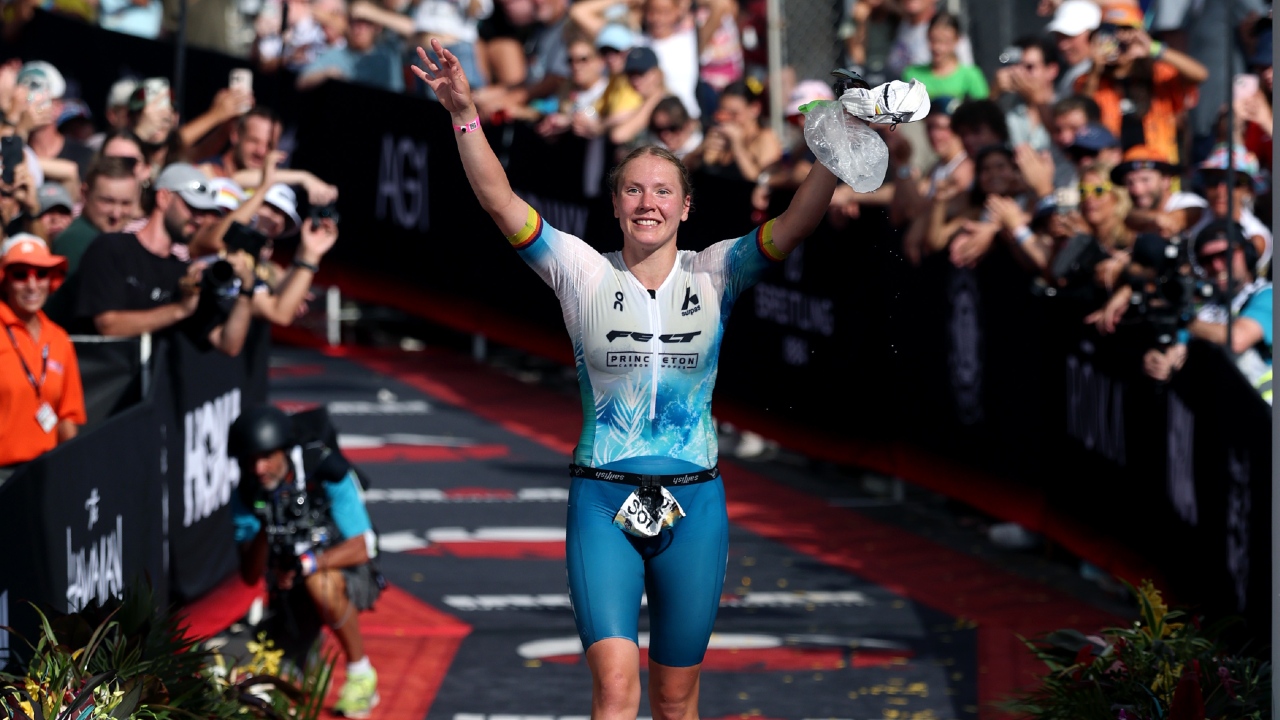
Finish Without Blocking Others
The finish line is an important moment, but other athletes may be finishing immediately behind you.
After crossing:
- Continue moving when directed.
- Do not suddenly stop in the racing line.
- Follow volunteer instructions.
- Collect your medal away from incoming athletes.
- Move toward the recovery area.
Celebrate your finish without preventing someone else from having theirs.
If friends or family are involved in finish line celebrations, follow the event’s specific policies about who is permitted inside the course or finish area.
Respect Officials and Volunteers
Officials enforce the rules. Volunteers make many races possible. You may disagree with a decision, but arguing aggressively during the race rarely helps. Follow instructions first and use the event’s formal process afterward if you believe a decision needs to be challenged. The same applies when conditions become unsafe. Knowing how can you prepare for extreme weather in a triathlon bike leg is valuable, but race organizers may still modify or stop an event if conditions require it.
Respect safety decisions even when they affect your race.
Common Mistakes
- Seeding far ahead of your actual swim pace.
- Using unnecessary physical contact in the swim.
- Spreading equipment outside your transition space.
- Ignoring mount and dismount rules.
- Blocking cyclists who are trying to pass.
- Drafting illegally.
- Swerving suddenly at aid stations.
- Stopping directly in front of runners.
- Arguing aggressively with volunteers or officials.
Practical Tips
- Read the athlete guide completely.
- Attend mandatory race briefings.
- Seed yourself realistically.
- Keep your swim line predictable.
- Learn the transition layout before racing.
- Practice safe mounting and dismounting.
- Know the passing and drafting rules.
- Look before changing direction.
- Thank volunteers when practical.
Actionable Takeaways
Good triathlon race etiquette comes down to being informed, predictable, fair, and respectful. Know the event rules before starting. Swim without unnecessary contact, keep transition organized, follow bike passing and drafting regulations, and avoid sudden movements that create hazards for other competitors. On the run, make reasonable room for passing and move through aid stations without blocking the course.
You are still racing. You do not need to sacrifice your performance to be polite. The goal is to compete as strongly as you can without gaining an unfair advantage or unnecessarily interfering with another athlete’s race. Rules vary between events, so always follow the athlete guide, race briefing, officials, and governing rules for the specific competition you enter.