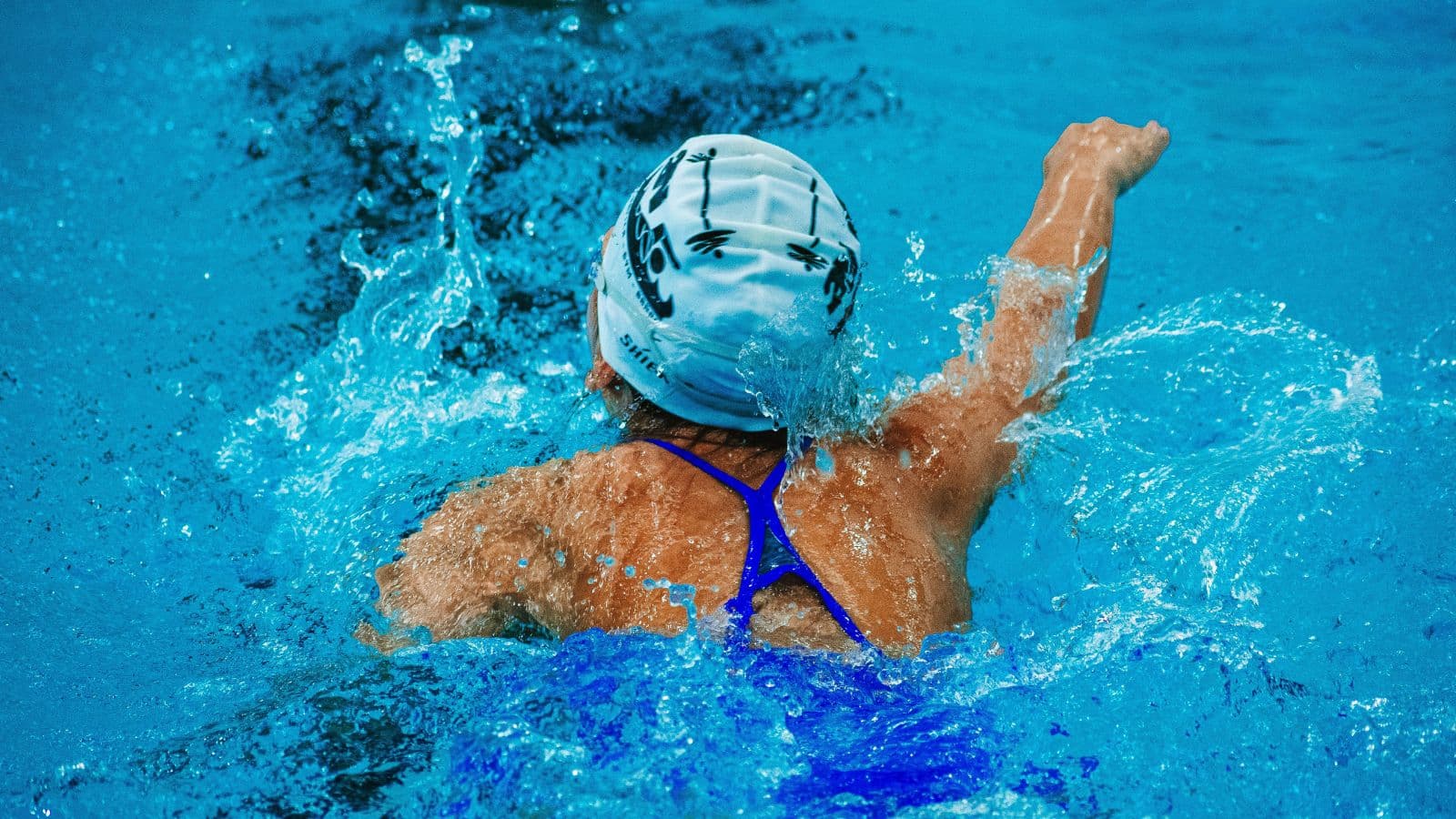


Getting swum over is one of the biggest concerns beginners have before their first open water triathlon. When many athletes enter the water together, swimmers can make contact, cross paths, or accidentally swim over someone who is moving more slowly. You cannot guarantee a completely contact free start, but you can greatly reduce the chances of becoming trapped in the busiest part of the field. Starting according to your realistic swimming ability, creating a little space, sighting regularly, and remaining calm when contact occurs can make a major difference. The goal is not to win the first 100 meters. A good triathlon swim start gets you moving safely at a sustainable effort so you can settle into your normal stroke and conserve energy for the bike and run.
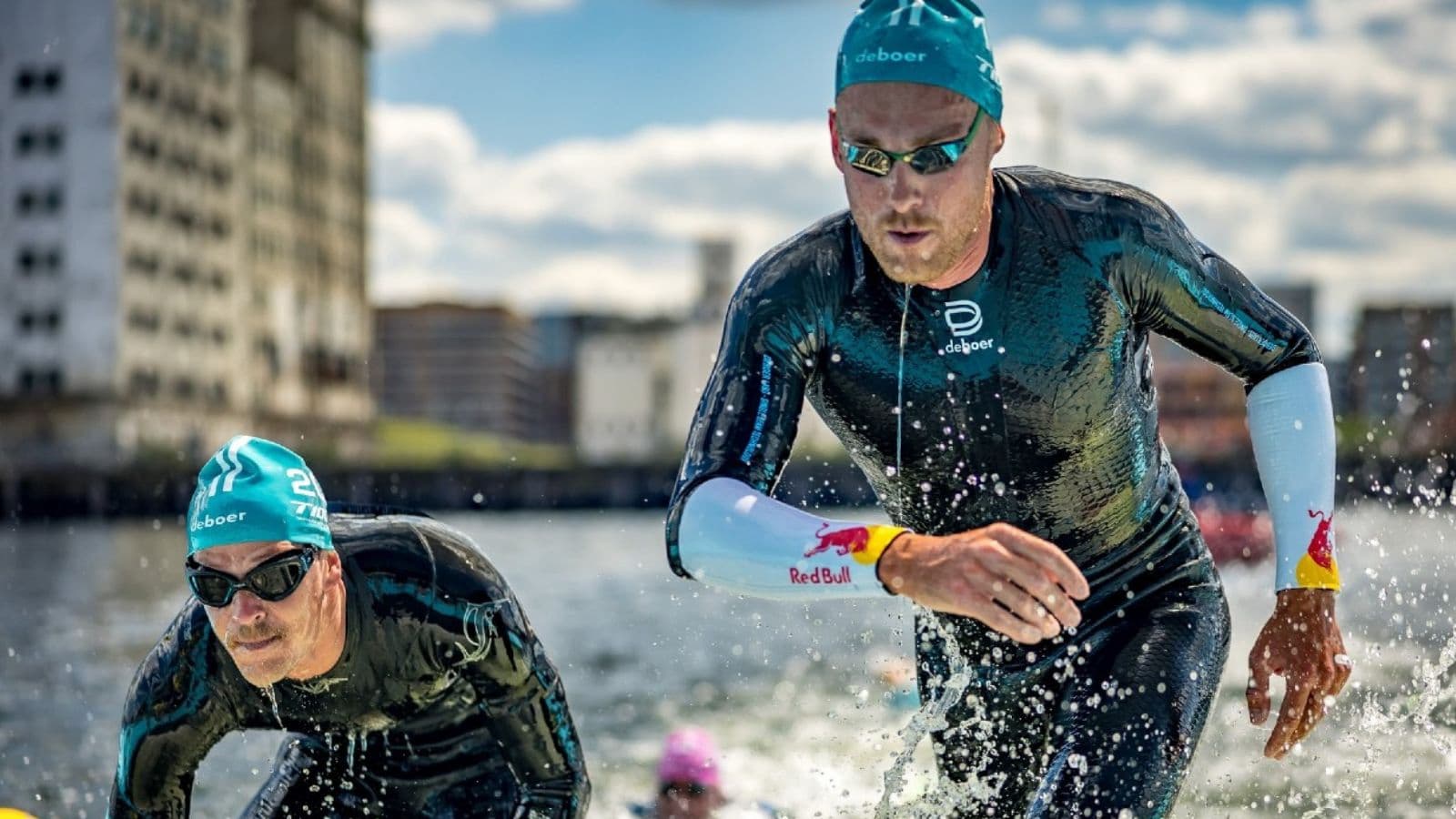
In Short
- Seed yourself according to your realistic swimming ability.
- Beginners can start toward the side or back when appropriate.
- Do not sprint simply because everyone around you starts quickly.
- Expect some accidental contact in crowded races.
- Create space, establish your rhythm, and then focus on efficient swimming.
Why Do Swimmers Get Swum Over?
Getting swum over usually happens because several athletes are trying to occupy the same space.
Common situations include:
- Faster swimmers starting behind slower swimmers.
- Athletes seeding themselves incorrectly.
- Swimmers converging toward the first buoy.
- Poor sighting.
- Sudden changes in direction.
- Very crowded mass starts.
- Athletes stopping unexpectedly.
Most contact is accidental rather than deliberate.
Understanding why congestion develops can help you choose a better starting strategy.
Learn the Race Start Format
Triathlons do not all begin in the same way.
Common formats include:
- Mass starts.
- Wave starts.
- Rolling starts.
- Beach starts.
- Deep water starts.
Your strategy should reflect the format. A rolling start, for example, often allows athletes to enter according to expected swim time. A mass start can place many athletes in the water simultaneously and may require more careful positioning. Read the athlete information before race morning so you know exactly how the swim begins.
Beginners Do Not Need to Start at the Front
The front of a competitive swim start is usually not the easiest place for an inexperienced open water swimmer.
Faster athletes may:
- Accelerate aggressively.
- Swim very close together.
- Hold a high early pace.
- Take the shortest line toward the buoy.
If you are not comfortable in that environment, move away from the busiest area.
Giving up a few seconds at the beginning can result in a calmer and more efficient overall swim.
Starting at the Side Can Create Space
Starting slightly to one side can reduce the number of swimmers immediately around you. You may swim a little farther depending on the course, but the tradeoff can be worthwhile if it allows you to maintain your stroke.
A wider starting position may provide:
- More room for your arms.
- Easier breathing.
- Less immediate contact.
- Better control of your pace.
You can gradually move toward the main racing line once the field begins to spread out.
Understand How to Enter the Water
The first few moments of the swim can feel chaotic because you are transitioning from standing or running to swimming. Knowing what to expect reduces hesitation.
Depending on the race, you may:
- Run from the beach.
- Walk into deeper water.
- Dive or begin swimming.
- Start already floating in the water.
- Enter individually during a rolling start.
Practicing these transitions beforehand can make race morning feel much more familiar. The principles in how do you start an open water swim in a triathlon can help you prepare for different start situations without wasting energy.
Do Not Sprint Automatically
A common beginner mistake is matching the speed of everyone nearby. The first minute then becomes much harder than anything you practiced.
An unnecessarily aggressive start can cause:
- Rapid breathing.
- Poor technique.
- Early fatigue.
- Anxiety.
- Difficulty settling into race pace.
Start purposefully but under control.
Once space appears, establish the sustainable rhythm you practiced in training.
Expect the First Minutes to Feel Busy
Even with good positioning, the beginning may feel more crowded than your normal training.
Expect:
- Splashes.
- Bubbles.
- Limited visibility.
- Arms entering nearby.
- Occasional foot contact.
- Swimmers crossing your path.
Expecting these sensations makes them less surprising. Your task is to keep swimming calmly rather than reacting dramatically to every small contact.
Protect Your Breathing Rhythm
Breathing often becomes the first thing to deteriorate when a swimmer becomes anxious. Try to keep exhaling normally into the water. Holding your breath can make the sensation of breathlessness worse. If conditions allow, bilateral breathing can also give you more awareness of swimmers on both sides, although you should use the breathing pattern that feels comfortable and reliable.
The guidance in how to coordinate breathing with your swim strokes in a triathlon can help make breathing more automatic before race day.
Do Not Fight for Every Inch of Water
If another swimmer is repeatedly making contact with you, trying to hold exactly the same line may waste energy. A small adjustment can often solve the problem.
You might:
- Move slightly left or right.
- Reduce your pace briefly.
- Let a faster swimmer pass.
- Find another set of feet to follow.
Think about completing the entire triathlon efficiently rather than defending a position in the first few minutes.
What Should You Do if Someone Swims Over You?
First, try not to panic. Protect your breathing and create space.
You can:
- Move slightly to the side.
- Slow briefly.
- Lift your head to check your surroundings.
- Resume normal freestyle once clear.
If you become genuinely distressed, prioritize safety. Stop racing the people around you and regain control before continuing.
Do Not Stop Suddenly in the Main Swim Line
Stopping without checking behind you can cause another swimmer to run directly into you.
If you need to stop:
- Move toward the side where possible.
- Look around.
- Keep yourself visible.
- Regain control before restarting.
If you need assistance, follow the race organizer’s safety procedures and signal to the appropriate safety personnel.
Sight Early and Regularly
Poor sighting can place you directly into another group of swimmers. You may also swim farther than necessary or approach a buoy from a crowded angle.
Regular sighting helps you monitor:
- The next buoy.
- Your direction.
- Other swimmers.
- Changes in the course.
You do not need to lift your entire head high on every sight.
Use brief looks while maintaining as much of your normal stroke as possible.
Swimming Straight Reduces Unnecessary Contact
A swimmer who repeatedly drifts across the course is more likely to cross other athletes’ paths. Improving directional control can therefore reduce both extra distance and unnecessary contact. Practice combining normal freestyle with periodic sighting during open water training.
Why swimming straight matters in open water triathlon explains why navigation is an important performance skill rather than simply a way of finding the next buoy.
Draft Only When You Are Comfortable
Drafting behind or beside another swimmer can reduce effort, but it also means swimming closer to other people. Beginners do not need to force themselves into a tight drafting position immediately.
First establish:
- Comfortable breathing.
- Direction.
- Sustainable pace.
- Enough personal space.
Once you feel settled, you can decide whether following another swimmer is useful.
Choose the Right Feet to Follow
Drafting behind someone much faster can cause you to exceed your sustainable pace. Following someone who swims in the wrong direction can also take you off course.
Choose a swimmer who appears to be moving:
- At a sustainable pace.
- In the correct direction.
- Smoothly and predictably.
Continue sighting for yourself.
Never assume the swimmer ahead knows exactly where they are going.
Improve Your Swim Stamina
Fatigue can make crowded swimming more difficult.
As you tire:
- Stroke technique may deteriorate.
- Sighting can become harder.
- Direction may become less consistent.
- Contact can feel more stressful.
Developing enough endurance for the race distance gives you more capacity to manage these challenges. The guide how can you improve your swim stamina for a triathlon can help you build the endurance needed to maintain controlled swimming beyond the opening minutes.
Improve Swim Speed Gradually
You do not need to become the fastest swimmer in your wave to avoid contact. However, becoming a more capable swimmer can make race starts easier because you have greater control over your pace and position. Speed should develop through consistent training rather than simply trying to sprint harder at the start. How to increase triathlon swim speed covers how technique, endurance, and structured training can work together to improve swimming performance.
Practice Swimming Near Other People
Pool swimming in an empty lane does not fully reproduce a crowded triathlon start. When safe and appropriate, practice open water swimming with a group.
Useful drills can include:
- Swimming side by side.
- Following another swimmer’s feet.
- Starting together.
- Practicing buoy turns.
- Swimming with small amounts of controlled contact.
Practice should remain safe and cooperative.
The goal is familiarity, not recreating aggressive race behavior.
Learn to Stay Calm After Contact
Physical contact can trigger a much larger mental reaction than the contact itself.
A simple bump may cause a beginner to:
- Stop swimming.
- Lift their head.
- Hold their breath.
- Accelerate suddenly.
- Lose direction.
Practice responding more simply.
- Contact → create space → breathe → sight → resume rhythm
This sequence keeps a small incident from becoming a major disruption.
Open Water Experience Builds Confidence
Many beginner swim start problems are made worse because the environment is unfamiliar.
Open water differs from pool swimming because there may be:
- No lane lines.
- Limited underwater visibility.
- Waves.
- Cold water.
- Other swimmers nearby.
- Navigation requirements.
Regular open water practice can make these conditions feel normal rather than alarming. This is especially important because why is swimming the hardest part of a triathlon for beginners often comes down to unfamiliarity as much as physical swimming ability.
Warm Up When the Race Allows It
A suitable warm up can help you begin the swim feeling physically and mentally prepared. If swimming beforehand is not allowed, use the warm up procedures permitted by the event.
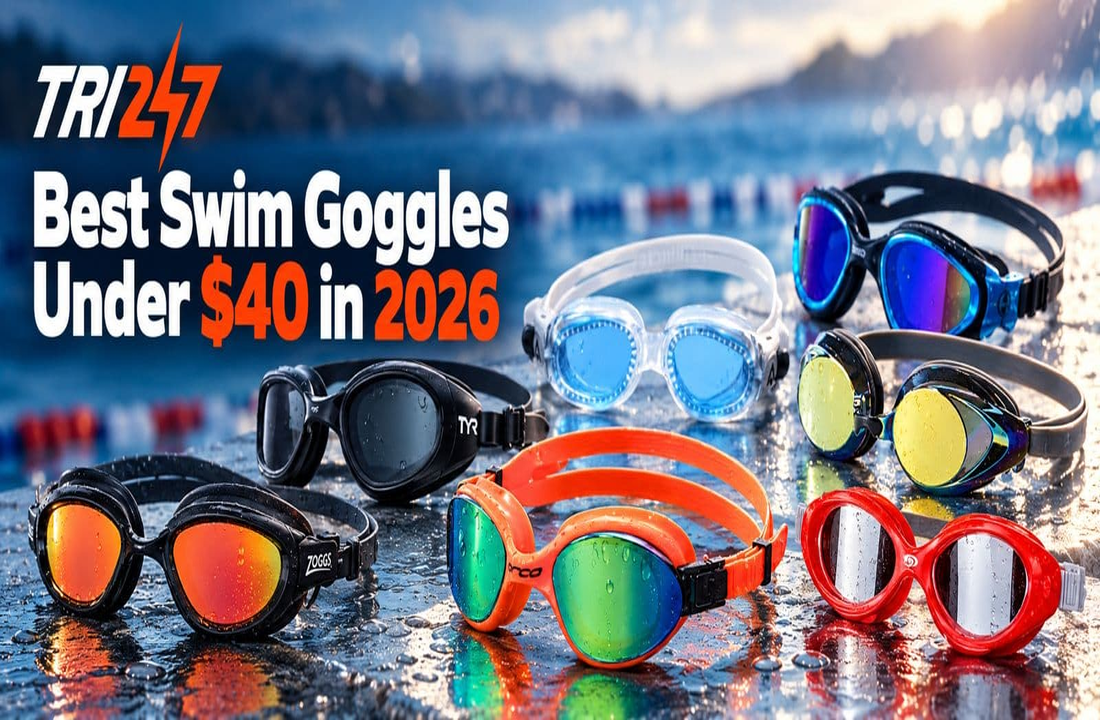
Check Your Goggles Before Starting
Before entering the water:
- Make sure the goggles fit securely.
- Check the seal.
- Position the strap correctly.
- Make sure vision is clear.
Make Sure Your Wetsuit Fits Properly
If the race permits wetsuits, ensure yours has already been tested in training. A poorly fitted wetsuit can restrict shoulder movement or create an uncomfortable sensation around the neck and chest.
Know Your Realistic Swim Pace
Knowing your normal sustainable pace helps you choose an appropriate starting position.
If your goal is simply to complete your first triathlon comfortably, conservative positioning can be entirely appropriate.
Save Energy for the Whole Race
The swim is only the beginning of a triathlon. Fighting for position, sprinting unnecessarily, and repeatedly changing pace can consume energy without producing much overall benefit.
A controlled swim can help you arrive at T1:
- Calm.
- Oriented.
- Ready to transition.
- Prepared for the bike.
Think beyond the first buoy.
Common Mistakes
- Starting too far forward for your swimming ability.
- Sprinting because everyone else does.
- Fighting unnecessarily for space.
- Following other swimmers without sighting.
- Taking the tightest line around crowded buoys.
- Stopping suddenly in the main swimming line.
- Trying unfamiliar goggles or wetsuits on race day.
Practical Tips
- Learn the race start format beforehand.
- Seed yourself using realistic swim ability.
- Start wider if you want more space.
- Keep your first effort controlled.
- Expect some accidental contact.
- Sight regularly from the beginning.
- Move aside rather than fighting faster swimmers.
- Practice swimming close to others before race day.
- Prioritize breathing and safety if you become anxious.
Actionable Takeaways
Avoiding getting swum over starts before you enter the water. Understand the race format, estimate your swim ability realistically, and choose a starting position that places you around athletes moving at a similar pace. Beginners who dislike contact can often create more space by starting slightly wider or farther back. Once the race begins, avoid matching an unsustainable early pace simply because the swimmers around you accelerate. Establish your breathing, sight regularly, and settle into your normal stroke.
The best start is not necessarily the fastest first 100 meters. It is the one that allows you to enter the main part of the swim under control and preserves energy for the rest of the triathlon.