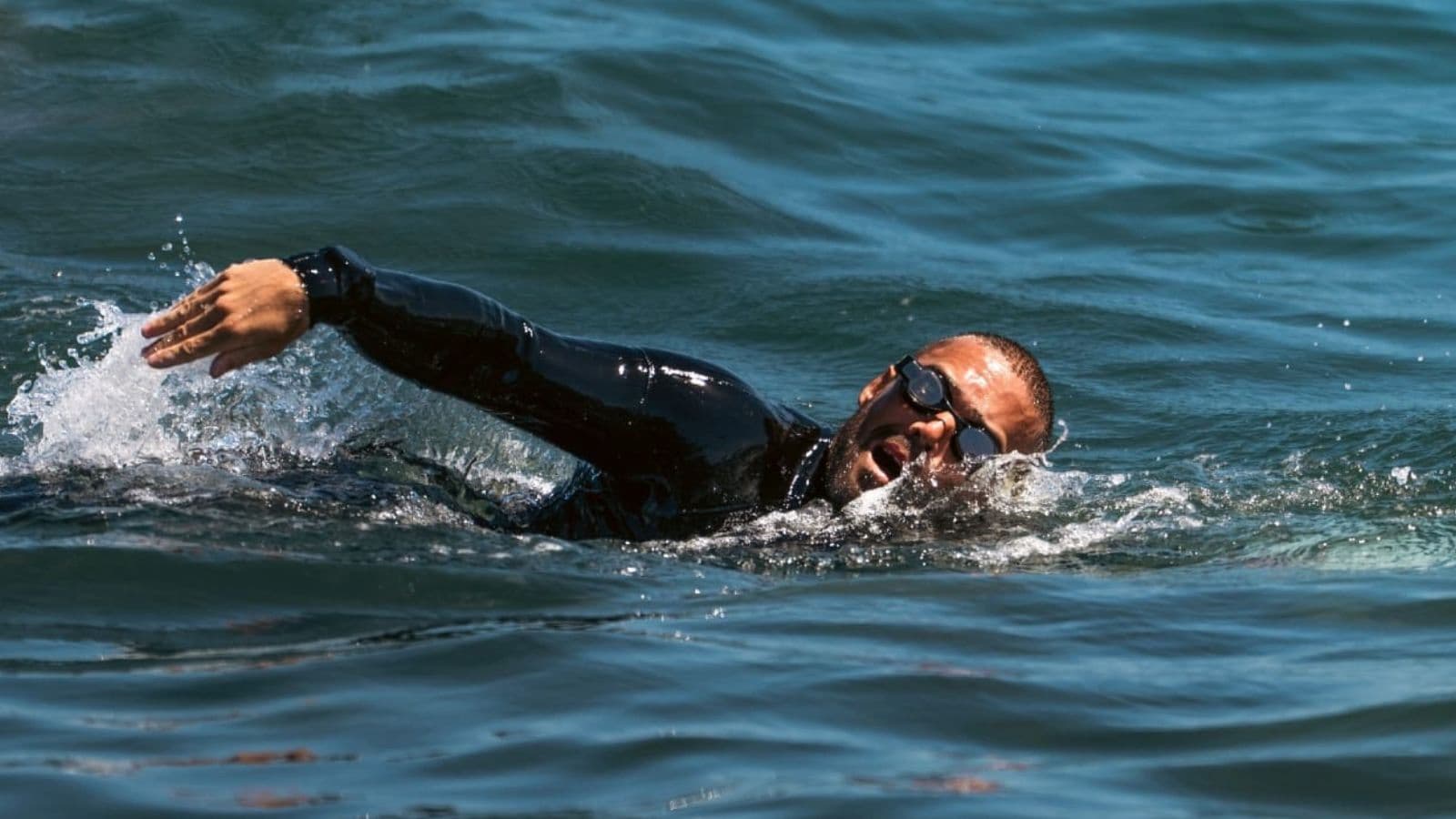


Ask a group of first-time triathletes which discipline worries them most, and the answer is usually the swim. Unlike cycling and running, swimming places you in an unfamiliar environment where breathing, navigation and confidence all become major factors. Add open water, hundreds of competitors and race day nerves, and it’s easy to see why many beginners view the swim as the biggest obstacle. The good news is that swimming is a skill that improves steadily with practice. By focusing on technique, confidence and race specific preparation rather than simply swimming harder, beginners can transform the swim from their greatest fear into a manageable and enjoyable part of the race.
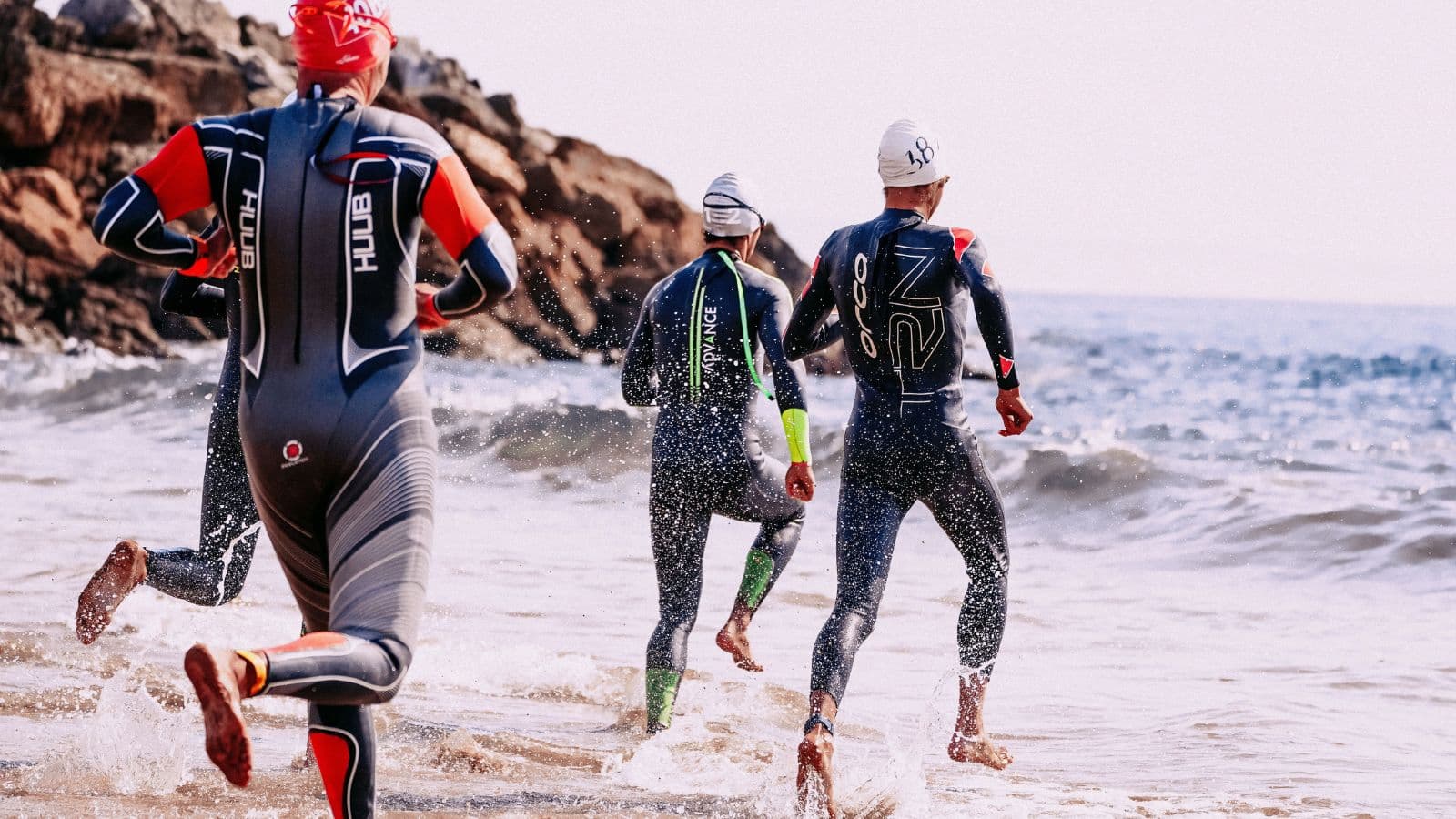
In Short
- Open water feels unfamiliar.
- Breathing can be challenging.
- Race-day nerves increase anxiety.
- Technique matters more than fitness.
- Sighting takes practice.
Swimming Is Technically More Difficult
Running and cycling are natural movements for most people.
Swimming, however, requires learning:
- Efficient body position.
- Controlled breathing.
- Proper stroke mechanics.
- Timing and coordination.
Even fit runners and cyclists can struggle in the water because swimming relies heavily on technique rather than fitness alone. Learning why swimming straight is important for triathletes starts with improving efficiency instead of simply trying to swim harder.
Open Water Is Completely Different
Many beginners feel comfortable in a swimming pool but become anxious in open water.
Common differences include:
- No lane lines.
- Limited visibility.
- Waves.
- Wind.
- Colder water.
- Other competitors.
Practicing how to increase triathlon swim speed helps reduce unnecessary distance and improve confidence in race conditions.
Breathing Feels More Difficult
Unlike running or cycling, your breathing must be coordinated with every stroke.
New triathletes often:
- Hold their breath.
- Breathe too late.
- Lift their head excessively.
- Panic when breathing rhythm breaks down.
Developing how to coordinate breathing with your swim strokes in a triathlon creates smoother, more relaxed swimming.
Race Day Anxiety Makes Swimming Harder
Standing at the swim start with hundreds of athletes is unlike any normal training session.
Anxiety can cause:
- Faster breathing.
- Increased heart rate.
- Muscle tension.
- Poor decision-making.
The more familiar race conditions become, the less intimidating they feel.
Poor Technique Wastes Energy
Small technical errors create surprisingly large increases in effort.
Common mistakes include:
- Crossing your arms.
- Dropping your elbows.
- Kicking too hard.
- Looking forward constantly.
Swimming efficiently allows you to exit the water with plenty of energy remaining for the bike and run. Improving how can you improve your swim pull for triathlon helps generate more propulsion while reducing wasted effort.
Sighting Requires Practice
Pool swimmers rarely need to navigate.
In open water you must regularly:
- Look ahead.
- Stay on course.
- Avoid swimming extra distance.
- Maintain rhythm.
Practicing how to coordinate breathing with your swim strokes in a triathlon helps beginners understand how poor navigation can affect race performance.
Confidence Comes From Experience
The best way to reduce fear is exposure.
Regular practice in safe open water environments helps you become comfortable with:
- Waves.
- Crowds.
- Cold water.
- Race starts.
- Different conditions.
Each successful session builds confidence for race day.
Learn to Relax in the Water
Many beginner triathletes waste energy because they become tense.
Instead, focus on:
- Long, smooth strokes.
- Relaxed shoulders.
- Gentle kicking.
- Controlled breathing.
The more relaxed you are, the more efficiently you’ll move through the water.
Don’t Try to Swim Too Fast
A common mistake is sprinting the first few hundred metres.
This usually leads to:
- Heavy breathing.
- Rising heart rate.
- Early fatigue.
- Difficulty settling into rhythm.
Starting conservatively allows you to find your pace before gradually increasing your effort later in the swim.
Build Fitness Alongside Technique
Technique is essential, but swimming fitness still matters.
Include sessions that develop:
- Aerobic endurance.
- Muscular endurance.
- Continuous swimming.
- Controlled pacing.
Combining good technique with improved fitness makes the entire swim feel significantly easier.
Practise Race Conditions
Pool sessions alone rarely prepare beginners completely.
Whenever possible, practise:
- Open-water starts.
- Swimming around buoys.
- Wetsuit swimming.
- Group swimming.
- Sighting drills.
Race-specific practice removes much of the uncertainty that causes anxiety on event day.
Accept That Nervousness Is Normal
Even experienced triathletes often feel nervous before the swim.
Instead of trying to eliminate nerves:
- Accept them.
- Focus on your breathing.
- Trust your preparation.
- Follow your race plan.
Confidence develops through preparation rather than hoping fear disappears.
Build Confidence Gradually
You don’t need to become an elite swimmer to enjoy triathlon.
Progress comes from:
- Consistent practice.
- Small technical improvements.
- Regular open-water sessions.
- Positive race experiences.
Every successful swim makes the next one feel easier. Developing faster transitioning skills in a triathlon can also help reassure beginners that they’re more prepared than they realize.
Swimming Sets Up the Rest of the Race
The swim may be the first discipline, but its effects continue throughout the race.
A calm, controlled swim helps you:
- Exit the water relaxed.
- Begin the bike with energy.
- Reduce overall fatigue.
- Enjoy the rest of the event.
Treat the swim as the beginning of your race, not something you simply need to survive.
Common Mistakes
- Starting too fast.
- Holding your breath.
- Lifting your head too high.
- Skipping open-water practice.
- Fighting the water instead of relaxing.
- Ignoring sighting practice.
- Comparing yourself with stronger swimmers.
- Letting race nerves dictate your pace.
Practical Tips
- Practise open-water swimming regularly.
- Focus on technique before speed.
- Develop a steady breathing rhythm.
- Include sighting in training.
- Start races conservatively.
- Stay relaxed throughout the swim.
- Build confidence gradually.
- Trust your preparation.
Actionable Takeaways
Swimming feels like the hardest part of a triathlon for many beginners because it combines technical skill, open-water conditions and race-day nerves in a way that running and cycling do not. Fortunately, every one of these challenges can be improved through structured practice and experience.
Rather than worrying about swimming faster immediately, focus on becoming more relaxed, efficient and confident in the water. As your technique improves and open-water experience grows, the swim will become far less intimidating and set you up for a stronger bike and run.