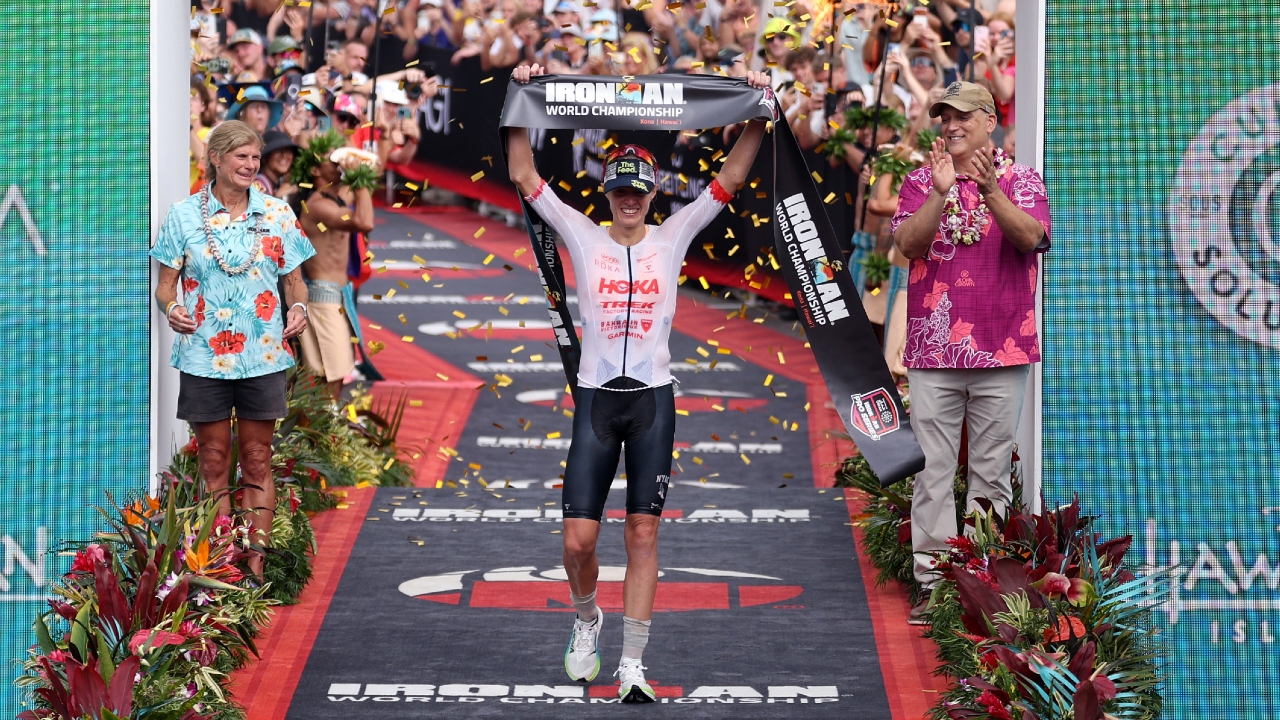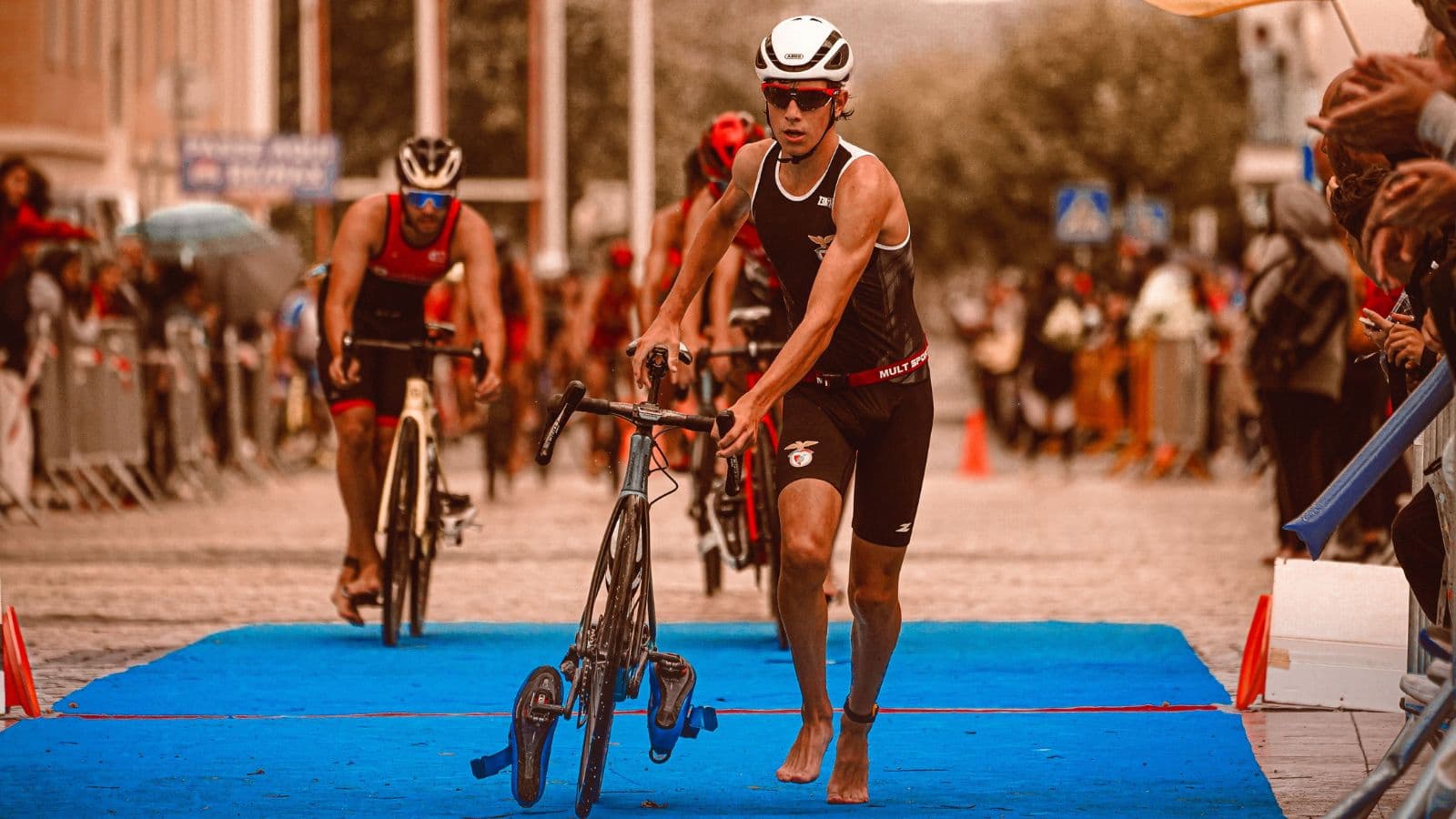


Transitions are often called the fourth discipline of triathlon because they offer free speed. Unlike swimming, cycling or running, improving your transitions doesn’t require becoming fitter, it requires better preparation, organization and practice. Whether you’re racing a Sprint triathlon or an Ironman, efficient transitions can save seconds or even several minutes while reducing unnecessary stress. The fastest triathletes don’t rush; they simply eliminate wasted movements. The goal is to stay calm, organized and deliberate from the moment you enter transition until you leave.
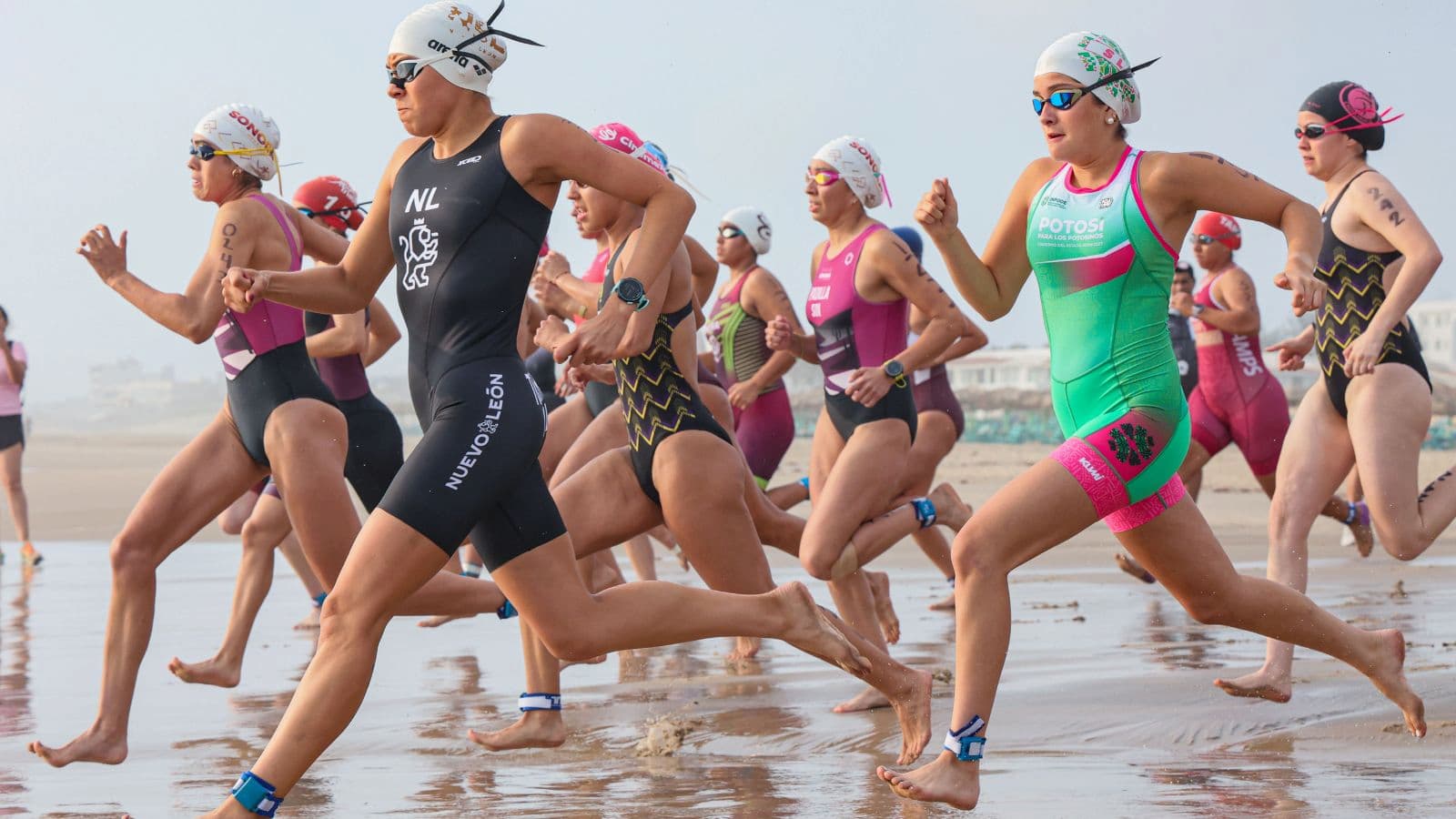
T1 and T2 Zones
Every transition has a specific purpose.
T1 (Swim to Bike)
- Exit the water.
- Reach your bike.
- Remove swim equipment.
- Put on your helmet.
- Prepare your bike.
- Begin cycling safely.
T2 (Bike to Run)
- Rack your bike.
- Remove your helmet.
- Change shoes if necessary.
- Collect race nutrition.
- Start running.
Knowing exactly what needs to happen prevents hesitation on race day. Many first-time athletes build confidence by understanding how to become an efficient triathlete, ensuring transition preparation begins long before race morning.
Keep Your Transition Area Simple
Every unnecessary item increases decision-making. Only place equipment you’ll actually use.
Typical essentials include:
- Helmet.
- Cycling shoes.
- Running shoes.
- Race belt.
- Sunglasses.
- Nutrition.
Keeping your space uncluttered reduces confusion when you’re under pressure.
Walk Through Your Transition Before the Race
One of the easiest ways to save time is knowing exactly where your bike is located.
Before racing:
- Locate your rack.
- Identify landmarks.
- Walk the swim entry.
- Walk the bike exit.
- Walk the run exit.
Many experienced athletes rehearse the entire route several times before the race begins.
Helmet First, Always
Race rules generally require your helmet to be securely fastened before touching your bike.
Develop this habit:
- Helmet on.
- Fasten strap.
- Then remove your bike.
Trying to rush this step often leads to penalties or unnecessary mistakes.
Practise Mounting and Dismounting
Transitions improve through repetition. Smooth bike mounts can save time and energy.
Practise:
- Running beside the bike.
- Mount line procedures.
- Dismount line timing.
- Smooth braking before T2.
Many triathletes improve these skills through how to improve your bike split in triathlon, where efficient bike handling extends beyond simply riding faster.
Choose Equipment That Saves Time
Small equipment choices can make transitions quicker.
Examples include:
- Elastic laces.
- Race belts.
- Well-fitting helmet.
- Easy-to-open nutrition.
- Simple sunglasses.
Avoid equipment that’s difficult to adjust while racing.
Minimise Clothing Changes
Changing clothing during transition usually wastes valuable time.
Whenever possible:
- Wear a tri suit.
- Keep extra clothing to a minimum.
- Use equipment designed for all three disciplines.
This approach reduces both time and stress.
Rehearse Brick Sessions
The best place to practise transitions is during training.
Include:
- Bike-to-run bricks.
- Swim-to-bike practice.
- Full race simulations.
- Short transition rehearsals.
Many athletes combine these sessions with how to run faster off the bike in a triathlon, making transitions feel natural instead of rushed.
Fuel Efficiently
Transition isn’t the place to stop for a meal.
Prepare your nutrition beforehand.
Keep:
- Gels accessible.
- Bottles already positioned.
- Race nutrition organised.
Many athletes improve this strategy by following what to eat during long running in a triathlon, ensuring nutrition supports the run without slowing T2.
Stay Calm Instead of Rushing
Panicked movements often waste more time than calm ones.
Stay focused by:
- Following the same routine.
- Taking controlled breaths.
- Completing one task at a time.
- Avoiding distractions.
A smooth transition is usually faster than a frantic one.
Practise Open Water Exits
The swim exit often determines how smoothly T1 begins.
Practise:
- Standing gradually.
- Removing goggles early.
- Unzipping your wetsuit while running.
- Controlling your breathing.
Many triathletes develop these skills through how to train for open water swimming in 8 weeks, making the first part of T1 significantly more efficient.
Memorise Your Routine
Create a consistent sequence before every race.
For example:
- Rack bike.
- Helmet off.
- Shoes on.
- Race belt.
- Grab nutrition.
- Run.
Repeating the same routine during training reduces hesitation under race pressure.
Avoid Common Transition Mistakes
Time is often lost through simple errors.
Avoid:
- Forgetting to unfasten your helmet after racking the bike.
- Leaving nutrition behind.
- Running past your bike.
- Wearing unnecessary clothing.
- Rushing and dropping equipment.
- Crossing the mount line too early.
- Failing to practise transitions.
- Ignoring race rules.
Most transition mistakes are preventable.
Prepare Specifically for Your Race Distance
Transition priorities change depending on race length. Sprint races reward aggressive, efficient transitions. Olympic-distance races require a balance between speed and organization. For 70.3 and Ironman events, comfort and proper nutrition become increasingly important. Understanding ironman vs 70.3 vs olympic triathlon helps athletes adjust their transition strategy according to race duration.
Build Confidence Through Repetition
Confidence comes from practising under realistic conditions.
Include:
- Full race rehearsals.
- Brick sessions.
- Open water practice.
- Equipment setup.
- Mount and dismount drills.
Many athletes preparing for their debut event gain confidence through combining swim, run and bike effectively, where transitions become a regular part of weekly training rather than an afterthought.
Practical Tips
Improve your transitions by:
- Arriving early.
- Walking transition beforehand.
- Keeping equipment organised.
- Using elastic laces.
- Practising mount and dismount skills.
- Rehearsing your routine.
- Staying calm under pressure.
Many triathletes also benefit from training like an olympic triathlete, where efficient transitions become increasingly important over longer races. Finally, smooth transitions work best alongside how to pace a triathlon properly, ensuring you leave T1 and T2 under control instead of wasting energy with unnecessary surges.
The Bottom Line
Faster transitions aren’t about moving frantically, they’re about eliminating wasted time. Knowing the course, organizing your equipment, rehearsing your routine and practicing transitions regularly can save valuable minutes without requiring any additional fitness. Treat transitions as another discipline of triathlon. With consistent practice, you’ll move through T1 and T2 confidently, reduce race-day stress and gain free speed that many competitors leave behind.