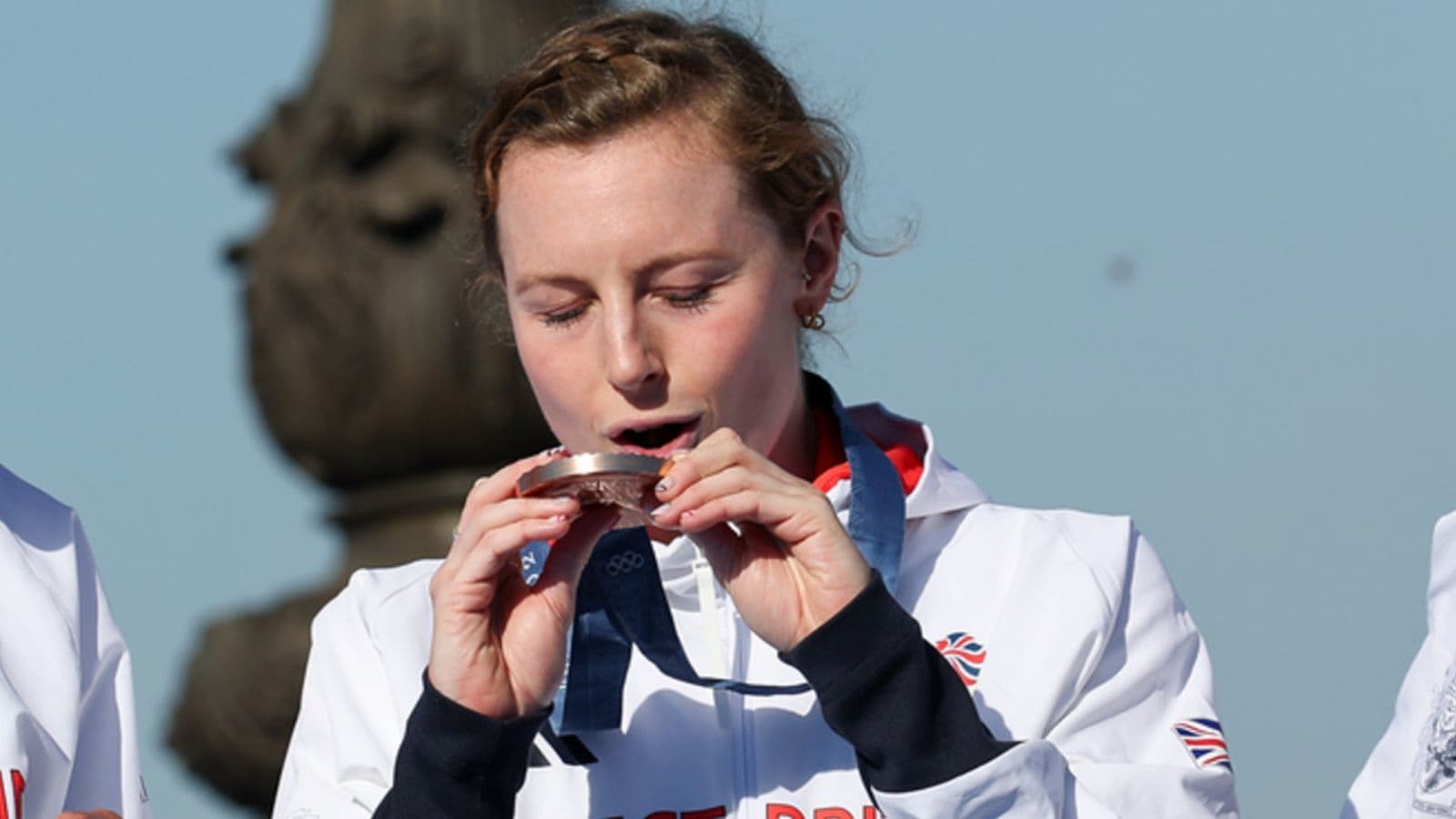


Watching Olympic triathletes race can make the sport look effortless. They swim with efficiency, ride with incredible bike-handling skills, and run at remarkable speeds immediately after leaving transition. While most age-group triathletes have different jobs, responsibilities, and training time available, there are still many lessons they can learn from elite athletes. Training like an Olympic triathlete doesn’t mean copying their 25 to 35-hour training weeks. Instead, it means adopting the principles that make elite athletes successful: consistency, purpose, technique, recovery, and smart planning. Here are the habits that Olympic-level triathletes use, and how everyday athletes can apply them.
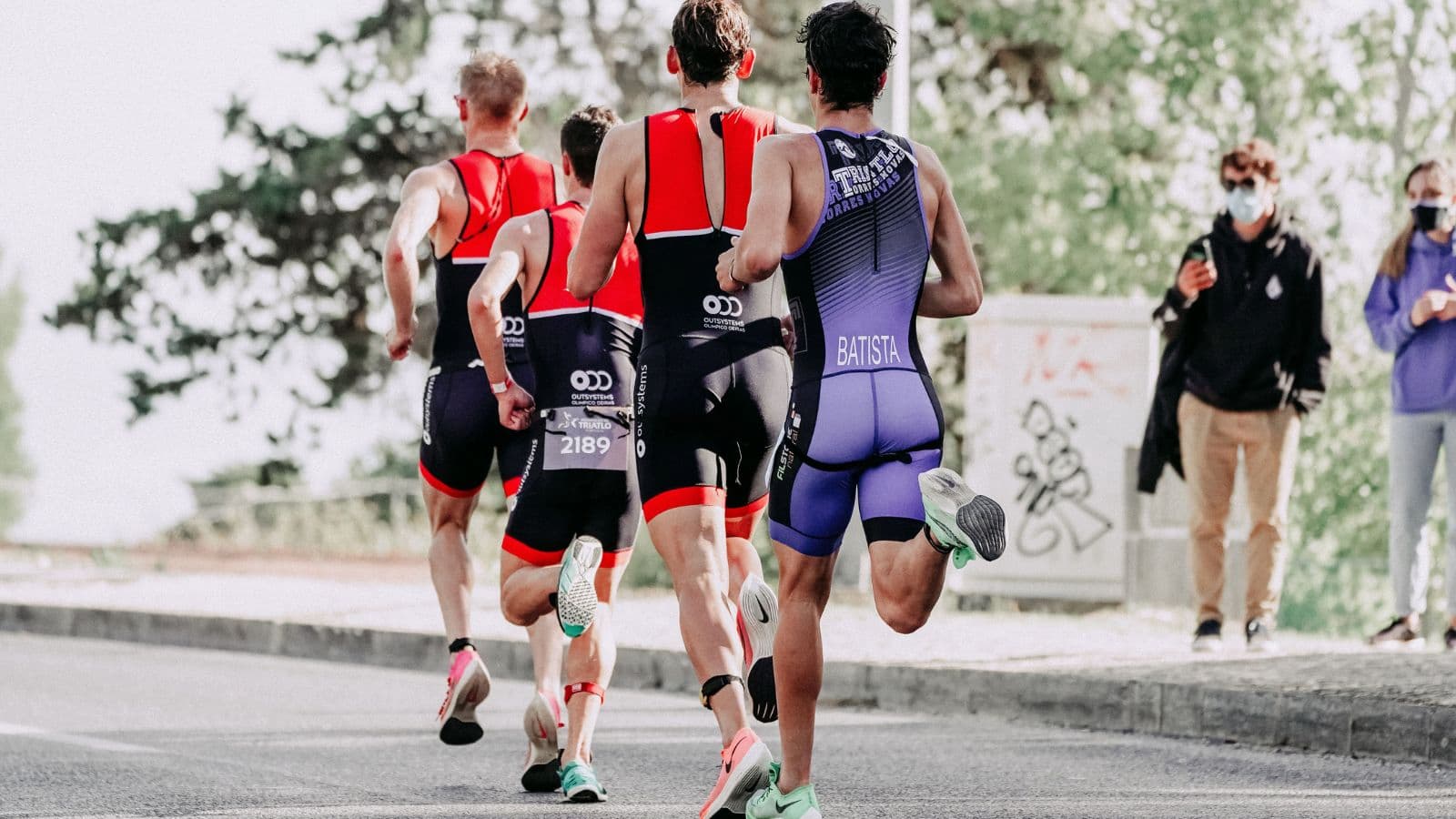
Build Consistency Before Volume
One of the biggest misconceptions is that Olympic triathletes succeed because they simply train more. In reality, they train consistently for years.
Instead of chasing occasional huge weeks, focus on:
- Regular training
- Sustainable progress
- Gradual improvements
Athletes who understand how can working professionals train for a 70.3 triathlon know that consistency almost always outperforms occasional high-volume training.
Master Swimming Technique
Elite triathletes don’t rely on fitness alone.
Their swimming efficiency allows them to:
- Conserve energy
- Reduce drag
- Exit the water fresher
Athletes who regularly perform pool drills to improve triathlon swim technique develop better mechanics before increasing training intensity. Good technique makes every stroke more effective.
Prioritize Aerobic Development
Olympic triathletes spend a large portion of their training building aerobic fitness.
Easy aerobic sessions:
- Improve endurance
- Enhance recovery
- Support long-term development
These workouts may feel simple, but they create the foundation for race-day performance.
Focus on Quality, Not Just Quantity
Elite athletes rarely complete sessions without a clear objective.
Each workout has a purpose, whether it’s improving:
- Speed
- Endurance
- Technique
- Recovery
Avoid training simply to accumulate hours. Purposeful sessions produce better results.
Practice Brick Sessions
Olympic triathletes regularly prepare for the bike-to-run transition.
Brick workouts help improve:
- Neuromuscular adaptation
- Pacing
- Running economy after cycling
Athletes who understand how do elite triathletes run fast after cycling know that running well after the bike is a trainable skill.
Improve Bike Handling
Elite racers are exceptional bike handlers.
They confidently:
- Corner
- Descend
- Brake
- Accelerate
Athletes who understand how can winter riding improve triathlon bike handling skills know that technical riding skills improve through deliberate practice rather than indoor training alone.
Strength Train Regularly
Most Olympic triathletes include strength training throughout the year.
Benefits include:
- Improved stability
- Better power production
- Reduced injury risk
- Enhanced movement quality
Strength complements endurance rather than replacing it.
Recover Like You Train
Elite athletes treat recovery as seriously as workouts.
Recovery includes:
- Sleep
- Nutrition
- Hydration
- Recovery weeks
Athletes who understand what does modern recovery look like for triathletes know that adaptation occurs after training—not during it.
Fuel Every Session Properly
Olympic triathletes don’t save good nutrition for race day.
They practice fueling during:
- Long rides
- Brick sessions
- Race simulations
Athletes who understand why are carbs important for recovery after a triathlon know that proper nutrition supports both performance and recovery.
Train Your Weakest Discipline
Elite athletes continually work on areas that need improvement.
If swimming limits your performance:
- Prioritize swim technique.
If running is your weakness:
- Build run durability.
Balanced improvement often produces greater overall gains than focusing only on strengths.
Develop Mental Resilience
Olympic racing demands composure under pressure.
Elite triathletes prepare mentally by learning to:
- Stay focused
- Manage discomfort
- Adapt during races
Athletes who understand how can triathletes overcome the “dark place” during a race know that resilience is developed during training as much as on race day.
Practice Race-Day Skills
Olympic triathletes rehearse:
- Transitions
- Nutrition
- Mounts and dismounts
- Equipment setup
These small details save valuable time and reduce mistakes during competition.
Use Technology Wisely
Elite athletes use training data to guide decisions, not control them.
They combine:
- Power
- Heart rate
- Pace
- Personal feedback
Athletes who understand are triathletes relying too much on training data know that experience and body awareness remain essential.
Adapt to Different Conditions
Olympic races rarely offer perfect conditions.
Elite athletes prepare for:
- Wind
- Rain
- Heat
- Cold
- Rough water
Athletes who understand what skills help triathletes adapt to changing open water conditions know that adaptability is one of the most valuable race-day skills.
Avoid Chasing Every Session
Not every workout should be a personal best.
Olympic athletes understand the importance of:
- Easy days
- Recovery
- Patience
Fitness develops through consistency rather than constantly pushing to exhaustion.
Think Long-Term
Elite careers are built over many years.
Rather than seeking immediate results, Olympic triathletes focus on:
- Gradual progression
- Healthy training
- Sustainable development
This mindset helps prevent burnout and injury.
Common Mistakes Age-Group Triathletes Make
Many athletes:
- Train too hard too often
- Skip recovery
- Ignore technique
- Neglect strength training
- Compare themselves to professionals
- Chase volume instead of consistency
- Underfuel workouts
- Focus on numbers rather than overall performance
These habits can limit long-term improvement.
How to Apply Olympic Training Principles?
You don’t need to train like a full-time professional to benefit from elite habits.
Instead:
- Train consistently
- Prioritize technique
- Build aerobic fitness
- Recover well
- Fuel properly
- Practice race skills
- Improve weaknesses
- Stay patient
Olympic triathletes succeed because they consistently execute the fundamentals at an exceptionally high level. By adopting those same principles within your own schedule and ability, you can continue improving without needing professional-level training hours.