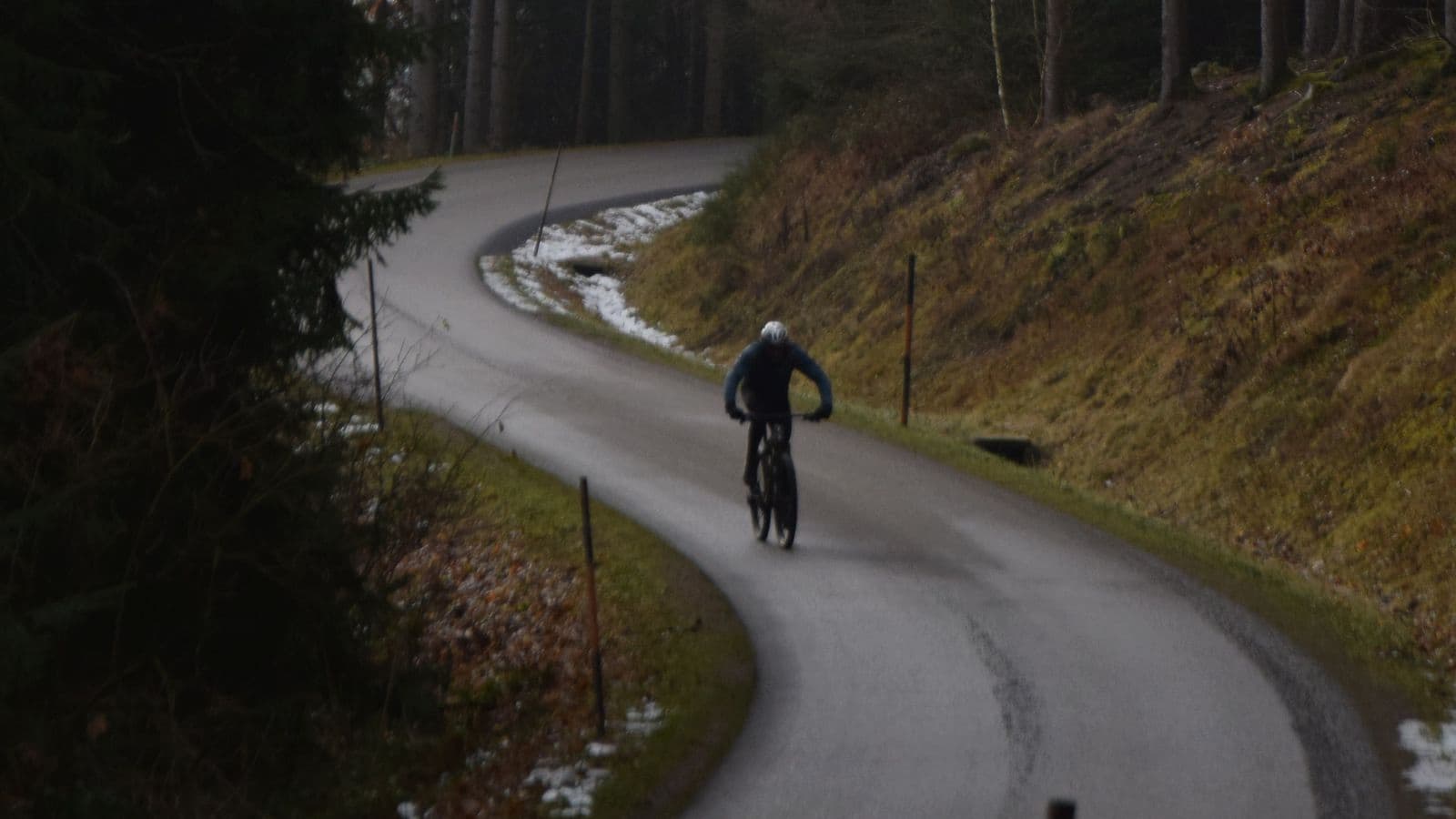


For many triathletes, winter is viewed primarily as a fitness-building season. Athletes focus on aerobic endurance, indoor trainer sessions, strength work, and preparing for the race calendar ahead. However, winter also provides an excellent opportunity to improve one of the most overlooked aspects of triathlon cycling performance: bike handling skills. While triathlon often emphasizes power output, aerodynamics, and endurance, effective bike handling can improve confidence, efficiency, safety, and overall race performance. Winter conditions naturally challenge riders in ways that summer riding often does not, creating valuable opportunities to develop skills that translate directly into faster and more controlled racing. Rather than avoiding winter conditions entirely, triathletes can use them strategically to become more complete cyclists.
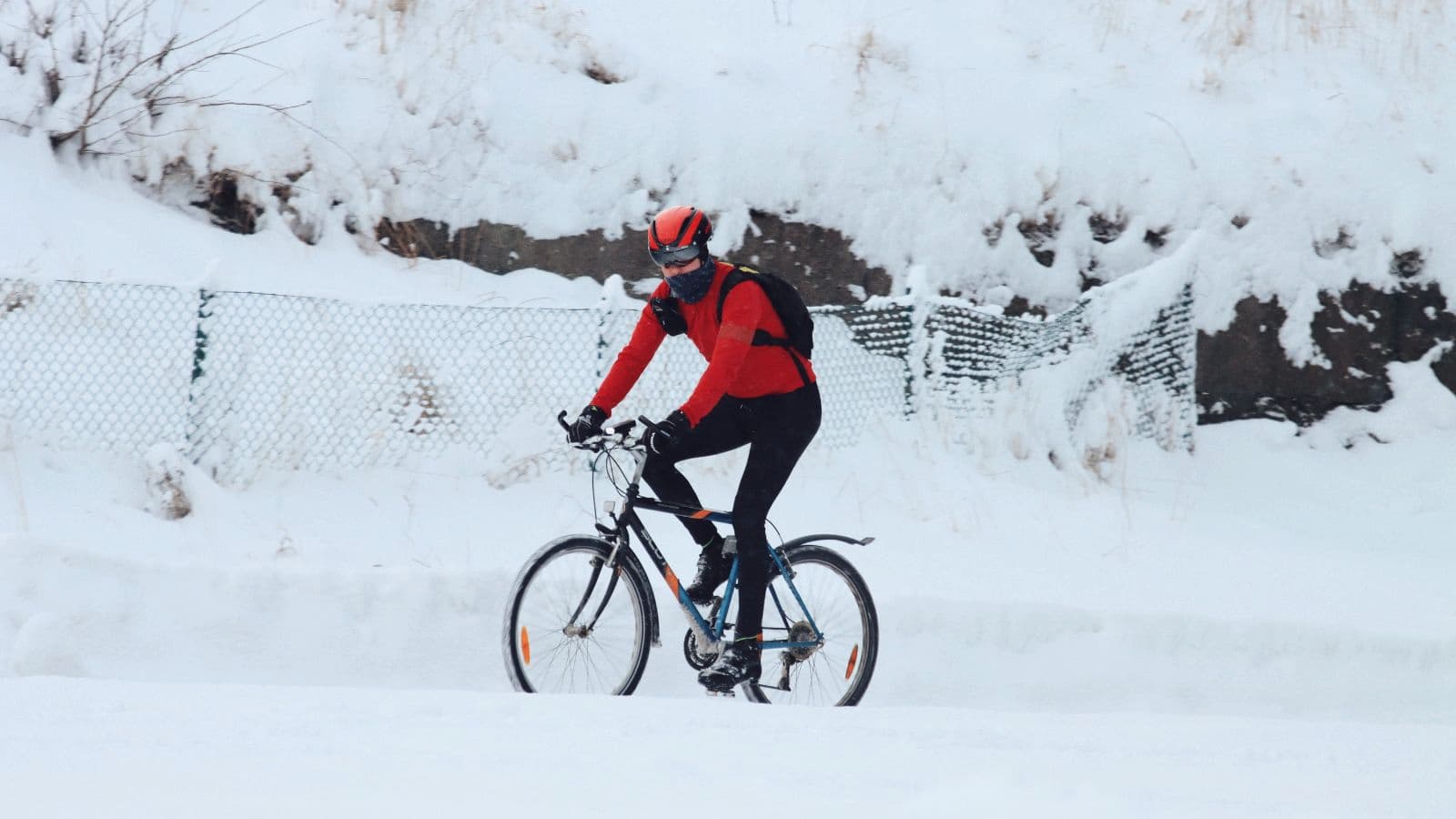
Winter Conditions Demand Better Bike Control
Cold temperatures, wet roads, fallen leaves, strong winds, and reduced daylight require cyclists to pay closer attention to their riding.
Winter riding often improves:
- Cornering awareness
- Braking control
- Line selection
- Balance
- Confidence
Athletes who understand what cycling drills help triathletes improve bike technique know that technical skills improve through deliberate practice rather than simply accumulating mileage.
Riding in Crosswinds Improves Stability
Winter frequently brings stronger winds than many athletes experience during summer training.
Crosswinds challenge cyclists to:
- Maintain stable positioning
- Relax upper-body tension
- Make smooth steering adjustments
Learning to ride confidently in windy conditions can prove invaluable during races where weather conditions are unpredictable.
Cornering Skills Improve Naturally
Wet roads encourage riders to become more conscious of cornering technique.
Winter riding teaches athletes to:
- Enter corners smoothly
- Brake before turning
- Maintain controlled body positioning
- Choose efficient lines
These skills can improve both safety and speed when racing on technical courses.
Better Braking Awareness
Many triathletes spend most of the racing season riding on dry roads.
Winter conditions force athletes to better understand:
- Braking distances
- Tire grip limitations
- Surface conditions
Athletes who understand how does bike-packing differ from traditional cycle touring know that varied riding environments often improve overall bike-handling confidence and adaptability.
Improved Balance and Coordination
Slippery surfaces require greater attention to balance.
Winter riding helps develop:
- Bike awareness
- Weight distribution
- Smooth control inputs
Small improvements in coordination can significantly improve confidence during races and training.
Lower Speeds Can Be Beneficial
Many cyclists associate progress with riding faster.
However, slower winter riding often allows athletes to focus on:
- Technique
- Positioning
- Bike control
without the pressure of maintaining race pace.
This creates ideal learning conditions.
Confidence Carries Into Race Season
One of the greatest benefits of winter riding is confidence.
Athletes who successfully handle:
- Wind
- Rain
- Cold temperatures
- Challenging road conditions
often feel more comfortable when race-day conditions become difficult. Athletes who understand how can triathletes overcome the “dark place” during a race know that confidence is often built through successfully overcoming challenging situations during training.
Aero Position Skills Improve
Many triathletes spend winter improving comfort in the aero position.
Winter rides can help athletes learn to:
- Maintain stability while aero
- Adjust safely when conditions change
- Transition smoothly between positions
The more comfortable athletes become handling their bikes in aero, the more efficiently they can ride during races.
Winter Encourages Better Road Awareness
Reduced visibility and changing conditions encourage cyclists to become more attentive.
Winter riding often improves:
- Hazard recognition
- Anticipation skills
- Situational awareness
These habits can reduce risk and improve decision-making year-round.
Handling Fatigue While Staying Smooth
Winter training frequently involves long aerobic rides.
Maintaining good technique while fatigued helps athletes:
- Improve efficiency
- Reduce unnecessary energy expenditure
- Maintain control late in races
Athletes who understand how can working professionals train for a 70.3 triathlon know that efficient use of training time often means developing multiple skills simultaneously.
Learning Traction Management
Road grip changes significantly during winter.
Riders learn to:
- Recognize slippery surfaces
- Adapt cornering speeds
- Apply power more smoothly
These skills improve bike handling in all conditions, not just winter.
Winter Builds Adaptability
Race-day conditions are rarely perfect. Athletes who train only in ideal environments may struggle when conditions deteriorate.
Winter riding helps cyclists adapt to:
- Variable weather
- Changing road surfaces
- Unexpected challenges
Adaptability is a valuable racing skill.
Better Weight Distribution
Many handling mistakes stem from poor weight distribution.
Winter conditions force riders to become more aware of:
- Front-wheel traction
- Rear-wheel grip
- Body positioning
Athletes who understand how does hip extension affect speed and efficiency in triathlon running know that body positioning influences efficiency across all disciplines, including cycling.
Group Riding Skills Improve
Winter club rides often require:
- Close attention
- Predictable movements
- Smooth bike control
These experiences can improve:
- Drafting awareness
- Confidence around other riders
- Bike handling under pressure
Even triathletes who race non-drafting events benefit from stronger handling skills.
Reduced Reliance on Indoor Training
Indoor trainers are valuable, but they cannot fully replicate:
- Cornering
- Descending
- Braking
- Wind management
Outdoor winter riding helps preserve these important skills throughout the off-season. Athletes who understand are triathletes relying too much on training data know that some aspects of performance can only be developed through real-world experience.
Strong Bike Handling Supports Faster Racing
The goal isn’t simply surviving winter rides.
Improved handling can help athletes:
- Corner more efficiently
- Maintain speed through technical sections
- Ride more confidently
- Conserve energy
Small technical gains often accumulate over the course of a race.
Winter Riding Reinforces Consistency
Athletes who continue riding through winter often develop stronger habits.
Consistent exposure to varied conditions builds:
- Skill
- Confidence
- Experience
Athletes who understand how should older triathletes stay motivated and train with intensity know that long-term progress often comes from staying engaged throughout the entire year rather than only during race season.
Common Winter Riding Mistakes
Many triathletes:
- Move all training indoors
- Avoid challenging conditions entirely
- Neglect handling skills
- Focus only on power numbers
- Ride with excessive tension
- Ignore braking practice
- Avoid cornering work
- Miss opportunities to build confidence
These habits can leave valuable performance gains untapped.
How Winter Riding Improves Bike Handling?
Triathletes can use winter riding to:
- Improve cornering
- Develop braking skills
- Increase stability in wind
- Enhance balance
- Build confidence
- Improve road awareness
- Practice traction management
- Strengthen overall bike control
Winter riding is about more than maintaining fitness. It offers a unique opportunity to develop technical cycling skills that many triathletes neglect during the racing season. Athletes who embrace challenging conditions often enter spring as stronger, safer, and more confident cyclists.