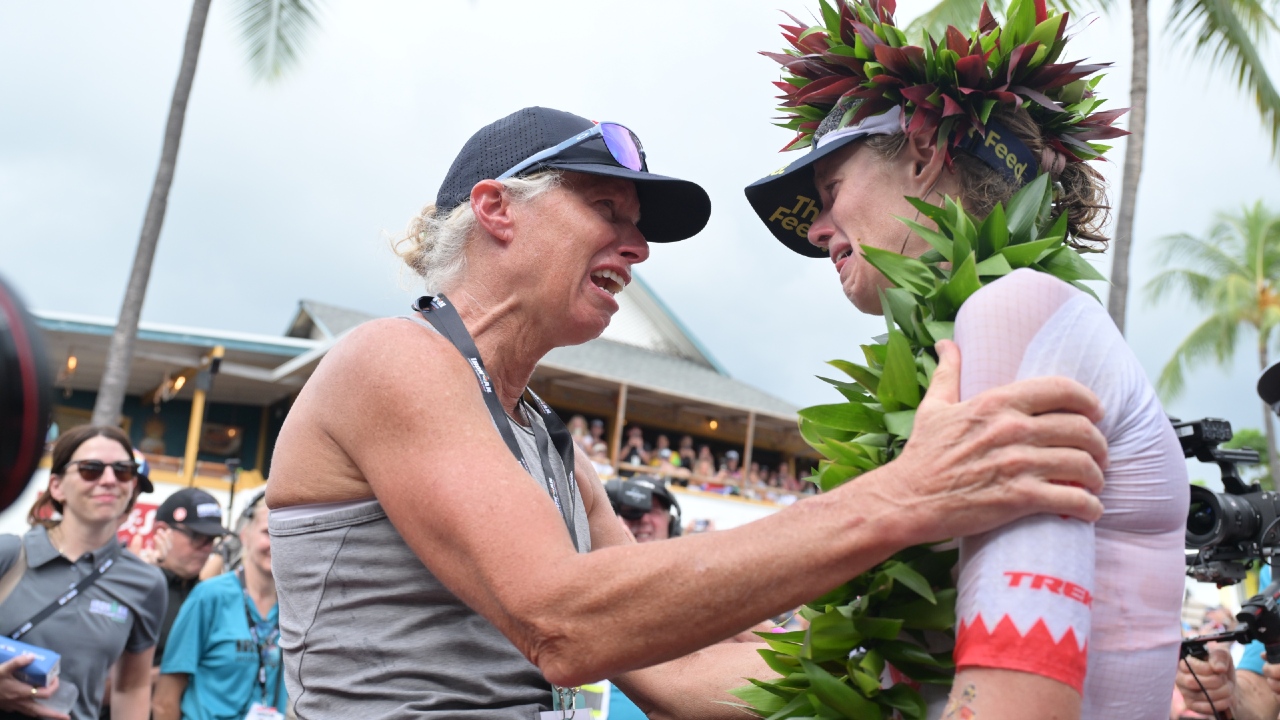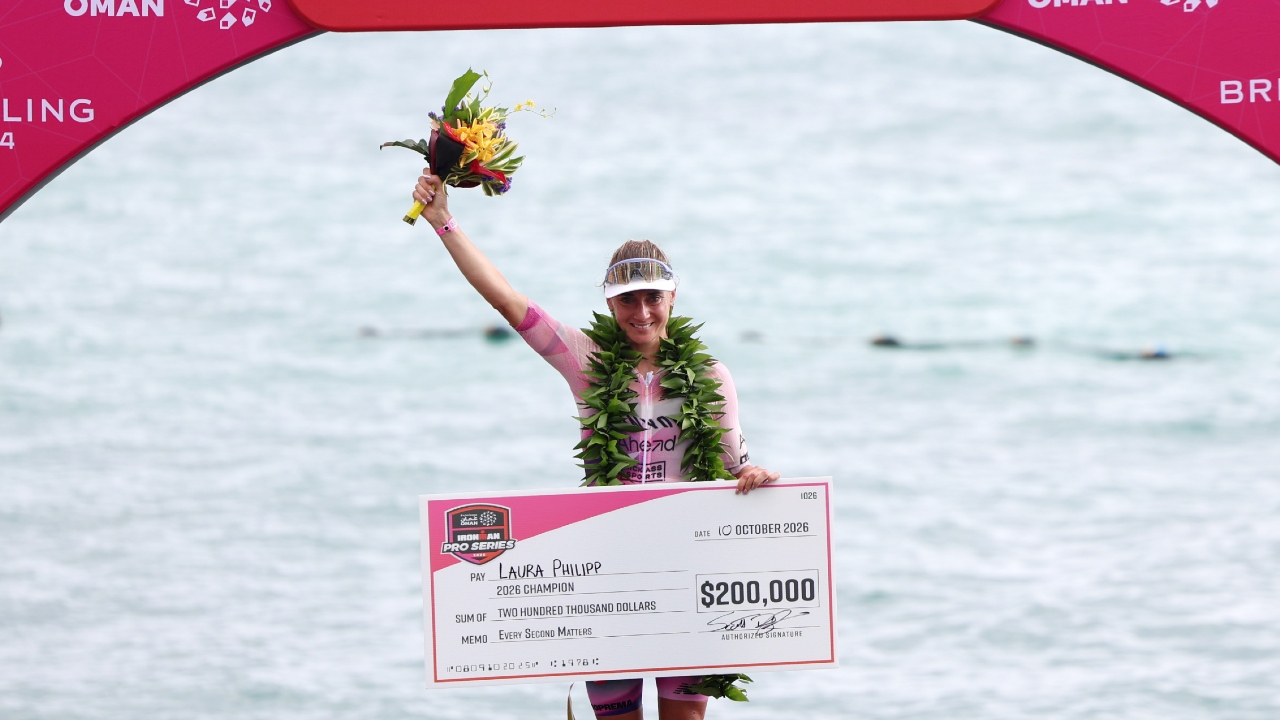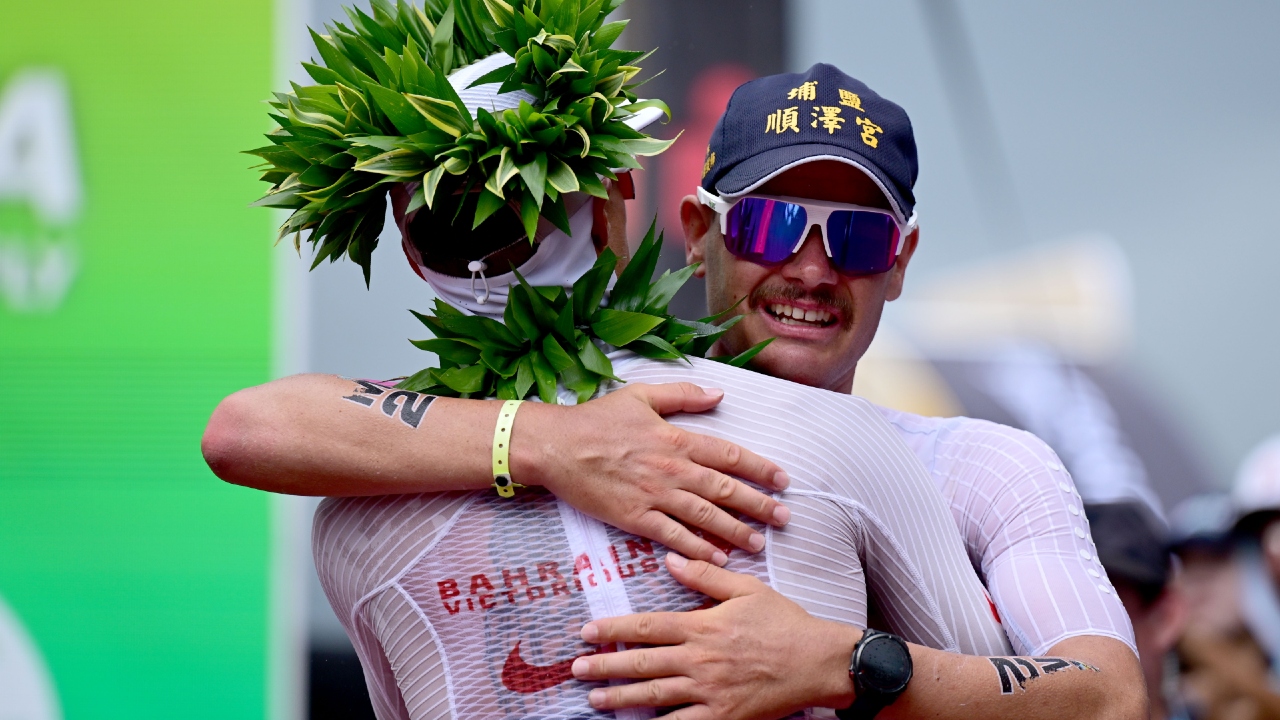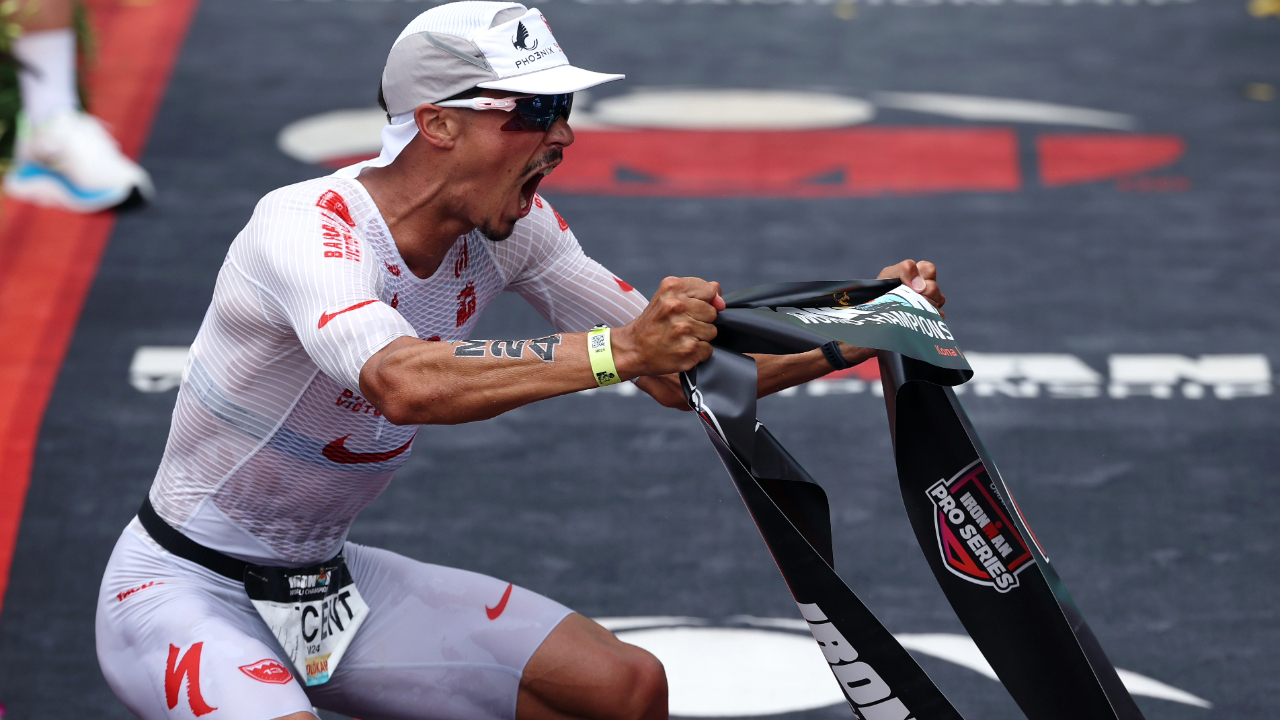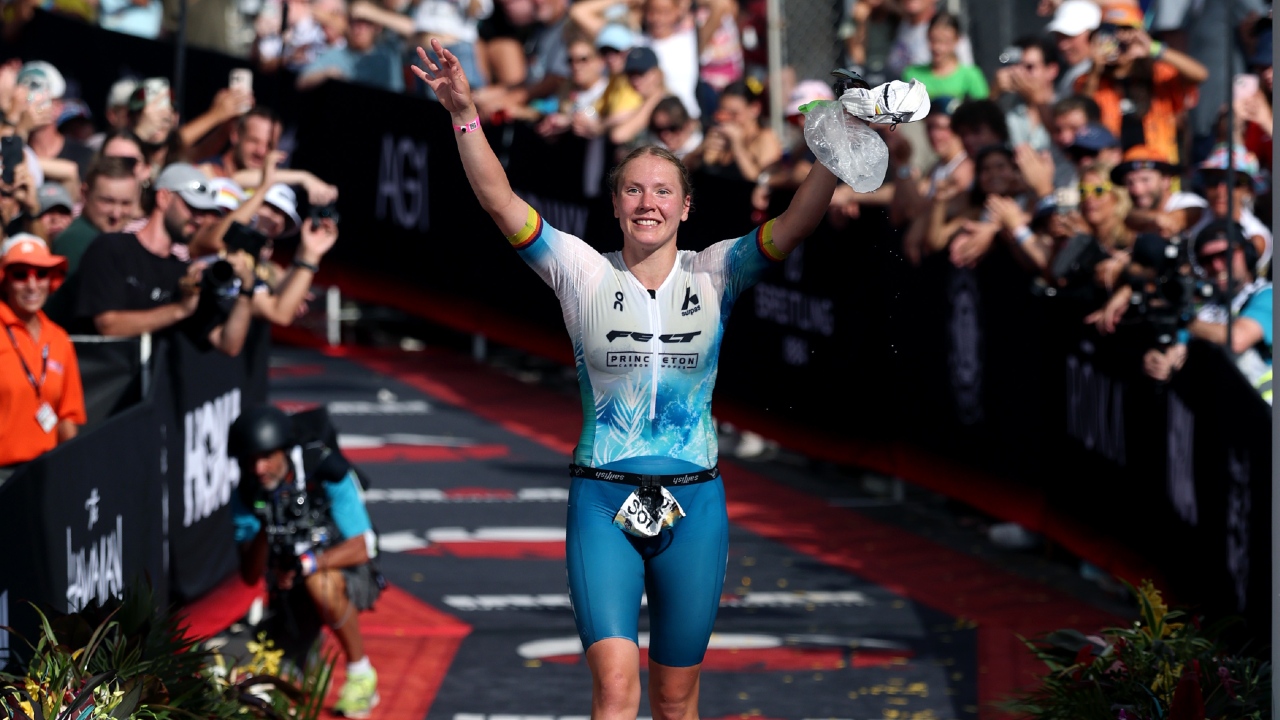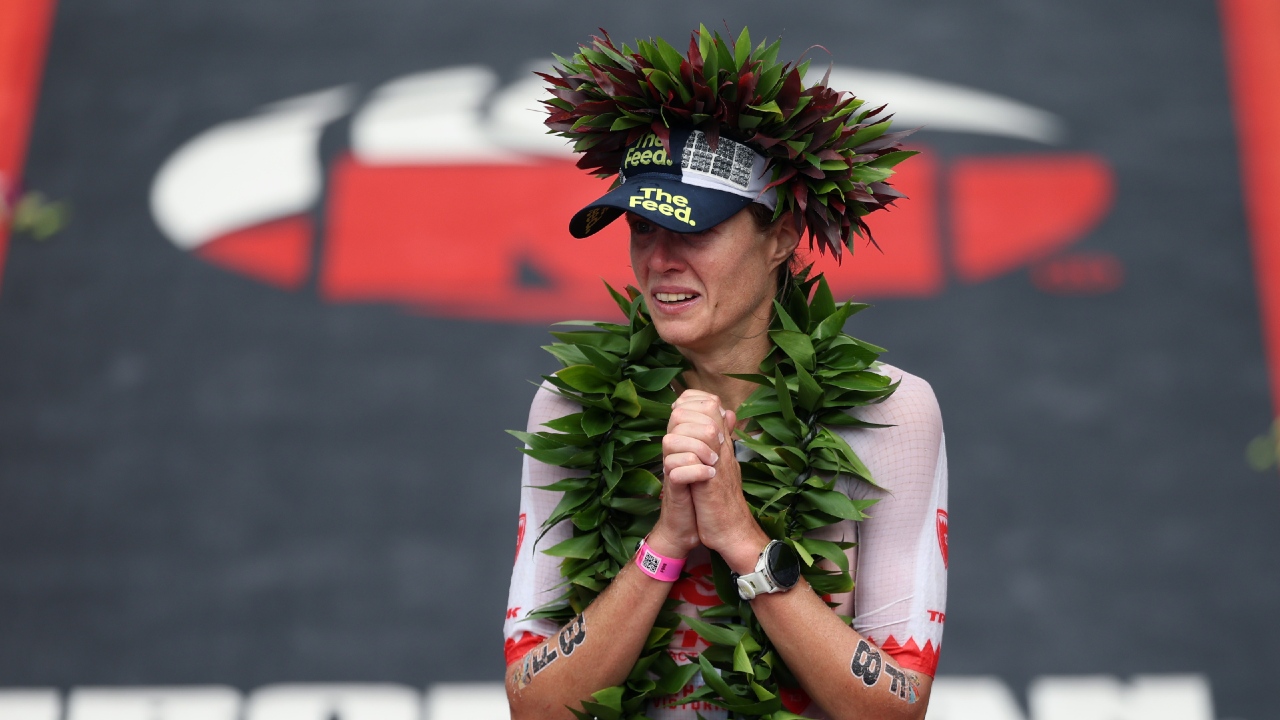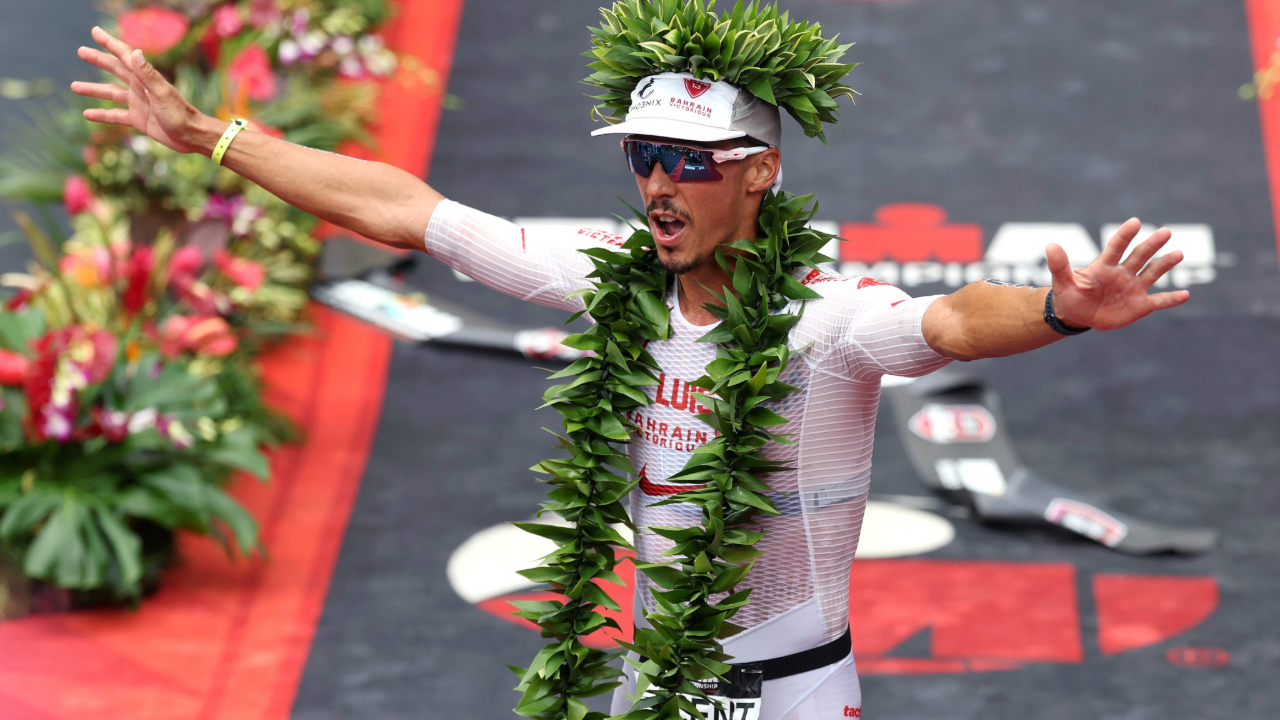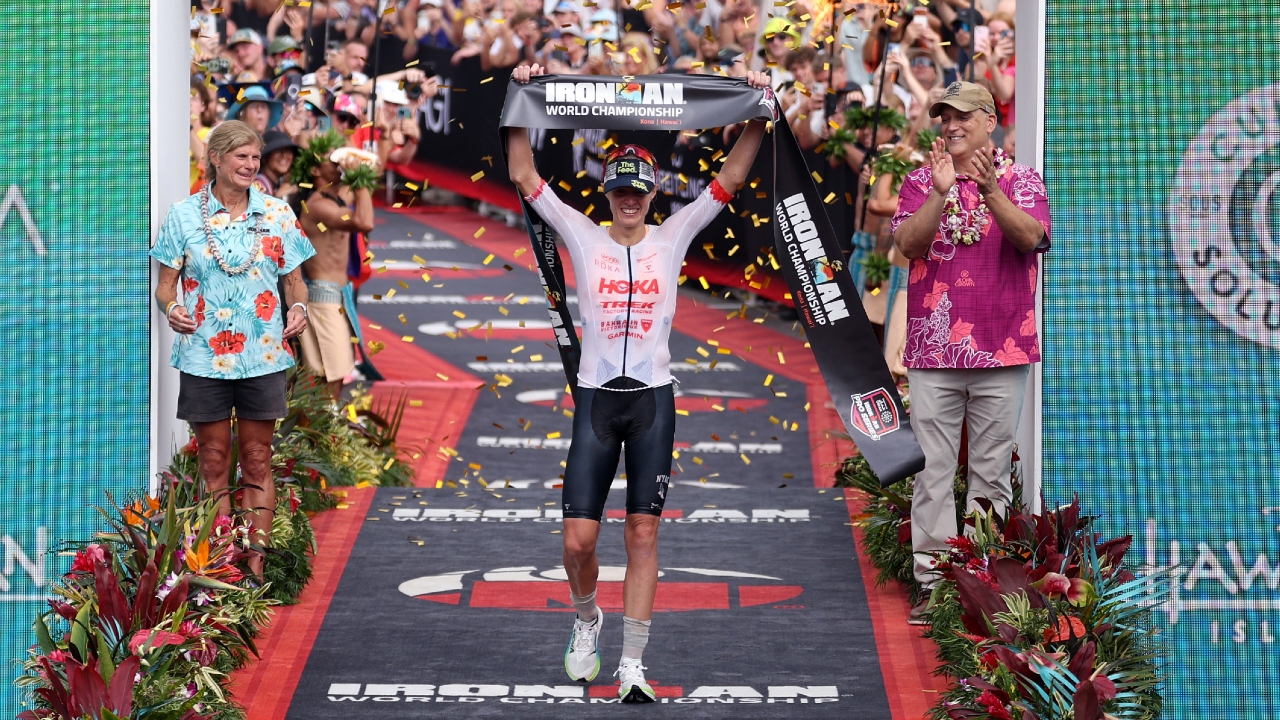

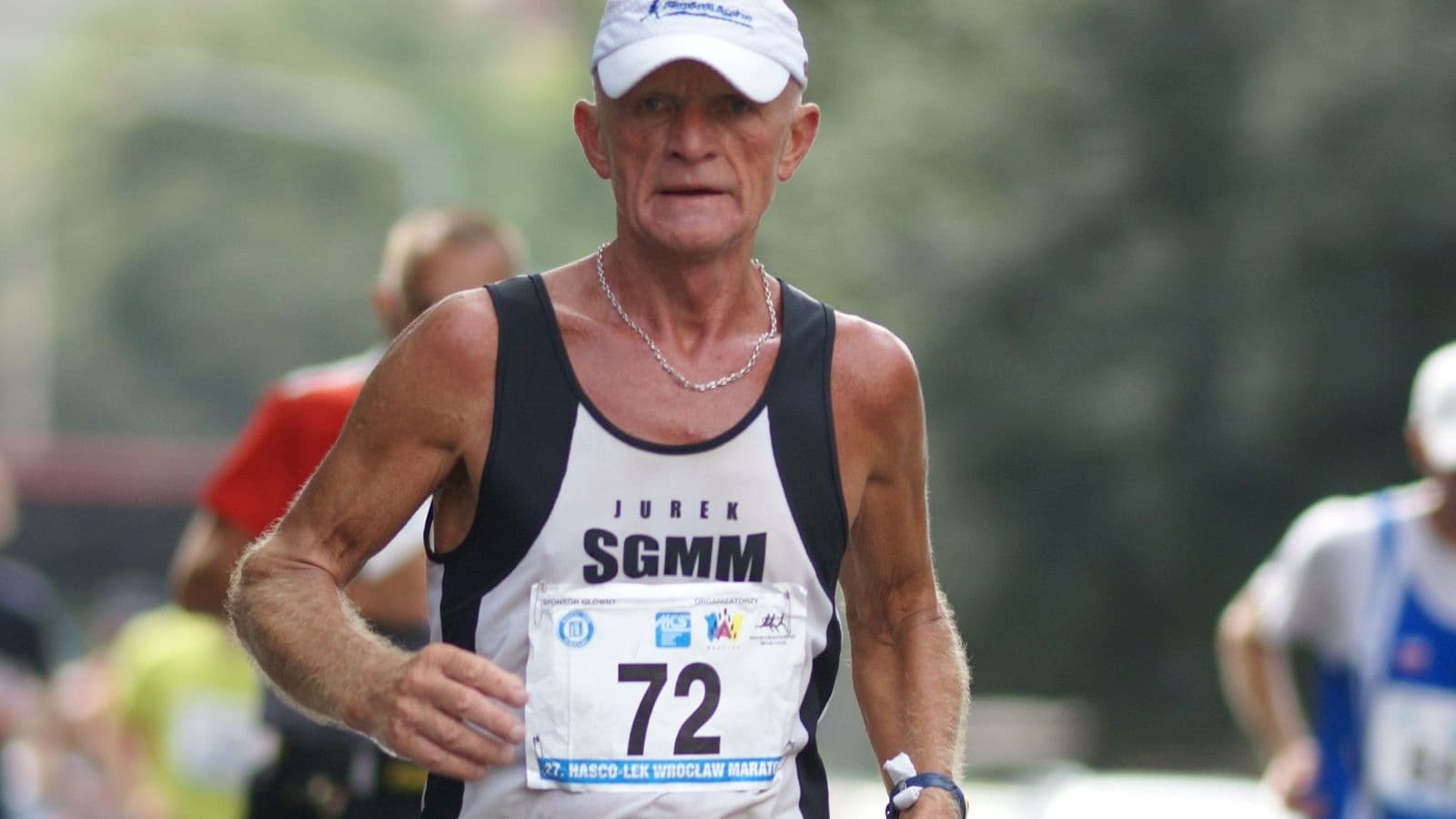
Age is often viewed as a barrier in endurance sports, but many triathletes continue to achieve impressive performances well into their 50s, 60s, and beyond. In fact, the sport of triathlon is filled with masters athletes who consistently demonstrate that smart training, strong habits, and a positive mindset can overcome many of the challenges associated with ageing. However, staying motivated and maintaining training intensity as the years pass requires a different approach than it did in your twenties or thirties. Recovery changes, life responsibilities evolve, and performance goals often shift. The key is learning how to adapt while continuing to challenge yourself in meaningful ways.
Accept That Goals May Change
One of the biggest mistakes older athletes make is comparing their current abilities to their younger selves.
While ambition remains valuable, motivation often improves when goals reflect:
- Current fitness
- Lifestyle demands
- Personal priorities
- Long-term health
Athletes who understand how to transition from a single-sport athlete to a triathlete often discover that progress can take many forms beyond simply chasing personal bests. Success evolves over time.
Focus on Consistency First
Intensity matters, but consistency remains the foundation of endurance performance.
Regular training helps maintain:
- Aerobic fitness
- Strength
- Mobility
- Confidence
Athletes who understand how can beginners progress from couch to triathlon know that long-term success comes from showing up regularly rather than relying on occasional heroic workouts. Consistency creates momentum.
Use Intensity Strategically
Many older triathletes can still perform high-quality workouts.
The difference is that intensity often requires:
- More recovery
- Better planning
- Greater attention to fatigue
Athletes who understand how does screen time affect the triathlon performance often realise that hard sessions are most effective when they are balanced with adequate recovery. Train hard when appropriate, not constantly.
Celebrate Performance at Every Age
Motivation often improves when athletes focus on:
- Personal progress
- Age-group achievements
- Consistent training habits
rather than comparing themselves to younger competitors. Every stage of life presents different challenges and opportunities. Recognising those accomplishments helps maintain enthusiasm.
Prioritise Recovery More Than Ever
As athletes age, recovery often becomes increasingly important.
Key recovery factors include:
- Sleep
- Nutrition
- Hydration
- Mobility work
- Recovery days
Athletes who understand what strategies should triathletes follow for a better recovery often find that improved recovery allows them to maintain higher-quality training sessions throughout the year.
Train With Purpose
Older athletes frequently benefit from focusing on quality over quantity.
Each workout should ideally have a clear objective:
- Endurance development
- Technique improvement
- Recovery
- Speed
- Strength
Purposeful training often feels more rewarding than simply accumulating hours.
Strength Training Becomes Essential
Strength training supports:
- Muscle preservation
- Bone health
- Injury prevention
- Power production
Athletes who understand how can triathletes treat shin splints often appreciate how strength work can improve durability and reduce the likelihood of overuse injuries. Strong athletes tend to remain active longer.
Find New Sources of Motivation
Not every goal has to involve racing. The main aim should be to stay motivated after the run.
Motivating objectives may include:
- Learning new skills
- Exploring new routes
- Improving technique
- Staying healthy
- Training with friends
Variety often helps maintain enthusiasm.
Train With Other Athletes
Community can be a powerful motivator.
Training partners provide:
- Accountability
- Encouragement
- Shared experiences
Athletes who understand what are the benefits of training with other triathletes often find that social connections help sustain motivation during difficult periods.
Adapt Rather Than Resist
The most successful older athletes embrace adaptation.
They adjust:
- Recovery expectations
- Training volume
- Workout structure
without abandoning their goals. Flexibility is often one of the greatest strengths of experienced athletes.
Focus on Technique Improvements
Technical gains can produce meaningful performance improvements without requiring additional fitness.
Areas worth developing include:
- Swim efficiency
- Bike position
- Running form
- Transition skills
Athletes who understand how do triathletes improve freestyle efficiency in open water know that technique improvements can save significant energy during races.
Protect Long-Term Health
Many older triathletes are motivated by more than race results.
Training supports:
- Cardiovascular health
- Mobility
- Independence
- Mental well-being
Keeping these benefits in mind can help maintain perspective during challenging training periods.
Use Mental Strategies to Stay Engaged
Motivation naturally fluctuates.
Successful athletes often use mental strategies such as:
- Process goals
- Positive self-talk
- Visualisation
- Gratitude
Athletes who understand what mindset helps triathletes perform at their best often recognise that mental training can be just as valuable as physical preparation.
Don’t Fear Taking Recovery Days
Some athletes worry that rest means losing fitness.
In reality, strategic recovery often helps:
- Prevent burnout
- Improve adaptation
- Support consistency
Athletes who understand do you lose brain fitness during a break from triathlon training know that short breaks rarely erase fitness but can significantly improve long-term performance.
Endurance Performance Can Continue Improving
Many endurance athletes continue setting personal bests in specific areas well beyond middle age.
Experience often brings:
- Better pacing
- Improved decision-making
- Stronger discipline
- Greater patience
These advantages can compensate for some physiological changes.
Common Motivation Mistakes Older Athletes Make
Many triathletes struggle because they:
- Compare themselves to younger versions of themselves
- Ignore recovery needs
- Train hard every day
- Focus solely on race results
- Neglect strength training
- Fear taking rest days
- Lose sight of enjoyment
- Set unrealistic expectations
Most of these issues can be corrected through smarter planning.
How Older Triathletes Can Stay Motivated and Train Hard?
Successful masters athletes often:
- Focus on consistency
- Use intensity strategically
- Prioritise recovery
- Set meaningful goals
- Maintain strength training
- Develop strong mental habits
- Embrace adaptation
- Enjoy the process
Age does not have to signal the end of ambitious triathlon goals. In many cases, it simply requires a smarter approach. Athletes who balance motivation, recovery, intensity, and enjoyment often continue performing at a remarkably high level for decades.