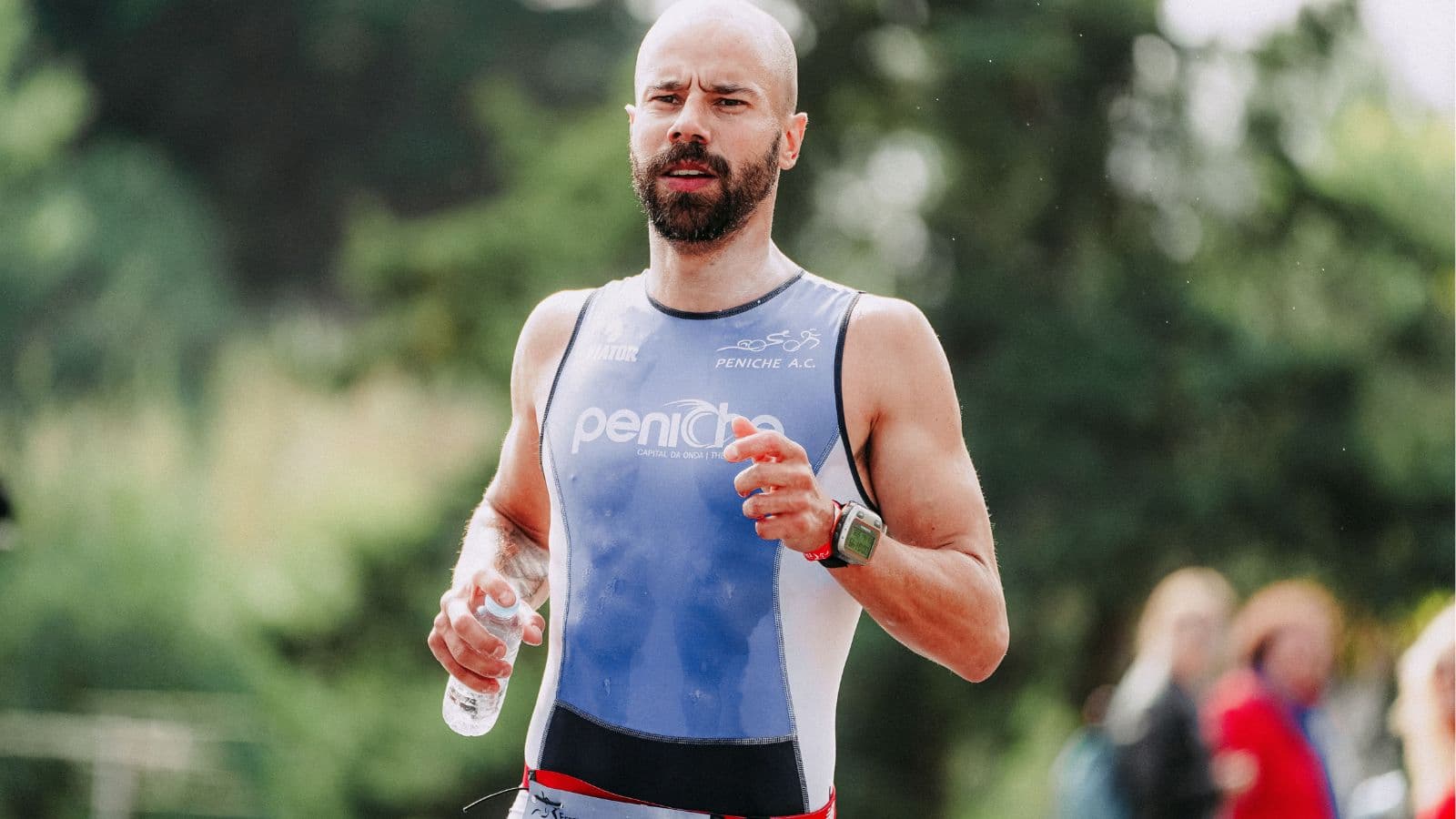


Completing a triathlon places significant demands on the body. Whether you’ve raced a sprint-distance event or crossed the finish line of an Ironman, your muscles, energy stores, and recovery systems have all been heavily taxed. While protein often receives most of the attention in post-race nutrition discussions, carbohydrates are equally important. In fact, one of the primary recovery priorities after a triathlon is replenishing the glycogen stores that were depleted throughout the swim, bike, and run. Understanding the role carbohydrates play in recovery can help triathletes recover faster, reduce fatigue, and prepare more effectively for future training and racing.

Triathlon Uses Large Amounts of Glycogen
Carbohydrates are stored in the body as glycogen.
These stores are located primarily in:
- Muscles
- Liver
During a triathlon, glycogen becomes one of the body’s main fuel sources. The longer and harder the race, the greater the depletion. Athletes who understand how do carbs affect fat burning during endurance training know that carbohydrates remain a critical energy source even when the body is also utilizing fat for fuel.
Recovery Starts With Refueling
One of the first priorities after a triathlon is restoring energy reserves.
Carbohydrates help:
- Replenish glycogen stores
- Restore available energy
- Support recovery processes
Without adequate carbohydrate intake, recovery may be slower and subsequent training sessions may feel more difficult.
Three Disciplines Create Greater Energy Demands
Unlike single-sport endurance events, triathlons combine:
- Swimming
- Cycling
- Running
This creates substantial cumulative energy expenditure. Athletes who understand staying on track after missing a workout know that managing training stress effectively often depends on proper recovery between sessions. Nutrition plays a major role in that process.
Carbs Help Restore Training Capacity
Most triathletes are not recovering simply to feel better.
They are recovering to:
- Resume training
- Maintain consistency
- Support long-term adaptation
Athletes who understand how can working professionals train for a 70.3 triathlon know that maximizing limited training time often requires recovering efficiently from every session.
Recovery Nutrition Supports the Run
Many triathletes notice fatigue most clearly during running. This is partly because running often occurs after energy stores have already been challenged during the swim and bike. Athletes who understand how do elite triathletes run fast after cycling know that energy management across all three disciplines plays a major role in overall performance. Proper carbohydrate intake helps restore what was used.
Carbs and Protein Work Together
Recovery is not about choosing carbohydrates or protein.
Both serve important functions:
- Carbohydrates restore glycogen
- Protein supports muscle repair
A balanced recovery meal often contains both nutrients. Focusing exclusively on protein while neglecting carbohydrates may limit recovery effectiveness.
Endurance Events Can Create Significant Depletion
The longer the race duration, the more important glycogen restoration becomes.
This is especially relevant following:
- Half-Ironman races
- Ironman events
- Long training days
- High-volume training blocks
Athletes who understand how to balance triathlon training with ultrarunning know that endurance sports place substantial demands on energy availability.
Carbohydrates May Help Reduce Post-Race Fatigue
Post-race fatigue is influenced by many factors.
However, restoring glycogen stores may help athletes:
- Feel more energized
- Recover more effectively
- Return to training sooner
Proper fueling supports the body’s natural recovery processes.
Recovery Becomes More Important With Age
As athletes get older, recovery often requires greater attention. Athletes who understand how should older triathletes stay motivated and train with intensity know that smart recovery strategies become increasingly valuable for maintaining consistent performance. Nutrition remains one of the most controllable recovery variables.
Timing Can Be Helpful
The body is particularly effective at replenishing glycogen after exercise. While there is no need to panic about an exact recovery window, consuming carbohydrates relatively soon after racing can help initiate recovery.
Common carbohydrate sources include:
- Fruit
- Rice
- Potatoes
- Oats
- Whole grains
The best option is often one that is practical and well tolerated.
Recovery Supports Future Adaptation
Training and racing create stress. Improvement occurs when the body adapts to that stress. Athletes who understand how can triathletes reduce triathlon fatigue and run stronger know that recovery is not separate from performance, it is part of the performance process. Carbohydrates help support that adaptation.

Long-Term Consistency Matters Most
One recovery meal will not determine success. However, consistent nutritional habits accumulated over months and years can have a meaningful impact. Athletes who understand how to adapt to a triathlon training plan while traveling know that maintaining good habits under different circumstances often contributes to long-term success.
Carbs Support Recovery Between Training Sessions
Many triathletes train multiple times per day. In these situations, glycogen replenishment becomes particularly important.
Athletes may need to recover from:
- Morning swims
- Afternoon rides
- Brick workouts
- Long weekend sessions
Adequate carbohydrate intake helps support these demands.
Recovery Is About More Than Muscles
Many athletes associate recovery only with muscle soreness.
In reality, recovery also involves:
- Energy restoration
- Nervous system recovery
- Hormonal balance
- Immune function
Carbohydrates contribute to several of these processes by helping restore energy availability.
Race-Day Fueling Influences Recovery Too
Recovery begins before the finish line. Athletes who fuel effectively during racing often arrive at the finish with less severe glycogen depletion. Athletes who understand post race depression in triathletes know that performance depends on preparation and execution across multiple areas, not just fitness alone.
Avoid Unnecessary Carbohydrate Restriction
Some endurance athletes mistakenly view carbohydrates as something to avoid.
However, carbohydrates remain:
- A key performance fuel
- An important recovery nutrient
- A valuable training tool
The goal is not elimination but appropriate use.
Recovery Works Best as a System
Carbohydrates are important, but they are only one part of recovery.
Effective recovery also includes:
- Sleep
- Hydration
- Stress management
- Appropriate training loads
Athletes who understand are triathletes relying too much on training data know that successful recovery often involves balancing objective information with practical experience.
Common Recovery Nutrition Mistakes
Many triathletes:
- Focus only on protein
- Delay eating excessively
- Underfuel after races
- Restrict carbohydrates unnecessarily
- Ignore hydration
- Neglect post-race nutrition
- Underestimate race energy demands
- Assume recovery happens automatically
These mistakes can slow recovery and reduce training quality.
How Carbs Help Triathlon Recovery?
Triathletes can improve recovery by:
- Replenishing glycogen stores
- Consuming carbohydrates after racing
- Combining carbs with protein
- Supporting energy restoration
- Refueling after long sessions
- Maintaining consistent nutrition habits
- Matching intake to training demands
- Prioritizing overall recovery
Carbohydrates are one of the most important recovery tools available to triathletes. By helping restore depleted energy stores and preparing the body for future training, they play a central role in maintaining performance, consistency, and long-term progression.