

Travel can be one of the biggest challenges for triathletes. Whether you’re travelling for work, family commitments, holidays, or competitions, being away from your normal training environment can disrupt routines, limit access to facilities, and make it difficult to follow a structured plan. The good news is that a few days, or even a few weeks, of modified training rarely ruins fitness. In fact, learning how to adapt while travelling is a valuable skill that many successful triathletes develop over time. Rather than trying to force your usual schedule into an unfamiliar environment, the key is adjusting your training intelligently while maintaining consistency where possible.
Accept That the Plan May Need to Change
One of the biggest mistakes triathletes make when travelling is trying to follow their training plan exactly as written.
Travel often brings:
- Different schedules
- Limited equipment
- Fatigue
- Time-zone changes
- Family or work obligations
Athletes who understand how can triathletes stay on track after missing a workout often recognise that flexibility is more important than perfection.
A modified session is usually better than a skipped week.
Prioritise Key Workouts
When training time is limited, focus on the sessions that provide the greatest benefit.
These may include:
- Long runs
- Key bike workouts
- Race-specific sessions
- Technique-focused swims
Athletes who understand how to train for your first 70.3 triathlon in 20 weeks know that not every workout carries the same importance.
Protect the sessions that matter most.
Focus on Consistency Rather Than Volume
Travel often reduces available training time. Instead of trying to cram extra hours into busy days, focus on maintaining regular activity.
Even shorter workouts can help preserve:
- Aerobic fitness
- Routine
- Confidence
- Momentum
Athletes who understand what are adaptations in a triathlon training plan know that consistent training stimuli often matter more than occasional massive sessions.
Use Running as Your Most Portable Discipline
Running is often the easiest discipline to maintain while travelling.
All you typically need is:
- Running shoes
- Appropriate clothing
- A safe route
Athletes who understand how can runners prevent lightheadedness after workouts often appreciate that even short runs can provide valuable aerobic benefits when access to bikes or pools is limited.
Running can become the backbone of travel training.
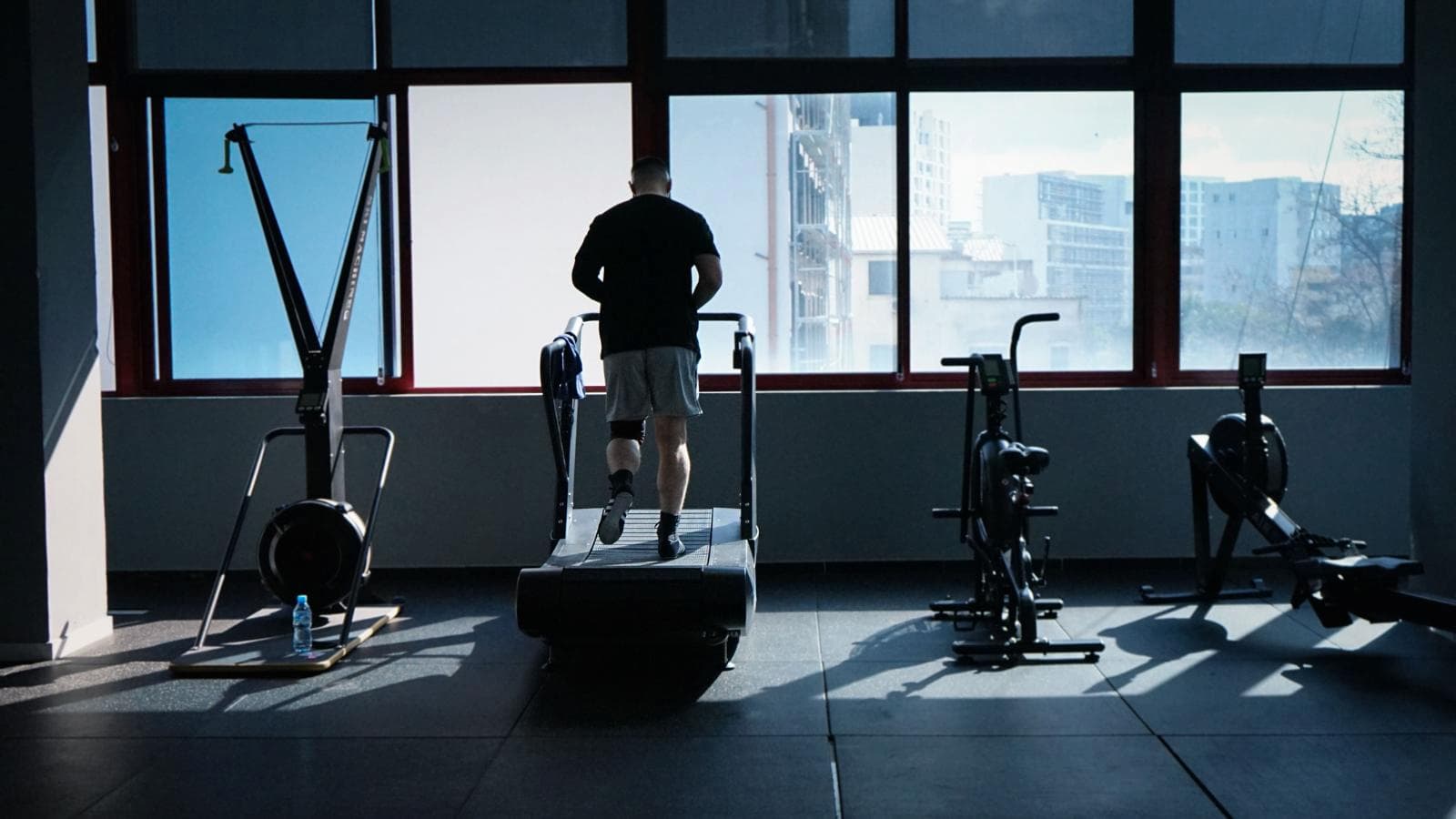
Embrace Hotel and Gym Equipment
Many hotels provide access to:
- Treadmills
- Stationary bikes
- Fitness centres
While these options may not perfectly replicate outdoor training, they can help maintain fitness. Athletes who understand how can working professionals train for a 70.3 triathlon often use similar time-efficient strategies to fit training around busy schedules.
The goal is maintaining momentum.
Plan Ahead Before You Travel
Preparation often determines success.
Before leaving, consider:
- Hotel facilities
- Nearby running routes
- Local pools
- Bike rental options
Athletes who understand how to transition from a single-sport athlete to a triathlete often appreciate that planning reduces uncertainty and improves consistency.
A little research can go a long way.
Use Travel as an Opportunity for Recovery
Not every travel period needs to be a high-volume training block.
In some cases, reduced training can function as:
- Recovery
- Regeneration
- Mental refreshment
Athletes who understand what strategies should triathletes follow for a better recovery often realise that occasional lower-volume periods can support long-term progress.
Rest can be productive too.
Adapt Swimming Expectations
Swimming is often the most difficult discipline to maintain while travelling.
Access to pools may be:
- Limited
- Inconvenient
- Non-existent
If swimming opportunities are unavailable, focus on:
- Mobility work
- Strength exercises
- Other aerobic sessions
Athletes who understand how do triathletes improve freestyle efficiency in open water know that technique and feel for the water are important, but a brief reduction in swim volume is rarely catastrophic.
Indoor Cycling Can Save a Training Week
Many cyclists travel without their bikes. Fortunately, indoor bikes can provide effective alternatives.
Hotel gym bikes may help maintain:
- Aerobic fitness
- Leg conditioning
- Training routine
Athletes who understand how to increase cycling power without burning out often focus on workout quality rather than obsessing over equipment.
Fitness can still improve indoors.
Manage Travel Fatigue
Travel itself can be physically demanding.
Factors such as:
- Long flights
- Jet lag
- Poor sleep
- Dehydration
may influence training quality. Athletes who understand how does glucose monitoring affect training and recovery in a triathlon often appreciate how energy management affects performance.
Sometimes recovery should take priority over training.
Strength Training Becomes Valuable
When access to swim and bike facilities is limited, strength training can help fill the gap.
Useful exercises may target:
- Core stability
- Glutes
- Legs
- Upper body
Strength sessions can help maintain athleticism while travelling.
Don’t Stress About Missing a Few Sessions
Many athletes become anxious after missing workouts during a trip.
In reality:
- Fitness declines gradually
- Short breaks are normal
- Recovery can be beneficial
Athletes who understand do you lose brain fitness during a break from triathlon training often recognise that confidence sometimes suffers more than actual fitness.
A few missed sessions rarely erase months of training.
Time-Zone Changes Require Flexibility
International travel can affect:
- Sleep
- Recovery
- Energy levels
Athletes may need to adjust:
- Workout timing
- Intensity
- Expectations
The smartest approach is often listening to the body rather than forcing a rigid schedule.
Use Short Workouts Effectively
Even 20–40 minutes can provide meaningful benefits.
Examples include:
- Tempo runs
- Treadmill intervals
- Stationary bike sessions
- Strength circuits
Athletes who understand what mindset helps triathletes perform at their best often focus on doing what they can rather than worrying about what they cannot.
Consistency matters.
Maintain Nutrition and Hydration
Travel can disrupt normal eating patterns.
Challenges often include:
- Restaurant meals
- Airport food
- Irregular meal times
Athletes who understand how to avoid rehydration mistakes after a triathlon often appreciate that nutrition and hydration become even more important when travel stress is added to training stress.
Fueling supports adaptation.
Common Travel Training Mistakes
Many triathletes create unnecessary problems by:
- Trying to follow the plan exactly
- Skipping recovery
- Ignoring travel fatigue
- Panicking about missed workouts
- Neglecting hydration
- Avoiding alternative training options
- Failing to plan ahead
- Comparing travel training to normal training
Most of these mistakes are avoidable.
How to Adapt Successfully While Traveling?
Triathletes can stay on track by:
- Remaining flexible
- Prioritising key workouts
- Running regularly
- Using available facilities
- Managing recovery carefully
- Maintaining nutrition habits
- Planning ahead
- Focusing on consistency rather than perfection
Travel does not have to derail triathlon preparation. Athletes who learn to adapt rather than resist changing circumstances often emerge from travel periods fitter, fresher, and more confident in their ability to handle unexpected challenges.