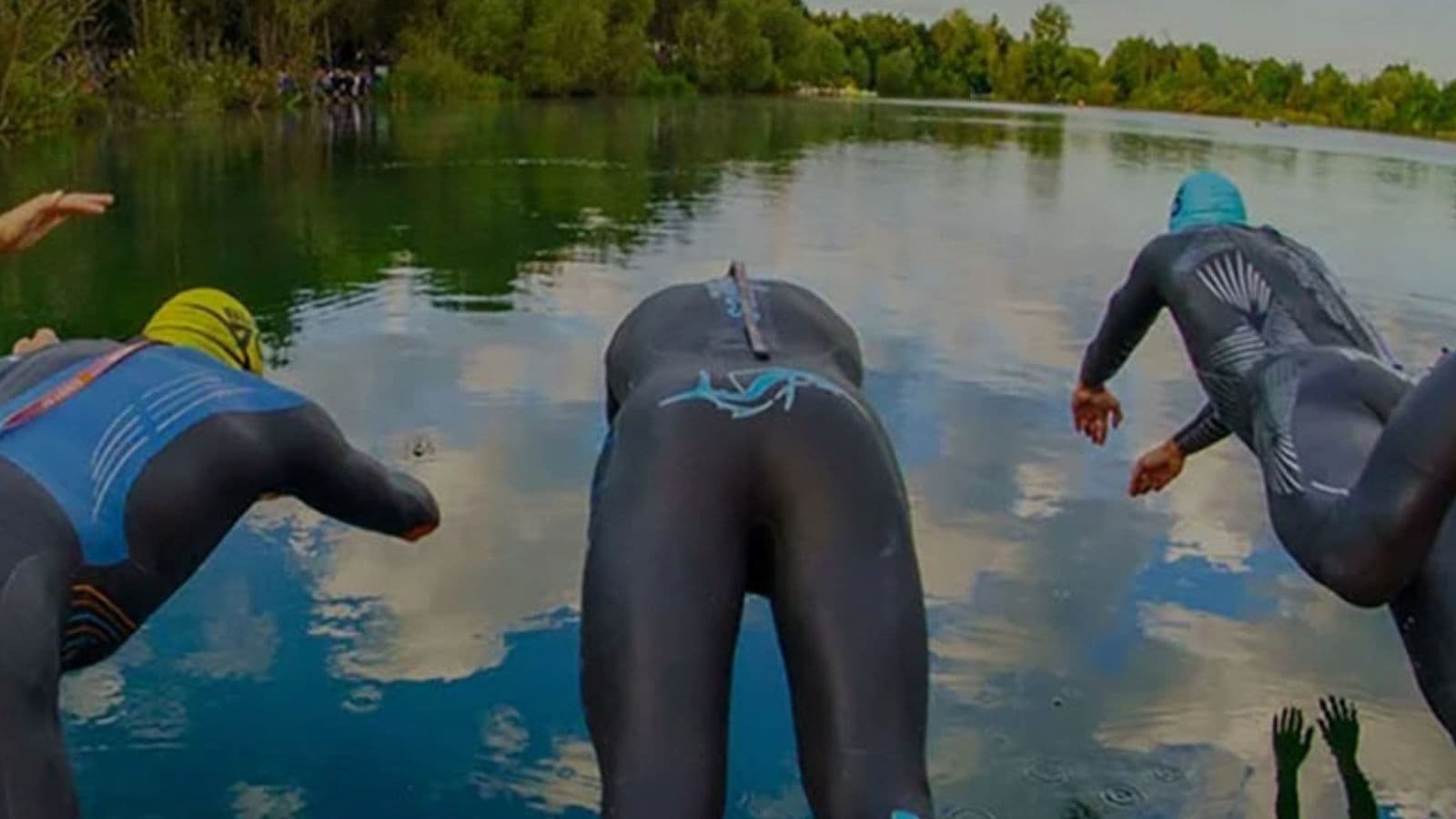


A powerful swim pull is one of the biggest differences between efficient and inefficient triathlon swimmers. While many athletes focus on kicking harder or increasing their stroke rate, most propulsion in freestyle comes from an effective catch and pull through the water. Improving your swim pull isn’t about using more force. It’s about positioning your hand and forearm correctly, engaging the larger muscles of your upper body and maintaining pressure on the water throughout each stroke. A more effective pull helps you swim faster while conserving energy for the bike and run.
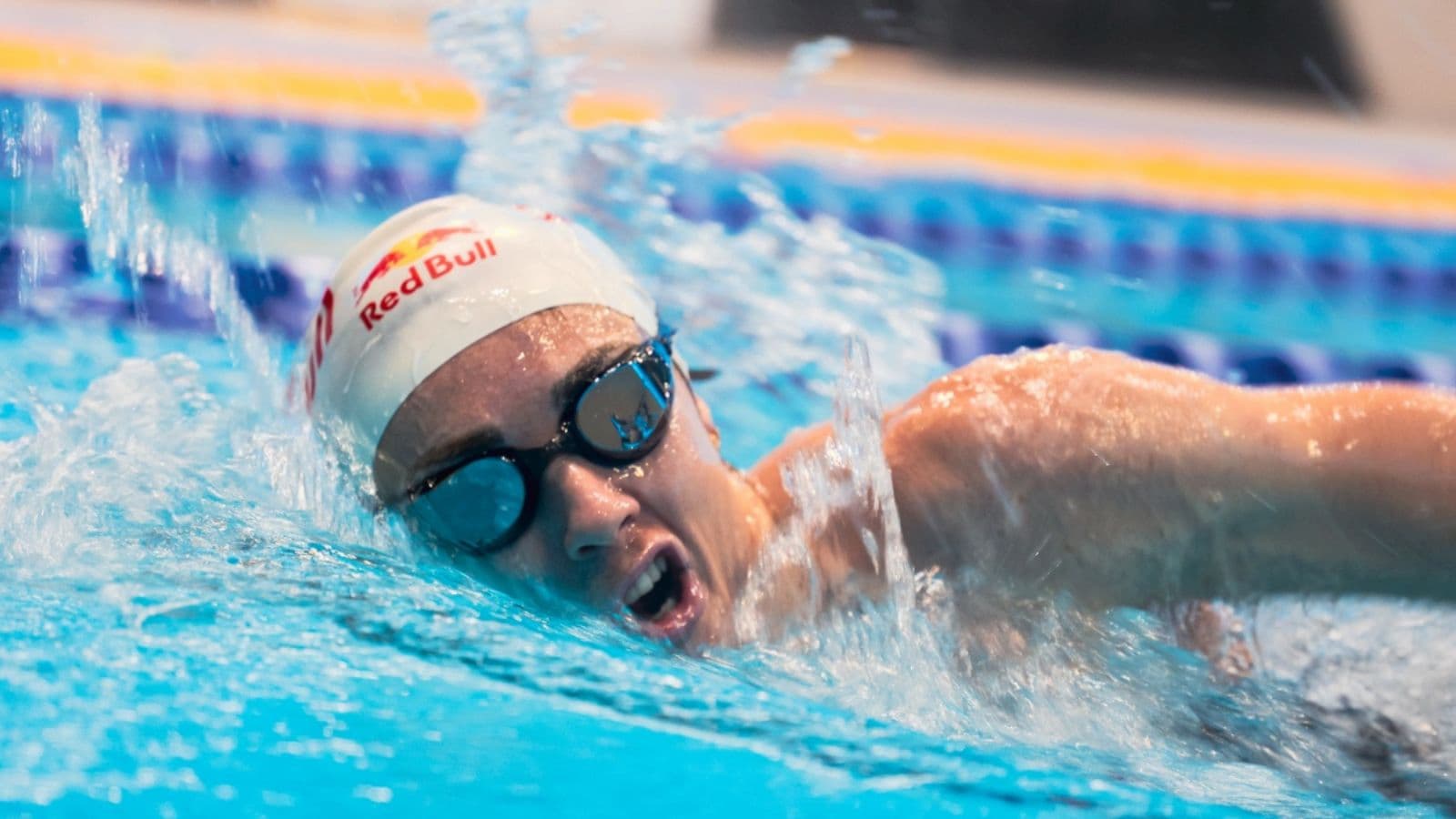
What Is the Swim Pull?
The pull is the underwater phase of your freestyle stroke that begins after your hand enters the water.
It includes:
- The catch.
- Early vertical forearm.
- Pull-through.
- Push past the hip.
- Recovery preparation.
Each phase contributes to forward propulsion. A poor pull allows water to slip past your hand, while an efficient pull moves your body forward with every stroke.
Start With a Better Catch
The catch determines how much water you can hold during the stroke.
Instead of pulling immediately downward:
- Reach forward.
- Keep your elbow high.
- Rotate the forearm downward.
- Press backward against the water.
Think about anchoring your hand in the water while your body moves over it. Many athletes improve this skill through how to improve freestyle efficiency in open water, where a stronger catch becomes even more valuable in race conditions.
Develop an Early Vertical Forearm
An early vertical forearm (EVF) allows your forearm to act like a paddle.
Benefits include:
- More propulsion.
- Better grip on the water.
- Reduced slipping.
- Improved efficiency.
Avoid dropping your elbow, as this reduces the amount of water you can pull.
Pull Back, Not Down
One of the most common mistakes is pushing downward instead of backwards. Your force should move the water behind you.
Focus on:
- Pressing straight back.
- Maintaining a high elbow.
- Keeping pressure throughout the stroke.
- Finishing near the hip.
This creates forward movement rather than lifting your body unnecessarily.
Engage Your Lats
Many swimmers rely almost entirely on their shoulders and arms.
Instead, activate your:
- Latissimus dorsi.
- Core.
- Chest.
- Serratus muscles.
These larger muscle groups produce more power while reducing shoulder fatigue and preventing swimmer’s shoulder. A strong body rotation naturally helps recruit these muscles.
Rotate Your Body Properly
The pull becomes stronger when it’s combined with body rotation.
Aim to:
- Rotate through your hips.
- Rotate through your shoulders.
- Keep your head stable.
- Maintain a streamlined position.
Rotation allows stronger muscle recruitment without increasing effort. Many triathletes develop this coordination during how to train for open water swimming in 8 weeks, where efficient rotation is essential for longer swims.
Finish Every Stroke
Many athletes remove their hand too early.
Instead:
- Continue pushing until your hand passes your hip.
- Finish the stroke completely.
- Relax during recovery.
Completing the stroke increases propulsion without increasing stroke rate. Stroke counting can help triathletes improve swimming efficiency during pool training
Reduce Unnecessary Kick Dependence
Triathletes should avoid relying on a powerful kick for propulsion. Saving the legs helps preserve energy for cycling and running.
A stronger pull allows you to:
- Maintain speed.
- Reduce leg fatigue.
- Improve efficiency.
- Swim more economically.
Many athletes benefit from understanding how to transition faster after open water swimming, as efficient swimming also depends on controlled aerobic effort.
Use Pull Buoy Sessions Carefully
A pull buoy can help isolate upper-body technique.
Useful sessions include:
- Pull buoy only.
- Pull buoy with paddles.
- Pull buoy focusing on EVF.
- Technique intervals.
However, avoid becoming dependent on it. Continue practicing full-stroke swimming to maintain balance and body position.
Strengthen Your Pull Outside the Pool
Dryland training supports swim performance.
Useful exercises include:
- Lat pulldowns.
- Pull-ups.
- Resistance band pulls.
- Seated rows.
- Straight-arm pulldowns.
- Planks.
These exercises improve pulling strength without replacing time in the water.
Include Technique Drills
Specific drills reinforce better movement patterns.
Effective options include:
- Fingertip drag.
- Single-arm freestyle.
- Sculling drills.
- Catch-up drill.
- Dog paddle drill.
Quality matters more than completing large numbers of repetitions.
Don’t Rush Your Stroke Rate
Increasing stroke rate without improving the pull usually makes swimming less efficient.
Instead:
- Improve the catch.
- Increase distance per stroke.
- Maintain smooth rhythm.
- Build power gradually.
A stronger pull often produces faster swimming without increasing turnover.
Common Mistakes
Avoid these common errors:
- Dropping the elbow.
- Pulling downward instead of backwards.
- Finishing the stroke too early.
- Overusing the shoulders.
- Ignoring body rotation.
- Depending entirely on kicking.
- Rushing the recovery.
- Skipping technique drills.
Small improvements in technique often produce larger gains than simply swimming more distance.
Practical Tips
Improve your swim pull by:
- Practising a high-elbow catch.
- Holding water throughout the stroke.
- Rotating through your body.
- Finishing each pull.
- Including pull-specific drills.
- Building upper-body strength.
- Reviewing your technique regularly.
Many triathletes also improve their swim confidence through how can triathletes manage pre-race nerves before the swim start, allowing better technique to carry over into open-water racing instead of becoming rushed under pressure. Finally, combining efficient swimming with how to transition faster in a triathlon helps ensure that time gained in the water isn’t lost before reaching the bike.
The Bottom Line
A stronger swim pull isn’t created by pulling harder, it’s created by pulling smarter. Improving your catch, maintaining a high elbow, engaging your lasts and applying continuous pressure through the water will help you generate more propulsion while conserving energy. For triathletes, an efficient pull means arriving at T1 fresher, swimming faster with less effort and leaving more energy available for the bike and run. Consistent technique practice, supported by targeted strength work, is the most effective way to build a faster freestyle stroke.