

When triathletes think about improving their running, they often focus on their legs. However, efficient arm movement is just as important. Your arms help balance your body, maintain rhythm and generate forward momentum with every stride. During a triathlon, fatigue from swimming and cycling can cause your upper body to tighten, reducing the effectiveness of your arm swing. As your shoulders become tense and your arm action shortens, your running efficiency often declines, making each kilometre feel harder than necessary. Fortunately, improving your arm swing doesn’t require exaggerated movements or extra effort. Small adjustments can help you conserve energy, maintain good posture and support smoother running throughout training and races.
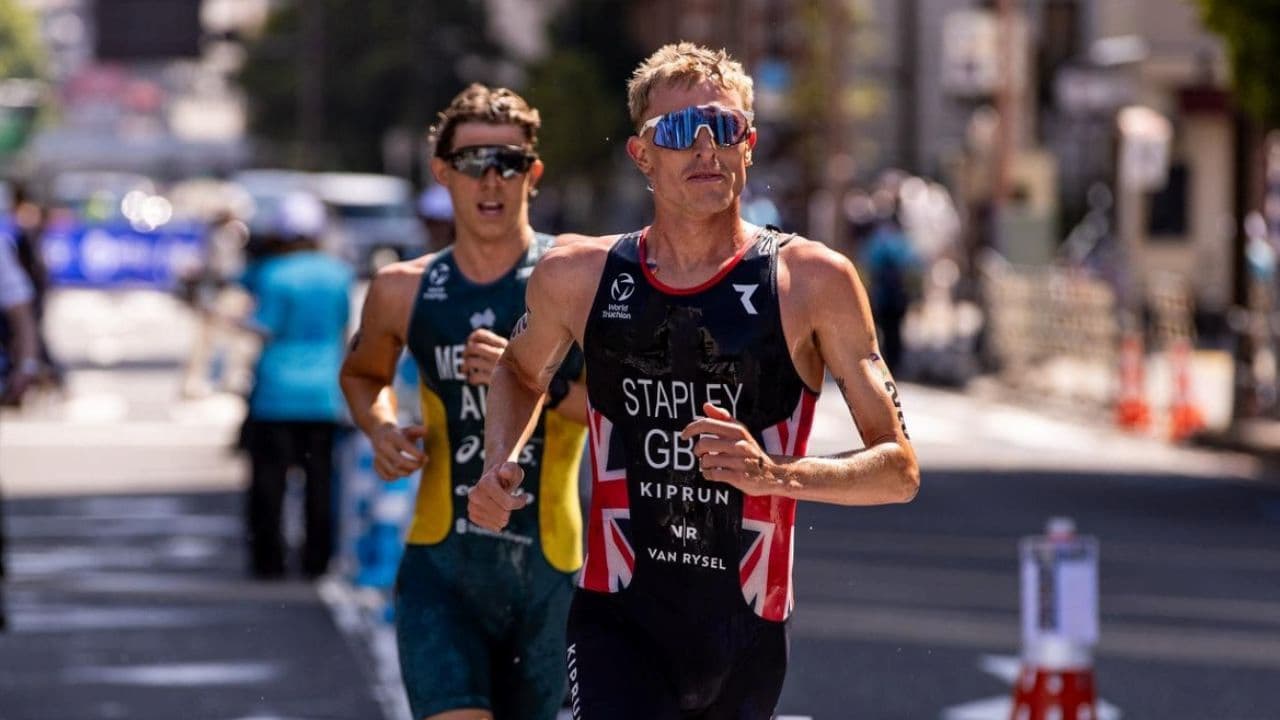
Why Arm Swing Matters?
Although your legs propel you forward, your arms play an important supporting role.
An efficient arm swing helps:
- Balance rotational forces.
- Maintain running rhythm.
- Improve stability.
- Reduce unnecessary movement.
- Support efficient stride mechanics.
Without coordinated arm movement, your running becomes less economical and requires more energy.
Arms and Legs Work Together
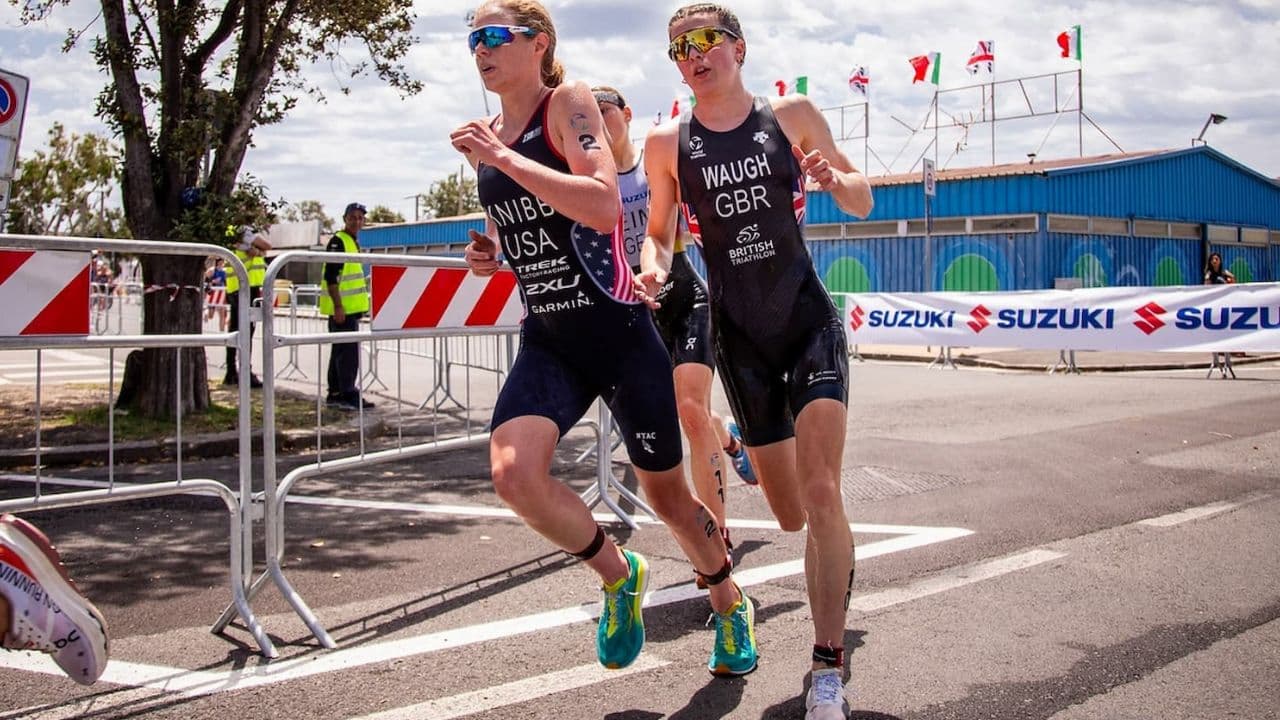
Your arms naturally move opposite to your legs.
When your right leg moves forward, your left arm swings forward, helping to:
- Balance your body.
- Reduce torso rotation.
- Improve coordination.
- Maintain forward momentum.
This natural movement allows your body to run smoothly without excessive effort.
Keep Your Shoulders Relaxed
Tension is one of the biggest enemies of efficient arm movement.
During your run:
- Relax your shoulders.
- Avoid shrugging.
- Keep your neck loose.
- Release unnecessary tension.
Relaxed shoulders allow your arms to swing naturally while conserving energy. Good upper-body posture also supports efficient movement. how does posture affect triathlon running performance explains how posture and relaxed shoulders work together.
Swing Forward and Backward
Your arms should primarily move forwards and backwards.
Avoid:
- Swinging across your chest.
- Excessive side-to-side movement.
- Large exaggerated arm actions.
Crossing your arms increases torso rotation, wasting energy that could otherwise contribute to forward motion.
Bend Your Elbows Naturally
Most runners perform well with elbows bent at approximately 80 to 100 degrees.
This position allows:
- Comfortable arm movement.
- Efficient rhythm.
- Reduced muscular tension.
Avoid locking your elbows or holding them too tightly.
Relax Your Hands
Your hands should remain relaxed throughout your run.
Imagine lightly holding:
- A crisp.
- A small sponge.
- An egg.
Clenching your fists creates unnecessary tension that often spreads into your forearms, shoulders and neck.
Arm Swing Helps Maintain Cadence
Efficient arm movement supports leg turnover.
When cadence naturally increases:
- Arm swing becomes slightly quicker.
- Stride rhythm improves.
- Running often feels smoother.
Rather than forcing faster legs, many runners benefit from allowing their arms to establish a comfortable rhythm first. For a complete overview of efficient movement, how to become an efficient triathlon runner explains how cadence and arm mechanics work together.
Fatigue Changes Arm Mechanics
Late in races, arm movement often becomes less efficient.
Common signs include:
- Dropping elbows.
- Tight shoulders.
- Reduced arm drive.
- Arms crossing the body.
- Increased upper-body tension.
Recognising these changes allows you to make small corrections before efficiency declines further.
Running After Cycling Makes Arm Position More Important
Cycling places your upper body in a forward-leaning position for extended periods.
During the run, good arm swing helps you:
- Open your chest.
- Regain running rhythm.
- Improve balance.
- Return to efficient posture.
Practicing brick workouts helps your upper body adapt more quickly to this transition. Managing fatigue across all three disciplines is equally important. How to avoid common zone 2 running mistakes in a triathlon explains how balanced training improves movement quality throughout a triathlon.
Arm Swing Supports Better Breathing
Relaxed upper-body movement allows your chest to expand more freely.
Efficient arm mechanics help:
- Reduce shoulder tension.
- Improve breathing rhythm.
- Encourage relaxed movement.
- Delay fatigue.
This becomes particularly valuable during longer races where efficient breathing supports endurance.
Avoid Overthinking Every Movement
Good arm swing should feel natural rather than forced.
Instead of consciously controlling every movement:
- Focus on staying relaxed.
- Maintain good posture.
- Allow your arms to move rhythmically.
- Make small adjustments gradually.
If you’re refining your overall technique, how to improve your running form without overthinking it explains why simple cues often work better than constant analysis.
Strength Improves Arm Control
Although arm swing doesn’t require powerful upper-body muscles, strength helps maintain efficient movement as fatigue develops.
Useful exercises include:
- Planks.
- Push-ups.
- Rows.
- Shoulder stability exercises.
- Resistance band work.
A stronger upper body makes it easier to maintain relaxed, controlled movement during long training sessions and races. For sport-specific exercises, what strength routine should triathlete runners do to stay injury free provides a complete strength program.
Good Arm Swing Improves Running Economy
Running economy refers to how efficiently you use energy at a given pace.
An effective arm swing helps by:
- Reducing unnecessary upper-body movement.
- Maintaining a consistent rhythm.
- Supporting efficient posture.
- Improving coordination between the upper and lower body.
Over the course of a triathlon, these small energy savings can make a noticeable difference to your overall performance. Building a strong aerobic foundation also improves your ability to maintain efficient mechanics. How to build an aerobic base for running a triathlon explains why endurance and running economy develop together.
Practise During Easy Runs
Easy runs provide the ideal opportunity to improve your arm swing without the pressure of racing.
During these sessions, focus on:
- Relaxed shoulders.
- Smooth forward-and-backward arm movement.
- Loose hands.
- Controlled breathing.
- Natural rhythm.
Understanding what is zone 2 running in a triathlon helps ensure these runs remain easy enough to reinforce good technique while building aerobic fitness.
Use Simple Mental Cues
Rather than thinking about every detail, use one simple cue during your run.
Examples include:
- “Relax your shoulders.”
- “Swing straight.”
- “Drive from the elbows.”
- “Keep your hands loose.”
- “Stay smooth.”
Simple reminders are often more effective than trying to consciously control every movement. These mental strategies can help improve triathlon performance.
Review Your Running Form Occasionally
Small changes are easier to identify when you occasionally assess your technique.
You can:
- Record yourself running.
- Ask a coach for feedback.
- Compare your form early and late in long runs.
- Identify unnecessary upper-body movement.
Making gradual corrections over time leads to more natural and sustainable improvements.
Common Mistakes
- Crossing your arms in front of your chest.
- Clenching your fists.
- Shrugging your shoulders.
- Holding excessive upper-body tension.
- Swinging your arms too aggressively.
- Locking your elbows.
- Trying to force unnatural movements.
- Ignoring arm mechanics when fatigue develops.
Practical Tips
- Keep your shoulders relaxed throughout your run.
- Let your arms swing naturally forwards and backwards.
- Maintain a comfortable elbow bend.
- Relax your hands and fingers.
- Use simple posture cues instead of overthinking.
- Practise efficient arm swing during easy runs.
- Strengthen your upper body with functional exercises.
- Review your running technique periodically.
Actionable Takeaways
Arm swing is an essential part of efficient triathlon running. Rather than generating power, your arms help maintain balance, rhythm and coordination, allowing your legs to work more effectively. Relaxed shoulders, natural elbow movement and smooth forward-and-backward arm action all contribute to improved running economy.
As fatigue develops during longer races, maintaining efficient arm mechanics becomes increasingly important. By combining good posture, regular strength training and consistent technique practice, you’ll develop a smoother, more economical running style that conserves energy and supports stronger finishes.