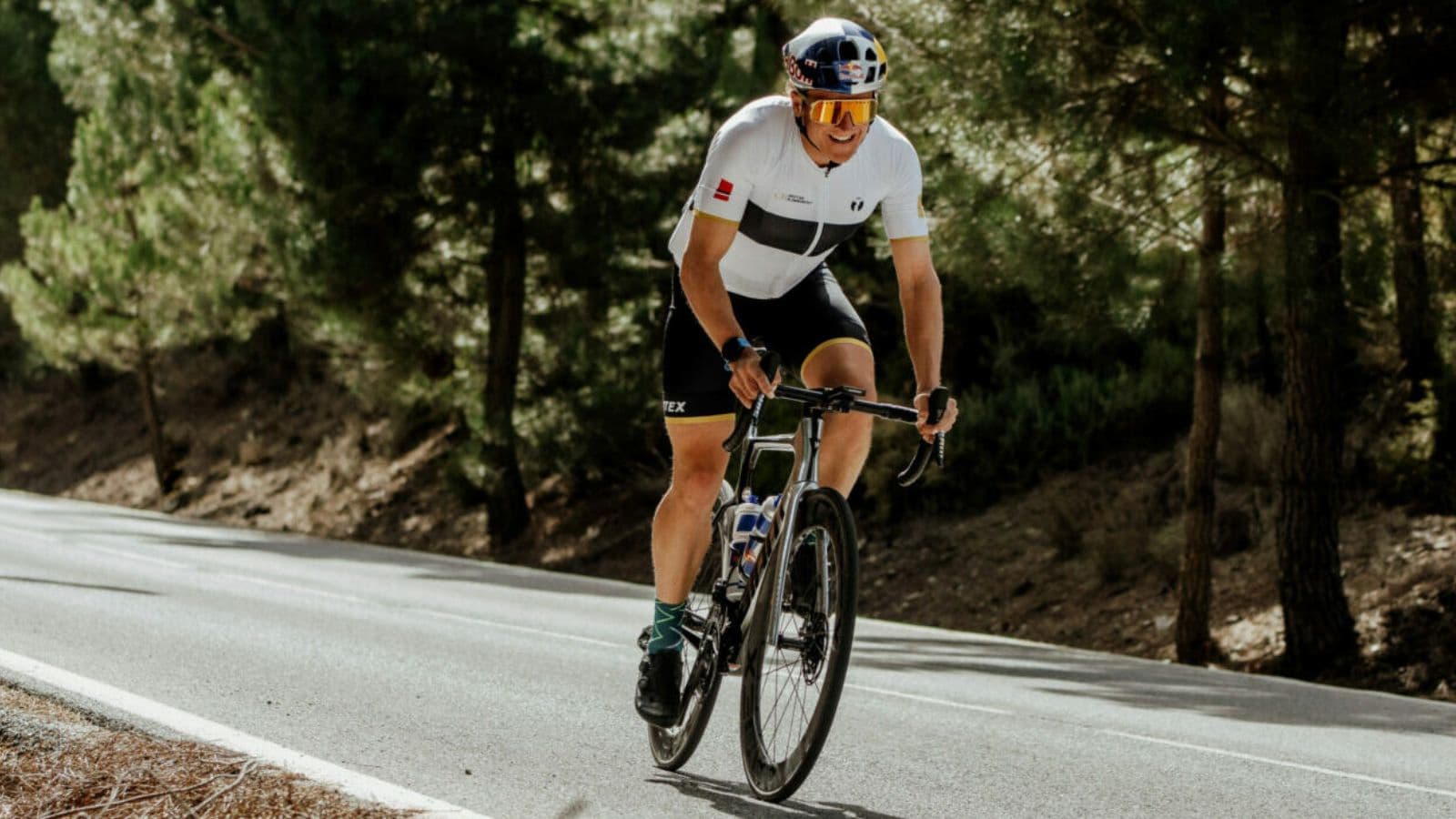


To set up a road bike for your first triathlon, focus on achieving a comfortable riding position, checking essential components, and preparing the equipment you will need during the race. A well maintained road bike with appropriate saddle height, reliable brakes, suitable tires, and accessible hydration is enough for most beginner triathlons. Many first time triathletes assume they need a dedicated triathlon bike to participate. However, road bikes are commonly used in sprint and Olympic distance events, particularly by athletes who are still developing their cycling confidence and race experience. The biggest advantage of a road bike is its versatility. It provides responsive handling, multiple hand positions, and a familiar riding posture that can be easier for beginners to control than an aggressive aerodynamic setup.
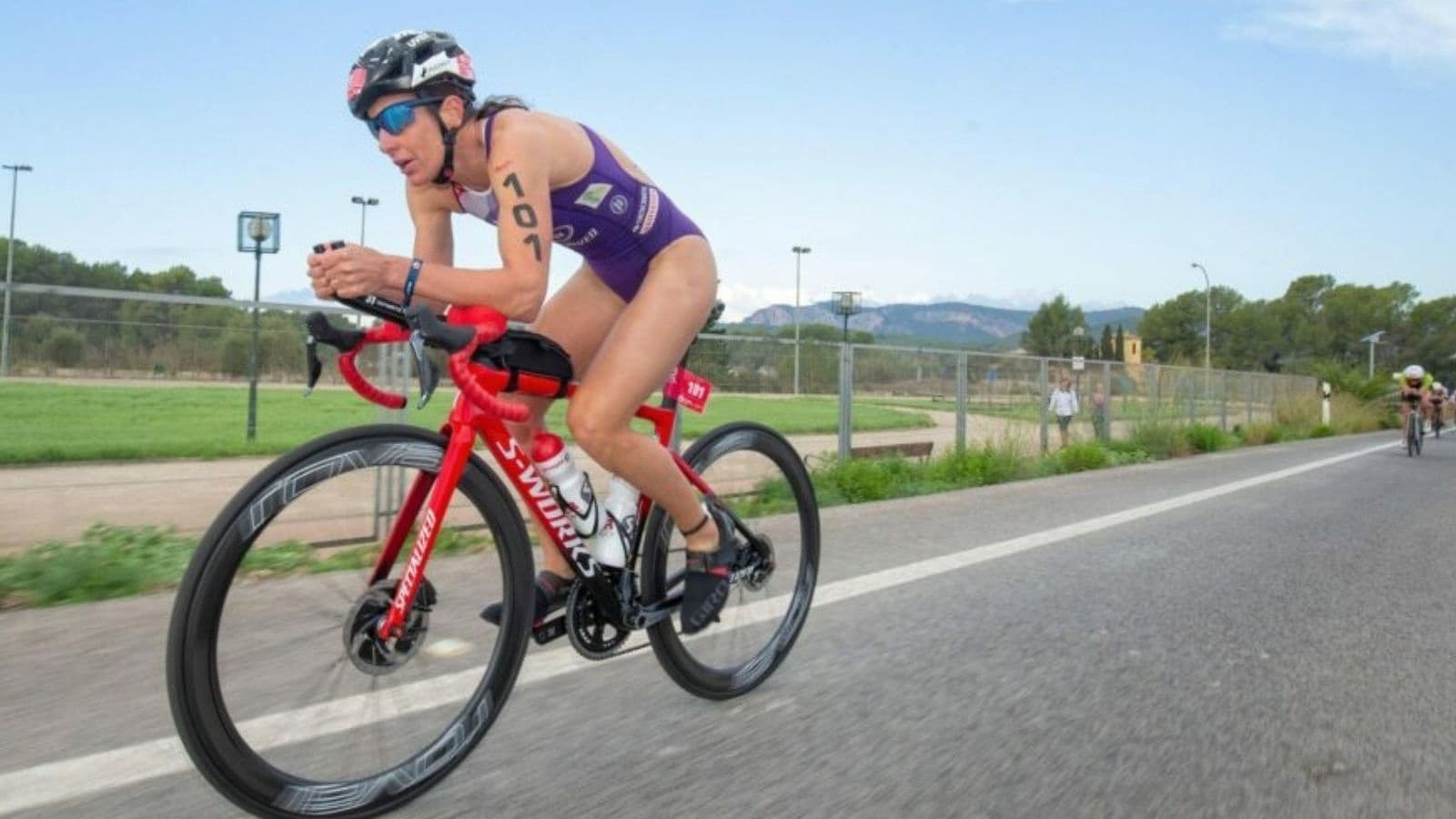
Rather than investing immediately in expensive upgrades, prioritize comfort, safety, and familiarity. A bike that fits correctly and operates reliably will usually provide more value during your first triathlon than equipment you have not had time to practice using.
In Short
- A road bike is suitable for many beginner triathlons.
- Correct saddle height improves comfort and pedaling.
- Handlebar position should support stable control.
- Reliable brakes and gears are essential.
- Tire pressure should match your equipment and conditions.
- Hydration must be easy to access.
- Aerodynamic upgrades are optional.
- Practice riding your race day setup.
Start With the Correct Bike Fit
Bike fit should be the first priority when preparing a road bike for triathlon. An uncomfortable position can lead to unnecessary fatigue, knee discomfort, and difficulty maintaining power during the cycling leg.
Check:
- Frame size.
- Saddle height.
- Saddle position.
- Handlebar reach.
- Handlebar height.
- Foot and pedal alignment.
Understanding how do you adjust your bike for a better fit in a triathlon can help beginners recognize how small positioning changes influence comfort and control. Avoid making major adjustments immediately before race day.
Adjust Your Saddle Height
Saddle height affects pedaling mechanics and lower-body comfort. A saddle that is too low may increase knee flexion, while an excessively high saddle can cause hip rocking or uncomfortable reaching at the bottom of the pedal stroke. A practical starting point is to adjust the saddle so your knee remains slightly bent when the pedal reaches its lowest position. Then assess how the position feels during normal riding.
Look for:
- Smooth pedaling.
- Stable hips.
- Comfortable knee movement.
- No excessive reaching.
- Consistent contact with the saddle.
Understanding how to prevent your knees from hurting during long cycling can help triathletes recognize why saddle positioning deserves attention.
If discomfort persists, consider a professional bike fit.
Set Up the Handlebars for Comfort
Road bike handlebars offer several riding positions. Beginners can use the brake hoods for most of the cycling leg, switching to the drops when appropriate.
Your setup should allow you to:
- Reach the brakes comfortably.
- Maintain relaxed shoulders.
- Keep the elbows slightly bent.
- Steer confidently.
- Avoid excessive pressure on the hands.
Understanding how to stop hand numbness and saddle discomfort on long rides can help athletes identify common signs of an uncomfortable riding position. A lower handlebar position is not automatically better. For a first triathlon, stable handling and sustainable comfort should take priority over aggressive aerodynamics.
Choose the Right Pedals and Shoes
You do not need clipless pedals for your first triathlon. Flat pedals with suitable athletic shoes can work well, especially if you are unfamiliar with clipping in and out. Clipless pedals may provide a secure connection between the shoe and pedal, but they require practice.
Consider:
- Flat pedals for simplicity.
- Clipless pedals if already experienced.
- Shoes that fit securely.
- Pedals that allow safe mounting and dismounting.
Understanding how to mount and dismount your bike smoothly in a race can help beginners prepare for the transition area. Avoid introducing unfamiliar pedal systems immediately before competition.
Check Tires and Tire Pressure
Tires influence comfort, grip, rolling resistance, and puncture risk. Before racing, inspect both tires for visible damage and confirm they are properly seated.
Check:
- Tire condition.
- Tread and sidewall damage.
- Wheel alignment.
- Valve security.
- Appropriate inflation pressure.
Tire pressure depends on rider weight, tire width, rim specifications, and road conditions. Higher pressure is not always faster or more comfortable. Use manufacturer limits and an appropriate tire-pressure guide rather than inflating every tire to its maximum rating.
Prepare Your Gears and Drivetrain
Smooth shifting helps maintain a comfortable cadence during climbs, corners, and changing road conditions.
Before the race:
- Clean the drivetrain.
- Lubricate the chain appropriately.
- Test all available gears.
- Check derailleur alignment.
- Inspect the chain for damage.
- Confirm shifting is reliable.
Understanding what is cycling cadence in a triathlon can help beginners choose gears that support a sustainable pedaling rhythm. Avoid changing multiple drivetrain components immediately before race day unless necessary.
Set Up Hydration and Nutrition
Hydration should be accessible without compromising bike control. For shorter triathlons, a standard bottle cage may be sufficient, depending on weather, race duration, and individual needs. Longer events may require additional fluid and nutrition capacity.
Consider:
- One or two securely mounted bottle cages.
- Bottles you can reach comfortably.
- Familiar sports drinks.
- Easily accessible nutrition.
- Secure storage for wrappers.
Understanding hydration strategy for triathlon (by distance and weather) can help athletes plan fluid intake according to race conditions.
Practice drinking while riding in a safe environment before race day.
Decide Whether You Need Aerobars
Clip on aerobars are an optional upgrade for some road bikes. They may reduce aerodynamic drag when used correctly, but they also change body position and handling.
Before installing aerobars, consider:
- Whether your bike and handlebars are compatible.
- Whether the race permits them.
- Whether the event is draft-legal.
- Your experience riding in an aerodynamic position.
- Your ability to maintain safe control.
Understanding how is riding a triathlon bike different from a road bike can help beginners recognize the differences between standard road positions and dedicated aerodynamic setups.
For your first triathlon, aerobars are not necessary.
Complete Essential Safety Checks
A reliable bike is more important than a heavily upgraded one.
Before race day, inspect:
- Front and rear brakes.
- Wheel attachment.
- Tire condition.
- Chain and drivetrain.
- Handlebar and stem security.
- Saddle and seatpost.
- Pedal installation.
- Bottle cages and accessories.
Understanding what you should check on your bike before every ride can help athletes develop a consistent safety routine. Any loosened bolts should be tightened according to manufacturer torque specifications. If you are unsure about mechanical condition, arrange a professional inspection.
Practice the Bike to Run Transition
A good road bike setup should also allow you to run comfortably after cycling. The cycling leg should not leave you completely exhausted before the final discipline. Practice short brick sessions that combine cycling and running.
For example:
- Cycle for 30–45 minutes at an easy to moderate effort.
- Return to your transition area.
- Change into running shoes.
- Run easily for 5–10 minutes.
- Notice how your legs respond.
Keep early brick workouts manageable.
Prepare Your Race Day Transition Setup
Organize your equipment so you can move efficiently from swimming to cycling and then running.
Useful items include:
- Bike helmet.
- Cycling shoes or running shoes.
- Sunglasses.
- Race number belt, if required.
- Water bottle.
- Nutrition.
- Small towel, if permitted.
Understanding what is a triathlon transition area can help beginners prepare their equipment according to race rules. Practice putting on your helmet and shoes before race day. Always fasten your helmet before removing the bike from its rack, and follow the event’s mounting and dismounting rules.
Common Mistakes
- Buying unnecessary upgrades.
- Ignoring bike fit.
- Setting the saddle too high.
- Using unfamiliar clipless pedals.
- Overinflating tires.
- Installing aerobars without practice.
- Forgetting hydration access.
- Skipping mechanical checks.
Practical Tips
- Prioritize comfort over aerodynamics.
- Practice with your race day equipment.
- Check brakes and gears.
- Use familiar pedals and shoes.
- Secure all accessories.
- Keep hydration accessible.
- Practice transitions.
- Avoid major last-minute changes.
Actionable Takeaways
- A road bike is enough for many first triathlons.
- Correct fit matters more than expensive upgrades.
- Reliable brakes, tires, and gears are essential.
- Practice riding and transitioning.
- Keep your setup simple and familiar.