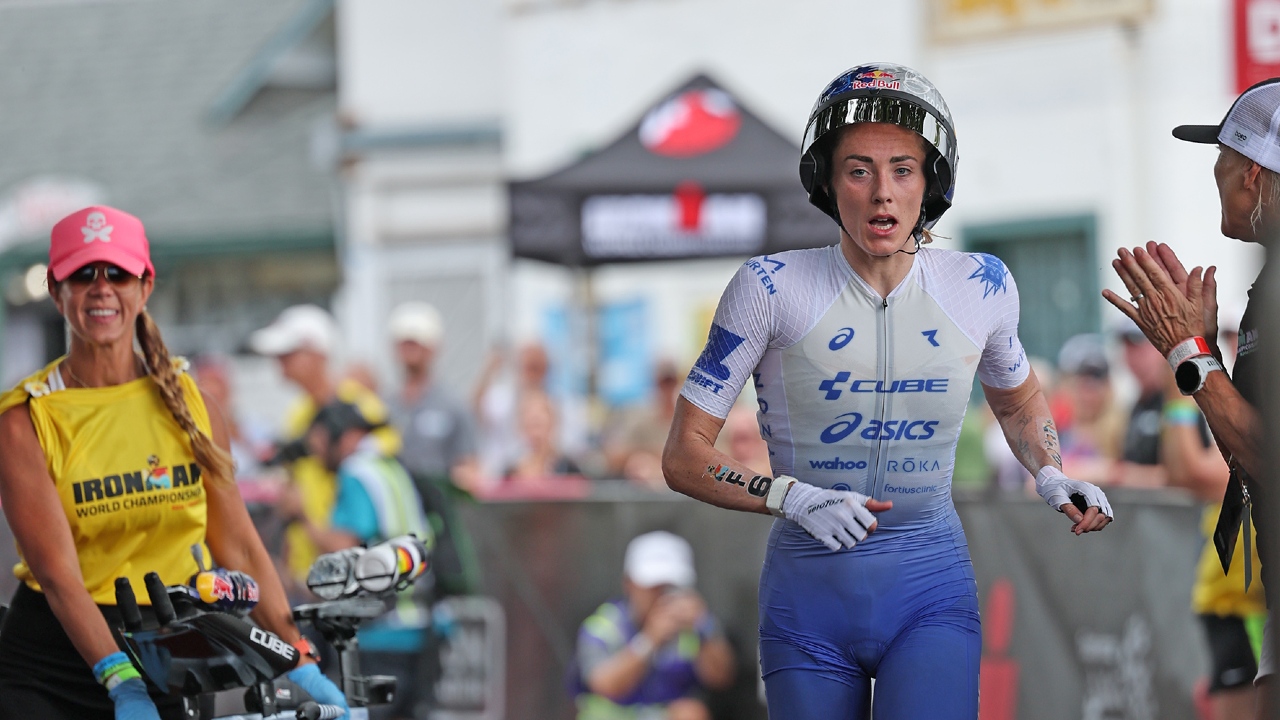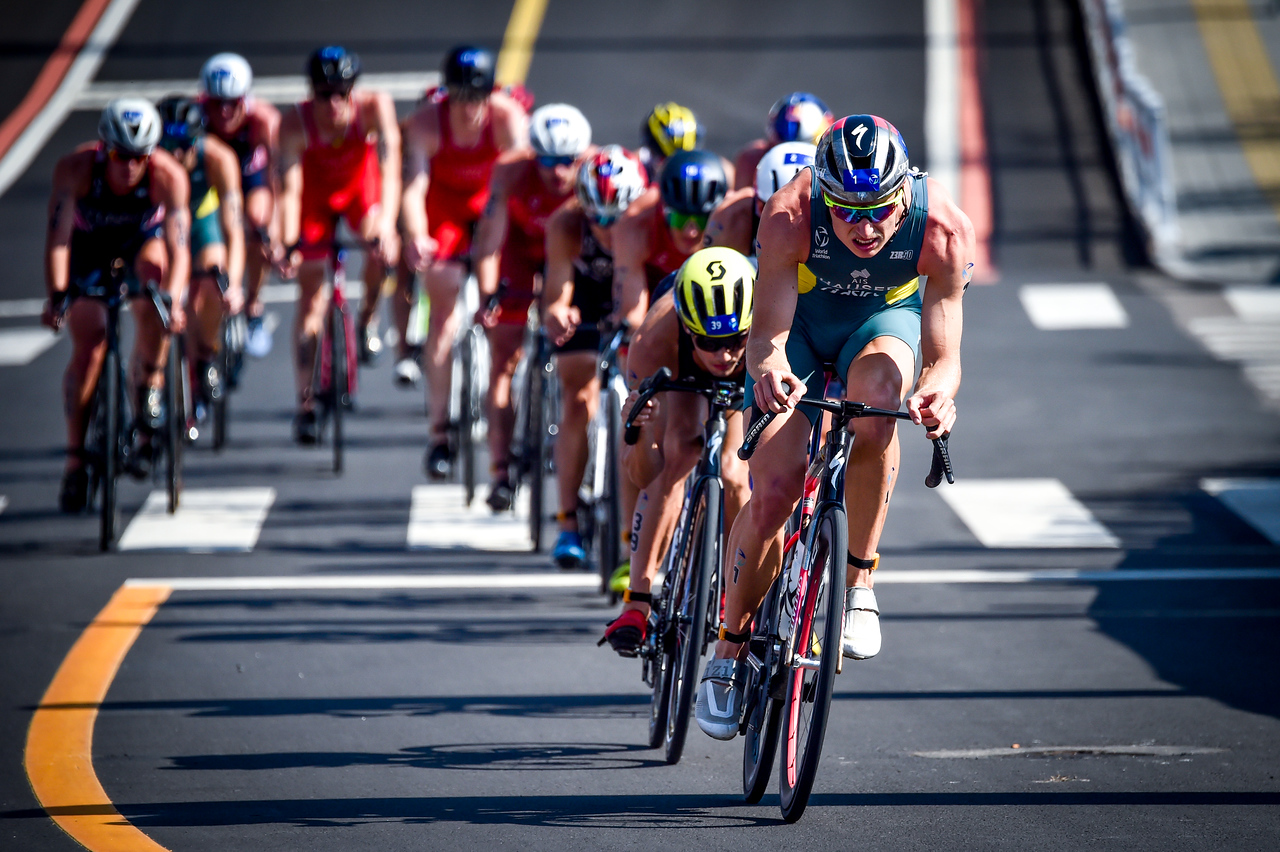


Mounting and dismounting your bike smoothly can make the transition between disciplines faster, safer, and less stressful. The goal is not to perform the most advanced technique possible. It is to move through the mount and dismount areas without hesitation, losing control, or interfering with other athletes. Every triathlete should first become confident with a normal standing mount and controlled dismount. Faster techniques, including leaving cycling shoes attached to the pedals, should only be considered after the basic movements are reliable. Race rules also matter. Athletes normally need to mount after the designated mount line and dismount before the designated dismount line, but you should always check the rules and instructions for your specific event. A few seconds saved are never worth a crash, penalty, or collision with another competitor.
In Short
- Learn where the mount and dismount lines are before racing.
- Select an appropriate starting gear before leaving transition.
- Beginners should master a normal mount first.
- Look ahead rather than down at the pedals.
- Accelerate under control before making equipment adjustments.
- Prepare for the dismount before reaching the line.
- Use advanced techniques only when they are consistently reliable.
Why Smooth Mounting Matters
A poor mount can turn a good T1 into a stressful start to the bike leg. Common problems include selecting too difficult a gear, looking down while trying to find the pedals, struggling to clip in, or attempting to accelerate while other athletes are directly ahead.
Your sequence should become predictable:
- Reach the mount area.
- Check the space around you.
- Cross the mount line.
- Mount under control.
- Find the pedals.
- Build speed progressively.
- Settle into normal cycling.
Once moving, give yourself time to establish control before focusing on speed.
Know the Mount and Dismount Lines
Find both lines before the race begins. During transition setup, walk from your rack toward the bike exit and identify where athletes are permitted to mount. If possible, also understand how you will approach the dismount area at the end of the bike leg. Race officials may be positioned around these areas, but you should not depend on someone reminding you at the last second. Transition layout knowledge also supports how can you improve your triathlon transition times because knowing exactly where to run, mount, slow down, and dismount removes hesitation before it occurs.
Always follow the event’s specific rules.
Prepare the Bike Before T1
A smooth mount starts before the swim. Make sure your bike is correctly racked and ready for the cycling leg. Check your tires, brakes, drivetrain, bottles, and any equipment allowed by the event. Pay particular attention to your starting gear. If the bike exit immediately leads uphill, an excessively hard gear can make your first pedal strokes difficult. A very easy gear may also create unnecessary rapid pedaling before you can accelerate. Selecting the right gear is easier when you understand how to get stronger on the bike before race day, particularly if the first section of the course requires an immediate change in speed or gradient.
Use a Controlled Standing Mount First
A basic mount is reliable and easy to practice. Once you have crossed the mount line, create enough space, hold the bike securely, place one foot on a pedal if appropriate to your setup, and mount in a controlled movement.
Focus on three things:
- Balance.
- Awareness of other riders.
- Forward vision.
If the mount area is congested, waiting briefly for safe space may actually get you moving faster than attempting to force your way through a crowded group.
Look Where You Want to Go
Many mounting problems begin when cyclists stare at their pedals. Looking down reduces your awareness of athletes, barriers, corners, and changes in the road ahead. Keep your vision forward as much as possible. This becomes easier when clipping into the pedals is already automatic. Practice finding and engaging your pedals without needing prolonged visual attention. Bike control should remain the priority from the first meter of the course, and what cycling drills help improve triathlon bike technique can help develop the balance and coordination needed to handle the bike confidently.
Build Speed Before Making Adjustments
Once mounted, establish control before making unnecessary adjustments. Do not immediately start reorganizing nutrition, adjusting clothing, looking at your bike computer, or making other changes while still navigating a busy mount area.
Instead:
- Establish balance.
- Find the pedals.
- Accelerate smoothly.
- Look ahead.
- Create safe space.
- Settle into your riding position.
Once the course opens and conditions allow, you can begin following your planned race strategy.
The opening minute should feel controlled rather than frantic.
Practice Clipping In Under Pressure
Clipless pedals can save no time if you repeatedly miss the pedal. Practice starting from a stationary position until clipping in becomes reliable. Then practice in different gears and on gentle gradients where it is safe to do so. If you miss the pedal during a race, do not panic. Keep control of the bike, continue moving when safe, and try again. Repeatedly looking down or making sudden movements is more dangerous than losing a second or two.
The goal is automatic execution rather than maximum speed.
Do Not Rush Into Advanced Mounting Techniques
Some experienced triathletes leave their cycling shoes attached to the pedals and put their feet into the shoes after mounting. This can reduce time spent in transition, particularly when athletes need to run a significant distance with their bikes.
You need to be able to:
- Mount confidently.
- Pedal with your feet positioned safely.
- Maintain a straight line.
- Insert each foot while moving.
- Fasten the shoes without losing control.
- Remain aware of surrounding riders.
If any of these steps are unreliable, use a conventional mount.
When Should You Consider a Faster Mount?
Consider progressing only when your basic mount is consistently smooth. You should already feel comfortable handling the bike with one hand when appropriate, clipping in without difficulty, looking ahead, and accelerating while maintaining a predictable line. Practice in a quiet, traffic free environment. Do not learn advanced techniques during a group ride or race. Bike fit also affects how confidently you control the bike, so persistent difficulty with positioning or control may justify reviewing how do you adjust your bike for a better fit rather than assuming every problem is purely technical.
Prepare for the Dismount Early
A smooth dismount begins before you reach the line. Do not wait until the final few meters to remember that you need to get off the bike.
As you approach T2:
- Identify the dismount area.
- Stop eating or drinking.
- Finish necessary gear changes.
- Look for other athletes.
- Reduce speed progressively.
- Choose an appropriate gear if needed.
- Prepare your feet for the technique you use.
The final approach should become simpler as you get closer to transition.
Control Your Speed Before T2
Coming into transition too fast creates unnecessary risk. Other athletes may slow suddenly, move sideways, miss the line, or begin dismounting earlier than expected. Brake progressively and keep enough space to respond. Your bike handling ability becomes especially important when the approach includes corners or a descent. Learning how can you improve downhill cycling can improve braking, vision, and speed control long before you reach the dismount line.
You should arrive ready to dismount, not still trying to remove excessive speed.
Use a Basic Dismount Until It Is Automatic
For beginners, a controlled standard dismount is usually the best starting point. Reduce your speed before the line, unclip safely, come to a controlled stop where appropriate, and step off before crossing the designated dismount line according to the event’s rules. Practice until you no longer need to think through each action. A reliable basic dismount is better than an advanced technique that works only occasionally. Once it is automatic, you can decide whether learning a faster technique provides a meaningful benefit for your racing.
What About Leaving Shoes on the Bike?
More experienced athletes may remove their feet from cycling shoes before the dismount area while leaving the shoes attached to the pedals. They then approach the dismount with their feet positioned on top of the shoes. This can make the transition into running faster, but it requires excellent control.
Attempt it only when you can safely:
- Maintain direction while adjusting your feet.
- Keep looking ahead.
- Control speed.
- Respond to other cyclists.
- Dismount reliably.
Do not attempt to remove your feet from the shoes on a technical descent or in a situation where full bike control is needed.
Do Not Sacrifice the Bike Finish for T2
Some athletes become so focused on the dismount that they stop racing effectively too early. Prepare early enough to stay controlled, but do not spend several minutes coasting unnecessarily just to make T2 easier. Your approach depends on the course. If the final section is flat and straightforward, preparation may happen relatively close to transition. A technical or downhill finish may require earlier planning. Pacing throughout the bike also influences how clearly you can execute these skills, and how can heart rate zones improve triathlon cycling speed and fitness can help keep effort appropriate rather than reaching T2 too exhausted to perform simple actions cleanly.
Practice the Entire T1 Sequence
Do not practice mounting only as an isolated skill. Create a simple training transition.
For example:
- Place the bike as you would in transition.
- Put on your helmet.
- Take the bike from the rack.
- Run or walk with it.
- Cross an imaginary mount line.
- Mount.
- Accelerate smoothly.
Repeat the sequence several times.
This teaches you to perform the mount after other actions instead of only when standing calmly beside the bike.
Practice the Entire T2 Sequence
Use the same approach for dismounting. Ride toward a clearly marked practice point, prepare your dismount, reduce speed, get off safely, and move with the bike toward your simulated rack. Then rack the bike before continuing with your normal T2 sequence. Occasionally follow the practice with a short run. Your movement can feel different immediately after cycling, and how can you reduce fatigue during the triathlon run leg becomes relevant when the objective is not merely reaching T2 quickly but beginning the run in control.
Add Race Effort Gradually
Learn technique at low speed first. Once your movements are reliable, practice after moderate cycling so you experience mounting and dismounting with an elevated heart rate.
Progress could look like:
- Walking speed practice.
- Easy cycling practice.
- Moderate speed practice.
- Full transition practice.
- Practice during brick sessions.
- Race specific rehearsal.
Do not skip directly from stationary practice to maximum race speed.
Adapt the Technique to Conditions
The fastest technique on a dry, wide road may not be appropriate in rain, on a narrow course, or in a crowded transition. Wet roads reduce available grip and can make painted markings particularly slippery. Reduce speed and avoid sudden steering or braking movements. If race day is wet, how to cycle safely in the rain should influence your approach from the mount line until you return to T2.
Technique should adapt to conditions rather than remaining rigid.
Avoid Wasting Energy at the Start of the Bike
A smooth mount can still be followed by poor pacing. The excitement of leaving transition often encourages athletes to accelerate harder than necessary. This can be particularly costly in longer events. Settle into your target effort progressively. You have an entire bike leg ahead, followed by a run. Saving five seconds at the mount line has little value if the next several minutes are ridden far above a sustainable effort.
Common Mistakes
- Mounting before the permitted line.
- Dismounting after the required line.
- Starting in an unsuitable gear.
- Looking down at the pedals for too long.
- Trying to clip in while weaving across the course.
- Attempting an advanced mount without practice.
- Approaching T2 too quickly.
- Removing feet from shoes in an unsafe location.
- Copying elite techniques without developing the required bike handling skills.
Practical Tips
- Walk through the mount and dismount areas before racing.
- Mark the lines mentally.
- Select your starting gear before the swim.
- Practice clipping in without prolonged downward vision.
- Keep both hands ready for control in congested areas.
- Build speed before making equipment adjustments.
- Start preparing for T2 before reaching the line.
- Practice T1 and T2 as complete sequences.
- Choose reliability before speed.
Actionable Takeaways
Smooth mounting and dismounting comes from repetition rather than rushing. Begin with a conventional technique that you can perform reliably, then gradually add speed as your bike handling improves. Know the race rules, locate the mount and dismount lines, prepare the bike correctly, and keep your eyes ahead around other competitors. Practice complete T1 and T2 sequences so the skill remains reliable when your heart rate is elevated.
Advanced techniques can save time, but they are optional. For most triathletes, eliminating hesitation and mistakes provides a safer and more dependable improvement than attempting a complicated mount or dismount that has not been thoroughly practiced.