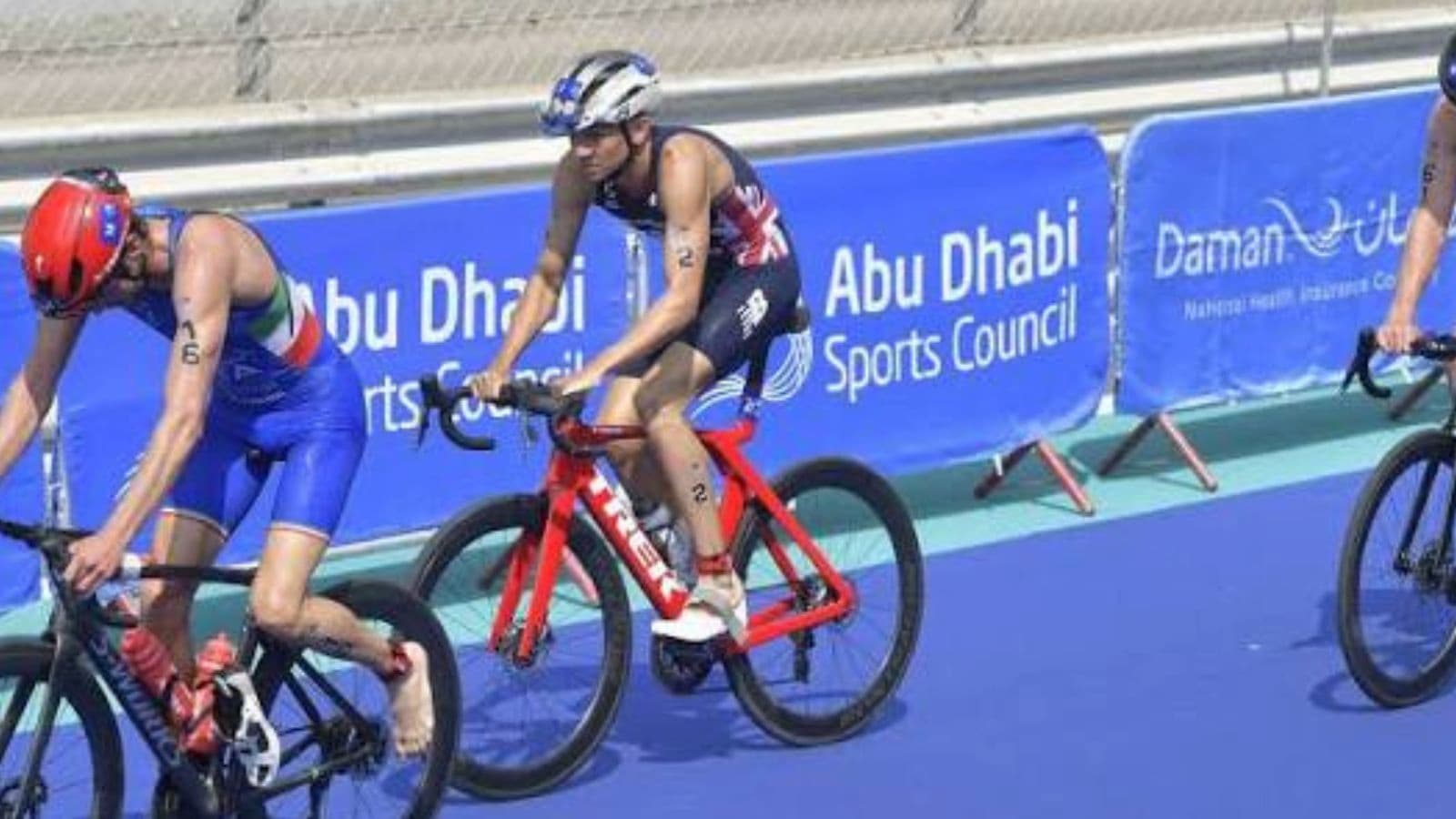


You can reduce drivetrain friction on a triathlon bike by keeping the chain clean, using suitable lubrication, maintaining correct gear alignment, and replacing worn components. These simple maintenance habits help reduce unnecessary mechanical resistance and allow more of your pedaling effort to reach the rear wheel. The drivetrain transfers power from your legs through the crankset, chain, cassette, and rear wheel. As these components move against one another, some energy is lost through friction. Dirt, poor lubrication, and worn parts can increase those losses. For triathletes, drivetrain efficiency matters because even small mechanical improvements may contribute to overall cycling performance. However, expensive upgrades are not always necessary, and a properly maintained standard drivetrain can perform efficiently.
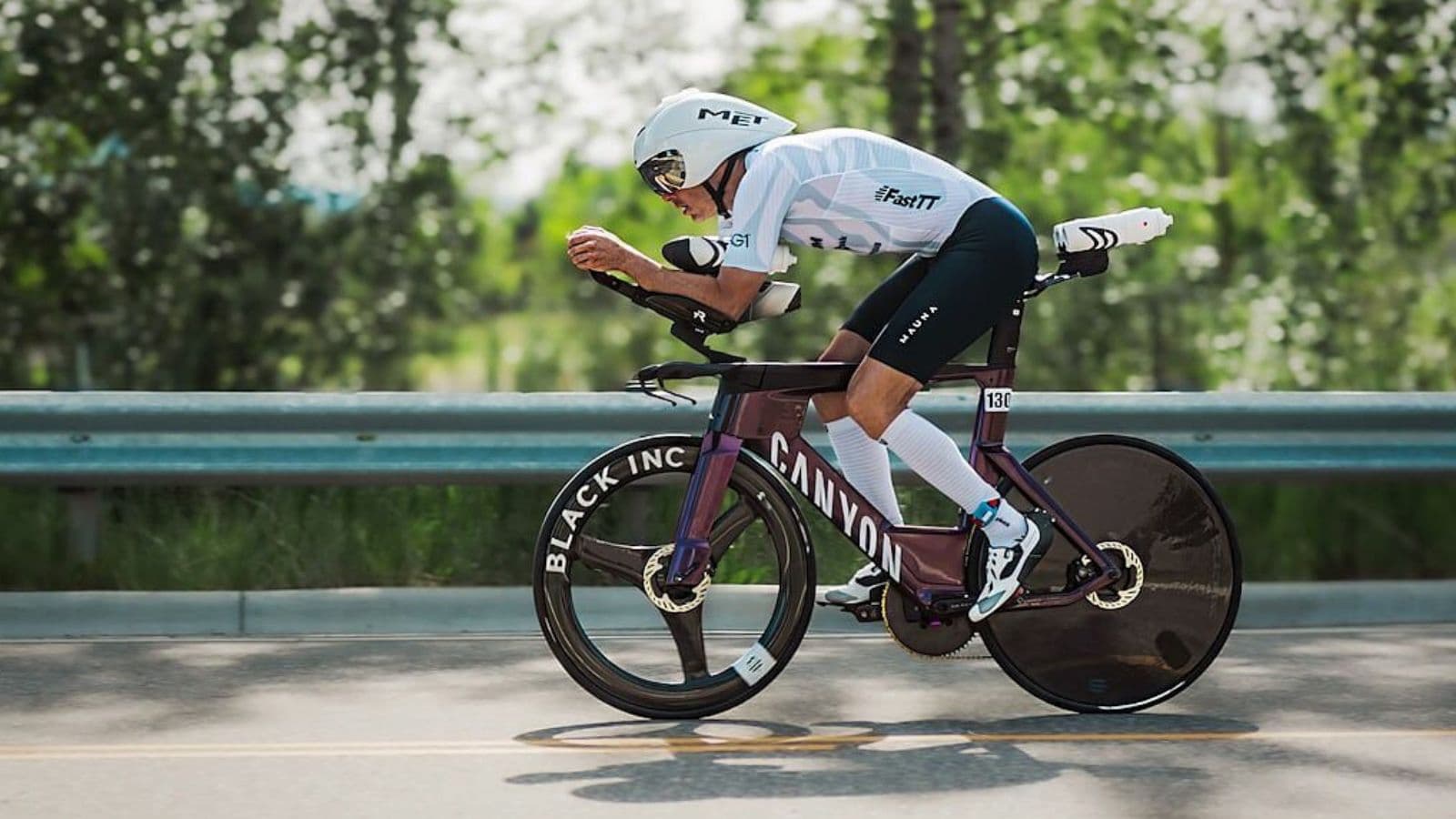
Understanding how drivetrain friction develops helps athletes prioritize effective maintenance. Whether preparing for a sprint triathlon or an Ironman, keeping the drivetrain clean and functioning correctly supports reliable shifting, consistent pedaling, and better equipment performance.
In Short
- Clean the chain regularly.
- Use lubrication suited to riding conditions.
- Avoid excessive chain lubricant.
- Maintain correct derailleur adjustment.
- Replace worn chains before they damage other components.
- Avoid extreme chain angles when possible.
- Check pulley wheels and chainrings.
- Prioritize maintenance before expensive upgrades.
Understanding Drivetrain Friction
Drivetrain friction occurs when moving bicycle components contact one another and resist motion.
The main sources include:
- Chain pins, rollers, and other internal contact surfaces.
- Chain contact with cassette sprockets.
- Chain engagement with chainrings.
- Derailleur pulley bearings or bushings.
- Poorly adjusted or contaminated components.
Some mechanical resistance is unavoidable. However, unnecessary friction can increase when dirt accumulates or components become worn. Understanding how to improve your bike split in triathlon can help athletes recognize how equipment efficiency contributes to overall cycling performance alongside fitness and pacing.
Keep the Chain Clean
A dirty chain is one of the most common causes of unnecessary drivetrain friction. Dust, road grit, and old lubricant can accumulate around chain components, creating abrasive contamination.
Basic chain cleaning
- Inspect the chain for visible dirt.
- Apply a bicycle appropriate cleaning product when needed.
- Clean the chain using a brush or suitable cloth.
- Remove remaining cleaning residue according to product instructions.
- Allow the chain to dry as required.
- Apply fresh lubricant using the manufacturer’s directions.
Avoid directing high pressure water at bearings or other sensitive components. Understanding what you should check on your bike before every ride can help triathletes identify maintenance issues before they affect training.
Choose the Right Chain Lubricant
Lubrication reduces friction between moving chain surfaces. However, different lubricants perform differently depending on weather, contamination, and application methods.
Common options include:
- Wet lubricants: Often suitable for wet conditions but may attract dirt.
- Dry lubricants: Designed for relatively dry conditions, with performance varying by product.
- Drip wax lubricants: Can provide a cleaner drivetrain when applied correctly.
- Immersion wax: Requires additional preparation but can provide low friction and reduced contamination under suitable conditions.
The best choice depends on riding conditions, maintenance habits, and product performance. Apply lubricant according to the manufacturer’s instructions rather than assuming more lubricant produces better results.
Avoid Excessive Lubrication
Applying too much chain lubricant can attract dirt and create unnecessary buildup. Lubrication should reach the chain’s internal moving surfaces rather than simply coating the outside. After applying a conventional drip lubricant, follow the product’s instructions for penetration time and removal of excess material. A clean, correctly lubricated chain generally performs better than one covered in contaminated lubricant.
Maintain Correct Gear Alignment
Poor derailleur adjustment can cause noisy shifting, chain rubbing, and inefficient gear engagement.
Common signs include:
- Hesitation when shifting.
- Chain noise in particular gears.
- Repeated gear skipping.
- Chain rubbing against the front derailleur.
- Difficulty maintaining a selected gear.
Understanding how to develop a smoother pedal stroke in triathlon cycling can help athletes distinguish consistent pedaling technique from mechanical interruptions. If shifting problems persist, inspect derailleur alignment, cable condition, and drivetrain wear. Professional adjustment may be appropriate when the cause is unclear.
Reduce Extreme Chain Angles
Cross chaining occurs when the chain runs at a pronounced sideways angle between the chainring and cassette. Examples include using the largest front chainring with the largest rear sprocket or the smallest chainring with the smallest rear sprocket. These combinations can increase friction and sometimes produce additional drivetrain noise. When practical, choose gear combinations that maintain a straighter chain path. Understanding how do you find the right cycling cadence for a triathlon can help athletes select comfortable gearing without unnecessarily forcing extreme combinations. Modern drivetrains vary in their tolerance for chain angles, so follow the component manufacturer’s recommendations.
Replace Worn Drivetrain Components
Chains gradually wear through repeated use and internal joint wear. A worn chain can engage poorly with cassette sprockets and chainrings, potentially accelerating component wear. Check chain wear using a suitable measurement tool. Replacement thresholds vary by drivetrain design and manufacturer.
Other components requiring inspection include:
- Cassette sprockets.
- Chainring teeth.
- Derailleur pulley wheels.
- Chain connections.
- Bottom bracket bearings.
Understanding what should you check after reassembling your triathlon bike can help athletes identify problems following travel, maintenance, or component installation. Replacing worn parts at the appropriate time can help preserve drivetrain performance.
Check Derailleur Pulley Wheels
Rear derailleur pulley wheels guide the chain through the drivetrain. Accumulated dirt, worn bearings, or damaged pulley teeth can interfere with smooth operation.
Inspect pulley wheels for:
- Excessive dirt buildup.
- Unusual noise.
- Restricted rotation.
- Damaged teeth.
- Excessive movement or wear.
Clean or replace components according to manufacturer guidance. Aftermarket pulley systems may offer efficiency improvements, but benefits vary and should be weighed against cost, compatibility, and maintenance requirements.
Maintain Efficient Pedaling
Mechanical drivetrain efficiency and pedaling technique are different factors. A clean drivetrain reduces avoidable mechanical resistance, while appropriate pedaling technique helps athletes produce power comfortably. Understanding what is the correct foot and ankle position when cycling can help triathletes evaluate their pedaling mechanics. Avoid forcing exaggerated ankle movements or attempting to pull upward excessively throughout every pedal revolution. Comfortable positioning and consistent pedaling are generally more useful than complicated technique changes.
Drivetrain Efficiency During Long Triathlons
Long distance triathlon cycling places sustained demands on equipment. A poorly maintained drivetrain may become noisier or less reliable as dirt and contamination accumulate. Understanding how can you maintain steady power during a triathlon bike leg can help athletes recognize the importance of consistent pacing and dependable equipment.
Before longer events:
- Clean and lubricate the drivetrain.
- Inspect chain wear.
- Confirm smooth shifting.
- Check for unusual noises.
- Test the bike during training.
Avoid making major drivetrain changes immediately before race day.
Upgrading Components for Lower Friction
Some triathletes consider upgraded chains, pulley systems, or specialized lubricants to reduce drivetrain losses. However, the actual benefit depends on the existing equipment, installation quality, and maintenance. Understanding how to optimize your bike split for race day can help athletes evaluate drivetrain improvements alongside aerodynamics, pacing, and other performance factors. A well maintained standard drivetrain is usually the most sensible starting point.
Common Mistakes
- Riding with a dirty chain.
- Applying excessive lubricant.
- Ignoring chain wear.
- Using extreme gear combinations unnecessarily.
- Overlooking derailleur adjustment.
- Neglecting pulley wheel maintenance.
- Using unsuitable cleaning products.
- Installing expensive upgrades before basic maintenance.
Practical Tips
- Inspect the drivetrain regularly.
- Clean the chain when contaminated.
- Use suitable lubricant.
- Follow product application instructions.
- Check chain wear periodically.
- Maintain smooth gear shifting.
- Inspect drivetrain components before races.
- Seek professional servicing when necessary.
Actionable Takeaways
- Keep the chain clean and lubricated.
- Maintain correct gear adjustment.
- Replace worn components.
- Avoid unnecessary chain friction.
- Prioritize reliable maintenance over expensive upgrades.