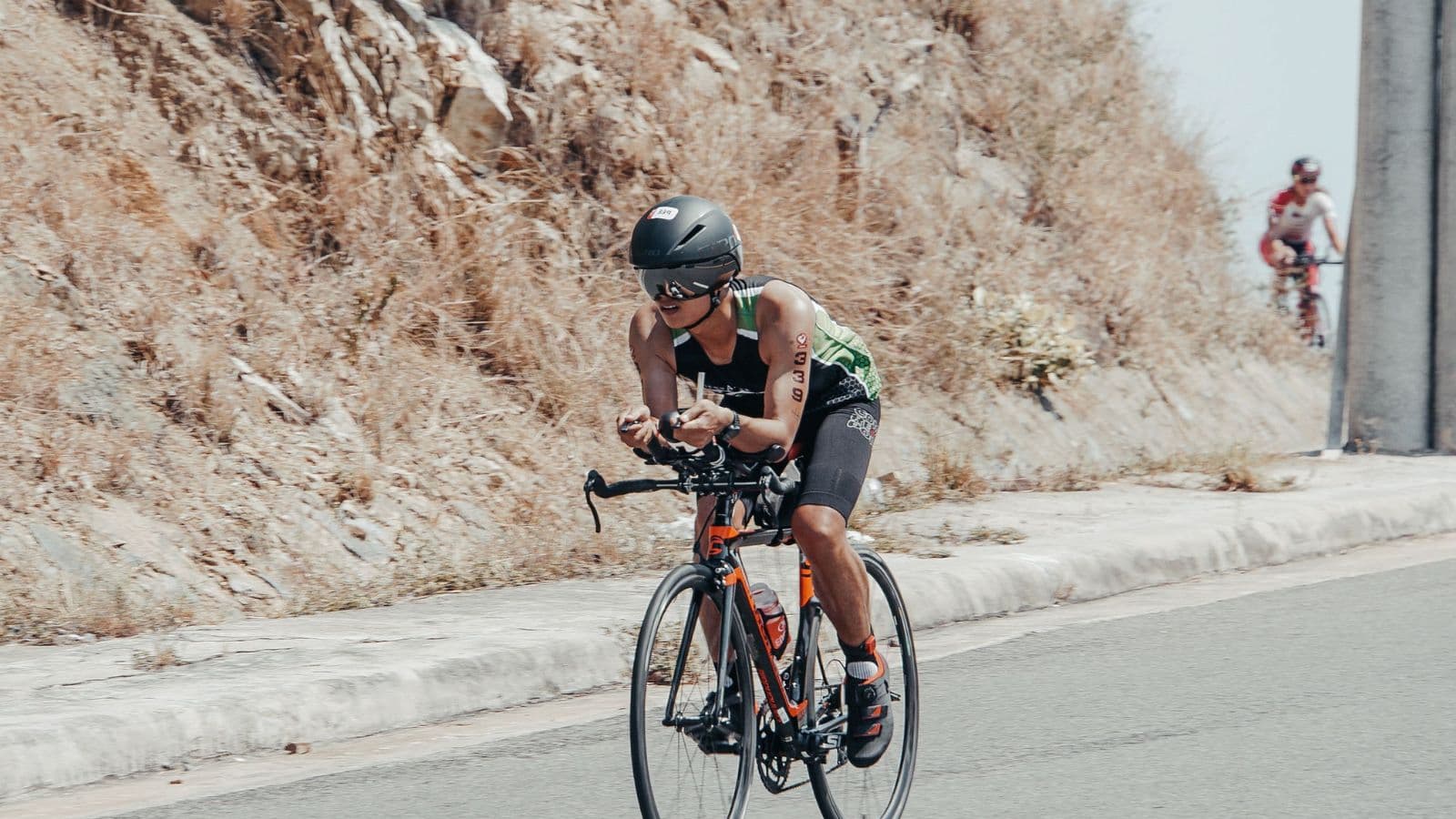


Every triathlete hopes for calm conditions on race day, but wind is often unavoidable. Whether you’re riding into a strong headwind or battling unpredictable crosswinds, knowing how to adapt can make a significant difference to both your speed and energy levels. Many athletes make the mistake of fighting the wind by pushing harder than planned. While this may seem like the quickest solution, it often leads to early fatigue and compromises the run that follows. Instead, successful triathletes learn how to work with the conditions. Small adjustments to pacing, body position and bike handling allow you to stay efficient, conserve energy and maintain control even when the wind is working against you.
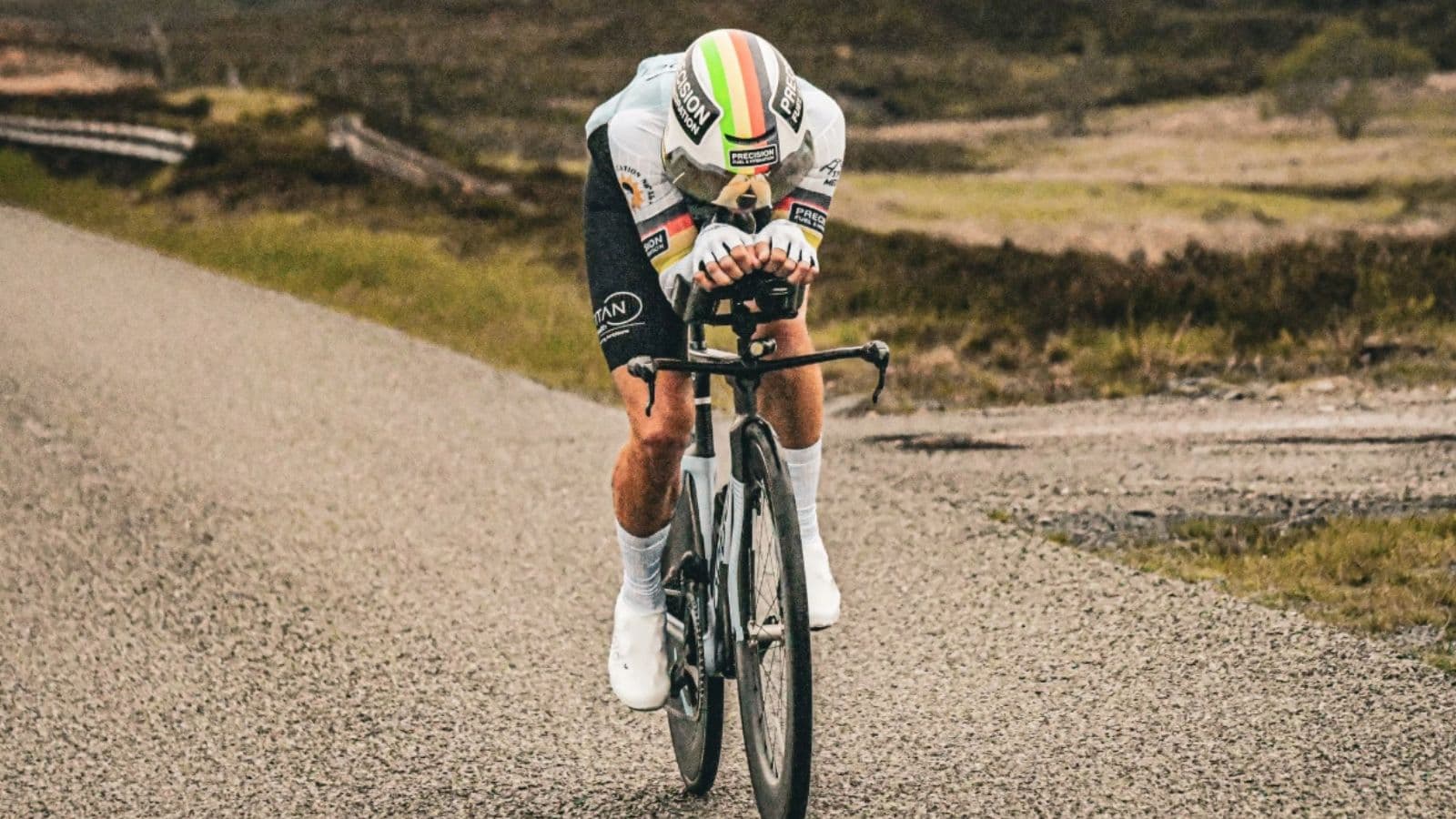
Why Wind Has Such a Big Impact?
Wind resistance is the largest force most cyclists must overcome once they reach moderate speeds. As your speed increases, aerodynamic drag becomes an increasingly important factor, meaning even a modest headwind can noticeably reduce your average speed. Rather than trying to maintain the same pace you would achieve on a calm day, focus on maintaining a consistent effort. Power output and perceived exertion are far better guides than speed when riding into the wind.
Riding Efficiently Into a Headwind
Headwinds require patience.
One of the biggest mistakes athletes make is trying to “beat” the wind by dramatically increasing their effort.
Instead:
- Hold your planned race effort.
- Accept that your speed will decrease.
- Stay seated whenever possible.
- Maintain smooth pedalling.
- Avoid sudden surges.
Keeping your effort controlled helps preserve energy for the remainder of the bike leg and the run. If you pace correctly, you’ll often regain much of the lost time once the course turns or the wind eases. For pacing guidance, how to pace and fuel the bike leg in a triathlon explains how to manage your effort throughout the ride.
Stay as Aerodynamic as Possible
Reducing your frontal area is one of the most effective ways to minimise the effects of a headwind.
Aim to:
- Stay comfortably in your aero position.
- Lower your shoulders.
- Keep your elbows tucked in.
- Relax your upper body.
- Avoid unnecessary movement.
Even small improvements in aerodynamics can produce meaningful gains over long distances. However, never sacrifice bike control simply to remain in the aero bars during difficult conditions.
Adjust Your Gearing
Many riders stay in gears that are too difficult when facing a headwind. Instead, shift into an easier gear that allows you to maintain a smooth cadence without excessive muscular strain.
Benefits include:
- Reduced fatigue.
- Better pedalling efficiency.
- Lower stress on your legs.
- Improved pacing.
Maintaining rhythm is usually more effective than grinding a heavy gear at a low cadence. If cadence is something you’re working on, what is the ideal cadence for long distance cycling explains how cadence affects endurance and efficiency.
How to Handle Crosswinds?
Crosswinds affect handling far more than speed. Sudden gusts can push your bike sideways, particularly when riding with deep-section wheels or while passing exposed areas.
To remain stable:
- Keep your hands relaxed.
- Stay alert.
- Expect gusts near gaps in hedges or buildings.
- Look ahead rather than directly at your front wheel.
- Maintain a smooth line.
Trying to fight every gust with abrupt steering often makes the bike feel less stable. Instead, make small, controlled corrections while allowing the bike to move naturally beneath you.
Relax Your Upper Body
Tension makes bike handling more difficult. When riders become nervous in windy conditions, they often grip the handlebars too tightly and lock their elbows.
Instead:
- Keep your elbows slightly bent.
- Relax your shoulders.
- Hold the bars lightly.
- Let the bike move beneath you.
A relaxed upper body absorbs sudden wind movements much more effectively than a rigid one.
Look Ahead, Not Down
Your bike naturally follows your line of sight. Looking several metres ahead helps you anticipate changes in the road and react smoothly to gusts.
Pay particular attention when approaching:
- Open fields.
- Bridges.
- Coastal roads.
- Large vehicles.
- Tree-lined sections with gaps.
These are common places where wind direction and intensity change suddenly.
Choose a Safe Road Position
Strong crosswinds sometimes require small adjustments to your position within your lane. Without crossing road markings or compromising safety, allow yourself enough space to react if a gust pushes you sideways.
Always remain aware of:
- Other cyclists.
- Traffic.
- Road debris.
- Course barriers.
- Aid stations.
Safety should always take priority over maintaining the perfect racing line.
Practice Riding in Wind
Many athletes avoid cycling on windy days, but controlled exposure builds valuable confidence and handling skills. Start by practicing in moderate conditions before gradually becoming comfortable in stronger winds.
Focus on:
- Holding a straight line.
- Riding in the aero position when appropriate.
- Smooth gear changes.
- Relaxed upper-body posture.
- Consistent cadence.
Like any cycling skill, confidence improves with repetition rather than theory alone.
Adapt Your Pacing Strategy
Windy conditions often tempt athletes to chase a target speed, but this usually results in unnecessary fatigue.
Instead of trying to maintain the same kilometres per hour regardless of conditions, pace according to:
- Power output.
- Heart rate.
- Perceived effort.
It’s perfectly normal to ride more slowly into a headwind and significantly faster with a tailwind while maintaining a similar overall effort. This approach conserves energy and leaves more in reserve for the run. If you’re aiming to ride faster overall, how can triathletes increase their average cycling speed explains why managing effort is more effective than focusing solely on speed.
Don’t Fight Every Gust
Crosswinds often come in short bursts rather than remaining constant. Instead of making sudden steering corrections every time you feel the bike move, anticipate that the wind will fluctuate and allow the bike to drift slightly within a safe riding line. Smooth, controlled movements help maintain stability far better than aggressive reactions. With experience, you’ll learn to predict where gusts are likely to occur and respond calmly.
Be Cautious with Deep-Section Wheels
Deep aerodynamic wheels provide excellent performance in many conditions but can become more challenging to handle during strong crosswinds. This doesn’t mean they should always be avoided, but it’s important to understand how they behave.
If you’re racing in particularly windy conditions:
- Stay relaxed.
- Reduce time in the aero bars if necessary.
- Practise riding with your race wheels before competition.
- Prioritise bike control over aerodynamics.
Confidence with your equipment comes from familiarity, not race-day experimentation.
Fuel and Hydrate as Normal
Wind increases effort even when your speed is lower. Many athletes mistakenly assume they need less nutrition because they’re travelling more slowly. In reality, maintaining your planned nutrition strategy according to what to eat before triathlon cycling is helpful and remains essential.
Continue to:
- Drink regularly.
- Consume carbohydrates according to your race plan.
- Replace electrolytes during longer rides.
- Avoid waiting until you feel thirsty.
Good fuelling helps maintain both physical performance and concentration in demanding conditions.
Train Indoors and Outdoors
Indoor trainers are excellent for structured workouts, but they can’t replicate the handling skills required for windy outdoor riding. A balanced training program includes both and training techniques like bike handling and cornering indoors can be beneficial for the triathletes.
Indoor sessions help improve:
- Power.
- FTP.
- Interval quality.
- Consistency.
Outdoor rides develop:
- Bike handling.
- Confidence.
- Wind awareness.
- Cornering skills.
- Positioning.
Combining both environments prepares you for almost any race-day conditions. For a detailed comparison, indoor vs outdoor cycling training in a triathlon explains how each contributes to your development.
Common Mistakes
- Chasing speed into a headwind.
- Riding in gears that are too heavy.
- Gripping the handlebars too tightly.
- Staying in the aero bars when bike control becomes unsafe.
- Making sudden steering corrections.
- Ignoring nutrition because speeds are lower.
- Avoiding outdoor riding on windy days.
- Panicking during unexpected gusts.
Practical Tips
- Pace by effort rather than speed.
- Stay aerodynamic when it’s safe to do so.
- Shift into easier gears when riding into headwinds.
- Relax your shoulders and arms.
- Look ahead to anticipate gusts.
- Practise riding in moderate windy conditions.
- Fuel according to your planned schedule.
- Prioritise bike control over aerodynamics when necessary.
Actionable Takeaways
Headwinds and crosswinds are an inevitable part of triathlon, but they don’t have to ruin your bike leg. By pacing according to effort, maintaining an aerodynamic position when appropriate and staying relaxed on the bike, you can minimise the effects of the wind while preserving energy for the run.
The best way to become confident in windy conditions is through regular practice. Training outdoors in a variety of weather conditions improves both your bike handling and your decision-making, ensuring you’re prepared for whatever race day brings.