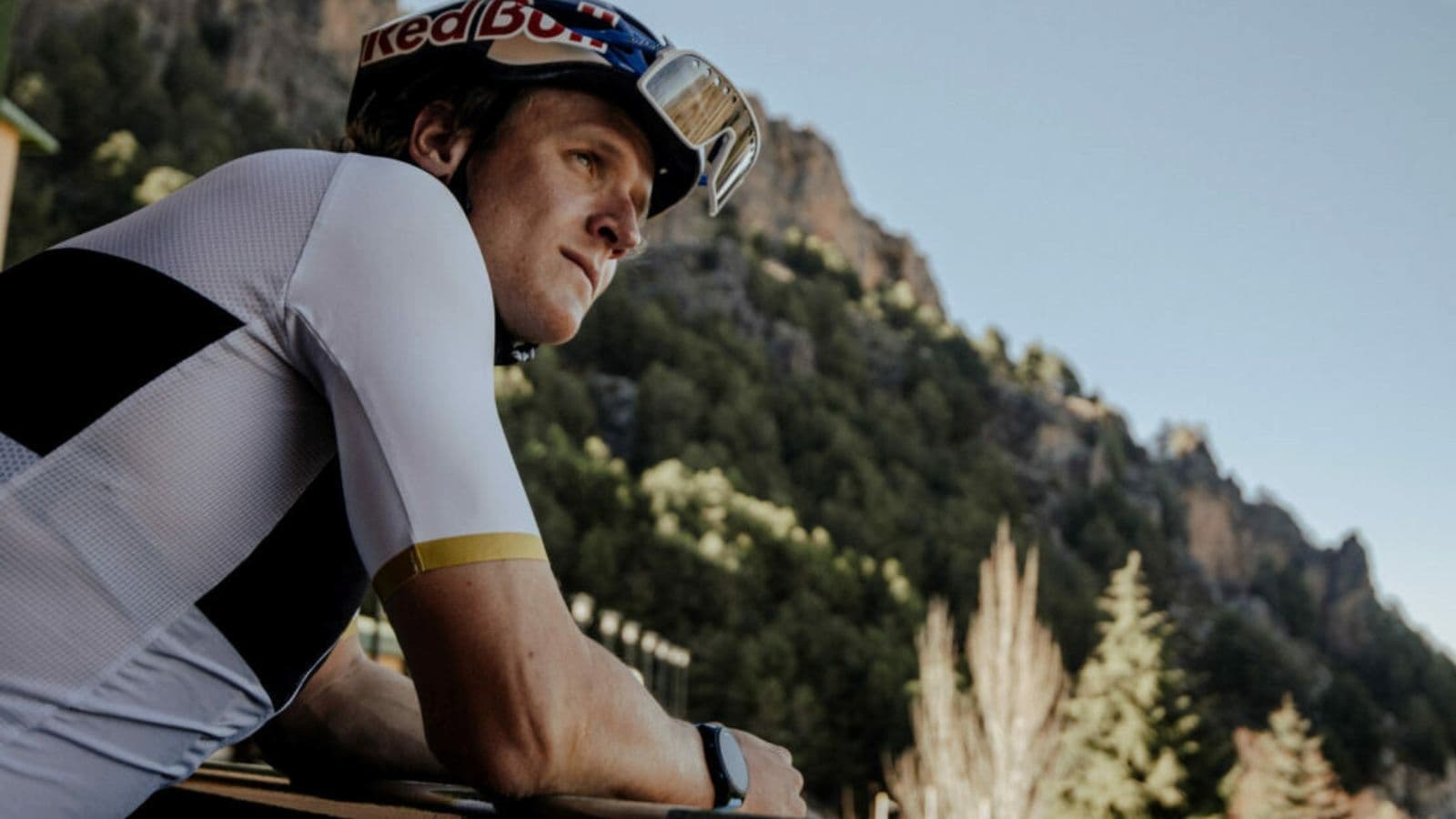


Triathletes often debate whether indoor or outdoor cycling is better for improving race performance. The truth is that both have distinct advantages, and neither should completely replace the other. Indoor cycling provides a controlled environment for structured training, while outdoor riding develops the technical skills and race awareness that can’t be replicated on a trainer. The most successful triathletes use both strategically throughout the year. Choosing the right session depends on your training objective rather than personal preference.
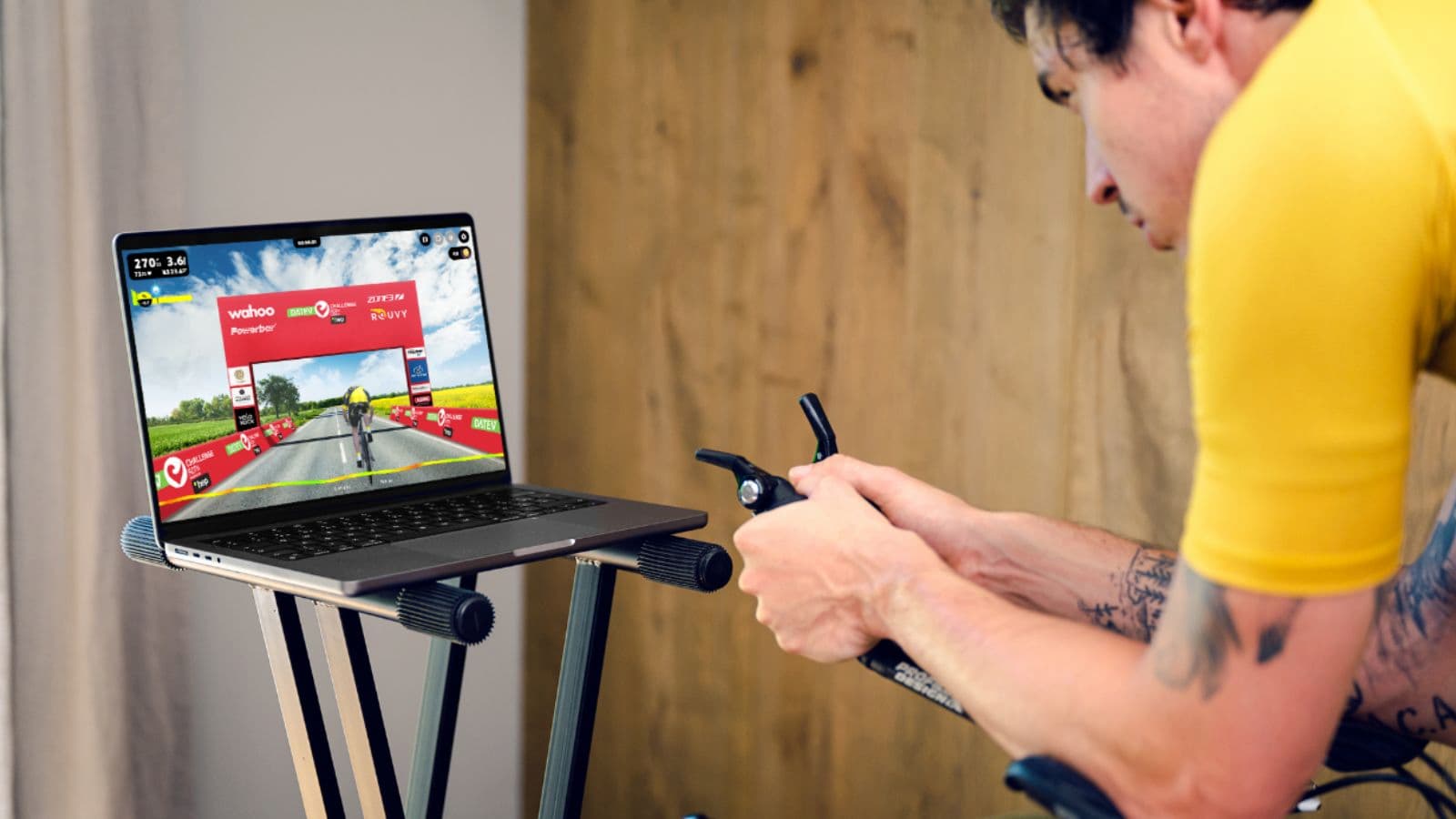
Indoor Cycling Offers Maximum Training Efficiency
Indoor riding removes many of the interruptions that occur outdoors.
Instead of stopping for:
- Traffic lights.
- Junctions.
- Descents.
- Heavy traffic.
- Poor road surfaces.
You can pedal continuously throughout the workout. This allows every minute to contribute towards your training goal. Many athletes improve consistency through what are the benefits of indoor cycling all year round, making structured riding part of their routine regardless of the season.
Outdoor Riding Builds Real-World Skills
Triathlon races take place outdoors. Training outside develops skills that indoor riding cannot fully reproduce.
These include:
- Cornering.
- Descending.
- Climbing.
- Riding in crosswinds.
- Braking.
- Positioning on the road.
These abilities become increasingly valuable on technical race courses.
Indoor Training Is Ideal for Structured Intervals
Maintaining precise intensity outdoors can be difficult because of changing terrain and traffic.
Indoor cycling allows you to perform:
- Threshold intervals.
- VO₂ max sessions.
- Sweet spot workouts.
- Cadence drills.
- Recovery rides.
Every interval can be completed without interruption. Many triathletes pair these sessions with what is zone 2 cycling in a triathlon, ensuring higher-intensity work is balanced with aerobic development.
Outdoor Riding Improves Bike Handling
Bike handling is an essential triathlon skill.
Outdoor rides help improve:
- Confidence at speed.
- Smooth cornering.
- Emergency braking.
- Line selection.
- Riding over different road surfaces.
These skills cannot be fully developed indoors. Many athletes continue refining them through can group rides make you a better triathlon cyclist, where riding with others improves awareness and confidence.
Indoor Cycling Makes Consistency Easier
Busy schedules often reduce training time.
Indoor sessions remove:
- Travel time.
- Route planning.
- Weather delays.
This makes it easier to complete quality workouts before or after work. Missing fewer sessions generally leads to better long-term progress.
Outdoor Riding Helps You Practise Race Nutrition
Long outdoor rides closely resemble race conditions.
They allow you to practise:
- Drinking while riding.
- Eating at speed.
- Carrying nutrition.
- Riding in aero position while fueling.
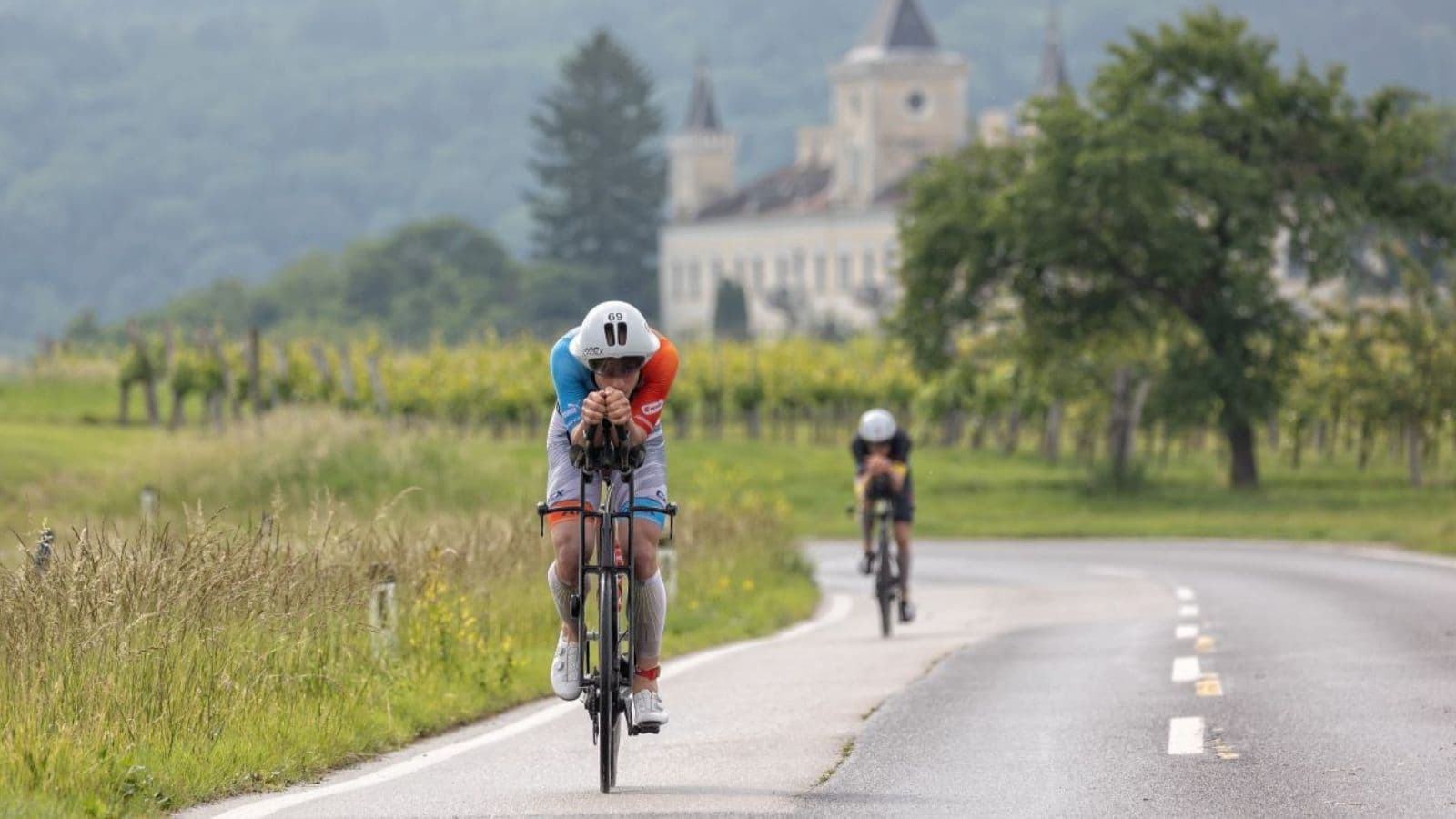
These are difficult to simulate completely indoors. Many athletes develop this routine by following how should triathletes fuel during the bike leg, ensuring nutrition becomes automatic on race day.
Indoor Riding Improves Focus
Indoor cycling requires sustained concentration.
Without external distractions, you can focus on:
- Power output.
- Cadence.
- Pedalling technique.
- Heart rate.
- Breathing.
This often leads to more precise execution of planned sessions.
Outdoor Cycling Improves Confidence Before Racing
Race-day confidence comes from spending time in real riding conditions.
Outdoor sessions expose you to:
- Wind.
- Variable gradients.
- Changing weather.
- Different road surfaces.
- Technical descents.
The more experience you gain, the more comfortable you’ll feel during competition.
Weather Shouldn’t Stop Your Training
One advantage of indoor cycling is reliability.
If conditions include:
- Ice.
- Storms.
- Heavy rain.
- Extreme heat.
- Poor visibility.
Moving the session indoors often provides a safer alternative without sacrificing training quality.
Both Improve Aerobic Fitness
Whether riding indoors or outdoors, aerobic adaptations remain similar when effort is matched.
Both can improve:
- Cardiovascular fitness.
- Endurance.
- Fat oxidation.
- Muscular endurance.
The deciding factor is how consistently you train. Many triathletes develop this foundation through zone 2 cycling training in a triathlon, regardless of where they ride.
Prepare Specifically for Your Goal Race
As race day approaches, increase the amount of riding that resembles your event.
Outdoor rides become particularly important for:
- Positioning on the bike.
- Handling aid stations.
- Riding in aero position.
- Managing changing terrain.
However, indoor sessions remain valuable for maintaining structured interval work.
Use Both Throughout the Season
A balanced approach often produces the best results.
For example:
Indoor
- Weekday intervals.
- Recovery rides.
- Cadence sessions.
- Time-efficient workouts.
Outdoor
- Long endurance rides.
- Brick sessions.
- Race simulations.
- Technical skills.
Combining both environments creates a more complete cyclist. Many athletes integrate this approach while following how to improve your bike split in triathlon, ensuring both fitness and technique continue to develop.
Common Mistakes
Avoid these common errors:
- Riding indoors exclusively.
- Ignoring bike handling skills.
- Riding outdoors without a structured plan.
- Skipping recovery sessions.
- Training too hard every ride.
- Neglecting nutrition practice.
- Avoiding outdoor riding before race day.
- Letting weather completely disrupt your programme.
A balanced programme almost always produces better results than relying on only one training environment.
Practical Tips
Get the most from both by:
- Completing intervals indoors.
- Doing long rides outdoors.
- Practising nutrition outside.
- Using indoor sessions during poor weather.
- Riding outdoors regularly before races.
- Monitoring fatigue.
- Matching each session to its purpose.
Many triathletes also improve race execution through how to transition faster in a triathlon, ensuring the benefits gained on the bike continue into the run. Finally, combining structured cycling with how to avoid bonking when running in a triathlon helps ensure your bike training supports a stronger run rather than leaving you depleted before T2.
The Bottom Line
Indoor and outdoor cycling aren’t competing training methods, they complement each other. Indoor riding provides unmatched efficiency for structured workouts, while outdoor riding develops the handling skills, confidence and race-specific experience needed for triathlon. Rather than choosing one over the other, use both throughout your training year. Combining the precision of indoor sessions with the practical demands of outdoor riding will prepare you for every aspect of race day and help you become a stronger, more complete triathlete.