

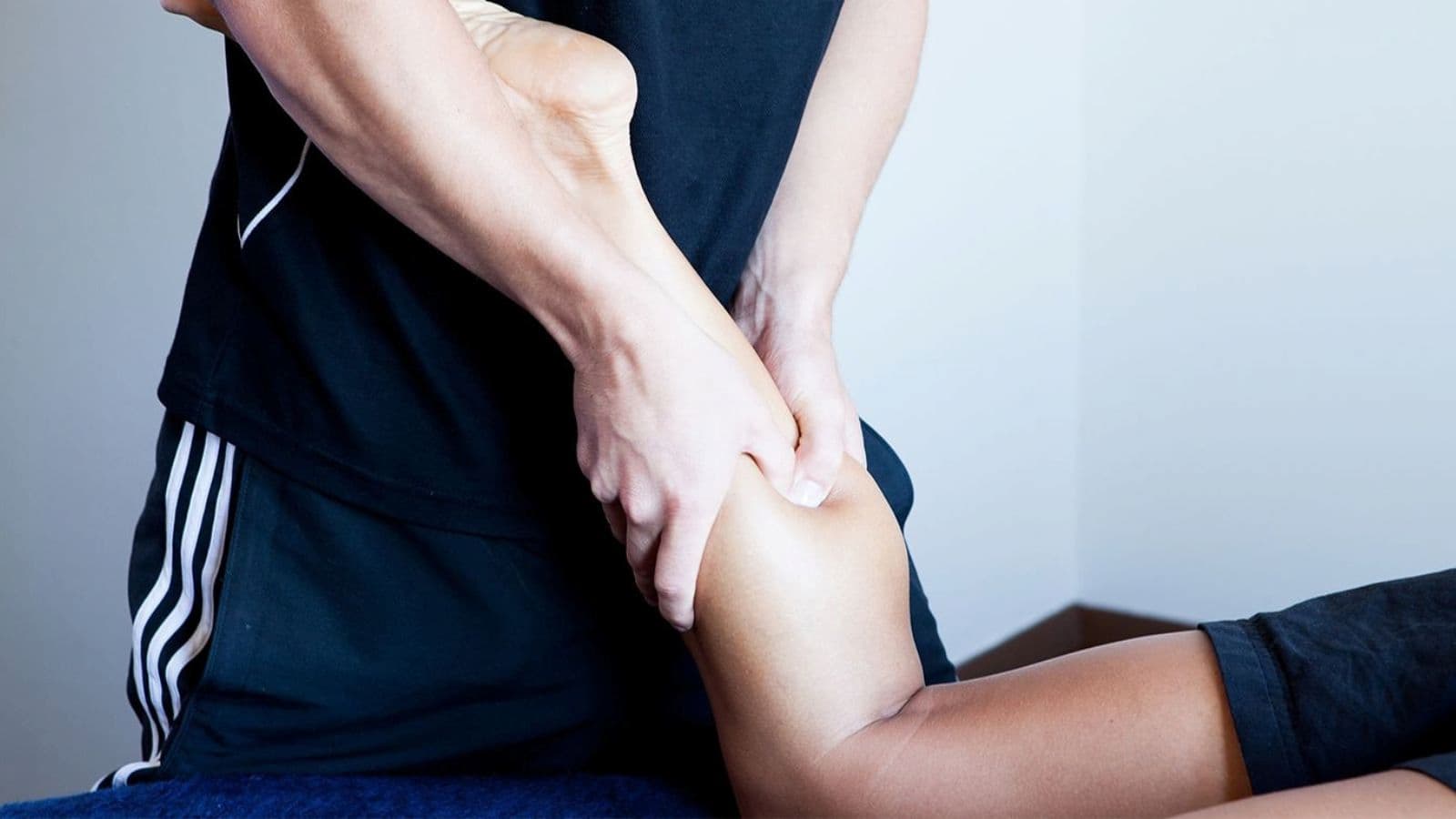
Yes, massage can help with some aspects of triathlon recovery, particularly muscle soreness, stiffness, relaxation, and how recovered your muscles feel. This can be useful after demanding bike and run sessions or following a race. Massage should not, however, be treated as a shortcut to complete recovery. Feeling looser after a massage does not necessarily mean your muscles have fully repaired or that you are ready for another demanding workout. Triathletes also have to recover from three different sports. Running can create considerable impact and muscular stress, cycling can leave specific muscle groups fatigued, and swimming can produce upper body soreness, so massage needs can vary throughout a training week. The best approach is to use massage as an optional addition to good recovery habits. Sleep, adequate food, hydration, sensible training load, and enough easy or rest days remain the foundation of consistent recovery.
In Short
- Massage may reduce perceived muscle soreness.
- It can temporarily reduce stiffness.
- Many athletes find massage relaxing.
- It does not instantly repair damaged muscle.
- Deep pressure is not always better.
- Timing matters around races.
- Self massage can also be useful.
- Massage cannot compensate for inadequate sleep.
- Injury pain should not simply be massaged away.
- Basic recovery habits remain more important.
How Can Massage Help Triathletes?
Massage is most useful for how your body feels during recovery.
Potential benefits include:
- Less perceived soreness.
- Reduced feelings of stiffness.
- Short term improvements in flexibility.
- Relaxation.
- Greater comfort after training.
These effects can make recovery feel easier, particularly during a demanding training block. However, the fundamentals covered in what should triathletes eat for better training and recovery remain essential because massage cannot replace the energy and nutrients required for normal recovery processes.
Can Massage Reduce Muscle Soreness?
Massage may help reduce the perception of delayed onset muscle soreness, commonly called DOMS.
Triathletes may experience soreness after:
- Long runs.
- Hard intervals.
- Hilly training.
- Strength sessions.
- Long distance races.
Running often creates more noticeable soreness because of its repetitive impact and eccentric muscular loading. If soreness is severe or localized rather than general, do not automatically assume massage is the solution.
Does Massage Make Muscles Recover Faster?
Feeling better and being fully recovered are not the same thing. Massage may improve comfort, but your muscles still require time to recover from demanding exercise.
Recovery depends on factors including:
- Training stress.
- Sleep.
- Nutrition.
- Hydration.
- Time between sessions.
This is why slower training sessions are important for triathlon cycling matters within a recovery plan. Sometimes reducing training stress is more useful than adding another recovery treatment.
When Should Triathletes Get a Massage?
There is no single perfect time.
Timing should depend on:
- Recent training.
- Muscle soreness.
- Massage intensity.
- Upcoming workouts.
- Race schedule.
A gentle massage may feel comfortable after training, while an aggressive deep tissue treatment can leave some athletes tender.
If you know a particular massage leaves you sore for a day, avoid scheduling it immediately before an important workout or race.
Is Deep Tissue Massage Better?
Not necessarily. More pressure does not automatically produce better recovery.
Deep massage may leave muscles feeling:
- Tender.
- Sensitive.
- Heavy.
- Temporarily sore.
Tell your massage therapist about your recent swim, bike, run, and strength training so the treatment can reflect your current workload. An athlete completing how can interval training improve triathlon cycling speed may want to avoid aggressive leg massage immediately before another demanding cycling session.
Can Massage Help After an Ironman?
Massage can be part of post Ironman recovery, but it should not become the first priority.
Immediately after racing, focus on:
- Food.
- Fluid.
- Dry clothing.
- Rest.
- Sleep.
Your muscles may be particularly sensitive after a long distance event. A gentle massage may feel comfortable, while strong pressure immediately after racing could simply create additional discomfort. Recovery from an Ironman takes time regardless of how many recovery treatments you use.
What About Massage After Hard Running?
The run leg and demanding run training can leave the quadriceps, calves, hamstrings, and hips sore. Massage may help these areas feel more comfortable. However, recurring soreness may also indicate that training load is too high. Following how to avoid running injuries as mileage increases in a triathlon can help address how running stress is introduced rather than relying on massage every time your legs become excessively sore.
Can Massage Help After Cycling?
Long rides can create fatigue and stiffness even though cycling does not produce the same impact as running.
Triathletes may notice discomfort around the:
- Quadriceps.
- Glutes.
- Calves.
- Lower back.
- Shoulders.
- Neck.
Massage may help these areas feel more relaxed. But repeated discomfort should also prompt you to consider your riding position. How do you adjust your bike for a better fit can help identify whether your setup is contributing to recurring discomfort.
Can Massage Help Swimmers?
Swimming places substantial repetitive demand on the shoulders, upper back, chest, and arms. A triathlete may use massage to reduce the feeling of tightness around these areas. However, persistent shoulder pain should not simply be treated with repeated massage. Technique, training volume, strength, and recovery may all need attention. Improving how to coordinate breathing with your swim strokes in a triathlon can also reduce unnecessary tension when poor breathing mechanics are affecting swimming comfort and efficiency.
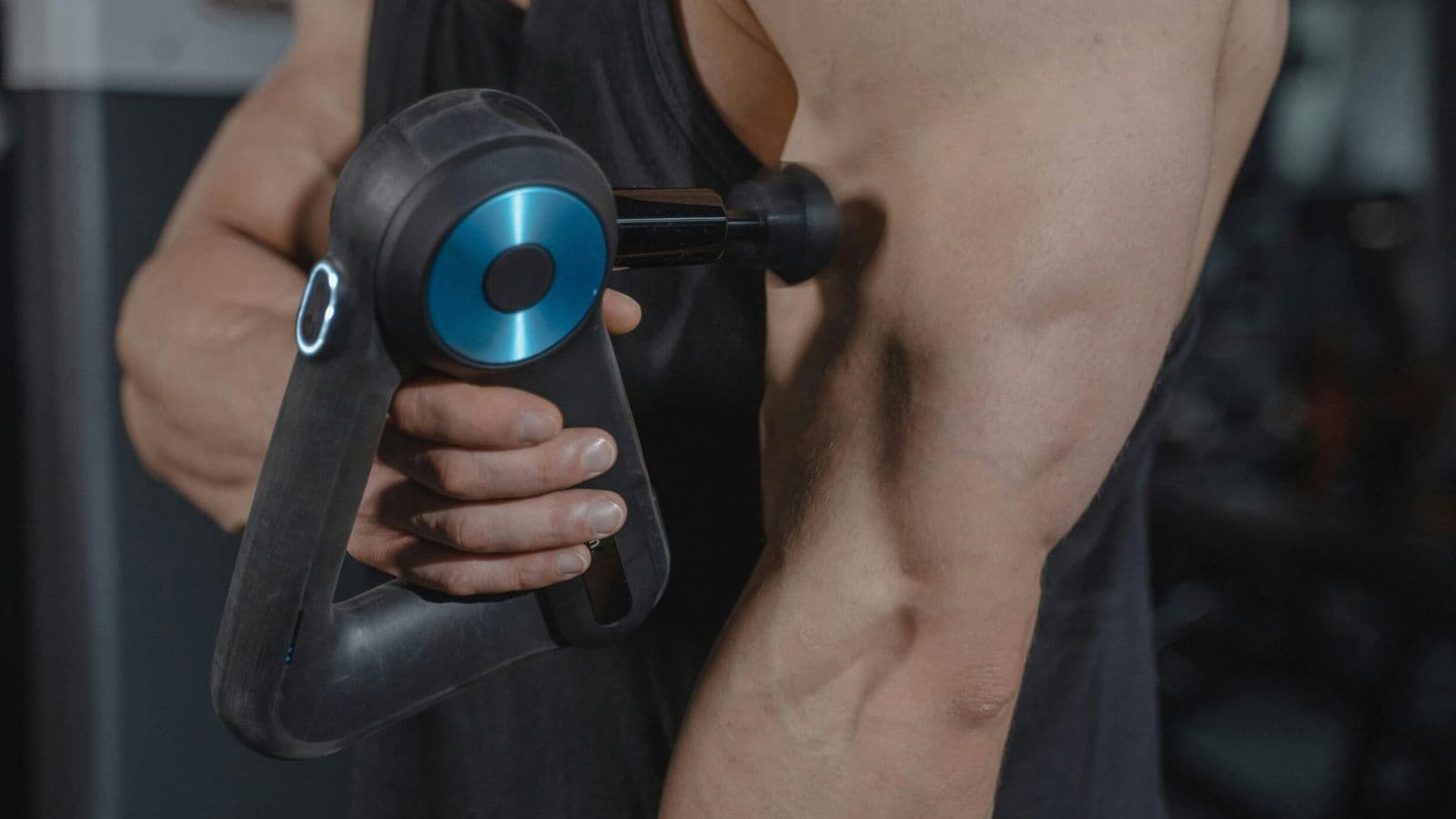
Can You Use a Massage Gun?
Massage guns are popular because they allow athletes to perform self massage quickly.
If you use one:
- Begin with low intensity.
- Keep it moving.
- Avoid painful pressure.
- Avoid injured areas.
- Follow the manufacturer’s guidance.
You do not need to make treatment painful for it to feel useful. Do not use a massage gun directly over an area with unexplained severe pain, significant swelling, suspected injury, or damaged skin.
What About Foam Rolling?
Foam rolling provides another accessible form of self treatment.
Triathletes commonly use it on the:
- Quadriceps.
- Calves.
- Glutes.
- Hamstrings.
- Upper back.
It may temporarily reduce the feeling of stiffness and help some athletes move more comfortably. As with massage, harder rolling is not automatically more effective. Use enough pressure to feel useful without treating pain as evidence that the technique is working.
Massage Cannot Replace Sleep
Recovery treatments can be appealing because they feel proactive, but basic habits usually matter more. Sleep supports recovery from repeated training stress. If poor sleep is combined with high swim, bike, and run volume, massage cannot compensate for the resulting fatigue. Your training plan should include enough easier sessions and recovery opportunities rather than expecting treatments to make an unsustainable workload manageable.
Do Not Massage Away Injury Pain
Normal post training soreness is different from injury pain.
Be cautious if you experience:
- Sharp pain.
- Significant swelling.
- Sudden weakness.
- Pain that changes your movement.
- Pain that progressively worsens.
- Persistent localized pain.
Aggressive massage is not an appropriate substitute for understanding the cause. The principles in what training habits increase injury risk in runners can help identify whether excessive load or poor recovery may be contributing to recurring problems.
Does Cold Water Work Better Than Massage?
Neither needs to be viewed as universally better. Massage and cold water immersion are different recovery strategies with different practical uses. Some athletes prefer massage for relaxation and muscle comfort, while others use cold water after particularly demanding sessions or races. Understanding does cold water immersion help in triathlon recovery can help you decide whether either method fits your own training and racing schedule. You also do not need to use every available recovery technique.
Common Mistakes
- Treating massage as essential for recovery.
- Assuming painful massage works better.
- Getting aggressive treatment before a race.
- Using massage instead of taking a rest day.
- Returning to hard training because soreness disappeared.
- Ignoring poor sleep.
- Ignoring inadequate nutrition.
- Massaging unexplained injury pain.
- Using recovery treatments to support excessive training.
Practical Tips
- Use massage as a supporting recovery tool.
- Adjust pressure to your current soreness.
- Tell the therapist about recent training.
- Avoid unfamiliar treatments before important races.
- Keep post race massage comfortable.
- Use self massage when convenient.
- Stop if treatment causes sharp pain.
- Prioritize sleep and nutrition first.
- Review training load if soreness repeatedly becomes excessive.
Actionable Takeaways
- Massage can help soreness and stiffness feel better.
- Do not confuse reduced soreness with complete recovery.
- Choose timing and pressure carefully.
- Keep rest, food, hydration, and sleep as priorities.
If accumulated fatigue continues despite recovery treatments, understanding when should you stop during a triathlon can also reinforce why athletes need to recognize when discomfort has moved beyond something they should simply push through.