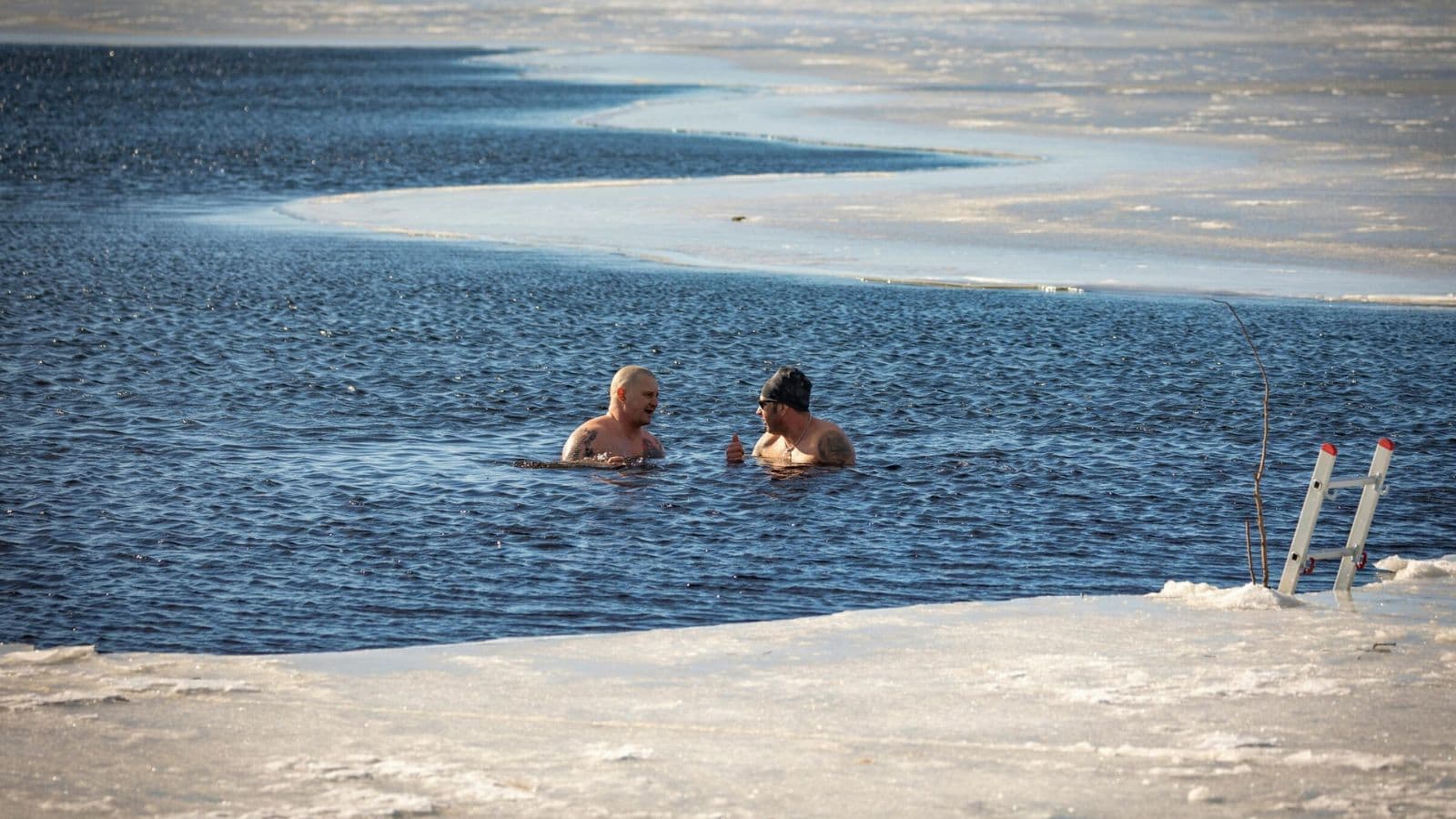


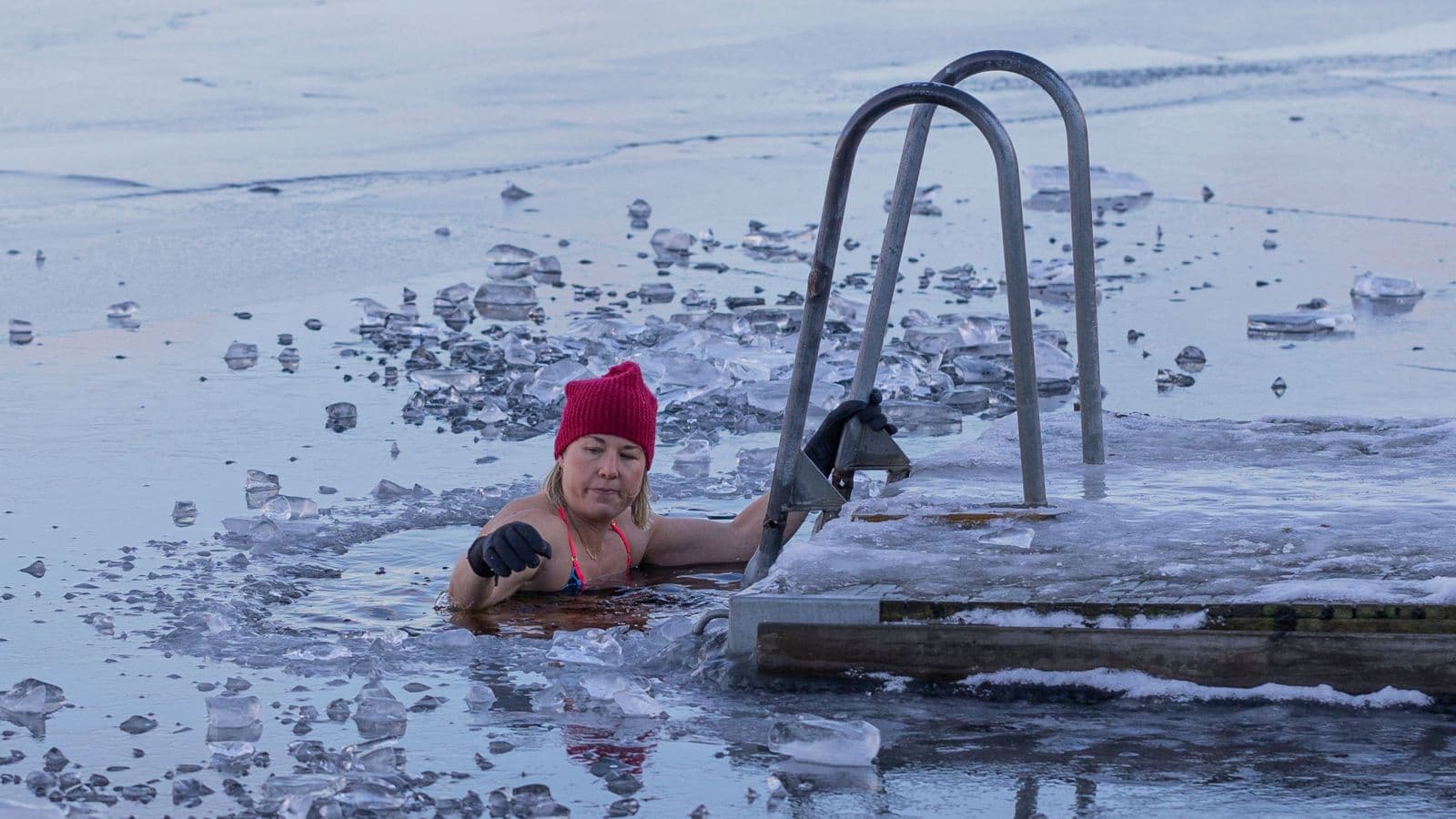
Cold water immersion can help some triathletes feel less sore and more recovered after demanding exercise, but it is not essential after every workout. The practice usually involves placing part or most of the body in cold water for a short period after training or racing. Athletes often call this an ice bath, although the water does not need to contain ice to be cold enough to create a cooling effect. For triathletes, cold water immersion can be particularly useful when rapid recovery matters, such as after a race, a demanding training day, or between closely scheduled sessions. However, recovery is bigger than cold water. Sleep, fueling, hydration, training load, and rest should remain the priorities.
In Short
- Cold water immersion may reduce perceived muscle soreness.
- It can help some athletes feel more recovered after hard exercise.
- It is more useful when rapid recovery is a priority.
- You do not need an ice bath after every workout.
- Colder water is not automatically better.
- It should be used carefully after cold weather training.
- Strategic use makes more sense than routine use after every session.
What Cold Water Immersion Does?
Cold water removes heat from the body faster than air. Immersion also creates pressure around the submerged tissues, while cooling causes physiological responses that may influence blood flow, swelling, and how soreness is perceived. The most noticeable benefit for many athletes is simply that their legs feel better afterward. That can be useful, but feeling recovered and being completely physiologically recovered are not necessarily the same thing. Cold water should therefore be treated as a recovery tool rather than a way to erase the stress created by training.
It May Reduce Muscle Soreness
Delayed muscle soreness can appear after unfamiliar or demanding exercise. Running, particularly hard or prolonged running, can create substantial muscular stress because the legs repeatedly absorb impact. Cold water immersion may reduce how sore athletes feel during the recovery period after demanding exercise. This can be useful after races or particularly difficult training sessions. However, athletes dealing with recurring soreness should also consider whether their training load is appropriate. Understanding how to reduce fatigue during a race helps separate normal post exercise soreness from training patterns that repeatedly overload the body.
Running May Benefit More Than Easy Cycling
Not every triathlon workout creates the same recovery demand. Running creates repetitive impact and can produce significant muscle damage, particularly after long races, hills, or unfamiliar intensity. Easy cycling generally produces less impact related muscle damage. This means an ice bath after every easy ride is unlikely to be necessary.
After a demanding run, recovery priorities should still include:
- Food
- Fluids
- Sleep
- Appropriate rest
Following how can runners recover from a hamstring strain is also more appropriate than relying on cold water when soreness is actually related to an injury. Cold water is not an injury treatment for every painful muscle.
Useful After Hard Racing
A triathlon race can leave the whole body fatigued. The swim stresses the shoulders and upper body, the bike creates prolonged muscular work, and the run adds impact when the legs are already tired. Cold water immersion may be useful after a hard race when your immediate goal is to reduce soreness and improve how recovered you feel. This becomes particularly relevant when another event is approaching soon. Athletes attempting how to race two consecutive ironman in one season need to manage recovery across days and weeks rather than relying on one post race technique.
An ice bath can be one small part of that process.
Recovery Between Closely Spaced Sessions
Triathletes sometimes complete two workouts in one day.
For example:
- Morning swim and evening run.
- Bike followed later by strength work.
- Hard run followed by an easy swim.
- Long bike followed by recovery training the next day.
Cold water immersion may be useful when the priority is feeling ready for another demanding session within a short period. However, the first question should be whether the schedule itself is appropriate. Adding recovery methods to an overloaded program does not make excessive training sustainable.
Cold Water Cannot Replace Sleep
Sleep remains one of the most important parts of recovery. A triathlete who sleeps poorly but uses an ice bath after every workout is focusing on the smaller intervention while neglecting a major recovery need. During sleep, processes involved in physical and neurological recovery take place. Poor sleep can also make training feel harder and affect motivation, concentration, and performance. Therefore, it is important to understand how much sleep does triathletes need for better recovery.

Fuel Before Thinking About the Ice Bath
After long or demanding training, your body needs nutrients. Carbohydrate helps replenish glycogen, while protein supports muscle repair and adaptation. If you finish a long ride and immediately focus on cold water while delaying food for hours, your recovery priorities are backward.
Understanding what should cyclists eat for better training and recovery provides a better foundation for post ride recovery than relying on cold exposure alone. Eat according to the demands of your session, particularly when another workout is scheduled soon. Cold water does not replenish glycogen.
Hydration Still Matters
Long training sessions can create substantial fluid losses, especially in hot conditions. Cold water may make you feel refreshed, but it does not replace the fluids you lost. Rehydrate according to your needs after training. This becomes particularly important after long, hot rides where sweat losses can be significant. Understanding how much should you drink per hour when cycling in hot weather can help prevent a large hydration deficit from developing during the session in the first place.
Recovery starts while you are still training.
More Cold Is Not Better
Extremely cold water can be uncomfortable and potentially unsafe. Research protocols vary, but sports recovery approaches commonly use cool to cold water rather than trying to reach the lowest possible temperature. Duration also varies. The goal should be controlled exposure, not proving how long you can tolerate extreme cold.
Get out if you feel:
- Excessively uncomfortable
- Numb
- Dizzy
- Confused
- Otherwise unwell
Athletes with medical conditions that may affect their response to cold should seek appropriate medical advice before using cold water immersion.
Be Careful After Cold Weather Training
Cold water immersion makes little sense if you are already excessively cold after training. For example, an athlete completing a winter ride may need to warm up rather than immediately lower body temperature further. Knowing how cold is too cold to cycle outdoors can help cyclists recognize when environmental cold is already placing additional stress on the body. Change out of wet clothing and restore comfort first. Recovery strategies should match the conditions. There is no reason to use cold water simply because another athlete does.
Frequent Use May Affect Adaptation
Recovery is not always about removing every training response as quickly as possible. Exercise creates stress that stimulates adaptation. Some evidence suggests that frequent cold water immersion immediately after resistance training may reduce aspects of muscle growth and strength adaptation. This does not mean triathletes must avoid cold water completely. It means timing and training goals matter. After an important strength session, athletes focused on maximizing strength adaptation may choose not to immediately use cold water immersion routinely. Understanding what strength training should cyclists do to ride faster in a triathlon also helps place strength work within the wider endurance program.
Use It When Rapid Recovery Matters
Cold water immersion makes the most sense when short term recovery is more important than maximizing every possible training adaptation.
Useful situations may include:
- After a race.
- During a competition period.
- Between demanding events.
- After unusually hard training.
- During a training camp.
- When muscle soreness is likely to affect the next session.
During normal training weeks, you do not necessarily need it after every workout.
Sometimes allowing the body to recover naturally with food, sleep, and easy activity is enough.
Active Recovery Is Another Option
An ice bath is not the only way to recover. Easy movement can help some athletes feel less stiff after demanding training.
Examples include:
- Easy swimming.
- Gentle spinning.
- Walking.
- Light mobility.
A very easy bike ride can increase movement without creating substantial additional stress when performed correctly. Understanding why are slower training sessions important for cycling training can help athletes distinguish genuine recovery riding from another moderate workout disguised as recovery.
Do Not Use Cold Water to Mask an Injury
Pain relief can become a problem if it encourages you to continue training on an injury. Cold exposure may temporarily change how an area feels, but it does not identify the cause of pain.
- Persistent pain
- Swelling
- Loss of function
- Symptoms that alter normal movement
deserve attention. This is particularly important with repetitive problems. Understanding what causes repetitive strain injuries in runners can help athletes recognize that accumulated workload often requires training changes rather than simply another recovery technique.
Recovery Should Match Training Load
The harder your training, the more attention recovery requires. But recovery tools cannot make unlimited training possible.
Athletes should first manage:
- Training progression.
- Hard and easy days.
- Sleep.
- Nutrition.
- Hydration.
- Strength.
- Rest.
Learning how can you maintain fitness while tapering for an ironman also demonstrates an important recovery principle: reducing workload at the right time does not immediately destroy fitness. Sometimes the best recovery strategy is simply doing less.
Common Mistakes
- Taking an ice bath after every workout.
- Making the water unnecessarily cold.
- Staying immersed for excessive periods.
- Using cold water instead of eating after training.
- Ignoring hydration.
- Using cold exposure while already very cold.
- Treating soreness and injury as the same thing.
- Using ice baths to compensate for poor sleep.
- Assuming less soreness means complete recovery.
Practical Tips
- Use cold water strategically after demanding sessions.
- Prioritize sleep, food, and hydration first.
- Avoid extremely cold water.
- Keep exposure controlled.
- Warm up after cold weather training before considering immersion.
- Do not use cold water to hide persistent pain.
- Consider your next training session.
- Avoid making immediate post strength immersion an automatic habit.
- Stop if you feel unwell.
Actionable Takeaways
Cold water immersion can be useful for triathlon recovery, particularly when reducing perceived soreness and improving short term recovery are priorities. It may be most valuable after races, hard training blocks, or when demanding sessions are scheduled close together. However, an ice bath is not a replacement for good recovery habits.
Sleep, adequate fueling, hydration, sensible training progression, and rest have much greater importance across an entire triathlon season. Use cold water strategically rather than automatically.
If it helps you feel better after particularly demanding training without interfering with your wider goals, it can be a useful recovery tool. If you recover well without it, there is no need to make ice baths a compulsory part of your triathlon routine.