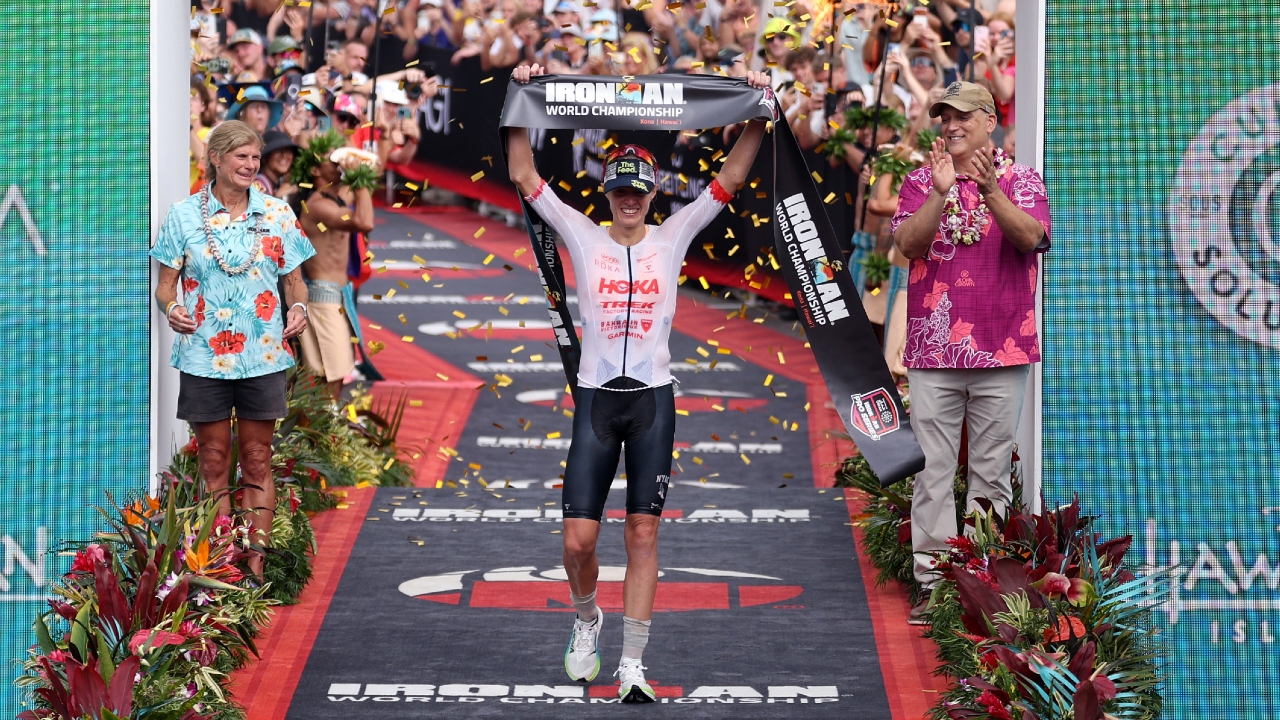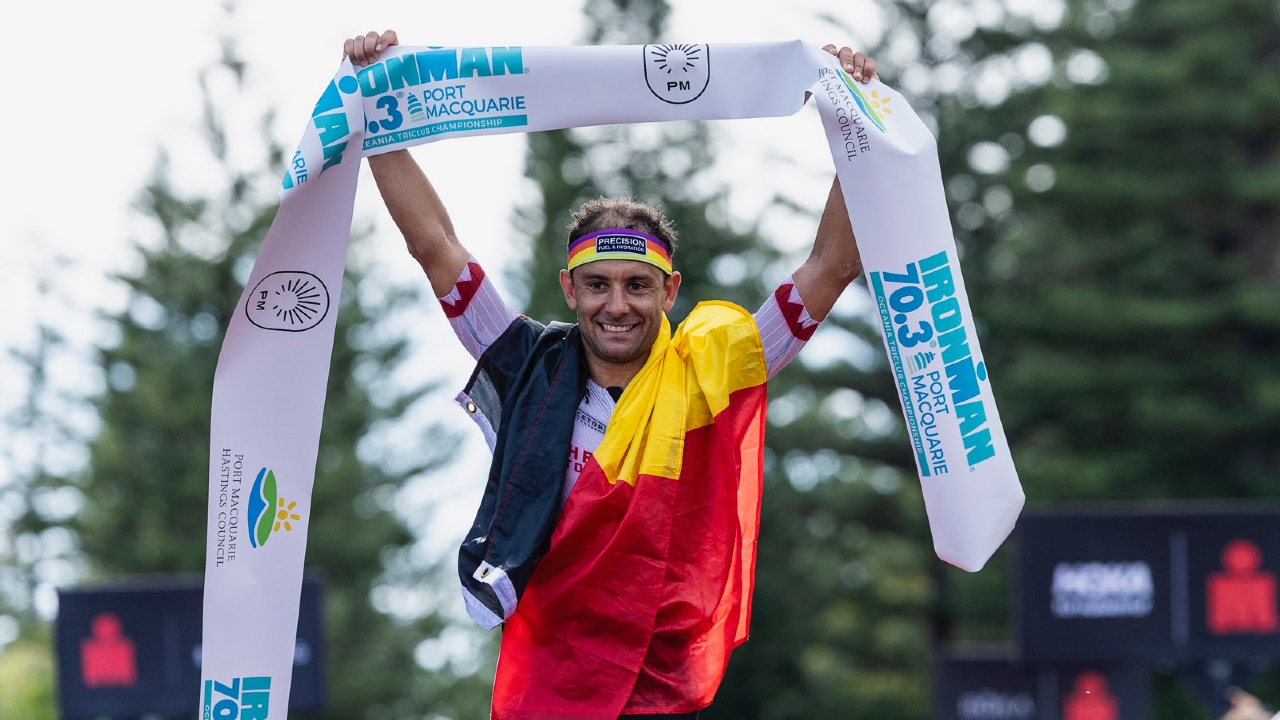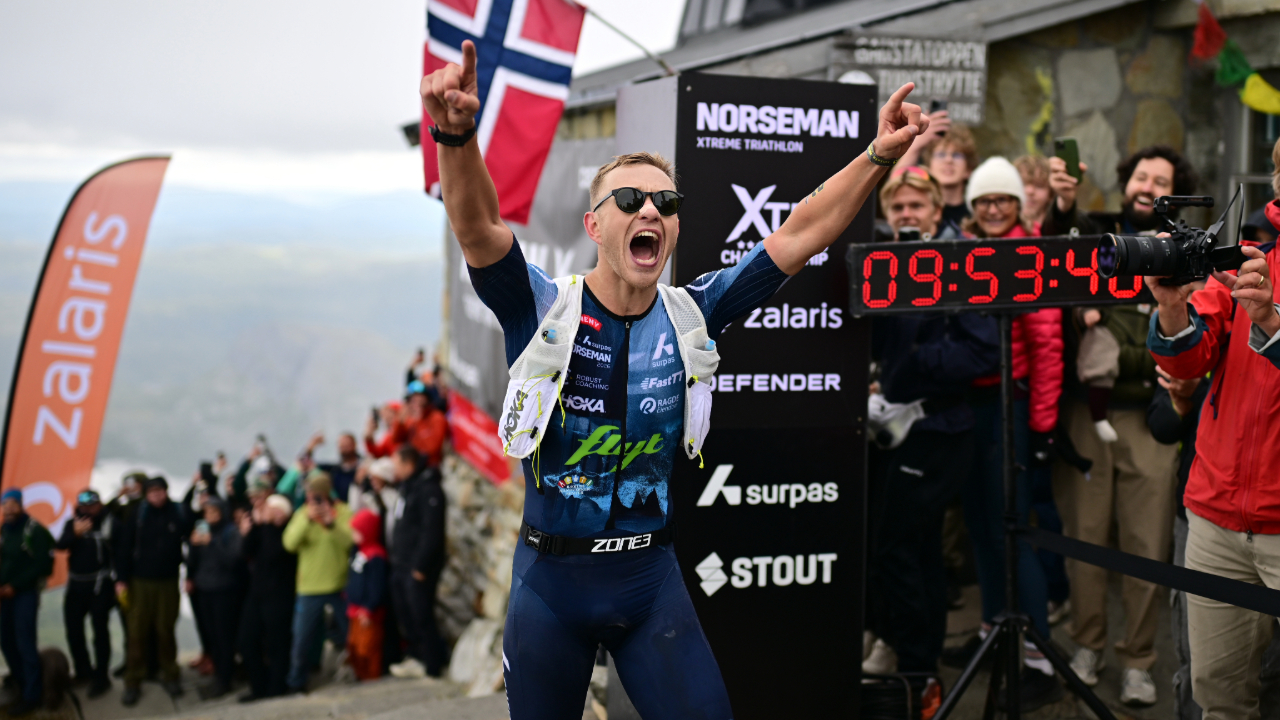


Completing one Ironman is one of endurance sport’s greatest achievements. Racing two in the same season is an even bigger challenge that demands excellent planning, disciplined recovery and realistic expectations. While your fitness may already be high after your first event, recovering fully before preparing for another Ironman is often the deciding factor between success and disappointment. The key isn’t simply training harder between races. Instead, successful athletes focus on protecting their recovery, maintaining fitness and arriving at the second race healthy rather than exhausted. With the right approach, many triathletes successfully complete two Ironman races in a single season.
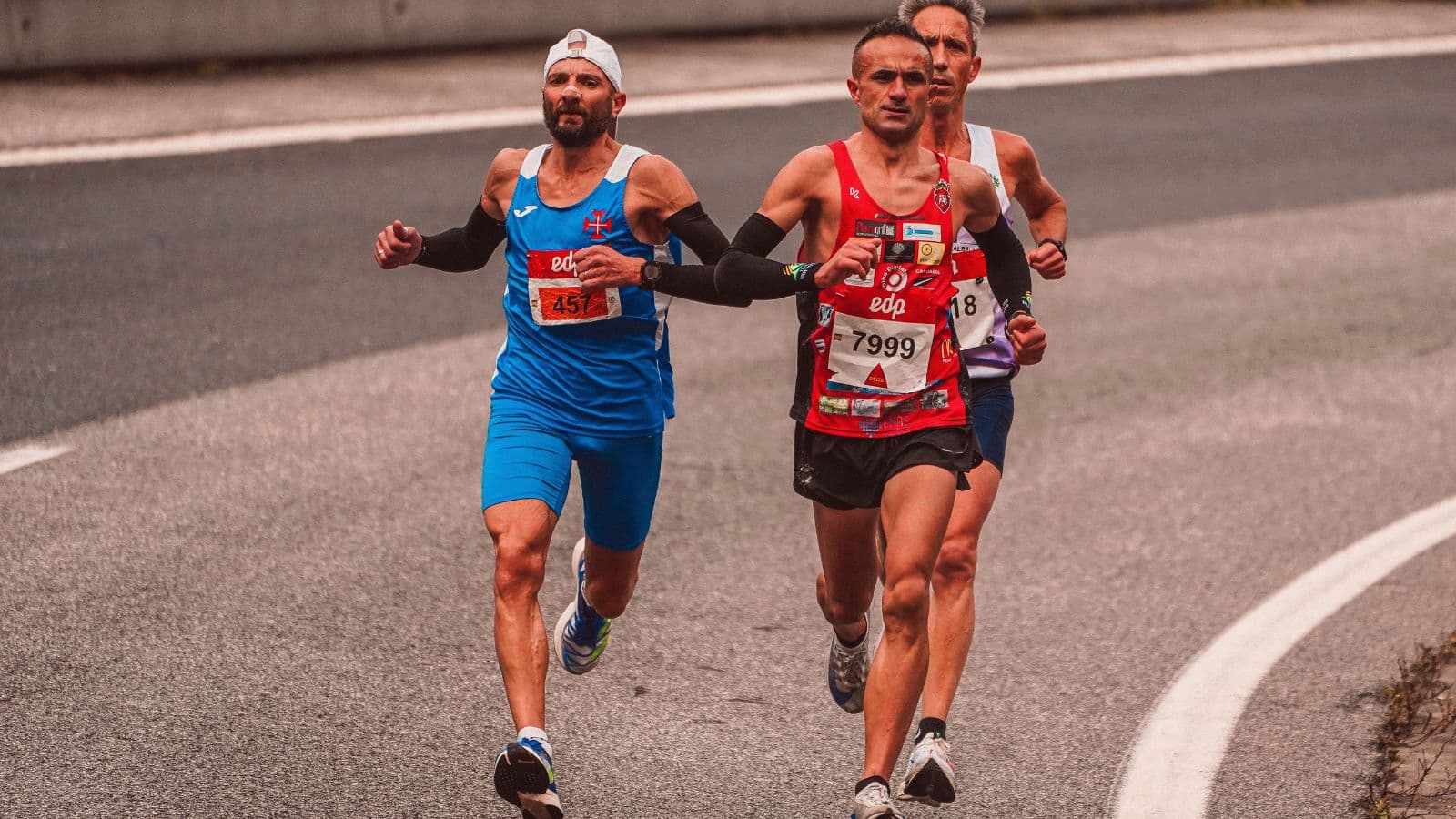
In Short
- Plan your race calendar carefully.
- Prioritise recovery after the first Ironman.
- Don’t rush back into training.
- Maintain fitness rather than rebuilding it.
- Fuel recovery properly.
Choose Your Race Schedule Carefully
The time between Ironman races has a major impact on your preparation.
Generally:
- More recovery time allows better adaptation.
- Very short gaps require careful management.
- Longer gaps allow another structured training block.
- Your experience level should influence your planning.
Selecting realistic race dates is just as important as your training itself. Planning with how to train for an ironman triathlon step-by-step guide helps structure the entire season effectively.
Recover Completely After the First Ironman
Your first priority isn’t returning to training, it’s allowing your body to recover.
Focus on:
- Sleep.
- Hydration.
- Nutrition.
- Gentle movement.
- Mobility.
Avoid rushing back into hard sessions while fatigue remains high. Following how to recover faster after an ironman triathlon helps speed recovery without compromising long-term performance.
Don’t Chase Lost Fitness
Many athletes worry about becoming less fit during recovery. In reality, a short recovery period causes very little fitness loss.
Instead of trying to “make up” missed training:
- Trust your previous preparation.
- Resume gradually.
- Focus on consistency.
- Avoid panic training.
Maintain Rather Than Rebuild
If your races are only weeks apart, your goal changes.
Instead of building new fitness, focus on maintaining:
- Aerobic endurance.
- Bike efficiency.
- Swim technique.
- Running rhythm.
This approach reduces fatigue while preserving race day performance. Developing aerobic endurance workouts that every triathlete should know supports fitness without unnecessary training stress.
Reduce Injury Risk
Fatigue after an Ironman increases injury risk.
Pay attention to:
- Muscle soreness.
- Joint pain.
- Sleep quality.
- Motivation.
- Recovery markers.
Managing your workload with how to reduce injury risk when increasing triathlon volume becomes even more important between races.
Fuel Recovery Aggressively
Recovery nutrition starts immediately after finishing your first Ironman.
Prioritise:
- Carbohydrates.
- Protein.
- Fluids.
- Electrolytes.
Supporting recovery with what should triathletes eat after hard training helps restore energy stores and repair muscle damage.
Resume Training Gradually
When you begin training again:
- Start with easy swims.
- Add comfortable bike rides.
- Reintroduce running cautiously.
- Increase intensity slowly.
Avoid jumping straight back into high volume weeks after your first race.
Maintain Swim Technique
Swimming creates very little impact compared with running, making it ideal during recovery.
Focus on:
- Easy aerobic swims.
- Technique drills.
- Breathing rhythm.
- Open-water confidence if appropriate.
Maintaining your swim fitness with how to improve your triathlon swim keeps you race-ready without adding significant fatigue.
Protect Your Bike Fitness
Cycling is usually the easiest discipline to maintain after an Ironman.
Include:
- Easy endurance rides.
- One structured workout.
- Cadence drills.
- Race-pace efforts.
Avoid excessive volume that delays recovery from your first race. Working on how to optimize your bike split for race day helps you maintain efficiency without unnecessary training load.
Keep Running Conservative
Running places the greatest stress on your muscles and joints.
During the weeks between races:
- Limit hard sessions.
- Build gradually.
- Stop if soreness persists.
- Prioritise quality over quantity.
Remember that arriving healthy is far more valuable than squeezing in one extra workout.
Practise Your Race Nutrition Again
Even if your first Ironman nutrition worked well, use your remaining long sessions to confirm your strategy.
Continue practising:
- Carbohydrate intake.
- Hydration.
- Electrolytes.
- Timing.
Following how to fuel for an ironman triathlon ensures there are no surprises during your second race.
Learn From Your First Race
Your first Ironman provides valuable information.
Review:
- Pacing.
- Nutrition.
- Equipment.
- Transitions.
- Mental approach.
Use those lessons to improve your second performance instead of making unnecessary changes. Developing how to structure a triathlon race strategy from start to finish helps turn experience into better decision making.
Monitor Fatigue Honestly
After your first Ironman, pay attention to signs that recovery isn’t progressing well.
Watch for:
- Persistent soreness.
- Poor sleep.
- Elevated resting heart rate.
- Low motivation.
- Reduced performance.
If these symptoms continue, reduce your training rather than pushing through them.
Adjust Your Expectations
Your second Ironman may not produce a personal best.
Instead, focus on:
- Racing smart.
- Executing your plan.
- Managing nutrition.
- Enjoying the experience.
A well-executed race is often more satisfying than chasing unrealistic time goals.
Stay Mentally Fresh
Preparing for two Ironman races is mentally demanding.
Stay motivated by:
- Celebrating small milestones.
- Training with others.
- Taking recovery seriously.
- Focusing on the next race rather than the previous one.
Mental freshness is just as important as physical recovery.
Common Mistakes
- Returning to training too soon.
- Trying to rebuild fitness after the first race.
- Ignoring recovery.
- Increasing mileage too quickly.
- Skipping recovery nutrition.
- Racing every workout.
- Ignoring fatigue signals.
- Expecting identical performances in both races.
Practical Tips
- Schedule races with adequate recovery time.
- Recover completely after the first Ironman.
- Maintain fitness instead of rebuilding it.
- Continue practising race nutrition.
- Reduce running volume initially.
- Keep swim sessions technical.
- Monitor fatigue every week.
- Prioritise consistency over intensity.
Actionable Takeaways
Successfully racing two Ironman events in one season depends far more on recovery than additional training. Once your first race is complete, shift your focus towards restoring your body, maintaining your fitness and arriving at the second start line healthy and motivated.
The athletes who perform best are rarely those who train the hardest between races—they’re the ones who recover the smartest. Careful planning, disciplined nutrition and honest fatigue management give you the best chance of enjoying two successful Ironman finishes in the same season.