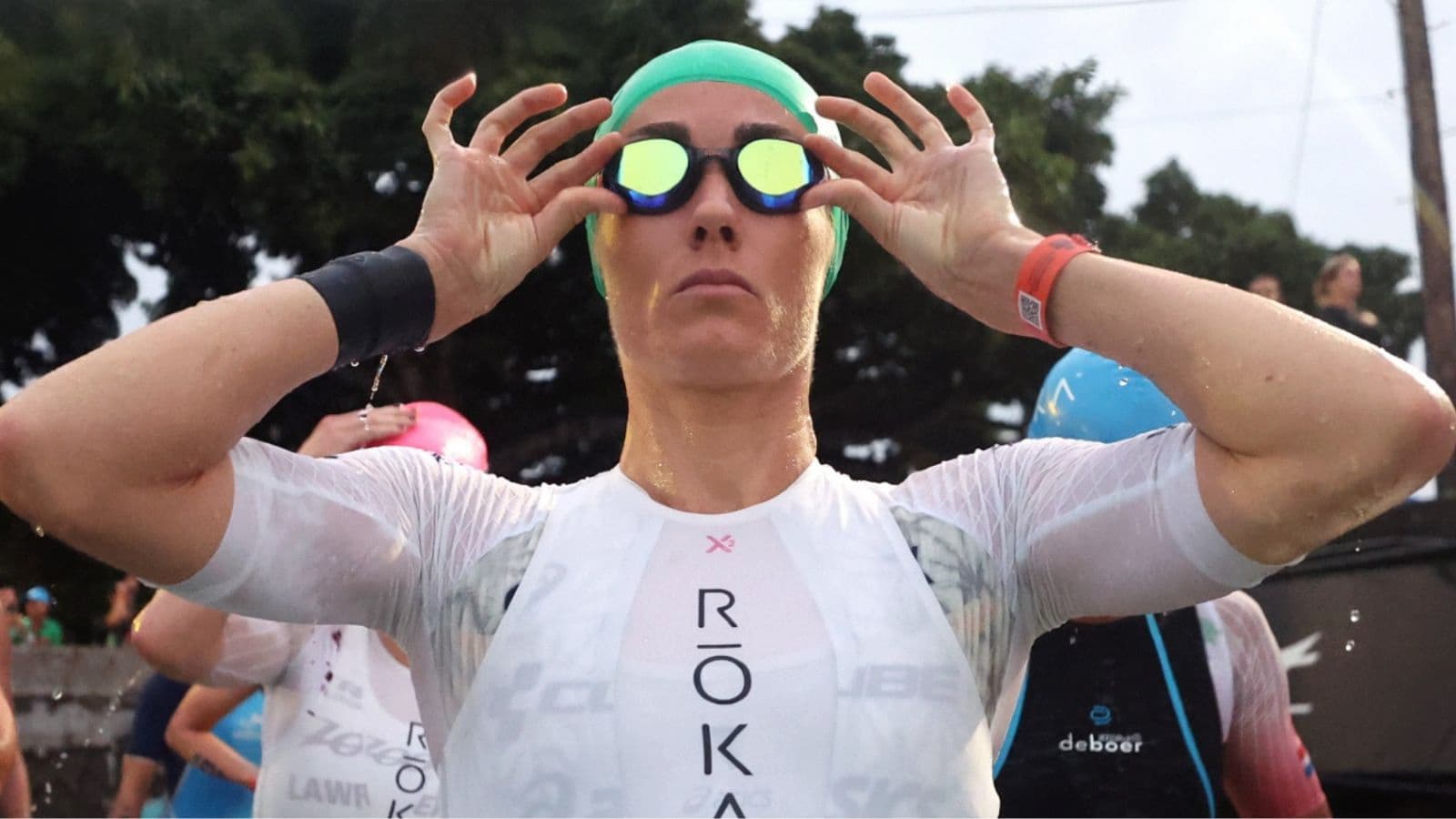


The most common myths about triathlon swimming include believing that faster swimming requires more effort, wetsuits eliminate the need for swimming skills, and open water training is unnecessary if you regularly swim in a pool. These misconceptions can affect how triathletes prepare for races and develop their swimming technique. Swimming is often the most unfamiliar discipline for beginner triathletes. Unlike cycling and running, it requires coordinated breathing, body positioning, and efficient movement through water. This can make inaccurate training advice particularly confusing. Many swimming myths develop because techniques that work for one athlete do not necessarily work for another. Differences in experience, mobility, fitness, and water conditions influence how swimmers perform.
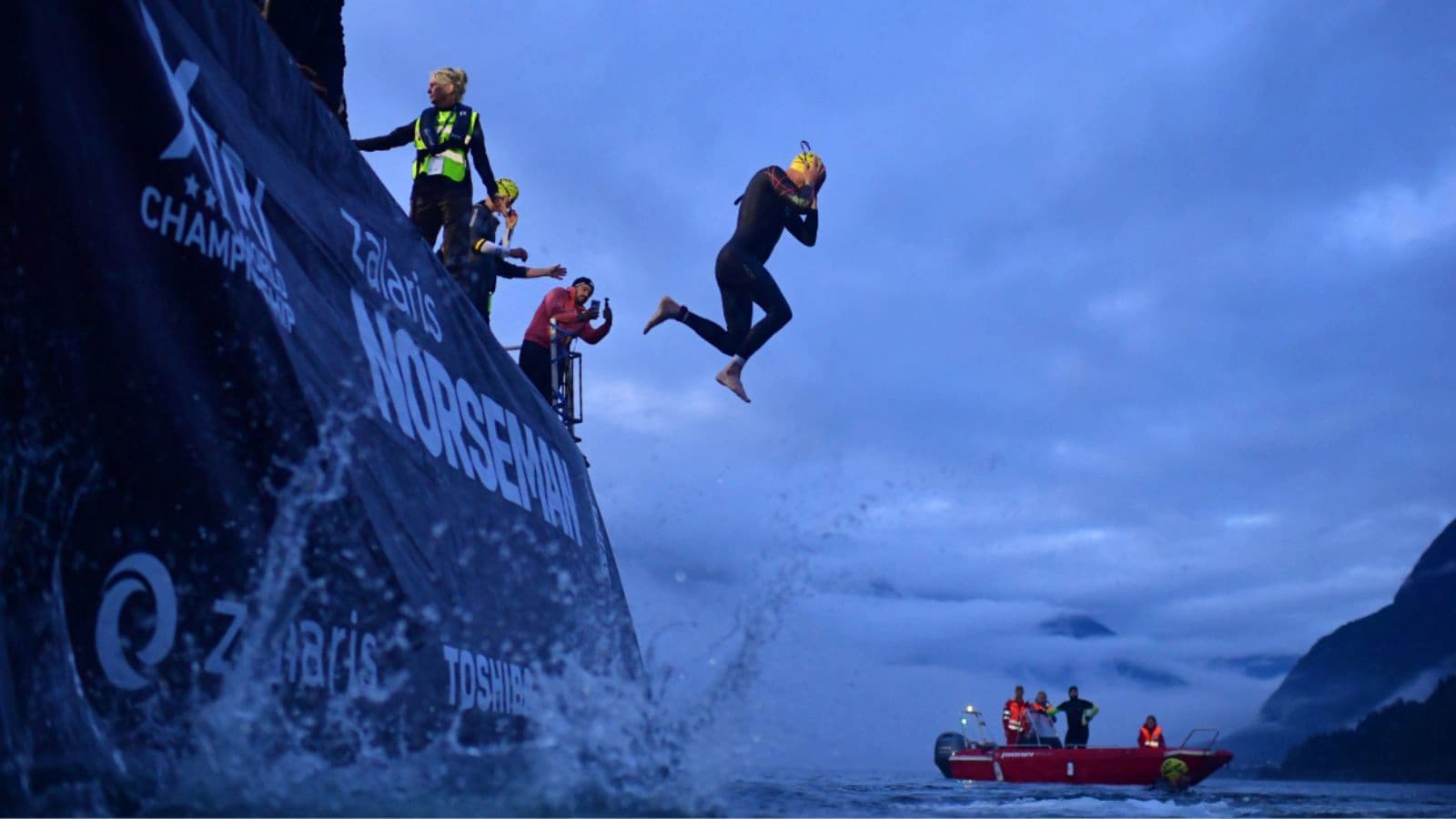
Understanding the facts behind common swimming misconceptions helps triathletes train more effectively. Whether preparing for a sprint triathlon or a longer event, focusing on technique, safety, and consistent practice provides a more reliable foundation than following popular assumptions.
In Short
- Swimming harder does not always mean swimming faster.
- Good technique matters alongside fitness.
- Wetsuits do not replace swimming ability.
- Pool fitness does not guarantee open water confidence.
- Breathing should remain controlled and comfortable.
- More swimming volume is not always better.
- Sighting is essential for efficient navigation.
- Beginners can improve without perfect technique.
Myth 1: Swimming Faster Means Pulling Harder
Many beginners assume that increasing arm effort automatically improves swimming speed. However, excessive force can create unnecessary fatigue without producing efficient forward movement.
Swimming performance depends on several factors:
- Body alignment.
- Effective hand and forearm positioning.
- Coordinated rotation.
- Breathing control.
- Reduced unnecessary drag.
Understanding can a better catch help you swim faster can help triathletes recognize how effectively holding water during the pulling phase influences propulsion. A controlled stroke is often more sustainable than repeatedly pulling harder.
Myth 2: You Must Have Perfect Swimming Technique
Some triathletes delay entering races because they believe their swimming technique must be flawless. In reality, swimming technique develops gradually through consistent practice.
Beginners should prioritize:
- Comfortable breathing.
- Balanced body position.
- Controlled arm movements.
- Relaxed swimming.
- Safe open water skills.
Understanding what swim drills improve front crawl technique can help athletes improve specific aspects of their stroke without becoming overwhelmed. The goal is functional, efficient swimming rather than achieving a visually perfect technique.
Myth 3: More Swimming Always Produces Better Results
Increasing training volume can improve endurance, but additional distance does not automatically produce better technique. Swimming repeatedly with inefficient movement may reinforce existing habits. Understanding does swimming more often improve triathlon performance can help athletes evaluate how training frequency, quality, and recovery interact.
A balanced swimming routine may include:
- Technique practice.
- Comfortable endurance swimming.
- Controlled faster intervals.
- Open water preparation.
- Appropriate recovery.
Training quality matters alongside total distance.
Myth 4: Wetsuits Make Swimming Easy
Wetsuits provide buoyancy and insulation, which can improve body position and reduce heat loss in suitable conditions. However, they do not eliminate the need for swimming ability or open water experience.
A wetsuit cannot replace:
- Breathing control.
- Navigation skills.
- Appropriate pacing.
- Water confidence.
- Safe swimming judgment.
Wetsuit use also depends on race rules and water temperature. Athletes should practice swimming in their intended wetsuit before race day to become familiar with its fit and movement restrictions.
Myth 5: Pool Swimming Fully Prepares You for Open Water
Pool training is valuable for developing fitness and swimming technique. However, open water introduces additional challenges, including:
- Waves
- Currents
- Limited visibility
- Other swimmers
Understanding how do you spot currents when open water swimming can help triathletes recognize why environmental awareness matters. Open water practice should take place in suitable conditions with appropriate supervision or organized safety support. Never assume that strong pool swimming automatically guarantees safe open water performance.
Myth 6: You Should Hold Your Breath Underwater
Some beginners hold their breath between strokes because they believe it helps maintain control. However, breath holding can contribute to discomfort and an urgent need to inhale. A more effective approach generally involves exhaling steadily into the water and inhaling when the mouth clears the surface. Understanding how to coordinate breathing with your swim strokes in a triathlon can help athletes establish a comfortable breathing rhythm. There is no requirement to breathe every three strokes. Athletes should use a pattern that provides sufficient air and supports efficient swimming.
Myth 7: You Must Breathe on Both Sides
Bilateral breathing can help swimmers practice symmetry and adapt to different open water conditions. However, breathing exclusively on alternating sides is not mandatory. Some swimmers perform more comfortably when breathing predominantly to one side.
The most important considerations are:
- Adequate oxygen intake.
- Comfortable head rotation.
- Stable body positioning.
- Ability to adapt when waves or other swimmers interfere.
Practice breathing to both sides when possible, but prioritize a sustainable breathing pattern during races.
Myth 8: Strong Kicking Is Essential for Fast Triathlon Swimming
A powerful kick can contribute to swimming speed, but excessive kicking may increase energy expenditure. Triathletes must also conserve energy for cycling and running. A controlled kick often helps maintain balance and body alignment without creating unnecessary fatigue. Understanding why does swimming technique break down with fatigue can help athletes recognize why maintaining efficient movement becomes more difficult when effort is excessive. The ideal kicking intensity varies with swimming ability, speed, and race distance.
Myth 9: Swimming Straight Happens Naturally
Some triathletes assume they will maintain a straight swimming line simply by following their normal stroke. However:
- Limited underwater visibility
- Uneven pulling
- Environmental conditions
- can cause swimmers to drift off course.
Understanding how do you fix an uneven pull in freestyle swimming can help athletes address one possible contributor to directional problems. Open water swimmers should also practice sighting, which involves briefly lifting the eyes to identify landmarks or course buoys. Effective navigation reduces unnecessary distance and improves race efficiency.
Myth 10: You Should Never Stop During an Open Water Swim
Some beginners believe stopping during a race means failure. However, pausing to regain control can be appropriate when breathing becomes uncomfortable or anxiety increases. Understanding when should you stop during a triathlon can help athletes recognize situations where safety must take priority.
If you become distressed:
- Reduce your effort.
- Float or tread water if safe.
- Regain controlled breathing.
- Signal race safety personnel when necessary.
- Stop swimming if you cannot continue safely.
Never push through severe breathing difficulty, chest pain, confusion, or other concerning symptoms.
Common Mistakes
- Prioritizing speed over technique.
- Increasing swim volume without purpose.
- Holding the breath underwater.
- Kicking excessively during long swims.
- Relying entirely on pool training.
- Ignoring open water navigation.
- Wearing an unfamiliar wetsuit on race day.
- Continuing to swim despite serious distress.
Practical Tips
- Practice controlled breathing regularly.
- Include technique drills in swim sessions.
- Develop comfortable endurance before adding speed.
- Practice sighting in suitable conditions.
- Test race equipment before competition.
- Swim in open water with appropriate safety support.
- Monitor technique as fatigue develops.
- Build confidence gradually.
Actionable Takeaways
- Focus on efficient swimming, not excessive effort.
- Combine technique with endurance training.
- Practice open water skills safely.
- Choose a comfortable breathing rhythm.
- Prioritize safety over race performance.