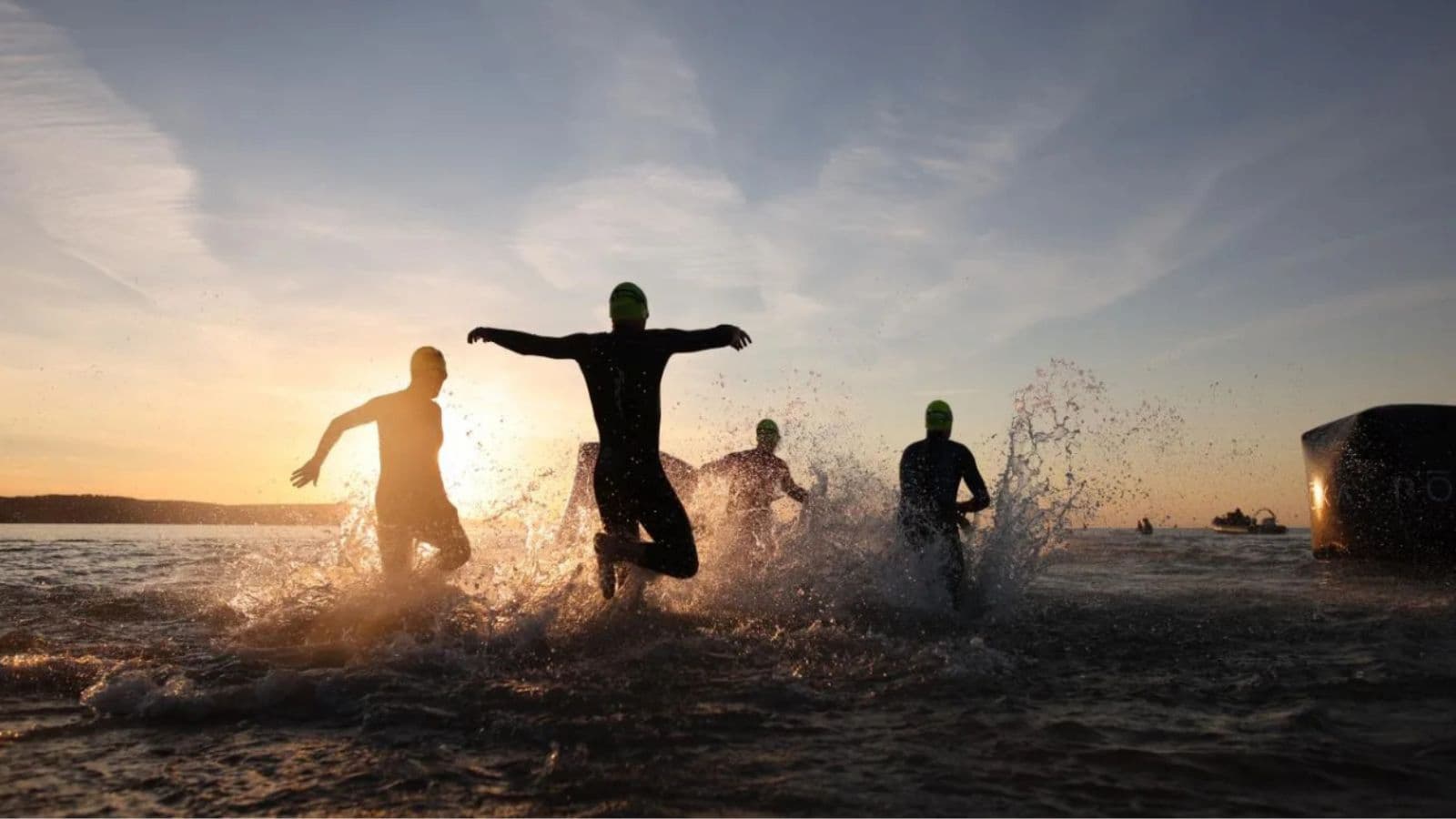


Yes, swimming more often can improve triathlon performance, particularly for athletes whose technique, swim fitness, or confidence is limiting them. Swimming is highly skill dependent, so frequent exposure to the water can help reinforce efficient movement while also developing the endurance needed for race day. The benefit does not come simply from accumulating more swim distance. Two or three focused sessions can sometimes provide more useful training than several poorly structured sessions where technique deteriorates and fatigue continually builds. Shorter sessions performed more regularly can provide frequent opportunities to work on body position, breathing, catch mechanics, rhythm, and pacing. However, more swimming is only beneficial when it fits your overall triathlon training. The additional sessions should not consistently compromise cycling, running, strength work, sleep, or recovery. The goal is to increase useful swimming rather than simply increase workload.
In Short
- Swimming more frequently can improve triathlon performance.
- Shorter frequent swims can be useful for skill development.
- Every swim does not need to be hard.
- Technique should remain a priority as volume increases.
- Different sessions should have different purposes.
- Open-water practice remains important for race preparation.
- Additional swimming should not damage bike and run training.
- Consistency matters more than occasional very large swim weeks.
Why Swim Frequency Can Matter?
Swimming is different from running and cycling because performance depends heavily on technique.
Small changes in:
- Body position.
- Catch.
- Pull.
- Breathing.
- Timing.
- Kick.
- Stroke rhythm.
can substantially affect how efficiently you move through the water. Swimming more frequently gives you additional opportunities to practice these movements. That is one reason how to increase triathlon swim speed involves more than simply trying to swim harder. Better technique can allow you to travel faster without a proportional increase in effort.
Frequent Practice Can Improve Technique
Swimming technique is a motor skill. Long gaps between sessions can make it harder for some athletes to maintain their feel for the water and consistently reproduce efficient movement.
More frequent practice allows you to reinforce:
- Streamlined body position.
- Effective hand entry.
- Early catch.
- Controlled pull.
- Balanced rotation.
- Relaxed recovery.
The key is maintaining quality. If additional sessions simply involve swimming tired laps with deteriorating technique, the extra frequency becomes less useful.
Short Sessions Can Still Be Valuable
A productive swim does not always need to be long. A short session focused on one or two technical skills can provide meaningful practice without creating excessive fatigue.
For example, a shorter swim might include:
- Easy warm up.
- Technique drills.
- Short controlled repetitions.
- Easy cool down.
This approach can work particularly well when increasing weekly frequency. Instead of adding another large endurance workout, you can add a relatively short technique session that improves movement quality.
More Swimming Can Improve Your Feel for the Water
Experienced swimmers often describe having a better “feel for the water.” This refers to the ability to sense how effectively the hands, forearms, and body are interacting with the water.
You may begin to recognize:
- When your catch slips.
- When your body position drops.
- When your stroke becomes rushed.
- When your pull feels effective.
- When your rhythm is efficient.
These subtle improvements are difficult to develop through fitness training alone.
Technique Sessions Should Have a Clear Purpose
Adding swim sessions without knowing what you are practicing can lead to unnecessary volume. Technique sessions should target a specific limitation.
That might include:
- Catch mechanics.
- Body position.
- Breathing.
- Rotation.
- Sighting.
- Stroke timing.
Triathletes working on individual weaknesses may benefit from understanding how to coordinate breathing with your swim strokes in a triathlon, particularly when breathing problems disrupt rhythm or body position. Keep the technical goal simple enough to maintain throughout the session.
Isolating Skills Can Improve Learning
Sometimes it is difficult to correct an entire swim stroke at once. Breaking the stroke into smaller components can make technical practice more manageable.
You might focus specifically on:
- Catch.
- Recovery.
- Kick timing.
- Breathing.
- Rotation.
- Hand entry.
Once the movement becomes more consistent, integrate it back into normal swimming. This is where knowing why swimming is hardest part for beginners can make additional swim frequency more productive instead of turning every session into unstructured drill work.
More Frequent Swimming Can Build Endurance
Technique is not the only benefit. Additional swimming can increase the amount of aerobic work you perform each week.
Over time, this can improve your ability to:
- Maintain pace.
- Hold technique for longer.
- Control breathing.
- Finish longer sets strongly.
- Recover between harder repetitions.
The objective is not simply surviving more laps. Training around how can you improve your swim stamina for a triathlon should develop the ability to maintain efficient swimming as fatigue increases. That ability becomes increasingly important as race distance grows.
Do Not Make Every Swim Hard
Increasing frequency should not mean increasing intensity every day. Hard swimming requires recovery.
If every session contains:
- Maximum sprints.
- Hard threshold sets.
- Repeated race efforts.
- Large amounts of high intensity work.
fatigue can accumulate quickly Use a mixture of easy swimming, technique work, endurance training, and harder sessions.
Easy swimming can provide additional water time without creating the same recovery demand as another hard workout.
More Swimming Can Improve Pacing
Triathletes often struggle with swim pacing because they begin too aggressively.
Starting too fast can cause:
- Rapid breathing.
- Poor technique.
- Excessive kicking.
- Increased anxiety.
- Early fatigue.
More frequent swimming gives you more opportunities to learn what different intensities feel like.
You can practice:
- Easy effort.
- Steady endurance effort.
- Sustainable race effort.
- Threshold effort.
- Short hard efforts.
Better pacing awareness can make the transition from training to racing much easier.
Frequency Can Improve Breathing Control
Breathing problems are common among developing triathlon swimmers. More time in the water can help breathing become less deliberate and more automatic.
Frequent practice can improve:
- Exhalation timing.
- Breathing rhythm.
- Head position.
- Bilateral breathing when appropriate.
- Breathing under harder effort.
This can reduce the feeling of constantly fighting for air. It can also help athletes remain calmer when race conditions make breathing more difficult.
Pool Frequency Does Not Replace Open Water Practice
Swimming more often in a pool can improve fitness and technique, but triathlon swimming includes skills that pools cannot fully reproduce.
Open water introduces:
- Sighting.
- Waves.
- Currents.
- Other swimmers.
- Buoy turns.
- Wetsuits.
- Limited visibility.
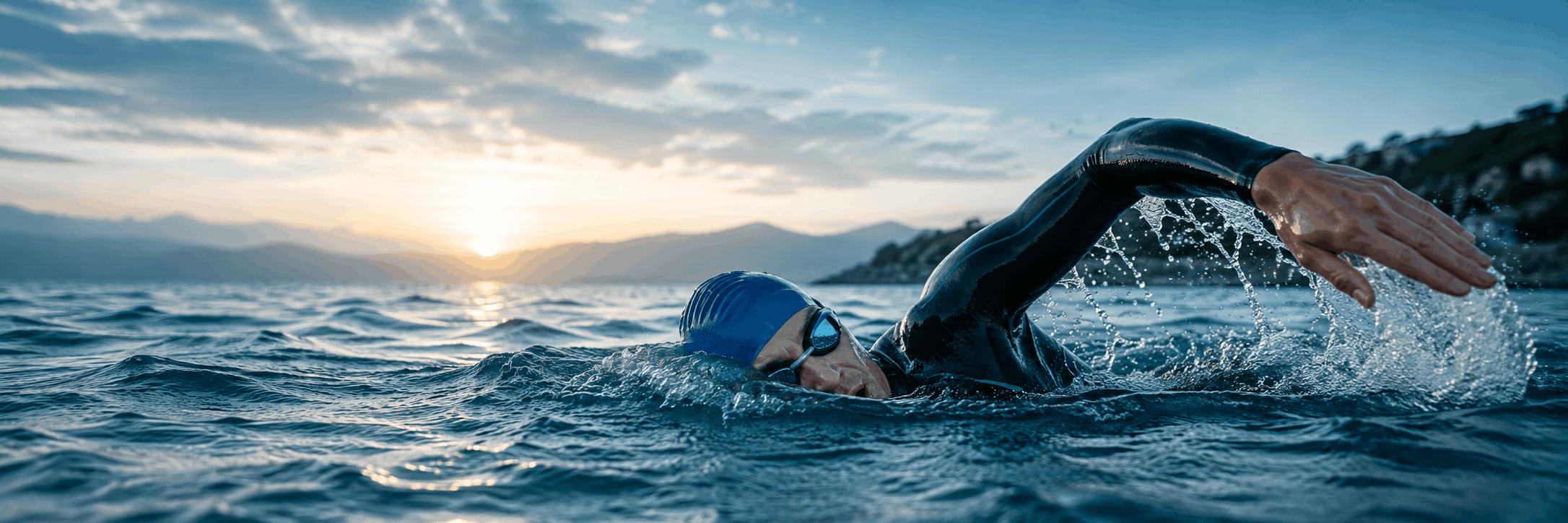
A fast pool swimmer can still lose substantial time by swimming off course. Practicing why swimming straight matters in open water triathlon can help convert improved pool fitness into better race performance. When conditions are safe and appropriate, include open water practice as race day approaches.
More Swimming Can Improve Open Water Confidence
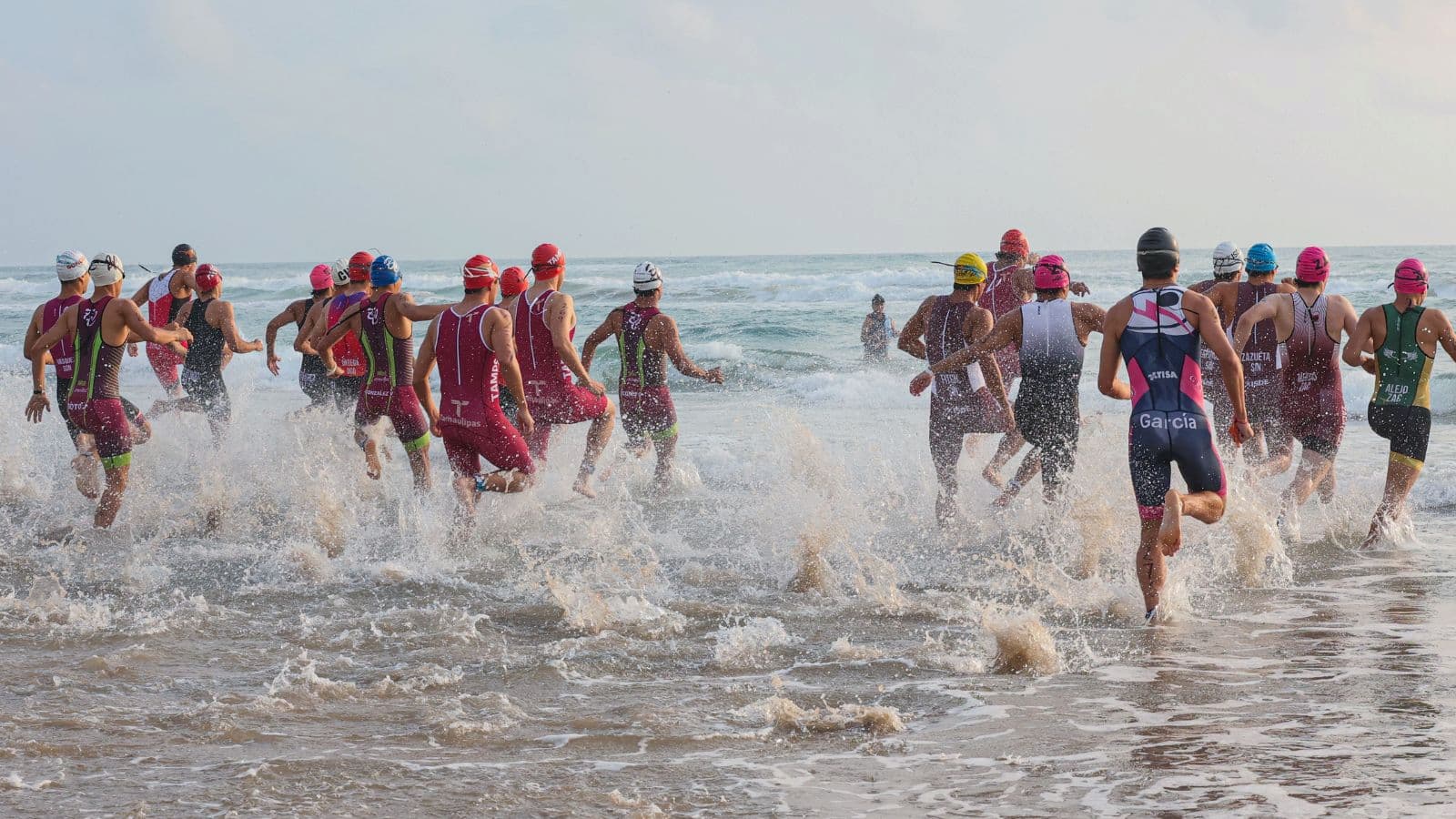
Frequent swimming can also increase general comfort in the water. That confidence becomes useful during crowded race starts.
Triathletes may need to cope with:
- Physical contact.
- Splashing.
- Restricted space.
- Interrupted stroke rhythm.
- Limited visibility.
More swimming alone cannot recreate every race situation. However, stronger swim fitness and greater technical confidence can reduce the amount of attention required simply to keep moving. Specific preparation around how can you avoid getting swum over at the start of a triathlon can then address the positioning and awareness needed in crowded starts.
More Frequency Can Help You Hold Technique Under Fatigue
Many swimmers look efficient at the beginning of a workout but lose form as they tire.
Fatigue may cause:
- Dropping elbows.
- Poor body position.
- Shortened strokes.
- Rushed breathing.
- Excessive kicking.
- Poor timing.
A sensible increase in swimming frequency can gradually improve your ability to maintain technique for longer. The goal is not to practice bad form while exhausted.
When technique deteriorates significantly, reduce the effort or take additional recovery.
Race Skills Still Need Specific Practice
Swimming fitness alone does not prepare you for every part of a triathlon swim.
Race-specific sessions should eventually include skills such as:
- Sighting.
- Drafting.
- Starts.
- Buoy turns.
- Pace changes.
- Swimming in a wetsuit.
For example, how do you turn around a buoy in open water swimming addresses a skill that can save time without requiring greater aerobic fitness.
These technical race skills are another reason an additional swim session can be useful.
Swim More Often Rather Than Making Every Session Longer
When trying to increase swim training, automatically extending every existing workout may not be the best approach. Suppose you currently swim twice each week. Instead of making both sessions dramatically longer, adding a shorter third swim may provide another opportunity to practice technique while distributing the workload.
Possible weekly purposes could include:
- Technique.
- Endurance.
- Race pace.
- Open-water skills.
This structure gives each session a reason to exist.
It also reduces the temptation to turn every swim into one long continuous effort.
More Swimming Should Not Damage the Rest of Your Training
Triathlon requires balancing three sports. An additional swim session is only useful if you can absorb it.
Watch for signs that your total workload is becoming excessive:
- Persistent fatigue.
- Declining bike sessions.
- Poor running quality.
- Shoulder soreness.
- Sleep disruption.
- Loss of motivation.
- Continually worsening swim technique.
Your swimming improvement should support the complete race.
If adding several swim sessions leaves you too fatigued to complete important bike and run workouts, the overall training balance may need adjusting.
Swim Frequency Depends on Your Weaknesses
Not every triathlete needs the same amount of swimming. An athlete with a strong competitive swimming background may need less technical exposure than a beginner who struggles with breathing and body position.
Increasing frequency can be especially useful when:
- Swimming is your weakest discipline.
- Technique deteriorates quickly.
- You lack water confidence.
- You are preparing for a longer race.
- You struggle to maintain swim fitness.
- Your schedule allows additional recovery.
Athletes with limited training time should prioritize the sessions that address their biggest performance limitations.
Common Mistakes
- Adding swim frequency without a clear purpose.
- Making every additional session hard.
- Increasing frequency and volume too quickly.
- Ignoring technique while chasing distance.
- Doing only continuous swimming.
- Avoiding open water practice.
- Practicing drills without integrating them into normal swimming.
- Ignoring shoulder discomfort.
- Comparing swim volume with stronger swimmers.
- Adding swimming at the expense of important bike and run training.
Practical Tips
- Give every swim session a purpose.
- Add frequency gradually.
- Use shorter sessions for technique work.
- Keep some swims easy.
- Practice race pace regularly.
- Work on one technical problem at a time.
- Include open water skills before racing.
- Monitor shoulder health.
- Track how technique changes with fatigue.
- Balance swimming with cycling and running.
- Prioritize consistency over occasional huge swim weeks.
Actionable Takeaways
Swimming more often can improve triathlon performance when the extra sessions provide useful practice rather than unnecessary volume.
Greater frequency can help improve:
- Technique.
- Swim endurance.
- Pacing.
- Breathing control.
- Feel for the water.
- Open-water confidence.
- Ability to maintain form under fatigue.
The additional sessions do not all need to be long or hard. A short technique focused swim can sometimes be more useful than adding another demanding endurance session. Triathletes should also practice race specific skills. How do you start an open water swim in a triathlon can help turn improved pool fitness into a calmer and more controlled race start. Increase swim frequency gradually. Give each session a clear purpose. Keep the additional workload compatible with your cycling, running, and recovery.