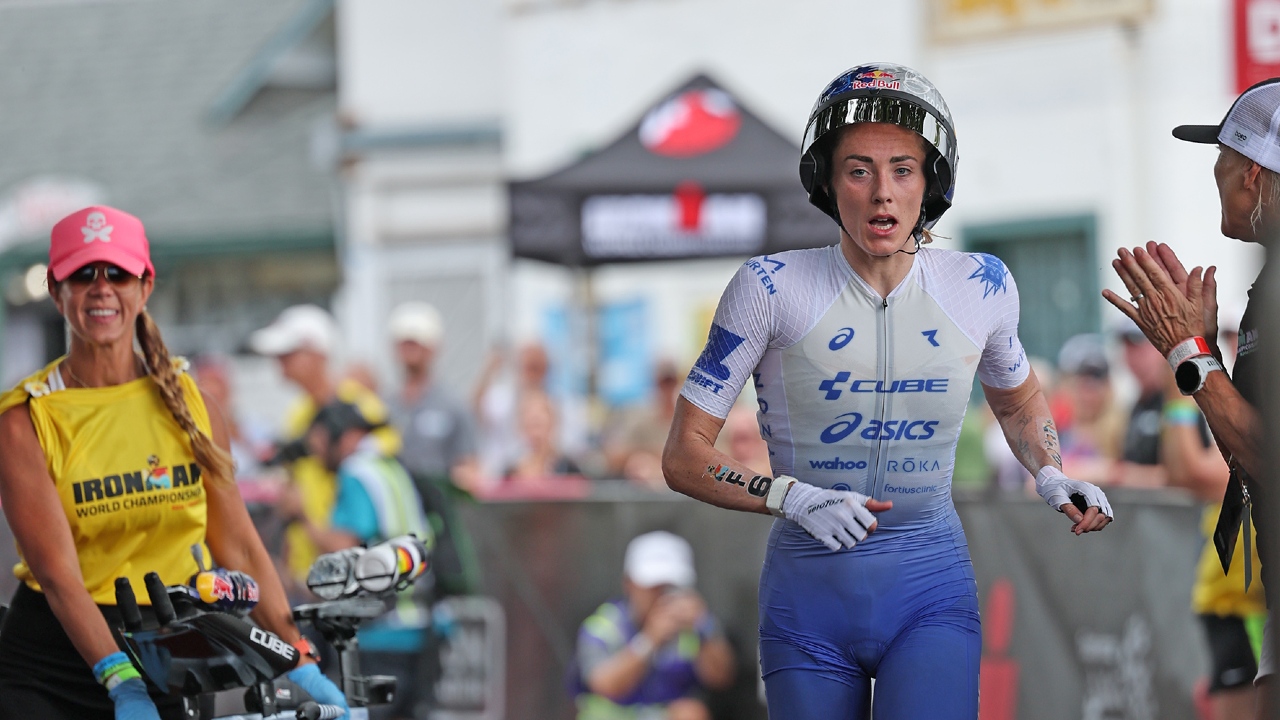


The off-season is often viewed as a time to reduce training volume and recover from months of racing. While recovery is important, it is also one of the best opportunities to improve the technical skills that are often overlooked during race preparation. Without the pressure of upcoming competitions, triathletes can focus on refining swim mechanics, bike handling, and running efficiency. Small improvements in technique during the off-season can translate into significant performance gains once structured race training begins again. Rather than simply maintaining fitness, use the off-season to become a more skilled and efficient athlete.
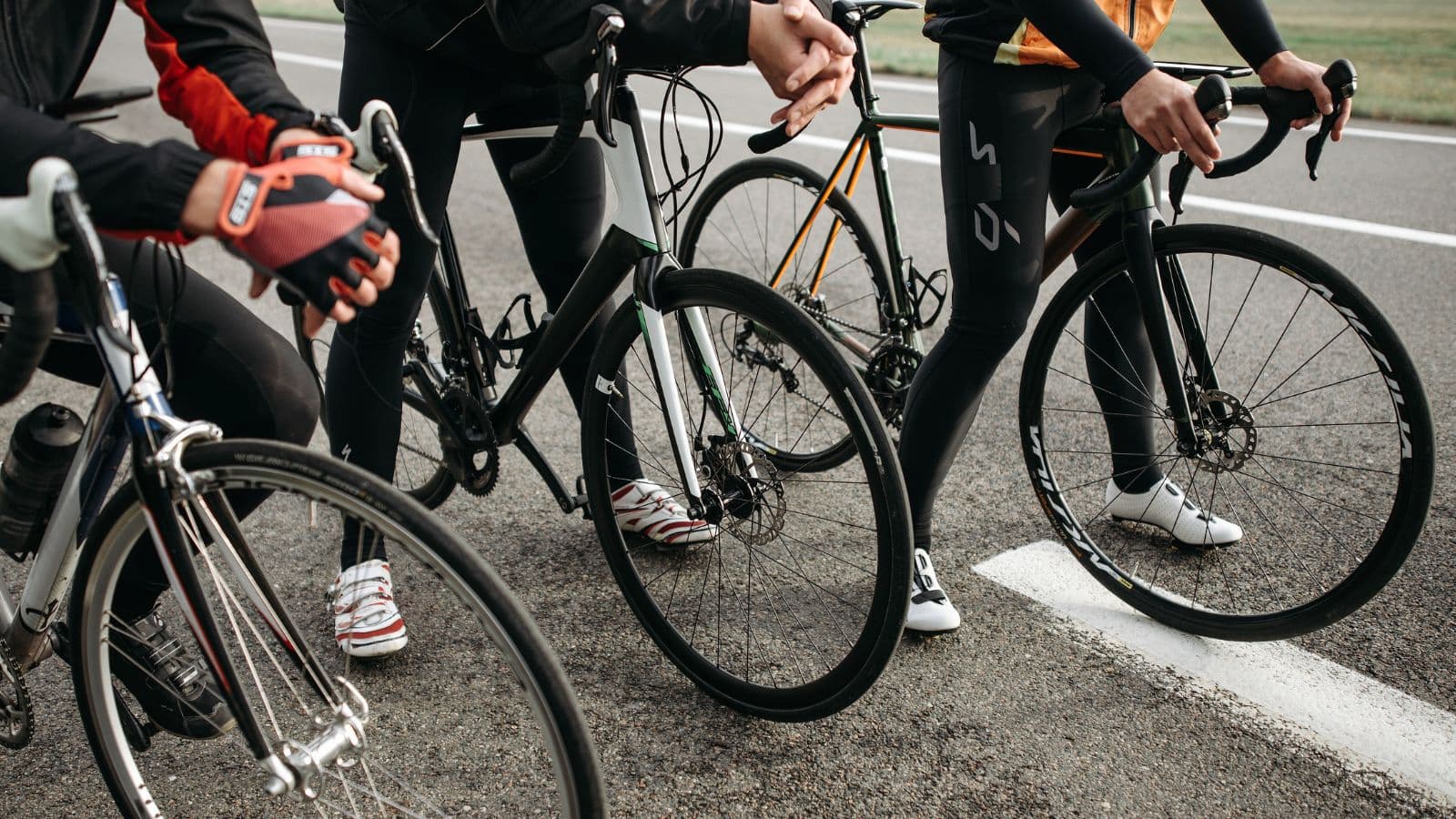
Why Technique Matters During the Off-Season?
During race season, many workouts prioritize fitness and race-specific preparation.
The off-season allows athletes to:
- Correct technical flaws
- Build movement efficiency
- Reduce injury risk
- Improve confidence
Athletes who understand half, ironman and olympic triathlon distances know that elite performance is built on excellent technique as much as physical fitness.
Swim Drill: Catch-Up Drill
The catch-up drill helps improve:
- Stroke timing
- Balance
- Front-end control
Focus on allowing one hand to “catch up” with the other before beginning the next stroke.
Perform the drill slowly to reinforce proper mechanics.
Swim Drill: Fingertip Drag
This drill encourages:
- High elbows
- Smooth recovery
- Better arm position
Lightly drag your fingertips across the water during the recovery phase of each stroke.
The goal is relaxed, efficient movement rather than speed.
Swim Drill: Side Kicking
Side kicking develops:
- Body rotation
- Balance
- Streamlining
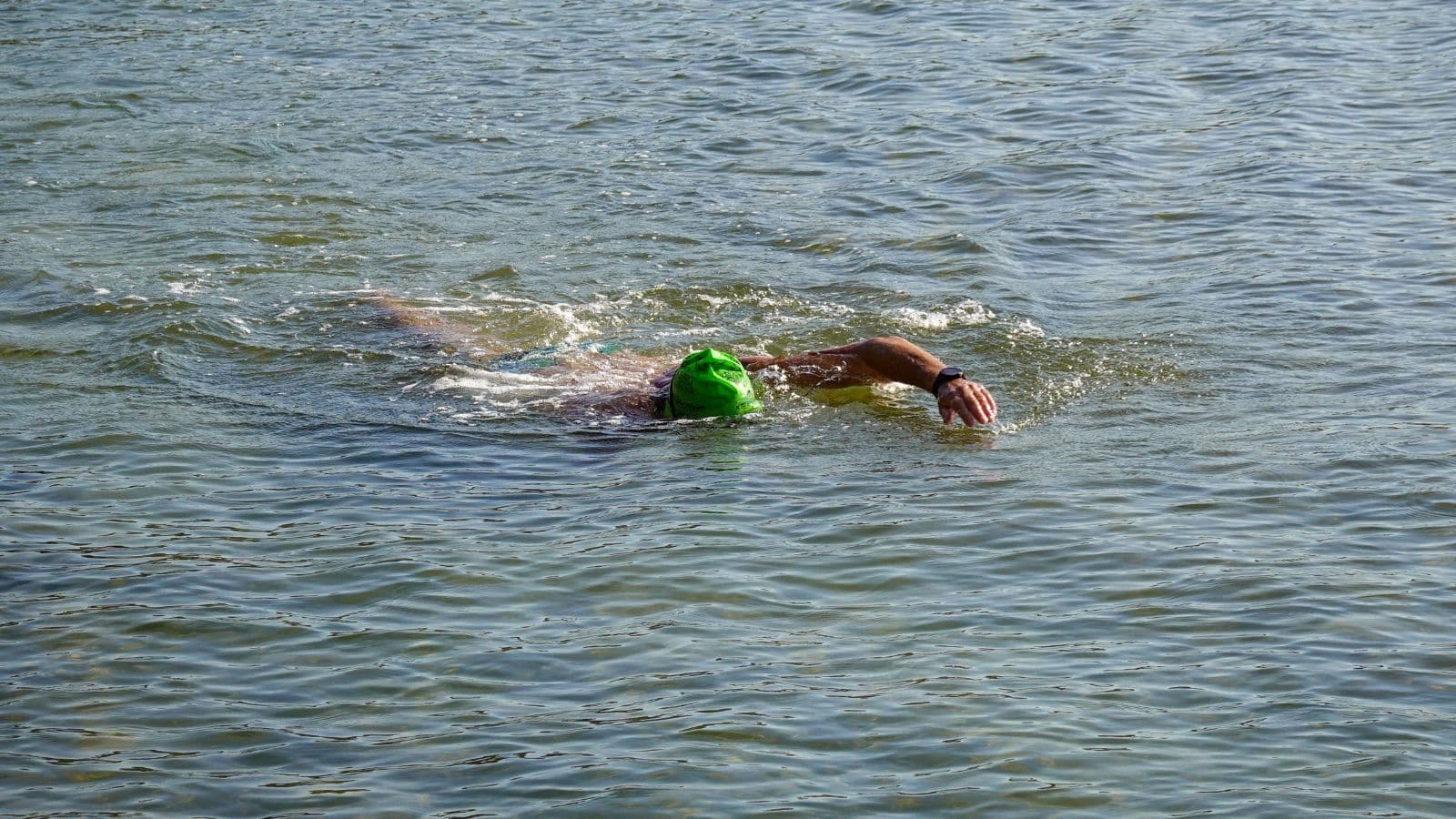
It teaches swimmers how to maintain an efficient body position with minimal effort. Athletes who understand what causes sinky legs in swimming and how can triathletes correct them know that balance and body alignment are fundamental to efficient swimming.
Bike Drill: One-Leg Pedaling
One-leg pedaling helps identify dead spots in the pedal stroke.
Benefits include:
- Smoother pedaling
- Better coordination
- Improved force application
Complete short intervals on each leg while maintaining smooth movement.
Bike Drill: Cadence Variations
Practice riding at:
- Low cadence
- Moderate cadence
- High cadence
This improves:
- Neuromuscular control
- Pedaling efficiency
- Adaptability
The goal isn’t simply spinning faster but maintaining smooth technique throughout different cadence ranges.
Bike Drill: Cornering Practice
Find an empty parking lot or quiet road to practice:
- Entering corners
- Looking through the turn
- Smooth braking
- Controlled acceleration
Athletes who understand what mountain biking skills should beginner triathletes learn know that confidence on the bike develops through deliberate technical practice.
Bike Drill: Bottle Pickups
Practice reaching for and replacing bottles while maintaining:
- Straight riding
- Stable body position
- Smooth steering
This develops valuable race-day skills while improving overall bike control.
Run Drill: High Knees
High knees improve:
- Running posture
- Hip mobility
- Leg turnover
Perform short controlled repetitions with good posture rather than maximum speed.
Run Drill: Butt Kicks
Butt kicks reinforce:
- Leg recovery
- Running rhythm
- Coordination
Avoid leaning backwards and maintain an upright posture.
Run Drill: Strides
Strides involve short accelerations over approximately 20 to 30 seconds.
They improve:
- Running economy
- Coordination
- Relaxation at speed
Focus on smooth running rather than sprinting. Athletes who understand relying on training data know that these efforts are often best performed by feel rather than constantly checking pace.
Run Drill: Bounding
Bounding develops:
- Running power
- Elasticity
- Coordination
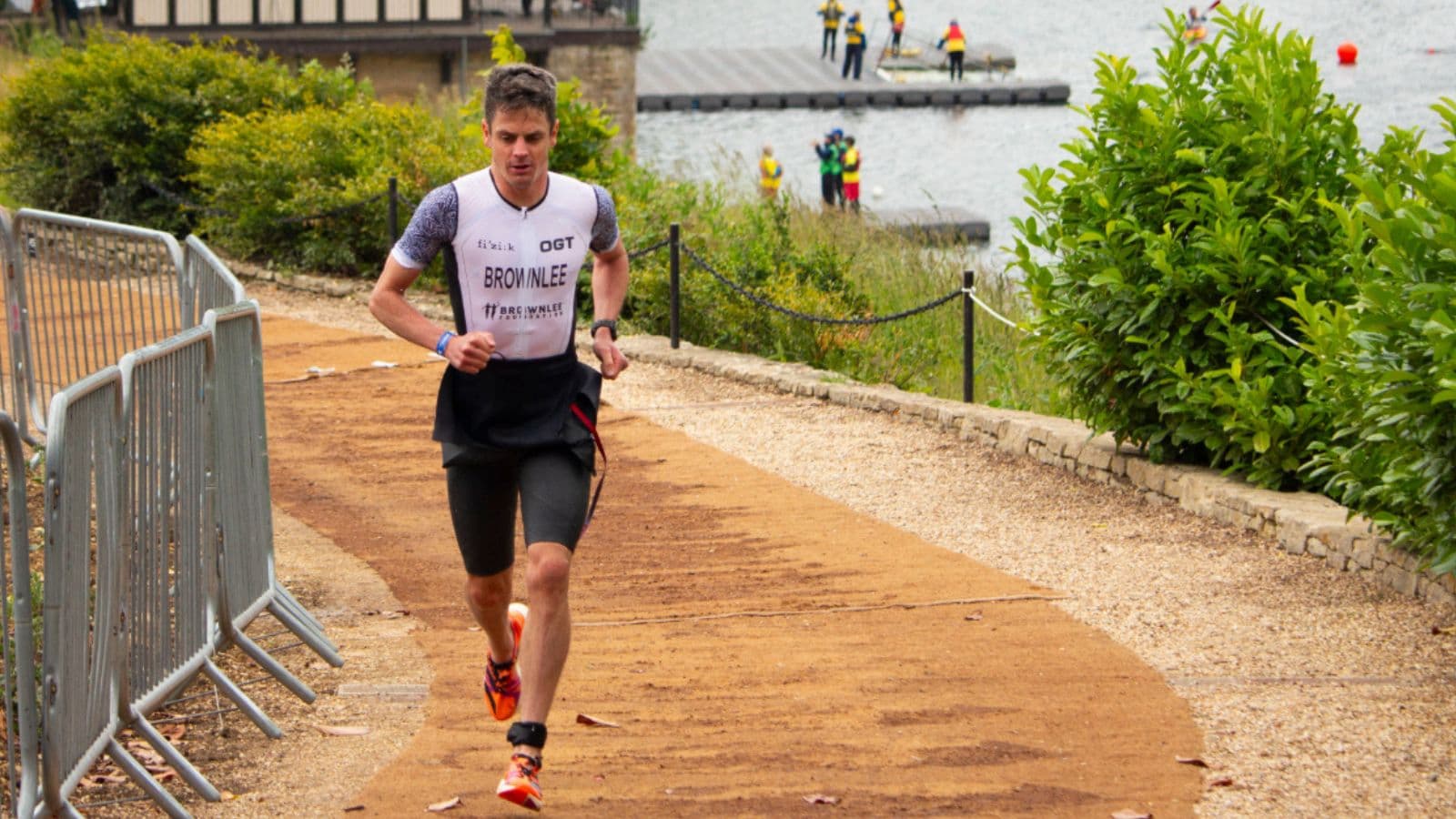
Use controlled movements with full recovery between repetitions.
Quality matters more than quantity.
Transition Drill: Bike-to-Run Practice
The off-season is an excellent time to rehearse transitions.
Practice:
- Mounting and dismounting
- Changing shoes
- Short brick runs
Athletes who understand how can triathletes adapt to a triathlon training plan while traveling know that maintaining technical skills often requires flexibility and creativity throughout the year.
Balance and Stability Exercises
Good technique starts with stability.
Include exercises such as:
- Single-leg balance
- Step-downs
- Core work
- Stability movements
These exercises support all three disciplines.
Video Your Technique
Occasionally recording your:
- Swim stroke
- Bike position
- Running form
can help identify small technical flaws that are difficult to notice while training.
Objective feedback supports steady improvement.
Keep Drill Sessions Short
Technique work should remain focused.
Many athletes benefit from:
- 10–20 minutes of drills
- High concentration
- Low fatigue
Quality repetitions are far more valuable than long sessions performed with poor concentration.
Don’t Neglect Recovery
Skill development occurs best when athletes are fresh. Athletes who understand how can triathletes cope with a loss of identity after race season know that the off-season should include both recovery and purposeful development rather than continuous hard training.
Build Better Habits
The off-season is the perfect time to reinforce:
- Good posture
- Efficient movement
- Smooth technique
- Consistent routines
These habits become automatic when race-specific training resumes.
Common Off-Season Drill Mistakes
Many triathletes:
- Skip technique work
- Focus only on fitness
- Rush through drills
- Perform drills while fatigued
- Ignore bike handling
- Neglect running mechanics
- Stop swimming altogether
- Forget to practice transitions
Avoiding these mistakes allows athletes to enter the next season with stronger technical foundations.
How to Structure Off-Season Drill Sessions?
A balanced weekly routine may include:
- Two swim drill sessions
- One or two bike skill sessions
- Two running drill sessions
- Regular balance and mobility work
- Short transition practice
- Video technique analysis
- Easy aerobic training
- Planned recovery days
The off-season isn’t simply a break from racing, it’s an opportunity to build better movement patterns that will improve efficiency throughout the next season. By focusing on swim, bike, and run drills while training demands are lower, triathletes can become smoother, faster, and more confident athletes before race-specific preparation begins.