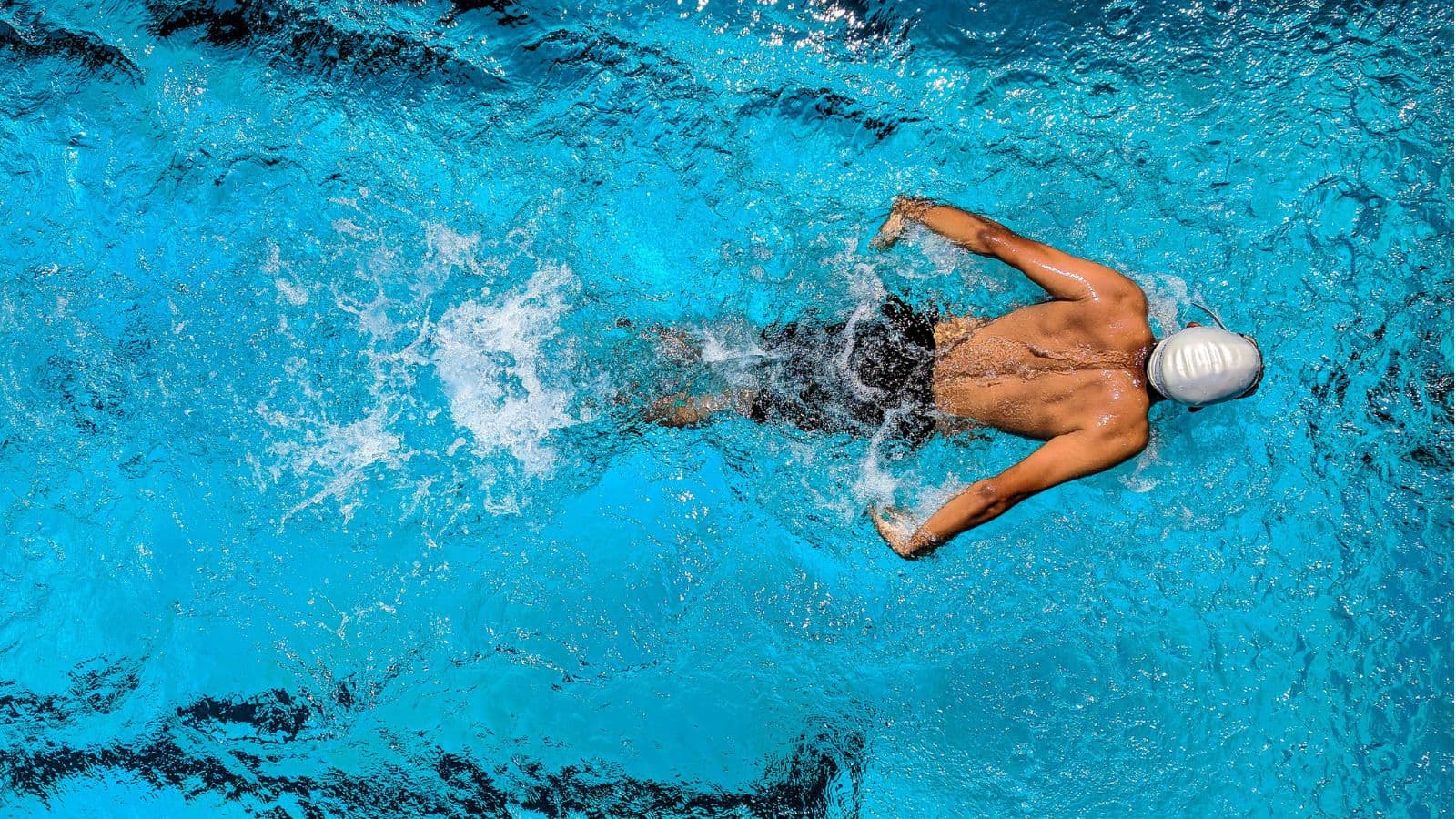


For many triathletes, the swim is the most intimidating part of race day. Even athletes who are comfortable swimming laps in a pool can feel anxious when faced with waves, deep water, limited visibility, and hundreds of competitors. The best way to overcome these challenges is through experience. Open water swimming develops skills that simply cannot be replicated in a pool. The more time you spend in different open water environments, the more comfortable, efficient, and confident you’ll become when race day arrives. Fortunately, gaining open water experience doesn’t require swimming every day in a lake or the ocean. With the right approach, triathletes can steadily build confidence while improving safety and performance.
Start Early in Your Training
Many triathletes wait until a few weeks before their race to swim outdoors. Instead, begin introducing open water sessions several months before your event whenever conditions allow.
This gives you time to:
- Build confidence
- Learn new skills
- Adapt gradually
Athletes who understand how can working professionals train for a 70.3 triathlon know that gradual progression almost always produces better long-term results than rushing preparation.
Swim With Others
Open water is safest when you aren’t alone.
Swimming with:
- Training partners
- Clubs
- Organized groups
provides both safety and valuable learning opportunities. Watching experienced swimmers navigate conditions can improve your own confidence and technique.
Choose Calm Conditions First
Your first sessions shouldn’t take place in rough water.
Begin in:
- Calm lakes
- Sheltered bays
- Designated swimming venues
As confidence grows, gradually expose yourself to more challenging environments.
Practice Sighting Regularly
One of the biggest differences between pool and open water swimming is navigation.
Practice:
- Looking ahead briefly
- Returning quickly to your stroke
- Maintaining direction
Athletes who understand why is a level body position important for triathlon swimming know that efficient body position should be maintained even while sighting.
Learn To Swim In A Wetsuit
If your target race is wetsuit legal, don’t wait until race morning to wear it.
Practice:
- Entering the water
- Swimming comfortably
- Turning
- Exiting efficiently
A wetsuit changes:
- Buoyancy
- Body position
- Stroke feel
The more familiar it becomes, the more comfortable you’ll be on race day.
Practice Different Starts
Race starts can feel very different from training.
Practice:
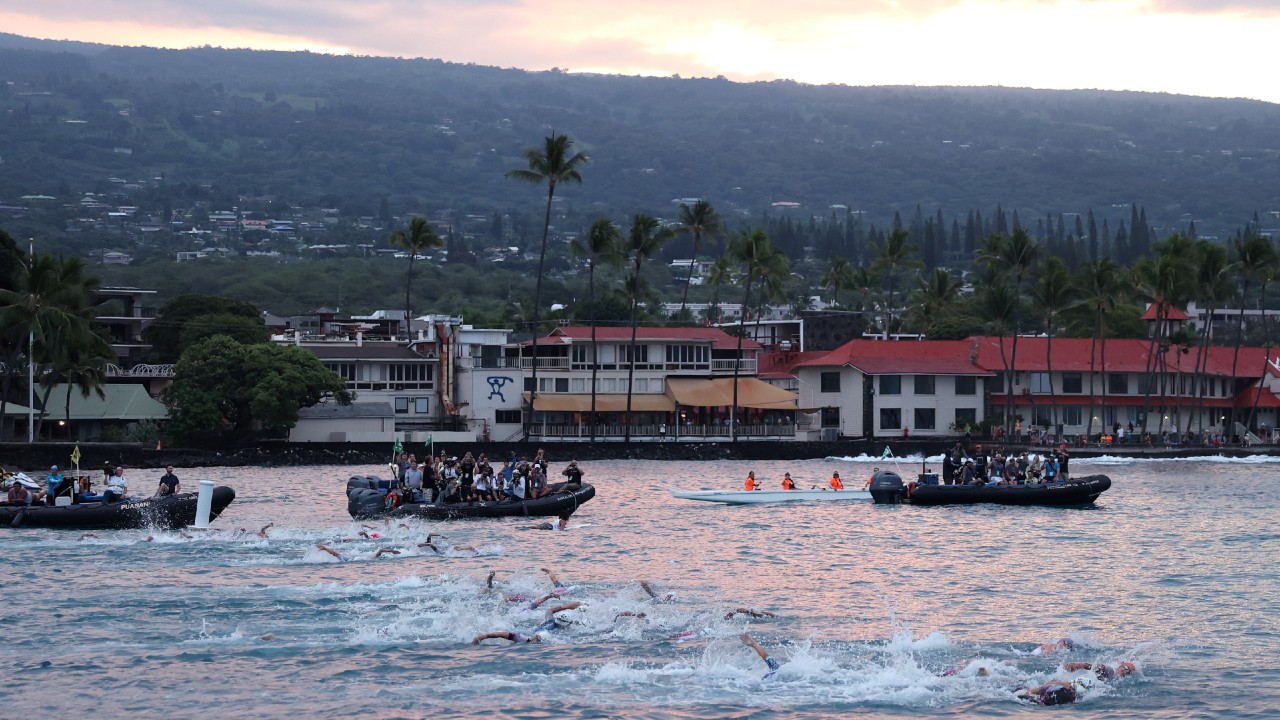
- Beach starts
- Deep-water starts
- Rolling starts
These sessions help reduce anxiety and improve confidence under pressure. Athletes who understand how can triathletes cope with a loss of identity after race season know that confidence often develops through repeated exposure to challenging situations rather than avoiding them.
Experience Different Water Conditions
No two races are identical.
Whenever possible, swim in:
- Lakes
- Oceans
- Reservoirs
- Rivers
Different environments teach athletes how to adapt to changing conditions.
Practice Swimming Around Others
Swimming alone is very different from racing.
Practice:
- Swimming beside others
- Drafting
- Gentle contact
- Navigating crowded situations
These experiences make race-day contact feel much less intimidating.
Build Distance Gradually
Avoid jumping immediately into race-distance swims.
Instead:
- Increase duration progressively
- Focus on comfort
- Prioritize good technique
Confidence often grows alongside distance.
Improve Your Breathing
Controlled breathing helps athletes remain calm when conditions become challenging.
Practice:
- Relaxed exhalation
- Rhythmic breathing
- Bilateral breathing when appropriate
Athletes who understand what causes sinky legs in swimming and how can triathletes correct them know that efficient breathing also contributes to better body position and reduced drag.
Practice Swim Exits
Many triathletes focus only on swimming.
Instead, rehearse:
- Standing up
- Running from the water
- Removing goggles and cap
- Beginning the transition
These small details help make race day feel familiar.
Learn To Stay Calm
Open water occasionally presents unexpected situations.
You may encounter:
- Waves
- Cold water
- Limited visibility
- Physical contact
Rather than fighting the water, practice relaxing and returning to a steady rhythm. Confidence develops through repetition.
Continue Pool Technique Work
Open water experience should complement, not replace, pool training.
Pool sessions remain valuable for:
- Stroke refinement
- Technique drills
- Controlled intervals
Athletes who regularly practice how does hip extension affect speed and efficiency in triathlon running understand that improving movement efficiency in one discipline often supports better overall triathlon performance.
Simulate Race Conditions
As race day approaches, perform sessions that include:
- Wetsuit swimming
- Group starts
- Sighting
- Swimming continuously
- Exiting the water and running briefly
These simulations reduce uncertainty on race day.
Develop Confidence, Not Speed
The objective of open water practice isn’t simply swimming faster.
Instead, aim to become:
- Relaxed
- Efficient
- Adaptable
- Comfortable
A confident swimmer often performs better than a tense swimmer with slightly better fitness.
Learn Basic Safety Skills
Every open water swimmer should know:
- Local conditions
- Emergency procedures
- Safe entry and exit points
- Weather considerations
Never underestimate the importance of swimming safely.
Make Open Water A Regular Habit
Even occasional sessions throughout the season can produce meaningful improvements. Athletes who understand how to adapt to a triathlon training plan while traveling know that consistency generally matters more than occasional large training blocks. Small, regular exposures often produce the greatest confidence gains.
Common Open Water Preparation Mistakes
Many triathletes:
- Wait until race week
- Only swim in pools
- Avoid group swimming
- Never practice sighting
- Ignore race starts
- Skip wetsuit practice
- Panic after unexpected contact
- Focus only on speed
These habits can make race-day swimming far more stressful than necessary.
How To Build Open Water Experience?
Triathletes can gain valuable experience by:
- Starting open water practice early
- Swimming with groups
- Choosing calm venues initially
- Practicing sighting
- Wearing race equipment
- Simulating race conditions
- Building confidence gradually
- Swimming safely and consistently
Open water confidence isn’t built in a single session. It develops through repeated exposure, gradual progression, and learning to stay relaxed in changing conditions. By making open water swimming a regular part of training, triathletes can arrive at the start line feeling prepared, confident, and ready to enjoy the swim rather than simply survive it.