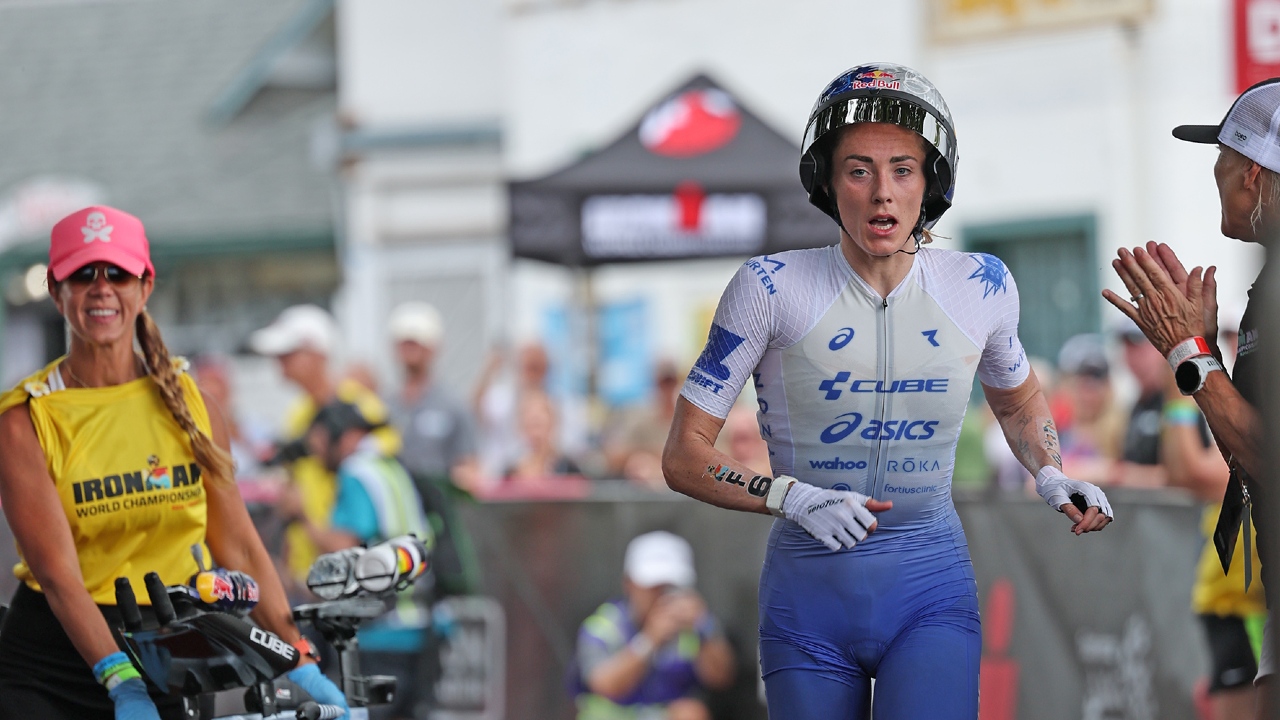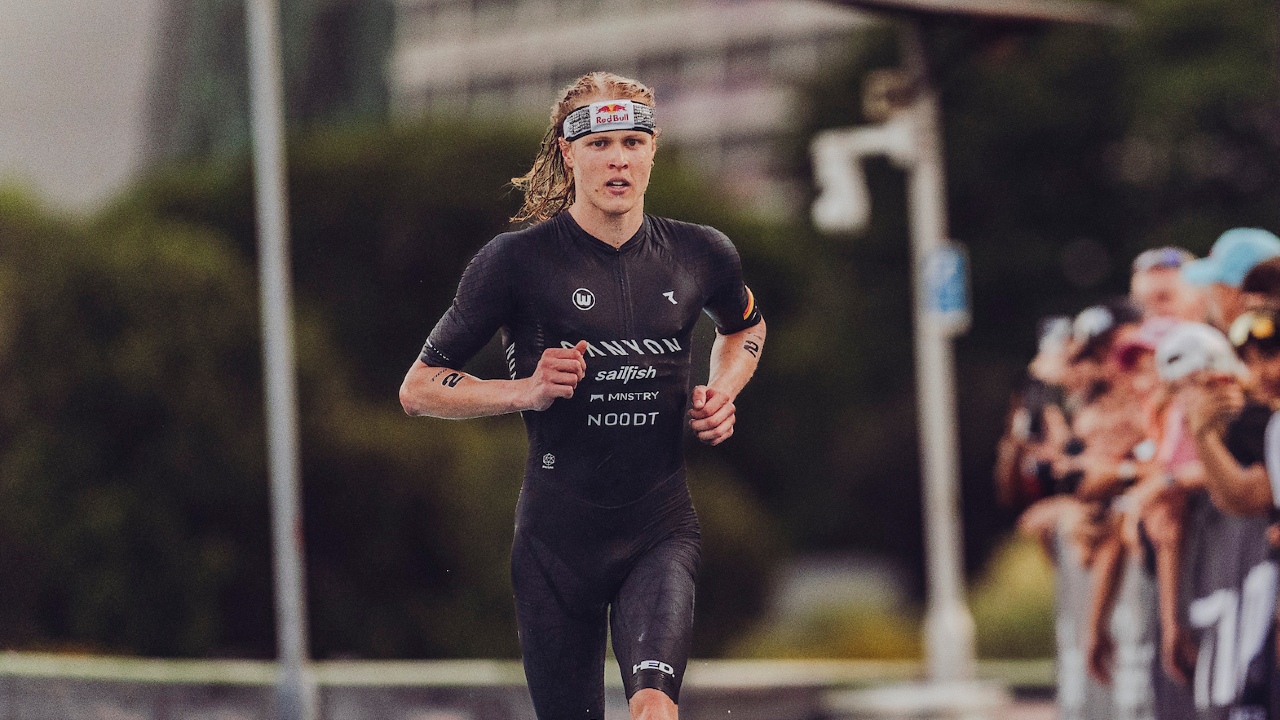


Triathletes often build running sessions around either minutes or kilometres, but neither method is automatically better. Training by distance provides clear targets and can be useful when preparing for a specific race distance, while training by time makes it easier to control workload when fatigue, terrain, weather or previous bike training affects your running pace. The difference matters more in triathlon than it might for a dedicated runner. Every run exists alongside swimming and cycling, so 10km completed on fresh legs isn’t necessarily equivalent to 10km after a demanding bike workout. For most triathletes, the best approach is therefore to use both time and distance according to the purpose of each session.
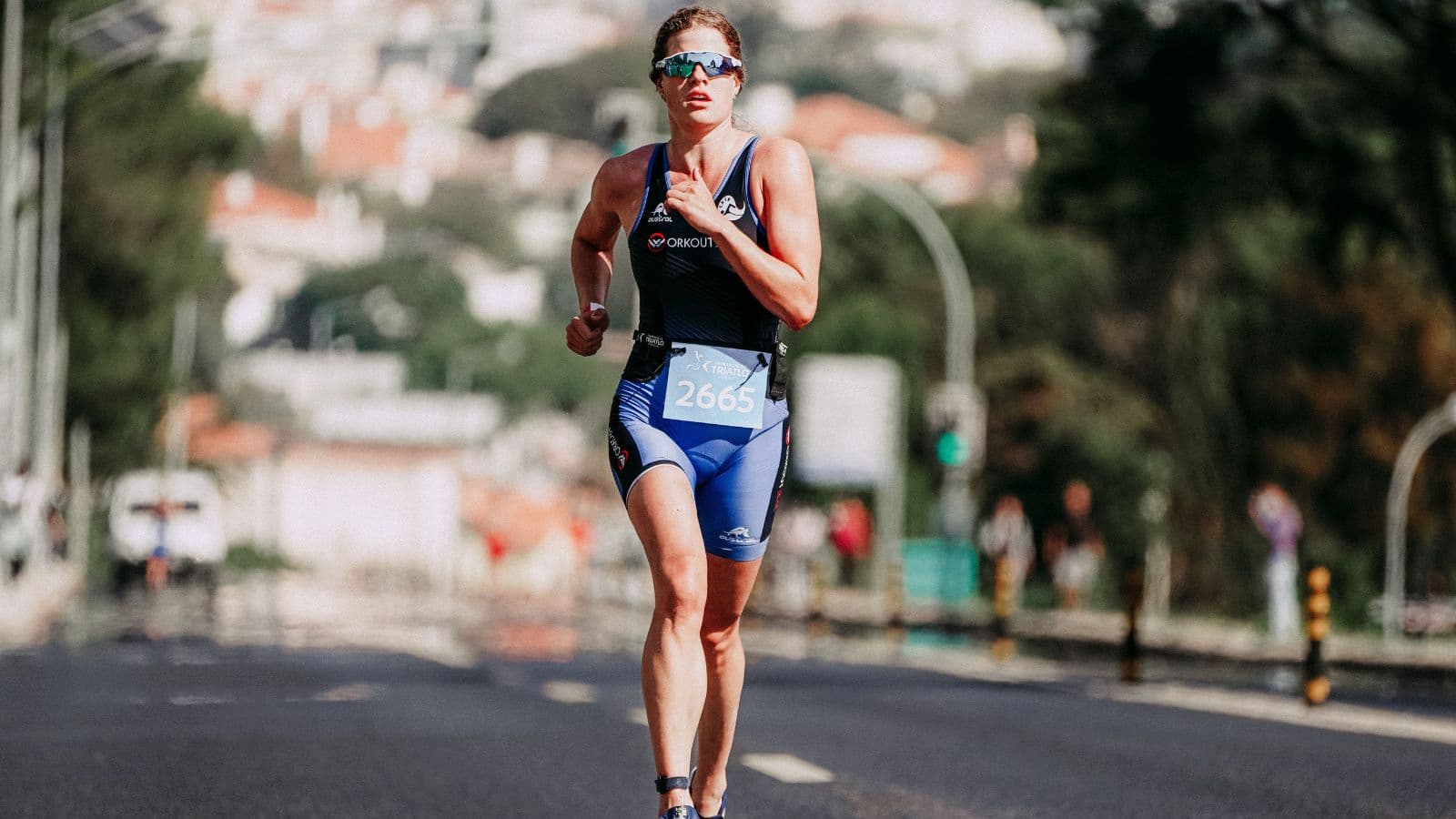
In Short
- Both time and distance can guide effective running.
- Time is useful for controlling overall training load.
- Distance provides greater race specificity.
- Easy runs often work well by time.
- Race-pace sessions can work well by distance.
- Brick runs should account for cycling fatigue.
What Does Training by Time Mean?
Time-based running gives you a duration rather than a fixed distance.
For example:
- 30-minute recovery run.
- 45-minute easy run.
- 60-minute aerobic run.
- 90-minute long run.
You finish when the prescribed time is complete regardless of how far you’ve travelled.
This makes the workload predictable even when your running speed changes.
What Does Training by Distance Mean?
Distance based training gives you a specific number of kilometres or miles to complete.
Examples include:
- 5km easy.
- 10km steady.
- 16km long run.
- 6 × 1km intervals.
Distance is particularly useful when the purpose of a workout is closely connected to race demands.
Time Based Running Works Well for Triathletes
Triathletes rarely begin every run equally fresh.
A session may follow:
- A hard cycling workout.
- Morning swimming.
- Strength training.
- Several demanding training days.
Prescribing 45 minutes instead of a fixed distance prevents slower running from automatically extending an already fatigued athlete’s workout. Understanding how to combine swim, bike and run training effectively is important because individual sessions need to support the complete training week rather than compete with each other.
Time Makes Easy Runs Easier to Control
Easy runs aren’t supposed to become accidental races.
A time target encourages you to concentrate on:
- Comfortable breathing.
- Relaxed movement.
- Appropriate heart rate.
- Recovery.
If your legs are tired from cycling, you can simply run more slowly without worrying that the session will take much longer than planned. Using what is zone 2 running in a triathlon can help you understand the intensity these aerobic sessions should generally target.
Distance Provides Race Specificity
Triathlon races have fixed running distances. Eventually, your body needs experience covering distances relevant to your event.
Distance-based sessions can help you understand:
- Pacing.
- Fuel requirements.
- Muscular endurance.
- Race-distance demands.
They can be particularly valuable during the more race-specific stages of training.
Your Race Distance Matters
The appropriate balance between time and distance changes depending on your event. A sprint triathlete may benefit from more distance-specific faster sessions, while an Ironman athlete needs considerable aerobic durability and fatigue resistance. The demands are very different across events, which is why triathlon distances explained: sprint, olympic, 70.3 and ironman provides useful context when deciding how specific your running needs to become.
Use Time When Building Your Aerobic Base
Early in a training cycle, time-based running can be especially useful.
Instead of chasing kilometres, gradually progress from something like:
- 30 minutes.
- 40 minutes.
- 50 minutes.
- 60 minutes.
This provides a simple way to increase aerobic workload while keeping intensity controlled. Following how to build an aerobic base for running a triathlon can help establish the endurance needed before more demanding race-specific running is introduced.
Use Distance for Structured Intervals
Distance is often practical when completing faster workouts.
Examples include:
- 8 × 400m.
- 5 × 800m.
- 4 × 1km.
- 3 × 2km.
Fixed distances make repetitions easier to compare and can help you monitor whether you’re maintaining a consistent effort throughout the session.
However, intervals don’t need to become all-out efforts. The purpose is controlled quality rather than simply recording the fastest possible split.
Don’t Judge Every Run by Pace
Running speed changes from day to day.
It can be influenced by:
- Cycling fatigue.
- Heat.
- Hills.
- Wind.
- Sleep.
- Training load.
A slower pace doesn’t automatically mean you’ve lost fitness. Learning what causes a high heart rate on easy triathlon runs can also help explain why the same pace may feel significantly harder on some training days.
Brick Runs Need Special Consideration
Running after cycling creates a very different physical sensation from running on fresh legs.
Your pace may initially feel awkward because of:
- Muscular fatigue.
- Changed movement patterns.
- Elevated heart rate.
- Accumulated training stress.
Short brick runs are often easy to prescribe by time, for example, 15–30 minutes after cycling—because the primary goal may simply be adapting to the transition. Developing how to improve your run off the bike helps make these sessions more specific without adding excessive running volume.
Use Effort Alongside Either Method
Neither minutes nor kilometres tell you how difficult a run actually was. Two athletes could run for 60 minutes and experience completely different training loads. Similarly, the same athlete might complete 10km comfortably one week and struggle with it the next.
Monitor:
- Breathing.
- Heart rate.
- Perceived effort.
- Muscular fatigue.
- Recovery.
These indicators provide context that time or distance alone cannot.
Don’t Increase Distance Too Quickly
Distance targets can encourage athletes to chase mileage even when their bodies aren’t ready for it.
Rapid progression can increase stress on:
- Muscles.
- Tendons.
- Bones.
- Joints.
This is especially important for triathletes because running volume is being added to an existing swim and bike workload. Following how to avoid running injuries as mileage increases in a triathlon can help you progress your running without allowing distance targets to become the priority over healthy adaptation.
Match the Measurement to the Workout
A simple approach is to choose the measurement that best supports the purpose of the session.
| Session | Useful Measurement |
|---|---|
| Recovery run | Time |
| Easy aerobic run | Time |
| Short brick run | Time |
| Long aerobic run | Time or distance |
| Track intervals | Distance |
| Race pace repetitions | Distance |
| Race simulation | Distance |
| Return from injury | Time |
This doesn’t need to be rigid. The same athlete may use different approaches at different points of the season.
Combine Time and Distance in the Same Training Week
A balanced week might include:
- 40-minute easy run.
- 5 × 1km interval session.
- 20-minute brick run.
- 14km long run.
This gives you the workload control of time-based training alongside the specificity of distance-based sessions. The exact combination should reflect your race distance, experience and total triathlon workload.
Let Consistency Guide Your Progress
Whether you measure running in kilometres or minutes, consistency matters more than either metric. Repeated manageable training allows your body to adapt without constantly creating excessive fatigue. Your aim isn’t to collect the highest possible weekly mileage. It’s to become a faster and more durable triathlon runner while remaining healthy enough to swim and cycle effectively as well.
Common Mistakes
- Chasing mileage simply to reach a weekly number.
- Running easy sessions too quickly.
- Ignoring cycling fatigue before runs.
- Comparing every run by pace.
- Increasing distance too aggressively.
- Making every brick run hard.
- Ignoring effort and recovery.
- Using only one measurement for every workout.
Practical Tips
- Use time for easy and recovery runs.
- Use distance for race specific workouts.
- Monitor effort alongside both methods.
- Keep brick runs controlled.
- Increase workload gradually.
- Adjust sessions when cycling fatigue is high.
- Don’t chase pace on tired legs.
- Choose the metric that matches the workout.
Actionable Takeaways
Triathletes don’t need to choose permanently between training by time and training by distance. Time is excellent for managing workload, aerobic development, recovery sessions and brick runs, while distance provides useful specificity for intervals, race preparation and selected long runs.
The most effective approach is to use both strategically. Instead of asking whether minutes or kilometres are universally better, decide what each workout is supposed to achieve and choose the measurement that helps you achieve that purpose with the least unnecessary fatigue.