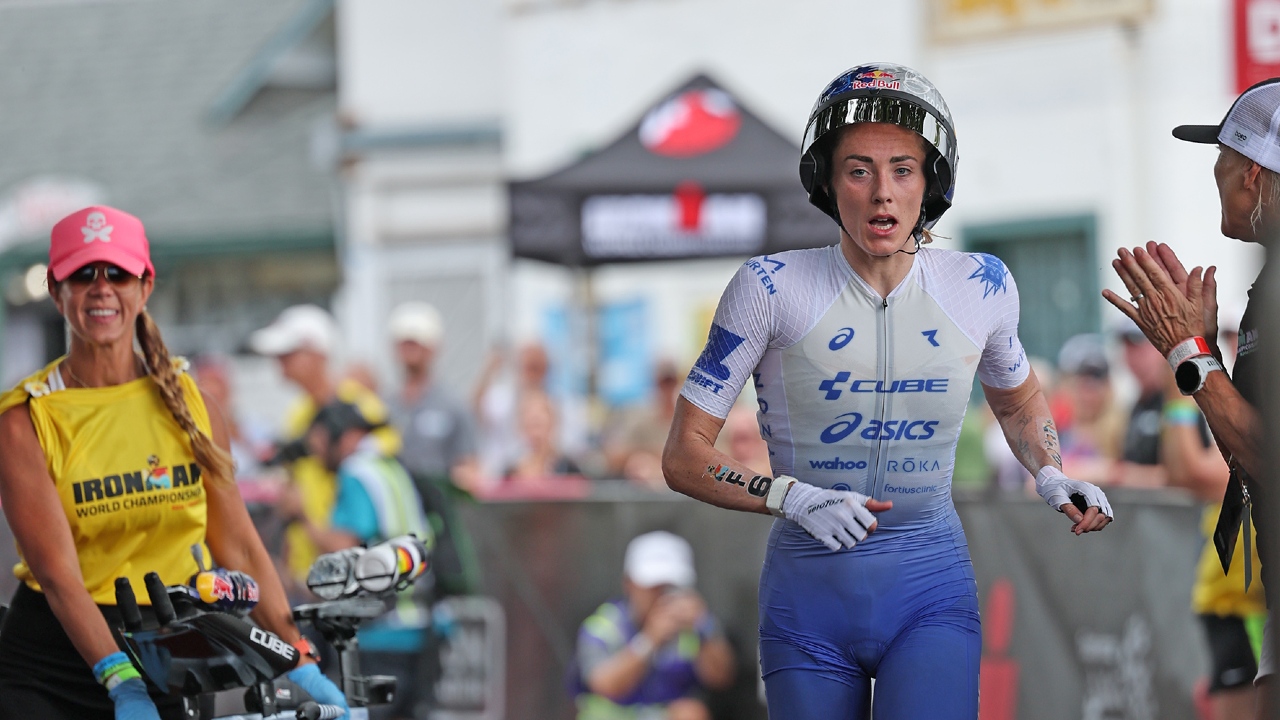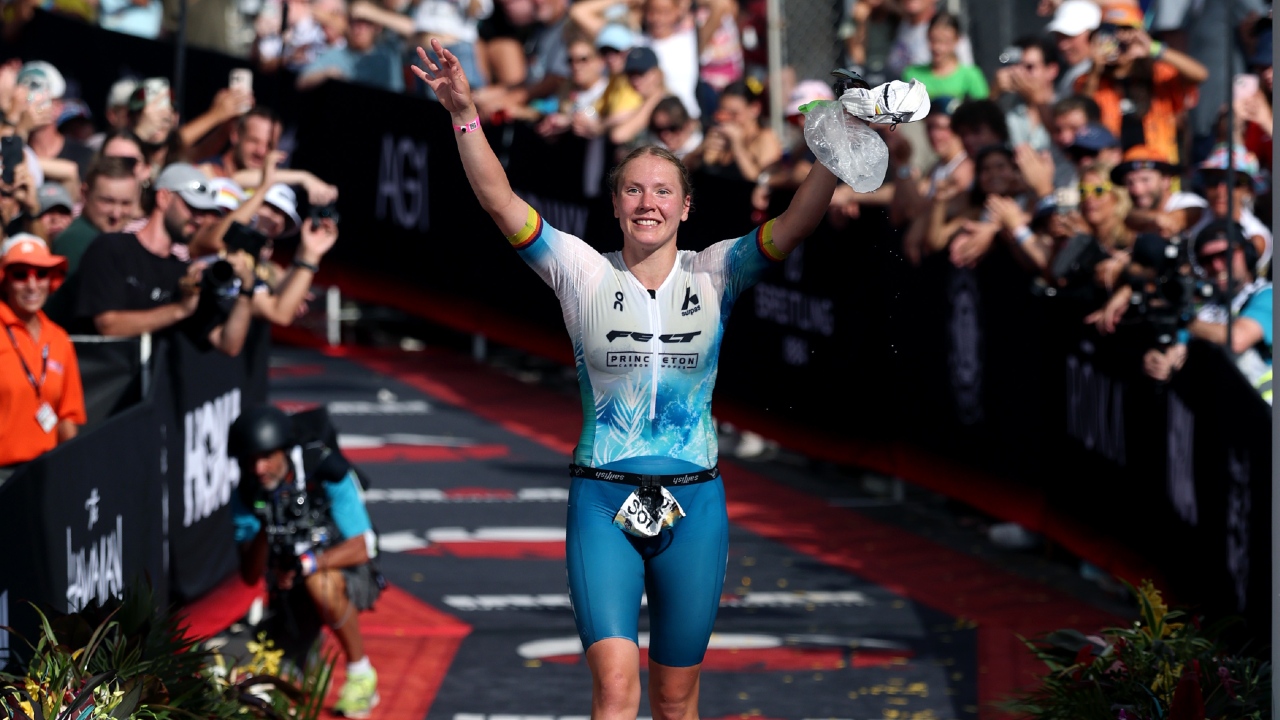


If you’ve researched endurance training, you’ve probably come across the term lactate threshold. While it may sound like a complicated physiological concept, it’s actually one of the most practical performance markers for triathletes. Your lactate threshold determines how fast you can run before fatigue begins to increase rapidly. The higher your threshold, the longer you can maintain a challenging pace without slowing down. Whether you’re preparing for a sprint triathlon or an Ironman, improving your lactate threshold helps you become a stronger, more efficient runner who can sustain faster speeds throughout a race.

In Short
- Lactate threshold is the highest pace you can sustain before fatigue rapidly increases.
- A higher lactate threshold allows faster race paces.
- Threshold training improves endurance and running efficiency.
- Most triathletes benefit from one threshold workout each week.
- Easy running remains essential alongside harder sessions.
What Is Lactate Threshold?
Lactate threshold refers to the exercise intensity at which lactate begins accumulating in your bloodstream faster than your body can remove it. During easier running, your muscles produce small amounts of lactate that your body efficiently clears and reuses for energy. As your pace increases, lactate production also increases. Eventually, you reach a point where removal can no longer keep up with production.
At this stage:
- Fatigue increases more quickly.
- Breathing becomes noticeably harder.
- Holding your pace becomes increasingly difficult.
- You can only maintain the effort for a limited time.
For triathletes, improving this threshold means being able to run faster before reaching that point of rapid fatigue.
Why Lactate Threshold Matters in Triathlon?
Unlike short-distance sprinting, triathlon running requires maintaining a challenging and improved running pace after already completing the swim and bike.
A higher lactate threshold allows you to:
- Sustain faster race speeds.
- Delay fatigue.
- Improve running economy.
- Recover more effectively from changes in pace.
- Finish races more strongly.
For Olympic-distance and longer triathlons, lactate threshold is often one of the strongest predictors of running performance.
Lactate Isn’t the Enemy
Many athletes mistakenly believe that lactate itself causes fatigue. In reality, lactate is a normal by-product of energy production and can even be recycled by your body as an additional fuel source. The real challenge occurs when exercise intensity becomes high enough that multiple physiological changes make sustained running increasingly difficult. Rather than trying to avoid lactate, training aims to improve your body’s ability to produce, transport and utilize it more efficiently.
Signs You’re Running Near Your Lactate Threshold
Threshold running generally feels “comfortably hard.”
You should notice:
- Controlled but heavy breathing.
- Short conversations becoming difficult.
- A pace you could sustain for around 30 to 60 minutes.
- Consistent effort without sprinting.
This intensity sits above an easy aerobic run but below an all-out race effort. Learning this effort level helps make threshold sessions far more effective.
How Threshold Training Improves Performance?
Running close to your lactate threshold encourages adaptations that improves running endurance performance faster in a triathlon.
Benefits include:
- Increased aerobic capacity.
- Improved lactate clearance.
- Better running economy.
- Enhanced muscular endurance.
- Greater sustainable pace.
Over time, you’ll be able to run faster while experiencing the same level of effort.
Common Lactate Threshold Workouts
Threshold training usually involves sustained efforts at or just below your threshold pace.
Popular workouts include:
- 20-minute continuous threshold run.
- 2 × 15 minutes with short recovery.
- 3 × 10 minutes at threshold pace.
- 4 × 8 minutes at threshold pace.
These sessions should feel challenging but controlled rather than exhausting. Quality is far more important than maximum intensity. If you’re interested in structured intensity, easy run vs tempo vs interval: what each does explains where threshold sessions fit into an overall training plan.
Build Your Aerobic Base First
Threshold workouts are most effective when built upon strong aerobic fitness. Without an aerobic base for running, harder sessions become difficult to recover from and produce smaller long-term gains.
Regular Zone 2 running helps:
- Improve endurance.
- Increase mitochondrial density.
- Enhance fat metabolism.
- Support recovery.
- Prepare your body for threshold training.
For this reason, most successful triathletes spend significantly more time running easily than running at threshold. To understand why, what is zone 2 running in a triathlon explains the importance of aerobic development.
Combine Threshold Training with Strength Work
Improving your lactate threshold isn’t only about cardiovascular fitness. Strength training improves muscular endurance and helps maintain efficient running mechanics as fatigue builds.
Focus on exercises that strengthen:
- Glutes.
- Hamstrings.
- Quadriceps.
- Calves.
- Core.
- Hip stabilisers.
For practical guidance, what strength routine should triathlete runners do to stay injury free explains how strength supports both performance and durability.
How Often Should You Do Threshold Training?
For most triathletes, one threshold session each week provides enough stimulus to improve fitness while allowing adequate recovery.
Depending on your experience and training phase, your weekly running might include:
- One threshold workout.
- One interval or speed session.
- One long run.
- Two to four easy aerobic runs.
Trying to perform multiple threshold sessions every week often leads to excessive fatigue and reduces the quality of your other key workouts. A balanced program always includes enough easy running to support recovery. If you’re looking to organize your training effectively, how to build a weekly running plan (beginner to advanced) explains how to combine different workout types throughout the week.
How to Measure Lactate Threshold?
Not every athlete needs laboratory testing to benefit from threshold training.
Common ways to estimate your lactate threshold include:
- Laboratory lactate testing.
- Heart rate threshold testing.
- Functional threshold pace tests.
- Race performances over 10 km.
- Perceived effort.

Many runners also use GPS watches that estimate lactate threshold based on heart rate and pace data, although these estimates should be viewed as approximations rather than exact measurements. For most age-group triathletes, learning to recognize the feeling of threshold effort is often just as valuable as relying on technology.
Common Mistakes
Many athletes misunderstand threshold training and either make it too easy or far too difficult.
Common errors include:
- Running threshold workouts at maximum effort.
- Completing threshold sessions too frequently.
- Skipping easy recovery runs.
- Neglecting aerobic base training.
- Ignoring strength training.
- Poor pacing during intervals.
- Under-fuelling harder workouts.
- Expecting rapid improvements.
Practical Tips
- Complete one threshold session each week.
- Build a strong aerobic base first.
- Keep most runs at an easy pace.
- Focus on consistent pacing throughout threshold intervals.
- Fuel before harder workouts.
- Strength train regularly.
- Prioritise sleep and recovery.
- Reassess your training paces every few months.
Actionable Takeaways
Lactate threshold is one of the most important predictors of triathlon running performance because it determines how fast you can run before fatigue begins to rise rapidly. Improving this threshold allows you to sustain quicker paces with greater efficiency, making races feel more controlled from start to finish.
The most effective approach combines regular threshold workouts with easy aerobic running, strength training and proper recovery. Over time, these training methods work together to raise your sustainable pace while reducing the effort required to maintain it.