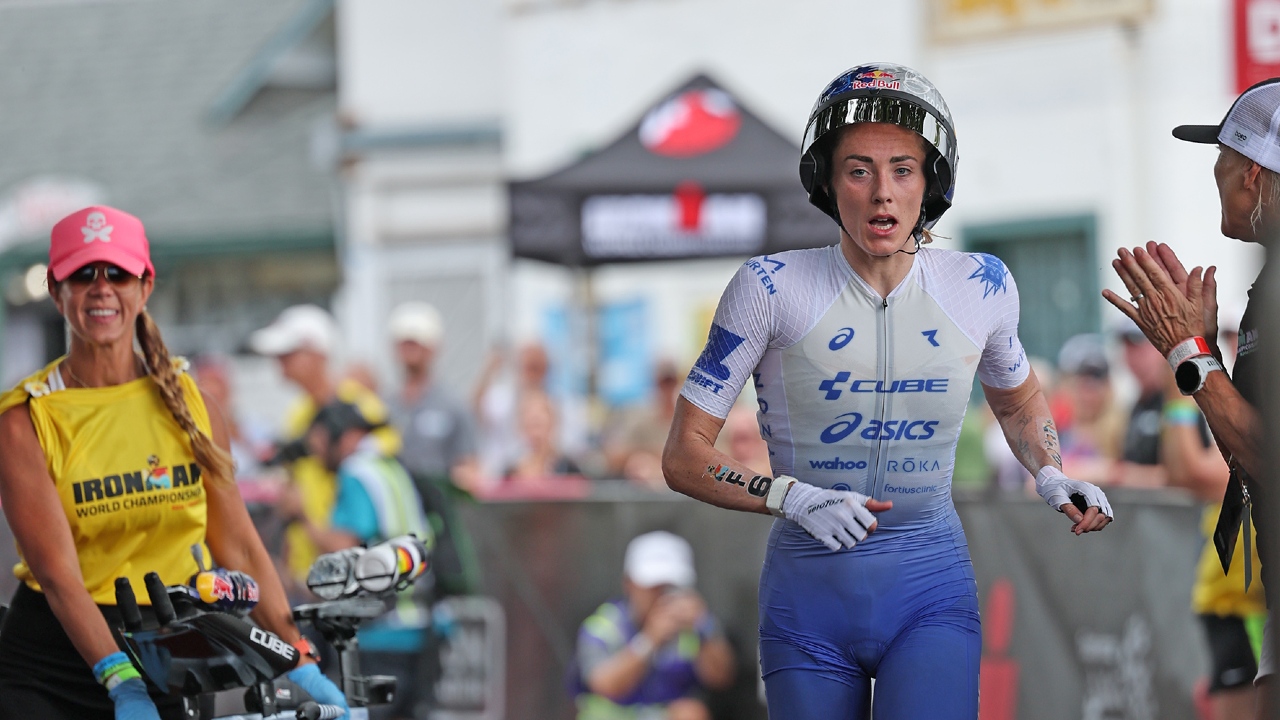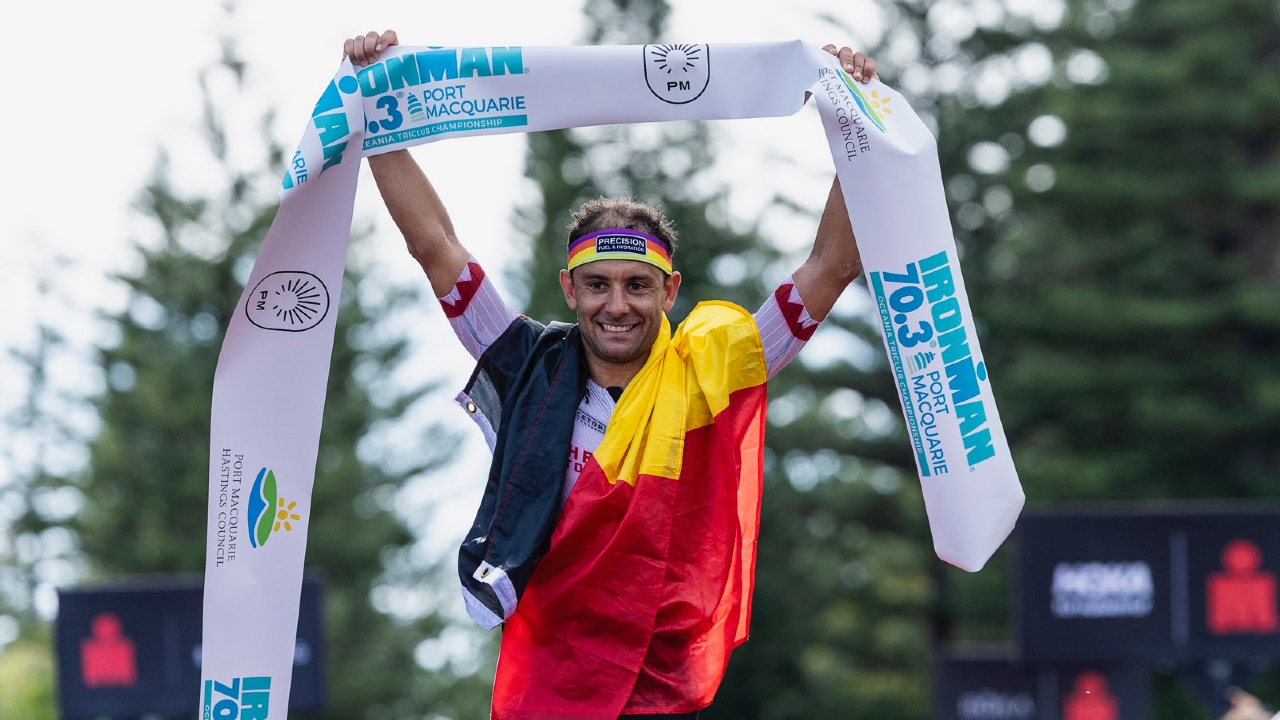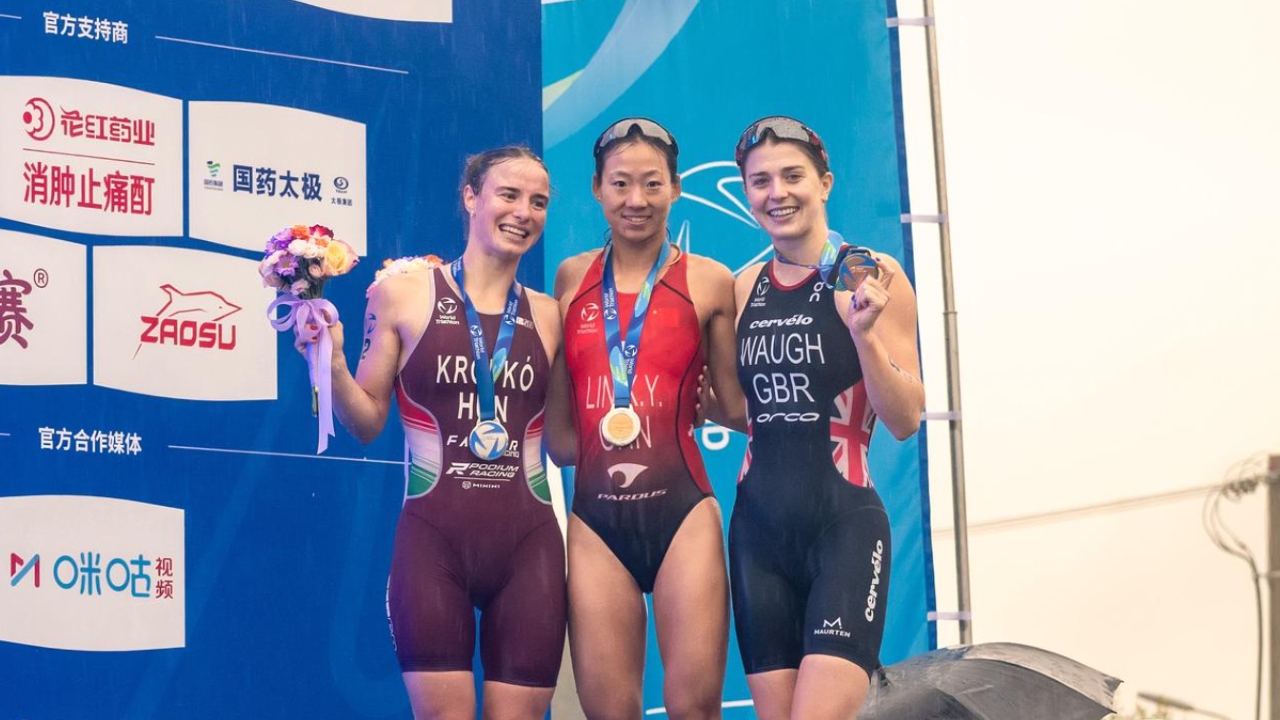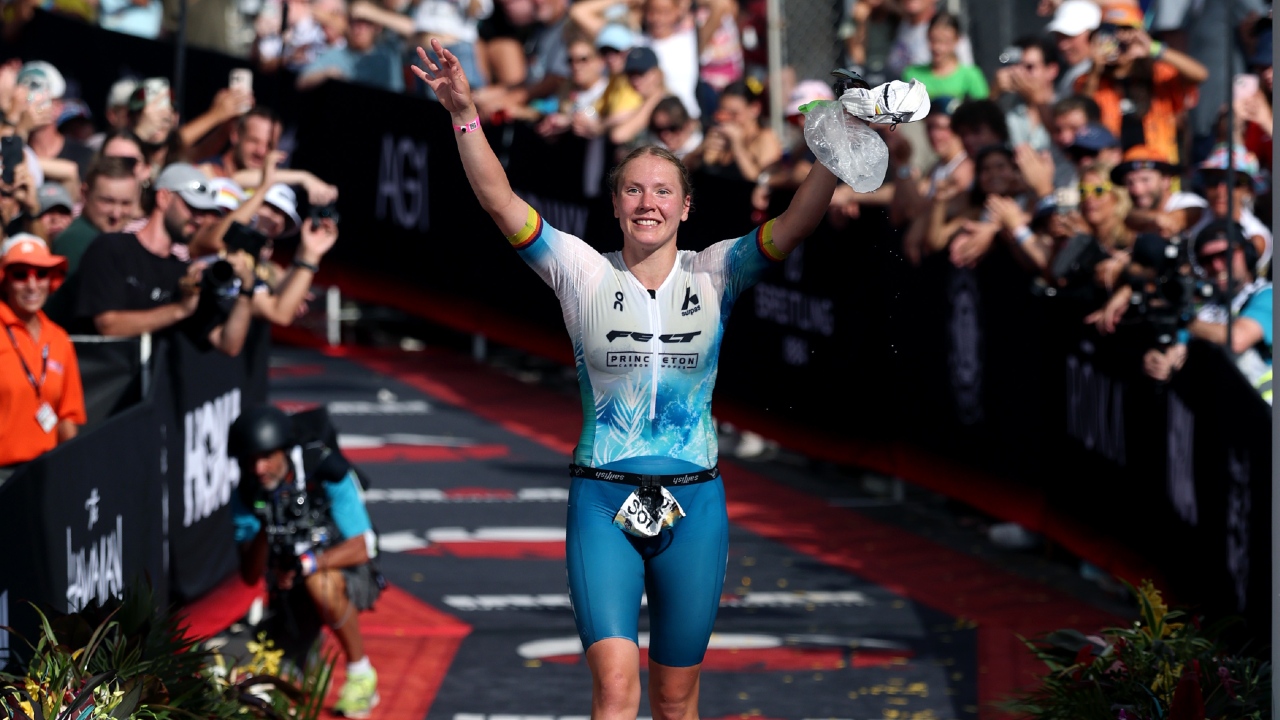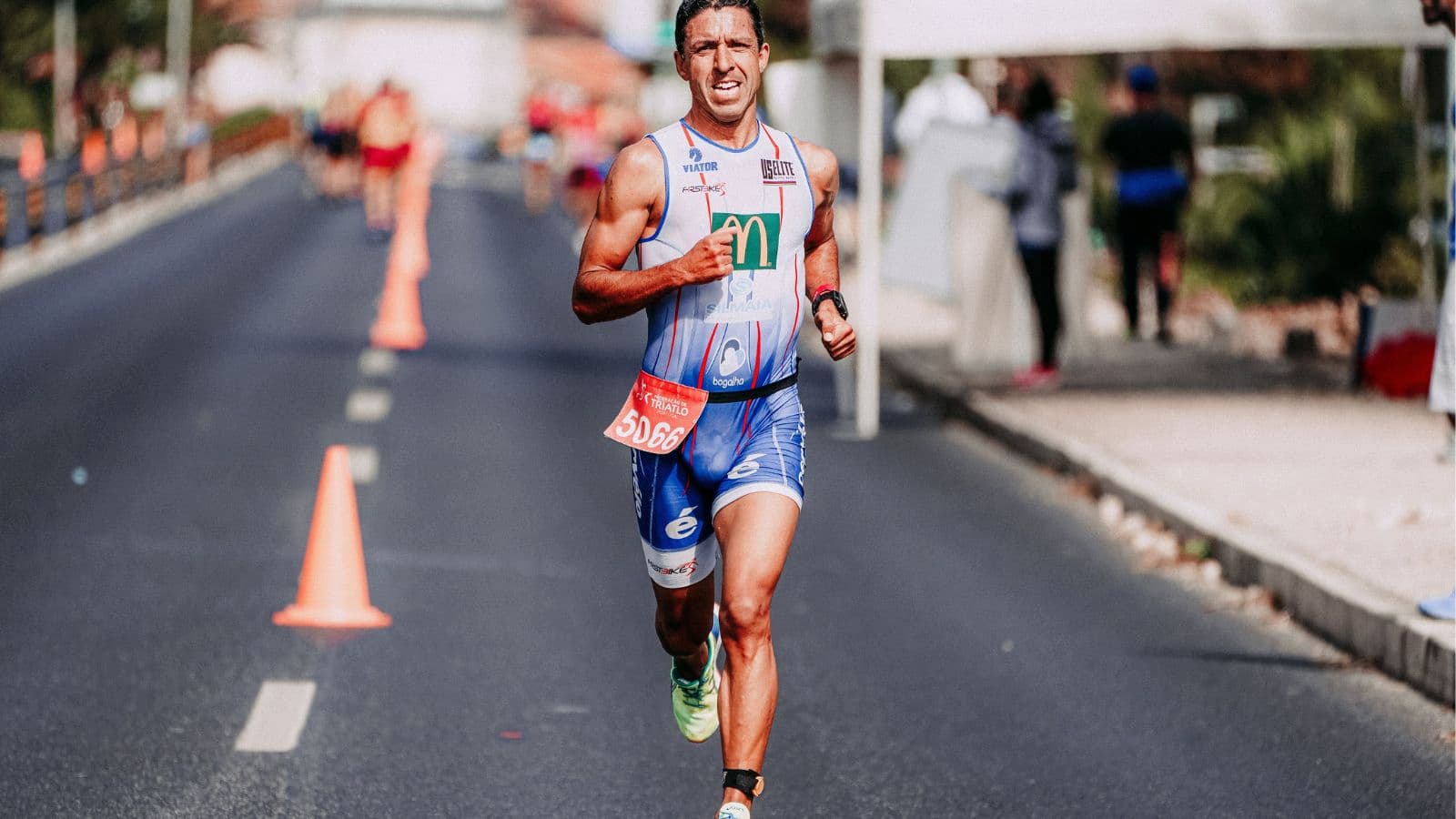


Running faster in a triathlon requires more than improving your standalone running speed. By the time you begin the run, you’ve already completed the swim and bike, making fatigue management just as important as fitness. The athletes who run well are usually those who distribute their effort effectively across all three disciplines while preparing specifically for the demands of running on tired legs. Whether you’re training for a Sprint, Olympic, 70.3 or Ironman, improving your running pace comes from combining smart training, efficient technique, and disciplined race execution.
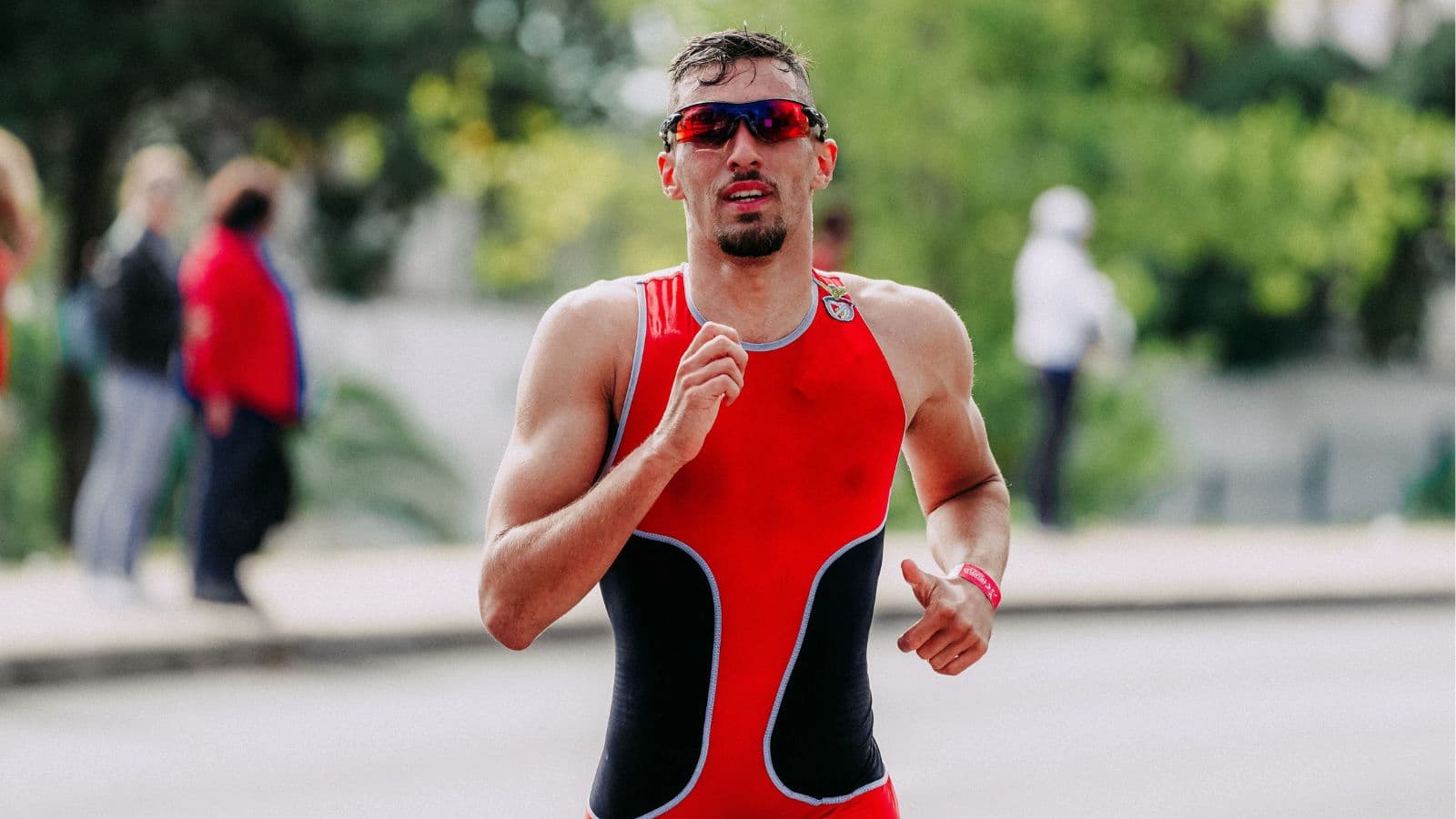
Why Running Pace Slows During a Triathlon?
It’s common to run slower in a triathlon than in a standalone race over the same distance. Increasing running volume without getting injured should be the main goal. Swimming and cycling reduce muscle glycogen, increase muscular fatigue and elevate heart rate before the run even begins.
Several factors contribute to slower run splits:
- Riding too hard on the bike
- Poor pacing early in the race
- Inadequate carbohydrate intake
- Dehydration
- Limited brick training
- Poor running economy
Addressing these areas often produces bigger improvements than simply adding more running mileage. Athletes who regularly practice how to improve your run off the bike usually adapt much faster to the transition between cycling and running.
Build a Strong Aerobic Foundation
Aerobic fitness is the cornerstone of faster triathlon running. A well-developed aerobic system allows you to maintain a quicker pace while relying less on anaerobic energy production. This delays fatigue and helps you hold your target pace throughout the race. Most weekly running volume should be completed at an easy conversational effort. Consistent aerobic training improves endurance, increases fat utilization and allows you to recover more effectively between sessions. Many successful age-group athletes spend a significant portion of their training developing zone 2 training in triathlon, creating the fitness needed to support harder sessions later in the week.
Include Weekly Brick Workouts
Brick workouts are one of the most effective ways to improve your triathlon run. Running immediately after cycling teaches your body to adjust from a circular pedaling motion to an efficient running stride. Over time, your legs adapt and the heavy sensation experienced during the first kilometres becomes less noticeable.
Examples include:
- 60-minute steady bike followed by a 20-minute run
- 90-minute bike with a progressive 30-minute run
- Race-pace cycling followed by short intervals at target run pace
These sessions don’t need to be long to be effective. Consistency is far more important than duration.
Improve Your Lactate Threshold
Lactate threshold determines how fast you can run before fatigue begins to accumulate rapidly. Improving this threshold enables you to sustain faster paces for longer without slowing dramatically during the final stages of the run.
Effective workouts include:
- Tempo runs
- Cruise intervals
- Long threshold efforts with short recoveries
These sessions should feel comfortably hard rather than maximal. Building lactate threshold in triathlon is often one of the quickest ways to improve race-day running performance.
Develop Your VO2 Max
Once you’ve established a strong aerobic base, higher-intensity sessions can increase your maximum aerobic capacity.
VO2 max training improves oxygen delivery and allows race pace to feel easier.
Popular sessions include:
- 5 × 3-minute intervals
- Hill repeats
- 800-metre repeats
- Short track intervals
Because these workouts are demanding, they should represent only a small percentage of your overall training. Improving VO2 max and why it matters for triathlon supports both speed and endurance when combined with lower-intensity training.
Strength Training Improves Running Economy
Running economy refers to the amount of energy required to maintain a given pace. Stronger muscles produce force more efficiently, helping you maintain form even as fatigue develops.
Prioritise exercises such as:
- Bulgarian split squats
- Romanian deadlifts
- Step-ups
- Single-leg calf raises
- Glute bridges
- Planks
Two sessions each week are sufficient for most triathletes.
Better strength also reduces injury risk and improves stability throughout the final stages of a race.
Pace the Bike Conservatively
Many athletes lose far more time during the run than they gain by riding aggressively. If you exceed your target effort on the bike, your legs will struggle to maintain pace during the run.
A controlled bike leg allows you to:
- Maintain consistent cadence
- Preserve glycogen
- Control heart rate
- Run more efficiently after T2
Understanding how to pace a triathlon properly helps you balance effort across the entire race rather than focusing on a single discipline.
Fuel Before Fatigue Begins
Nutrition directly affects running pace. Waiting until you feel tired usually means you’re already behind on energy intake.
A simple strategy includes:
- Starting carbohydrate intake early on the bike
- Drinking regularly throughout the race
- Practising your nutrition during training
- Avoiding unfamiliar products on race day
Good nutrition helps maintain pace while reducing the likelihood of slowing significantly during the closing kilometres.
Improve Running Technique
Small technical improvements can produce meaningful gains over long distances.
Focus on:
- Running tall
- Keeping shoulders relaxed
- Avoiding overstriding
- Landing beneath your centre of mass
- Maintaining a quick cadence
Efficient movement conserves energy and makes it easier to sustain race pace when fatigue increases.
Structure Your Weekly Training Properly
Running fitness develops through consistency rather than constantly chasing hard sessions.
A balanced training week may include:
- Easy aerobic run
- Threshold session
- Brick workout
- Long endurance run
These sessions should complement your swimming and cycling instead of competing with them. Following how to build a weekly triathlon plan makes it easier to balance workload while avoiding excessive fatigue.
Avoid the Biggest Race-Day Mistake
One of the most common pacing errors is starting the run too quickly. Your heart rate remains elevated after the bike, making your perceived effort unreliable during the opening minutes.
Instead:
- Start slightly below target pace.
- Let your breathing settle.
- Build pace gradually.
- Push harder only during the closing stages if you’re still feeling strong.
Athletes who avoid early pacing mistakes are far less likely to experience the dramatic slowdown associated with how to avoid blowing up in a triathlon.
Recovery Is Part of Becoming Faster
Training creates fatigue. Recovery creates adaptation.
To improve your running pace consistently, prioritise:
- Seven to nine hours of sleep
- Recovery nutrition
- Easy recovery sessions
- Mobility work
- Planned recovery weeks
Ignoring recovery often leads to stagnation, even when training volume continues to increase. Long-term progress comes from building efficiency across all three disciplines. Becoming an efficient triathlete allows you to conserve energy during the swim and bike, leaving more available for a stronger run.
Key Takeaways
- Develop aerobic fitness before increasing intensity.
- Include one brick workout every week.
- Improve lactate threshold and VO2 max gradually.
- Strength train twice per week.
- Pace the bike conservatively.
- Fuel consistently throughout the race.
- Focus on efficient running mechanics.
- Prioritise recovery between key sessions.