

Your first triathlon is an exciting opportunity to combine swimming, cycling, and running into one endurance challenge. However, beginners often make avoidable mistakes that affect their confidence, energy levels, and overall race experience. Many first time triathletes focus on improving fitness but overlook important details such as transitions, pacing, nutrition, and equipment preparation. These smaller factors can become significant once race day begins. The good news is that you do not need expensive equipment or advanced athletic experience to complete your first triathlon. With realistic preparation and a sensible race strategy, beginners can avoid many common problems. The most important goal is to complete the event safely while enjoying the experience. Understanding what can go wrong helps you prepare for unexpected situations without becoming overwhelmed.
In Short
- Avoid starting the swim too quickly.
- Practice open water swimming before race day.
- Prepare your transition equipment.
- Never experiment with unfamiliar gear.
- Maintain controlled cycling and running efforts.
- Practice fueling and hydration.
- Follow race rules and safety instructions.
- Prioritize finishing comfortably over chasing speed.
Starting the Swim Too Fast
One of the most common beginner mistakes is swimming too aggressively during the opening minutes. Race excitement, surrounding swimmers, and nervousness can cause athletes to start faster than their normal training pace.
This may lead to:
- Rapid breathing.
- Increased anxiety.
- Early fatigue.
- Poor swimming technique.
- Difficulty maintaining direction.
Begin at a comfortable effort and allow your breathing to settle before increasing speed. Understanding open water swimming tips for beginners can help first time triathletes develop confidence in unfamiliar swimming environments.
Not Practicing Open Water Swimming
Pool swimming and open water swimming involve different challenges. Unlike swimming in a pool, open water requires navigation without lane markings and greater awareness of environmental conditions.
Beginners should practice:
- Swimming in suitable supervised open water.
- Sighting toward visible landmarks.
- Maintaining controlled breathing.
- Swimming near other athletes.
- Entering and exiting the water safely.
Understanding how to transition from pool swimming to open water for triathlon can help athletes prepare for these differences. Never attempt an open water race without adequate swimming competence and appropriate preparation.
Ignoring Transition Practice
Transitions connect the three disciplines and can become confusing during a first race. Beginners often waste time searching for equipment, struggling with clothing, or forgetting where their bike is located.
Common transition mistakes include:
- Forgetting the bike rack location.
- Putting on equipment in the wrong order.
- Leaving essential items behind.
- Rushing while changing shoes.
- Forgetting to fasten the helmet before handling the bike.
Understanding what is a triathlon transition area can help beginners organize their equipment and move through transitions more confidently. Practice a simple transition routine several times before race day.
Using New Equipment on Race Day
Race day is not the ideal time to experiment with unfamiliar equipment. New running shoes, cycling clothing, goggles, or nutrition products may cause discomfort or unexpected problems.
Avoid:
- Wearing untested running shoes.
- Using unfamiliar swimming goggles.
- Changing bike position immediately before racing.
- Trying new energy gels.
- Wearing clothing that has not been tested during exercise.
Understanding triathlon gear mistakes that every beginner triathlete should avoid can help athletes prepare practical equipment without unnecessary purchases. Familiar, reliable equipment is usually more valuable than expensive last-minute upgrades.
Cycling Too Hard
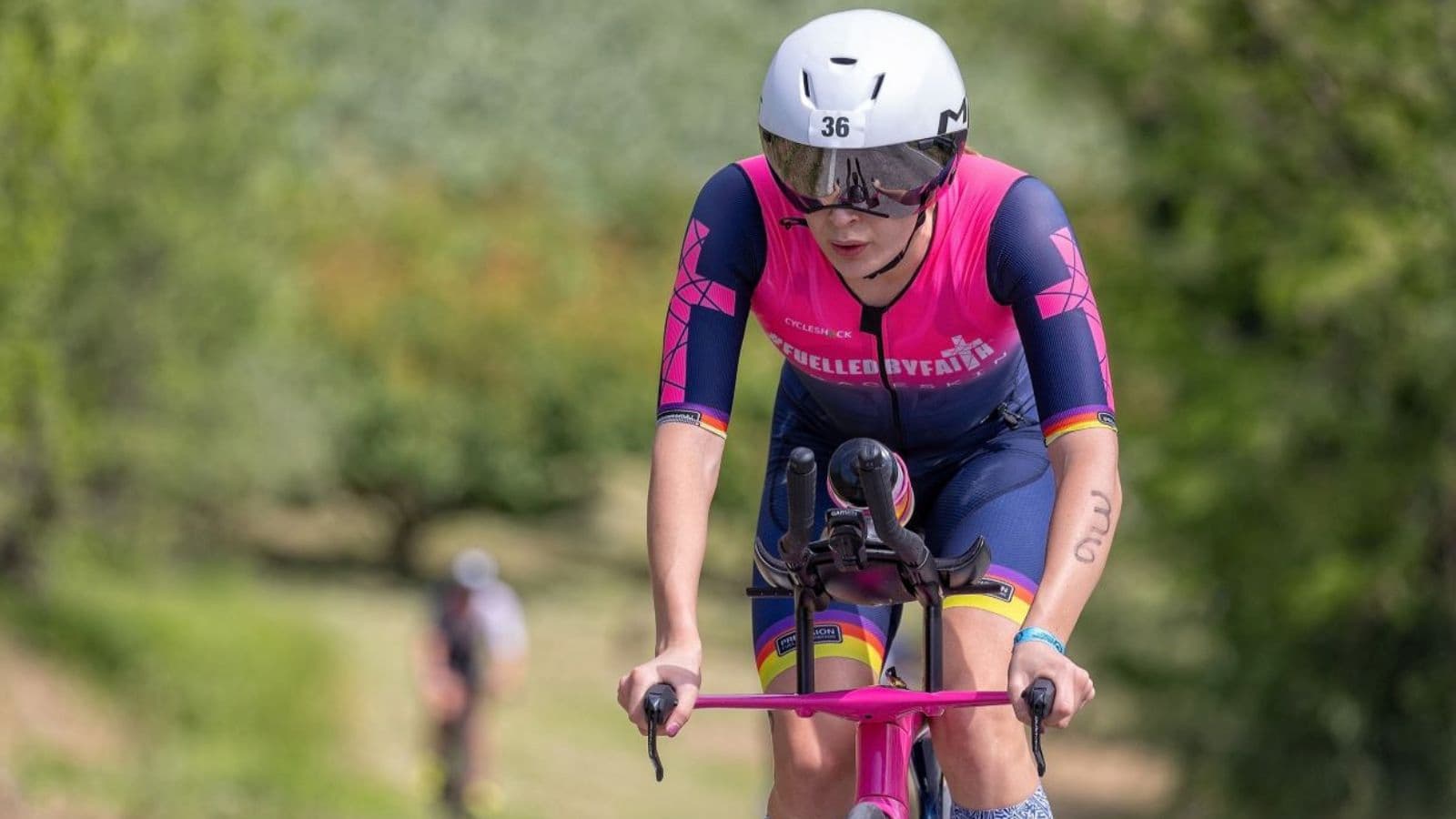
After completing the swim, beginners may feel excited to gain time during the cycling leg. However, cycling too aggressively can leave the legs exhausted before the run begins.
A better approach includes:
- Starting the bike leg gradually.
- Maintaining a sustainable effort.
- Avoiding unnecessary accelerations.
- Using appropriate gears on hills.
- Saving enough energy for running.
Understanding how to pace a triathlon properly can help beginners distribute their effort across all three disciplines. The fastest bike split is not always the best result if it causes significant slowing during the run.
Forgetting Nutrition and Hydration
Poor fueling can affect energy levels, concentration, and endurance. Beginners sometimes underestimate how much preparation is needed, particularly for longer events.
Common mistakes include:
- Skipping breakfast.
- Drinking too little.
- Drinking excessively.
- Trying unfamiliar sports drinks.
- Waiting until severe fatigue develops before eating.
- Consuming more carbohydrates than the stomach can tolerate.
Understanding triathlon nutrition guide for beginners can help athletes develop a practical fueling strategy. Nutrition requirements depend on race duration, weather, individual tolerance, and exercise intensity. For shorter events, complicated fueling plans may be unnecessary.
Running Too Fast After Cycling
The transition from cycling to running can feel unusual for beginners. Legs may feel heavy, coordination may change temporarily, and the first few minutes can feel uncomfortable. Starting the run too quickly may increase fatigue.
Useful strategies include:
- Beginning at a controlled pace.
- Allowing your running rhythm to develop.
- Keeping breathing comfortable.
- Taking short walking breaks if needed.
- Increasing effort only when appropriate.
Understanding what is a brick workout in triathlon can help beginners prepare for the sensation of running after cycling.
Even short bike-to-run practice sessions can improve familiarity with this transition.
Neglecting Race Day Preparation
Poor organization can create unnecessary stress before the event begins. Beginners should prepare equipment and review race information in advance.
Important preparations include:
- Checking the race start time.
- Reviewing the course map.
- Confirming transition opening times.
- Inspecting the bike.
- Preparing nutrition and hydration.
- Checking weather conditions.
- Reviewing event rules.
Understanding triathlon race day checklist: what to bring can help athletes avoid forgetting essential equipment.
Prepare your race bag the evening before rather than rushing on race morning.
Ignoring Race Rules
Triathlon rules help maintain safety and fair competition. Beginners should review the specific event regulations because requirements vary between races.
Important areas include:
- Helmet fastening rules.
- Bike mounting and dismounting lines.
- Drafting regulations.
- Swim safety procedures.
- Transition restrictions.
- Course directions.
If you are unsure about a rule, ask race officials before starting.
Common Mistakes
- Starting the swim too fast.
- Skipping open water practice.
- Forgetting transition equipment.
- Using unfamiliar gear.
- Cycling beyond your fitness level.
- Neglecting nutrition.
- Running too aggressively.
- Ignoring race instructions.
Practical Tips
- Practice each discipline regularly.
- Complete short brick workouts.
- Prepare equipment early.
- Review the course before racing.
- Use familiar nutrition products.
- Start every discipline conservatively.
- Follow race safety instructions.
- Focus on enjoying your first event.
Actionable Takeaways
- Prepare your equipment before race day.
- Practice swimming and transitions.
- Control your effort across all three disciplines.
- Follow a familiar fueling strategy.
- Prioritize safe, confident racing.