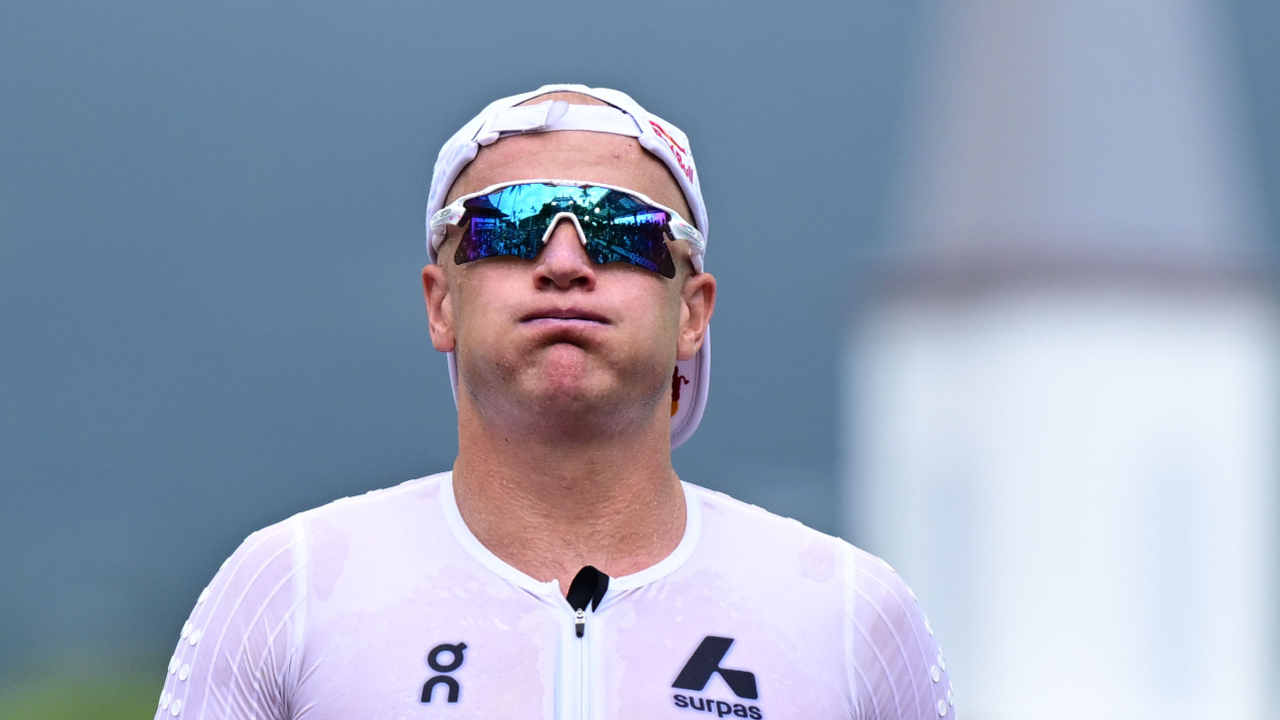

Proper hydration is one of the most important yet often overlooked aspects of triathlon performance. From the swim to the bike and run, your body loses fluids and electrolytes, which can impact endurance, focus, and overall performance. Understanding a structured hydration strategy ensures you stay energized and minimize the risk of dehydration.
Hydration needs vary depending on race distance, weather, and individual sweat rates. Beginners can benefit from practicing their hydration plan during training to avoid surprises on race day.
Hydration Before the Race
Pre-race hydration sets the foundation. Drink water consistently in the hours leading up to the start. Avoid overloading immediately before the race to prevent discomfort. A good rule of thumb is:
- Sip 400 to 600ml of water 2 to 3 hours before the start
- Take 100 to 200ml 15 to 30 minutes before the swim start
For longer races, pairing water with an electrolyte drink before the race can help balance sodium levels and reduce cramping during the bike and run segments.
Hydration During the Race
During the race, focus on replenishing lost fluids and electrolytes. How much you need depends on intensity, temperature, and individual sweat rates. A general guideline is:
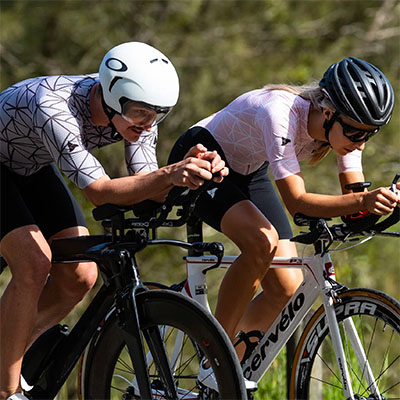
- Bike segment: Drink 400 to 800ml per hour
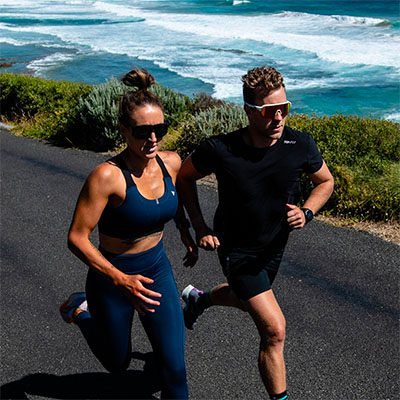
- Run segment: Drink 150 to 250ml every 20 minutes
Use aid stations and your own hydration gear. Energy gels or chews often include electrolytes, but always test your race-day fueling strategy during training to ensure your stomach tolerates it.
Hydration strategies also interact with pacing. Athletes targeting specific finishing times can calculate fluid needs alongside their expected speed, like those tracking average and good triathlon times for each distance.
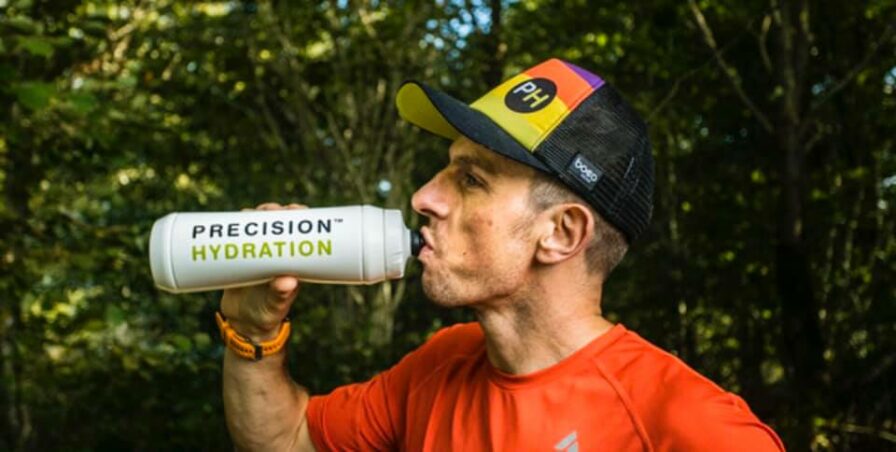
Post-Race Hydration and Recovery
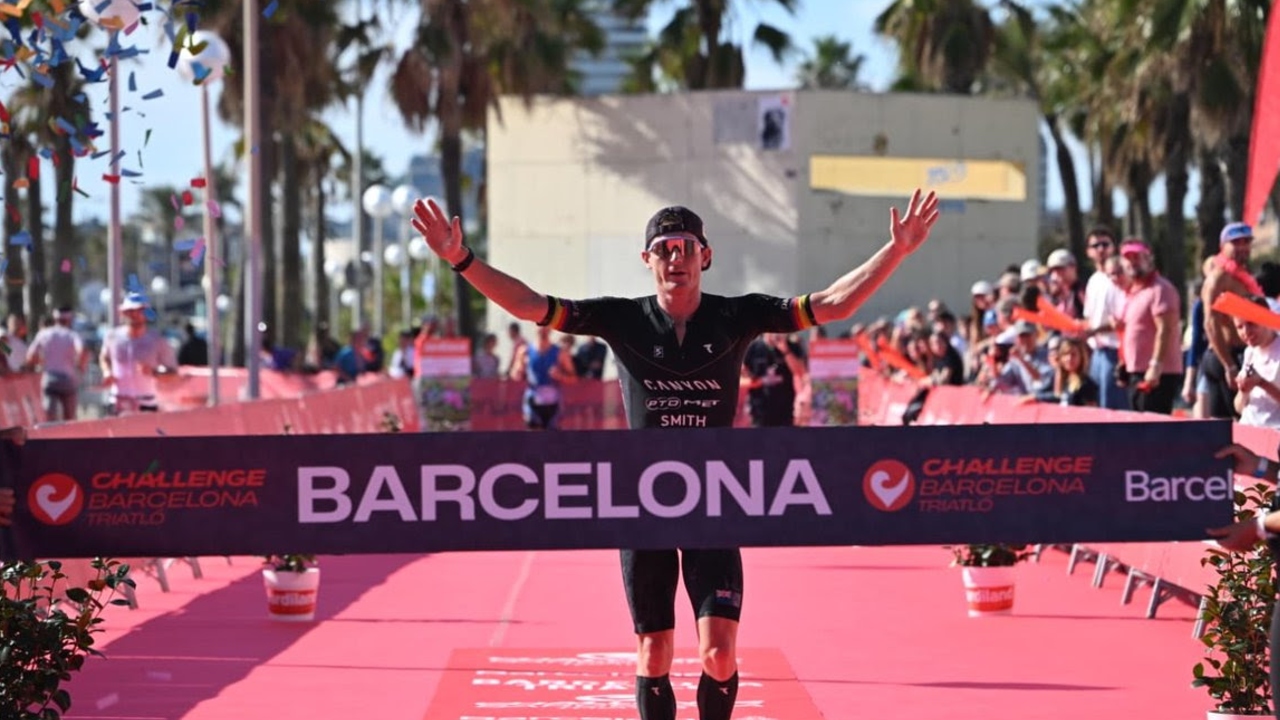
After crossing the finish line, focus on replacing fluids and electrolytes. Water is essential, but recovery drinks containing sodium, potassium, and carbohydrates can speed up rehydration and aid muscle recovery.
Post-race hydration also helps prevent delayed fatigue, dizziness, or cramping, common problems for athletes who under-hydrate during the event.
Practical Tips for Beginners
- Practice your hydration strategy during training, not just on race day.
- Adjust fluid intake based on temperature and humidity.
- Carry fluids that are easy to access during the bike and run segments.
- Monitor urine color and thirst as simple indicators of hydration status.
- Avoid excessive caffeine or alcohol the day before the race, as they can increase fluid loss.
Hydration is both science and personal experimentation. Find a plan that works for you, practice it in training, and you’ll arrive at the start line ready to perform at your best.