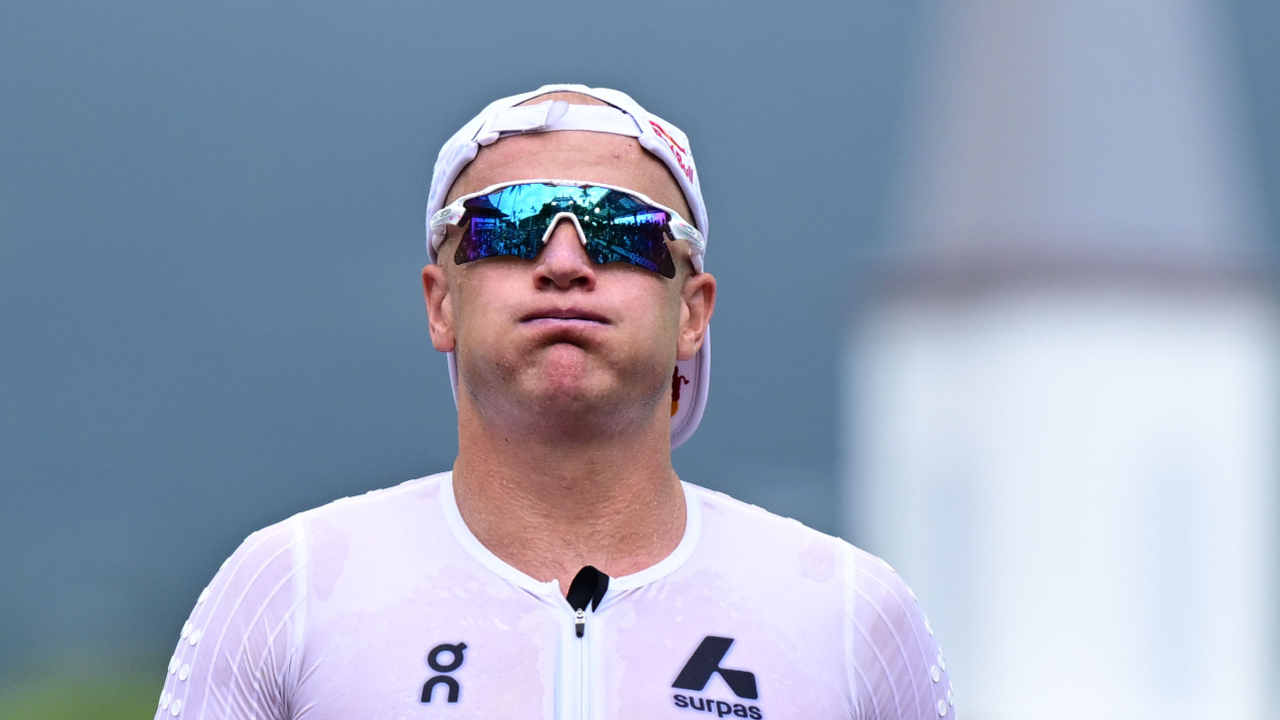


An efficient triathlete is not simply the athlete who trains the hardest. Efficiency in triathlon means using less energy to maintain speed across swimming, cycling, and running while recovering well enough to train consistently over time.
Efficient triathletes manage:
- Pacing
- Technique
- Aerobic fitness
- Recovery
- Nutrition
- Training structure
- Equipment choices
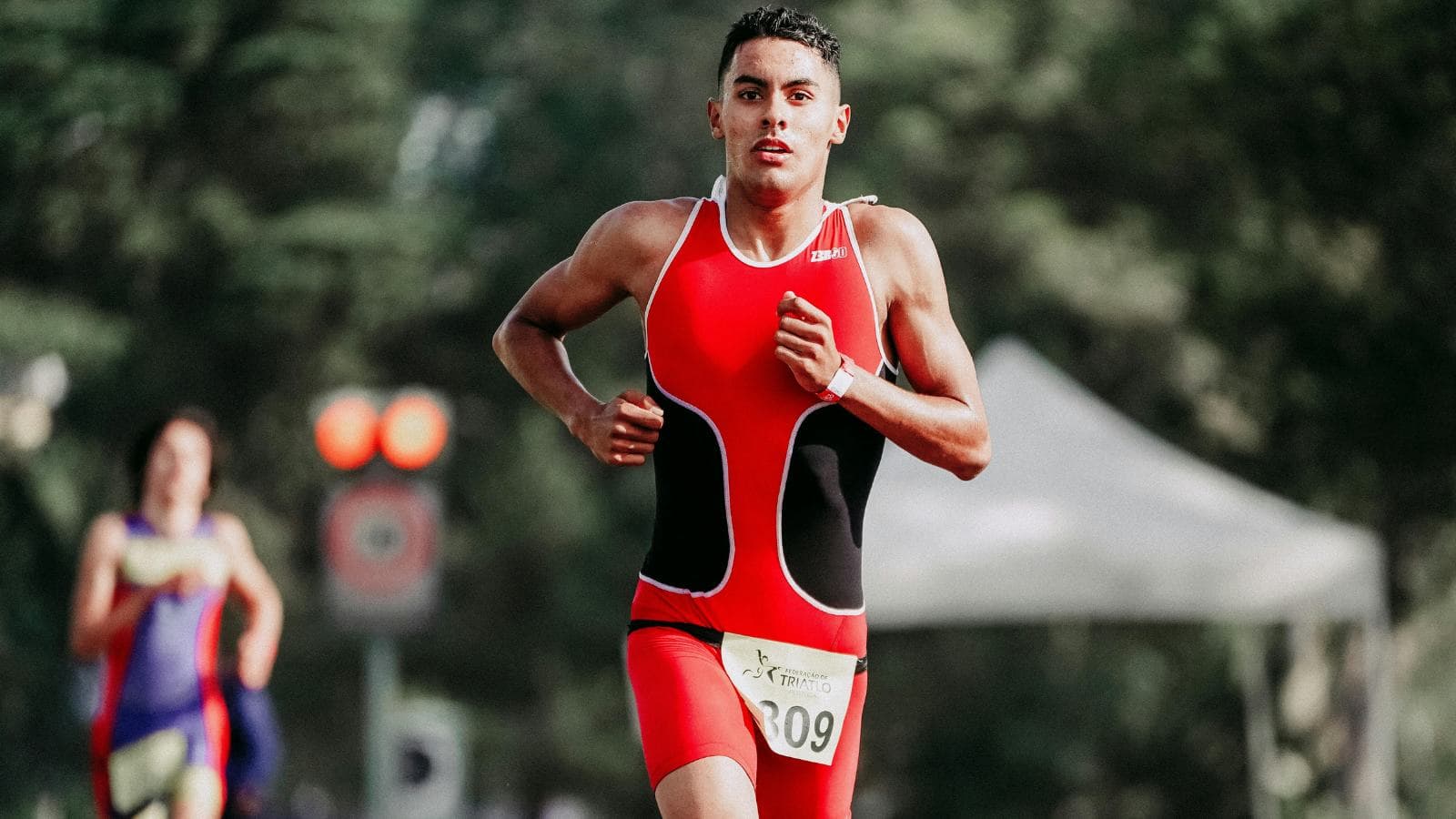
They avoid wasting energy physically and mentally during both training and racing. Many athletes focus too heavily on volume or intensity while ignoring efficiency. Over time, efficient athletes usually outperform athletes who rely only on fitness because they preserve energy better and recover faster. This becomes increasingly important during longer races explained in triathlon distances explained, where small energy losses become major performance problems over several hours.
Aerobic Fitness Is the Foundation
Aerobic fitness allows triathletes to sustain effort efficiently for long durations.
Strong aerobic conditioning improves:
- Fat metabolism
- Cardiovascular efficiency
- Recovery between sessions
- Muscular endurance
- Energy conservation
Most successful triathlon training should remain aerobic rather than constantly hard. Many athletes train too aggressively too often and accumulate unnecessary fatigue instead of improving endurance properly. Understanding complete beginner guide to first triathlon helps triathletes build sustainable aerobic fitness while controlling overall training stress.
Efficient Swimming Reduces Energy Waste
Swimming efficiency matters enormously because wasted energy early in the race affects both cycling and running later.
Efficient swimmers focus on:
- Body position
- Controlled breathing
- Smooth stroke rhythm
- Reduced drag
- Relaxed movement
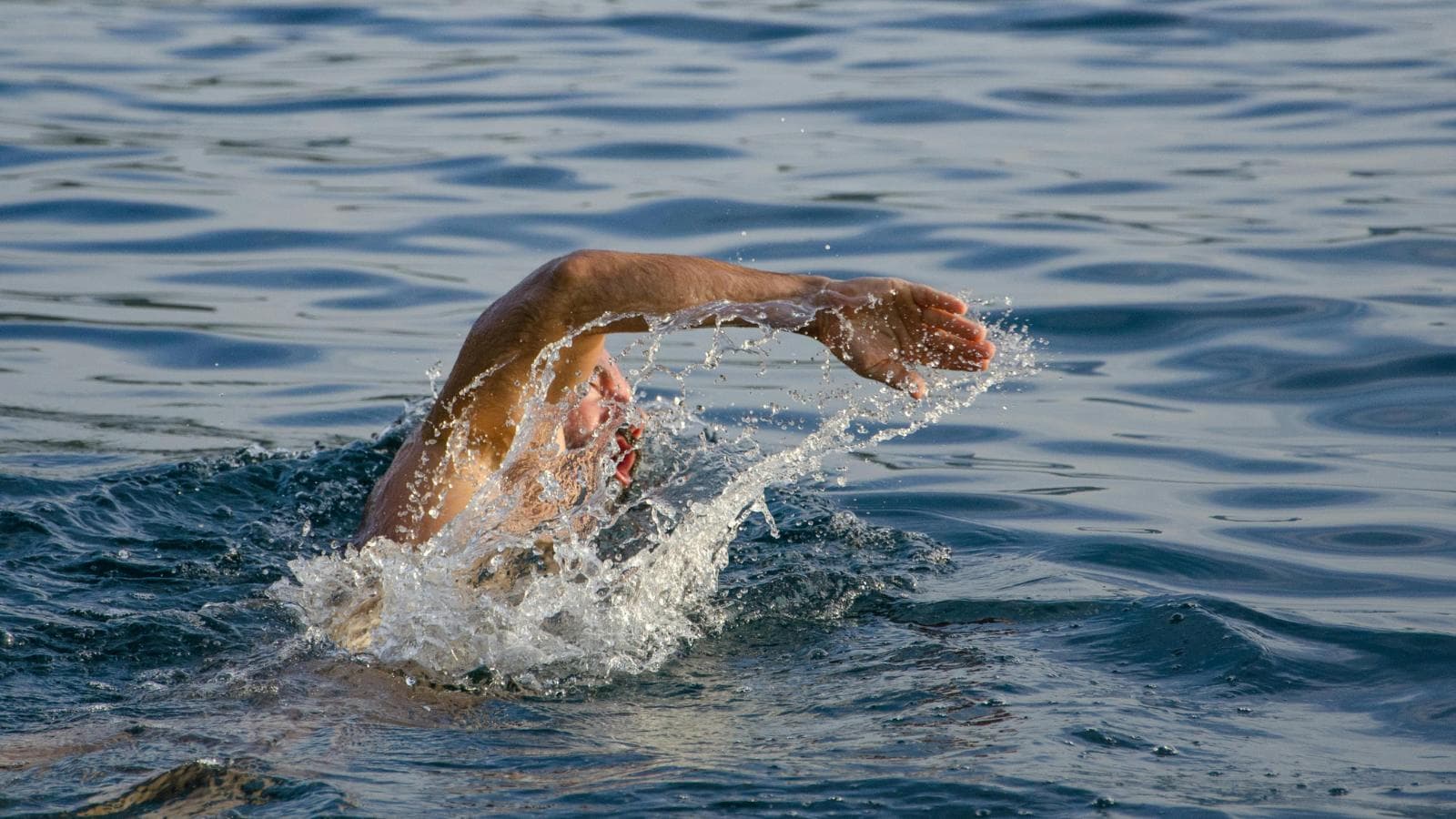
Many triathletes try to swim harder instead of swimming cleaner. Small technique improvements often save more energy than simply increasing swim effort. Athletes improving mechanics through how to improve every swim stroke effortlessly usually conserve far more energy during open-water racing.
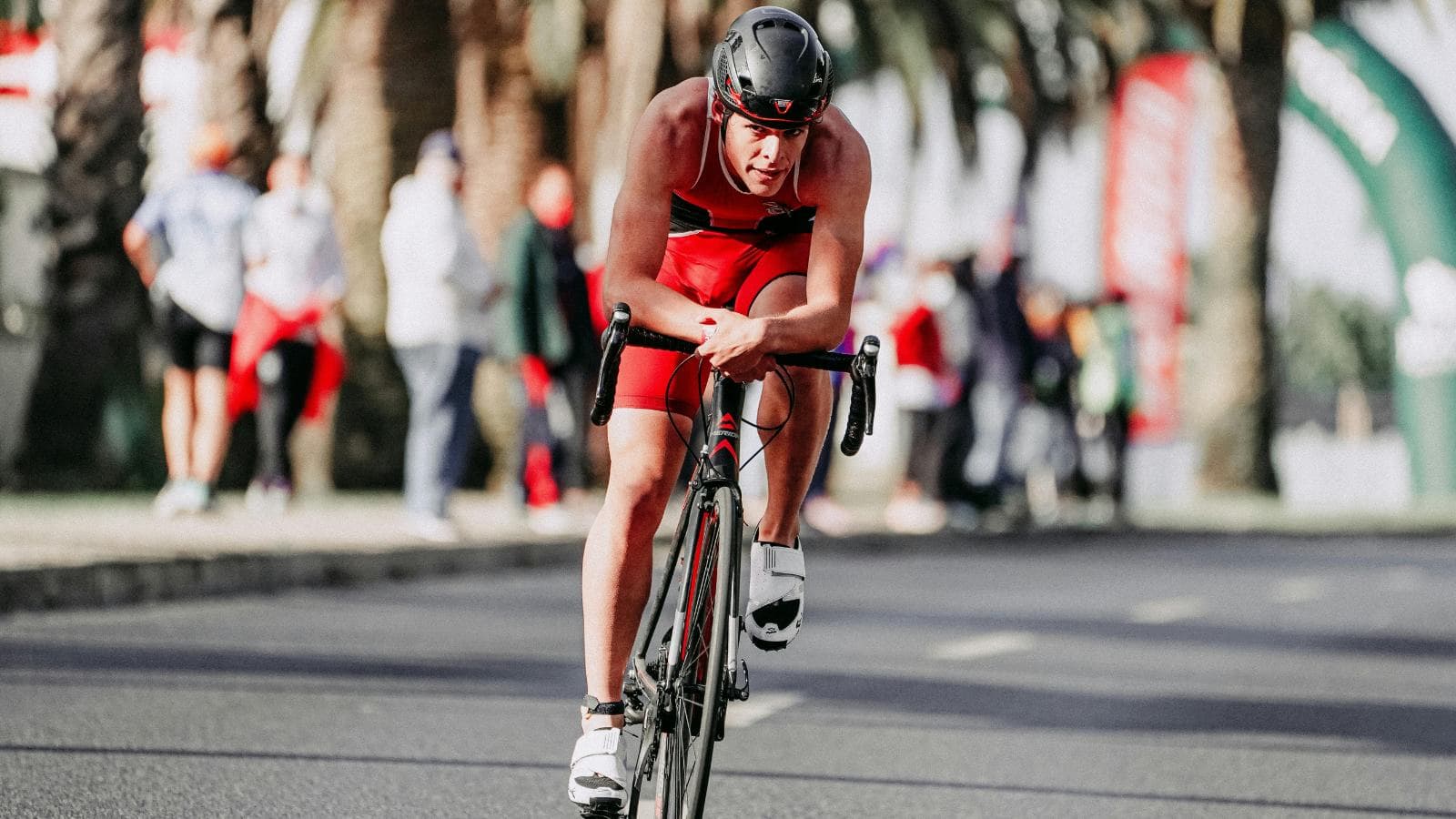
Bike Position Matters for Efficiency
Cycling efficiency depends heavily on:
- Aerodynamics
- Comfort
- Sustainable power output
- Pedalling economy
A poor bike position wastes energy through: - Excess movement
- Muscular overload
- Reduced aerodynamics
- Discomfort
Efficient bike setup should allow athletes to: - Produce stable power
- Maintain posture comfortably
- Run effectively afterward
Aggressive positions only work when they remain sustainable for race duration.
Pacing Is One of the Most Important Skills
Many triathletes waste energy by pacing emotionally rather than strategically.
Efficient pacing means:
- Avoiding large surges
- Managing effort consistently
- Conserving energy early
- Staying controlled under fatigue
Athletes who bike too hard often destroy run performance later. Meanwhile, athletes pacing correctly usually finish stronger overall.
This is why mental strategies that can help improve performance becomes one of the most valuable long-term performance skills.
Running Economy Improves Overall Performance
Efficient runners use less energy at the same pace.
Running economy depends on:
- Cadence
- Posture
- Stability
- Strength
- Aerobic conditioning
Triathletes often improve more by becoming mechanically efficient than simply trying to run harder.
Efficient running helps athletes: - Maintain pace longer
- Reduce fatigue
- Recover faster
- Preserve form under stress
This becomes increasingly important during long-course racing where fatigue changes mechanics significantly.
Nutrition Supports Efficiency
Poor fueling forces the body to work harder.
Efficient triathletes fuel consistently to support:
- Glycogen availability
- Stable energy levels
- Recovery
- Muscle function
- Cognitive performance
Many endurance athletes underfuel unintentionally, especially during higher-volume training blocks. Efficient fueling is not only about race day. Daily nutrition strongly affects long-term training quality too. Athletes following how to fuel properly during a triathlon strategies usually maintain steadier performance throughout races.
Recovery Determines Long-Term Efficiency
The body adapts during recovery, not during training itself.
Efficient triathletes prioritise:
- Sleep
- Hydration
- Recovery sessions
- Stress management
- Mobility work
Athletes who constantly accumulate fatigue often lose: - Movement quality
- Consistency
- Motivation
- Hormonal balance
- Performance progression
Recovery is part of performance rather than separate from it.
Brick Workouts Improve Race Efficiency
Brick sessions train the body to transition efficiently between cycling and running.
These workouts improve:
- Neuromuscular adaptation
- Transition pacing
- Running rhythm
- Fatigue management
- Mental adaptation
Efficient triathletes usually feel smoother during transitions because their bodies adapt better to changing movement demands.
Athletes practising brick workouts every triathlete should try often improve overall race execution significantly.
Strength Training Improves Durability
Efficient movement requires stability and muscular control.
Strength training improves:
- Force transfer
- Posture
- Injury resistance
- Running economy
- Pedalling stability
Important areas include: - Glutes
- Core
- Hamstrings
- Calves
- Hip stabilisers
Triathletes who skip strength work often compensate mechanically under fatigue, which wastes energy and increases injury risk.
Equipment Should Improve Performance, Not Complicate It
Efficient athletes simplify equipment decisions.
Complicated setups often create:
- Mechanical stress
- Transition problems
- Unnecessary mental fatigue
- Comfort issues
Important priorities include: - Proper bike fit
- Comfortable shoes
- Reliable hydration systems
- Appropriate wetsuits
- Consistent race setup
Athletes learning through race day checklist: what to bring often improve race-day consistency substantially.
Transition Skills Save Time and Energy
Transitions are often overlooked during training.
Efficient transitions require:
- Organisation
- Calm execution
- Rehearsed movement patterns
- Equipment familiarity
Rushed transitions frequently increase: - Heart rate
- Mental stress
- Mistakes
- Energy waste
Practising transitions regularly improves both confidence and overall race flow.
Consistency Beats Extreme Training
Efficient triathletes rarely rely on massive single workouts.
Long-term improvement usually comes from:
- Sustainable training
- Smart recovery
- Controlled progression
- Balanced workload
Many athletes plateau because they alternate between: - Overtraining
- Injury
- Burnout
Consistency allows aerobic fitness and durability to improve steadily over time.
Mental Efficiency Matters Too
Mental stress wastes energy.
Efficient athletes stay:
- Calm
- Controlled
- Focused
- Adaptable
They avoid: - Panic pacing
- Emotional surges
- Catastrophic thinking
- Unnecessary tension
Mental efficiency becomes especially important during difficult races where conditions or pacing do not go perfectly.
Training Structure Should Match Goals
Efficient training is purposeful rather than random.
Every session should support:
- Aerobic development
- Recovery
- Technique
- Strength
- Race preparation
Many athletes waste energy doing excessive junk intensity that creates fatigue without meaningful adaptation.
Athletes following pacing plan for a triathlon usually improve consistency and progression more effectively.
Mobility Helps Maintain Efficient Movement
Restricted mobility often creates:
- Compensatory mechanics
- Reduced posture control
- Increased muscular tension
- Poor movement efficiency
Important mobility areas include: - Hips
- Thoracic spine
- Ankles
- Shoulders
Short consistent mobility work usually improves movement quality more effectively than occasional long sessions.
Common Mistakes That Reduce Efficiency
Many triathletes waste energy through avoidable habits.
Common mistakes include:
- Training too hard too often
- Ignoring recovery
- Poor pacing
- Overcomplicated nutrition
- Neglecting technique
- Skipping strength work
- Racing emotionally
Efficiency improves when athletes remove unnecessary stress rather than constantly adding more work.
Practical Ways to Become a More Efficient Triathlete
Triathletes can improve efficiency by:
- Building aerobic fitness patiently
- Improving swim technique
- Pacing conservatively
- Fueling consistently
- Prioritising recovery
- Strength training regularly
- Practising transitions
- Simplifying race execution
The most efficient triathletes are usually the athletes who remain controlled, durable, and consistent under fatigue.