
Upper-back stiffness is one of the most common issues triathletes experience on the bike, especially during longer rides or extended periods in the aero position. Tightness between the shoulders, restricted thoracic movement, and neck discomfort can reduce comfort, affect breathing, and make maintaining an aerodynamic position much harder over time. The problem is not always the bike fit alone. In many cases, upper-back stiffness develops because of limited mobility, poor posture, muscular weakness, or excessive time spent in fixed riding positions.
The good news is that targeted mobility work can significantly improve comfort, posture, and bike efficiency.
Why Triathletes Develop Upper-Back Stiffness?
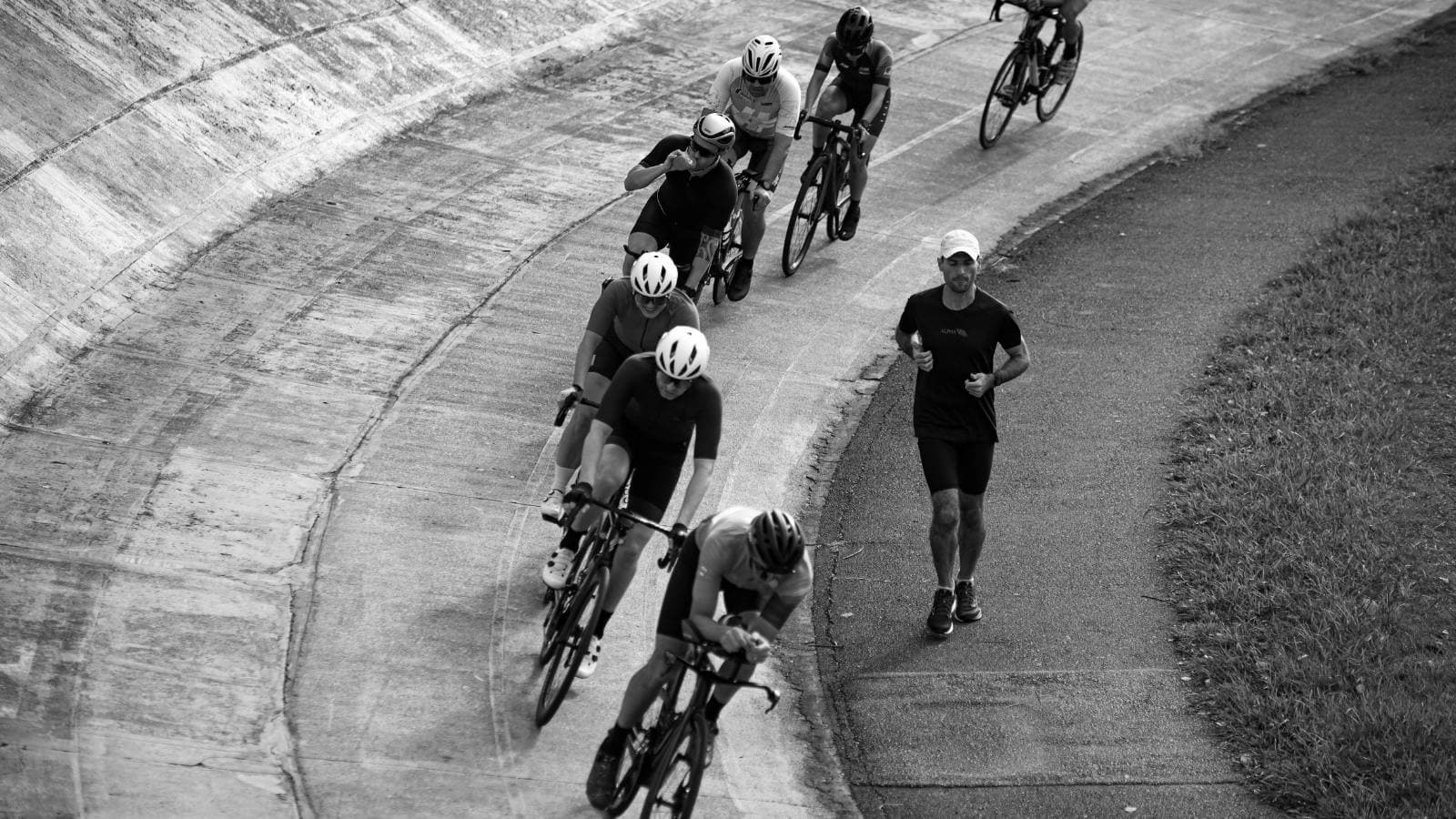
Triathlon cycling places the body in a forward, aerodynamic position for long periods. This posture increases stress on the thoracic spine, shoulders, and neck.
Common contributing factors include:
- Long hours in aero position
- Poor thoracic mobility
- Weak postural muscles
- Limited shoulder movement
- Excessive tension while riding
Many athletes also spend large amounts of time sitting at desks outside training, which further reinforces stiffness and poor posture.
Why Thoracic Mobility Matters for Cyclists?
The thoracic spine, the upper and middle back, plays a major role in posture, breathing, and shoulder movement. When thoracic mobility becomes restricted, cyclists often compensate by overloading the neck and lower back instead.
Improving thoracic mobility helps:
- Reduce stiffness
- Improve breathing mechanics
- Support better aero posture
- Reduce neck strain
- Increase comfort during long rides
This becomes especially important in triathlon because maintaining efficient position over time directly affects overall performance, similar to strategies discussed in becoming a more efficient cyclist, where posture and movement efficiency reduce wasted energy. Moreover, understanding the ideal cadence for long distance cycling is also important to improve the overall mobility work.
Mobility Should Focus on Movement, Not Just Stretching
Many cyclists try to fix upper-back tightness by aggressively stretching the shoulders or neck. While stretching may provide temporary relief, mobility work is more effective long term because it improves controlled movement through the spine and shoulders.
The goal is not simply “looseness.” It is improving movement quality and posture control.
Thoracic Rotations Improve Spine Mobility
Thoracic rotation exercises are some of the most effective drills for cyclists experiencing upper-back stiffness.
A simple example is the “open-book” drill:
- Lie on your side
- Rotate the upper arm and chest backward
- Allow the thoracic spine to rotate gently
This movement improves rotational mobility and helps reduce tension through the upper back and shoulders. Improved rotational control is also useful in swimming mechanics, similar to concepts discussed in how to start swimming as a beginner, where relaxed upper-body movement improves efficiency.
Cat-Cow Movements Help Restore Spine Motion
Cat-cow exercises improve controlled flexion and extension through the spine.
This drill helps:
- Reduce stiffness
- Improve spinal awareness
- Encourage smoother movement
Performing slow controlled repetitions daily often helps cyclists feel less rigid after long rides.
Wall Thoracic Extensions Improve Aero Position Comfort
Cyclists often struggle maintaining aero position because the thoracic spine becomes rounded and restricted.
Wall thoracic extension drills help open the chest and improve upper-back extension. This supports:
- Better breathing
- Reduced shoulder tension
- More comfortable aerodynamic posture
These benefits become especially noticeable during long-distance racing, similar to positioning concepts discussed in climbing on a bike in a triathlon, where mobility and posture directly affect comfort.
Shoulder Mobility Supports Upper-Back Relief
Restricted shoulders often increase tension throughout the upper back. Mobility work targeting shoulder movement helps reduce compensations and improve overall posture on the bike.
Useful drills include:
- Shoulder circles
- Band pull-aparts
- Wall slides
- Arm sweeps
Improving shoulder mobility allows the upper body to stay more relaxed during long rides.
Chest Tightness Often Contributes to Stiffness
Cyclists spend long periods with the shoulders positioned forward, which tightens the chest muscles and pulls the upper body into poor posture.
Opening the chest through mobility drills can reduce pressure on the upper back and improve overall positioning.
Foam Rolling Can Help Temporarily
Foam rolling the thoracic spine may help reduce stiffness and improve movement before mobility drills.
However, foam rolling works best when combined with active movement afterward rather than used alone. The goal is restoring motion, not simply creating temporary relief.
Core Stability Helps Maintain Better Posture
Mobility alone is not enough if the body lacks stability to hold proper position on the bike. Weak core muscles often cause riders to collapse through the shoulders and upper back during fatigue.
Core training helps cyclists:
- Maintain posture longer
- Reduce tension buildup
- Improve control in aero position
This becomes particularly important during longer races, similar to strategies discussed in training for an ironman triathlon, where maintaining efficient posture and energy management affects overall performance.
Daily Mobility Works Better Than Occasional Long Sessions
Consistency matters more than duration. Short daily mobility routines usually produce better long-term improvements than occasional intense stretching sessions.
Even 10 to 15 minutes per day can improve movement quality significantly over time.
Breathing Mechanics Affect Upper-Back Tension
Shallow breathing often increases upper-body tension while cycling. Triathletes who breathe mainly through the chest rather than the diaphragm frequently tighten the shoulders and upper back unnecessarily.
Breathing drills that encourage relaxed diaphragmatic breathing can reduce tension and improve posture naturally.
Bike Fit Still Matters
While mobility work helps significantly, severe upper-back discomfort may also involve poor bike fit.
Issues such as:
- Handlebar reach
- Aerobar height
- Saddle position

These can all contribute to excessive upper-body strain. Mobility improves comfort, but proper positioning remains important too.
Avoid Common Mobility Mistakes
- Only stretching the neck without addressing thoracic movement
- Using aggressive painful stretching
- Ignoring posture during daily life
- Doing mobility inconsistently
- Focusing only on flexibility without stability work
Avoiding these mistakes leads to more sustainable improvements in comfort and movement quality.
Practical Mobility Tips for Triathletes
- Perform thoracic mobility drills daily
- Improve shoulder movement and posture
- Use controlled breathing during rides
- Combine mobility with core stability work
- Take breaks from prolonged sitting during the day
- Address bike fit if stiffness remains severe
What You Should Do?
Start with a simple daily mobility routine focused on thoracic rotation, spinal movement, and shoulder mobility. Keep sessions short and consistent rather than overly intense.
Pair mobility work with posture awareness and core stability training to improve long-term comfort on the bike. Supporting your mobility with efficient riding habits, like strategies discussed in improving bike handling and cornering confidence, helps reduce unnecessary upper-body tension and improve control. Upper-back stiffness in triathlon cycling is extremely common, but with consistent mobility work and better posture habits, most athletes can significantly improve comfort, breathing, and riding efficiency over time.