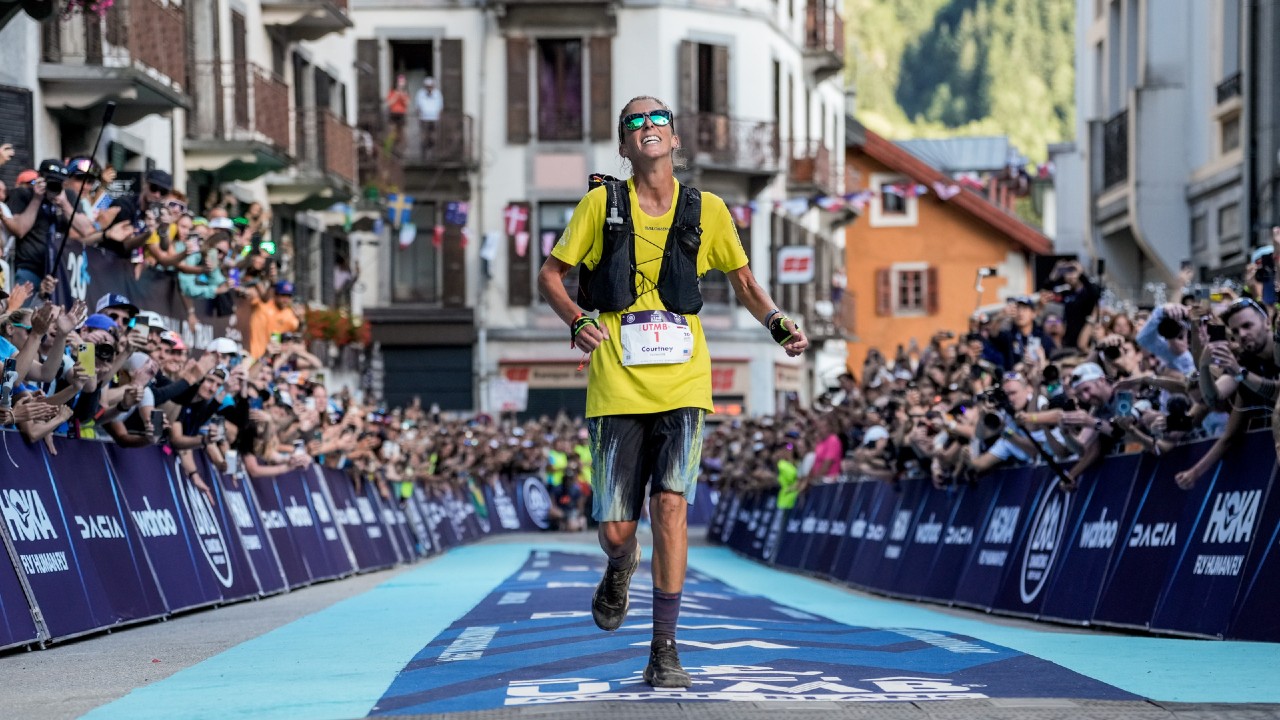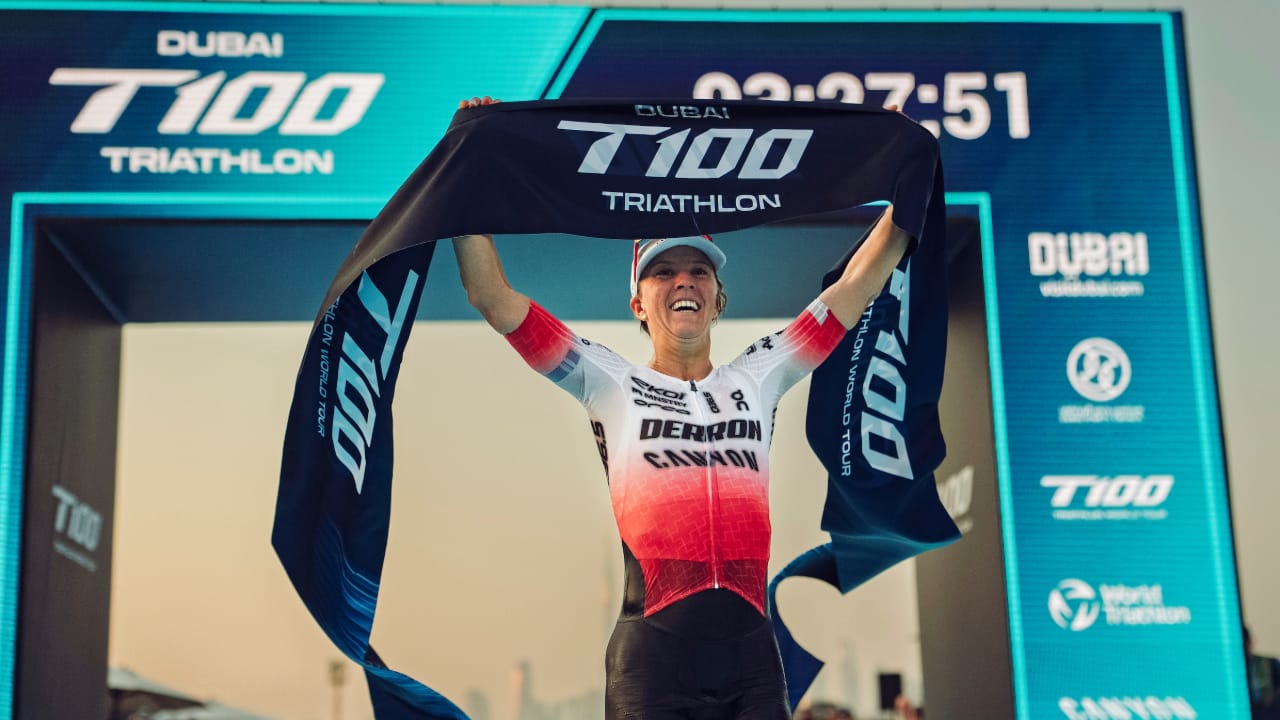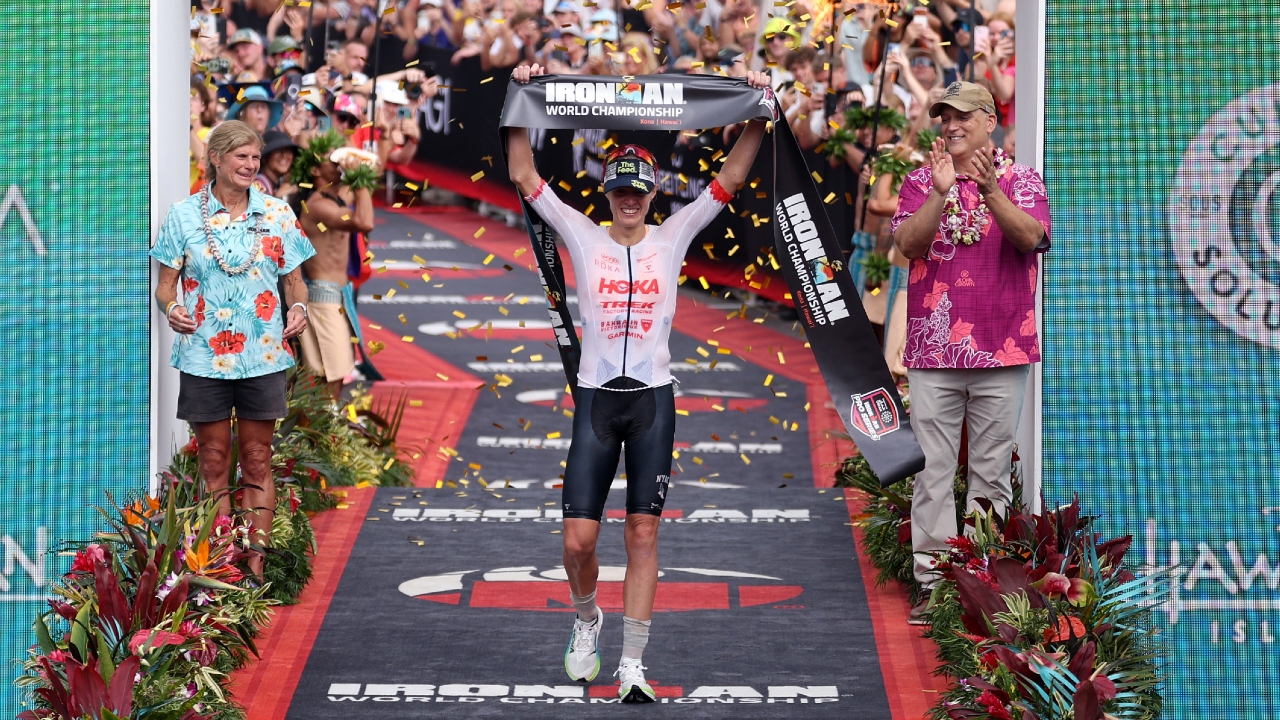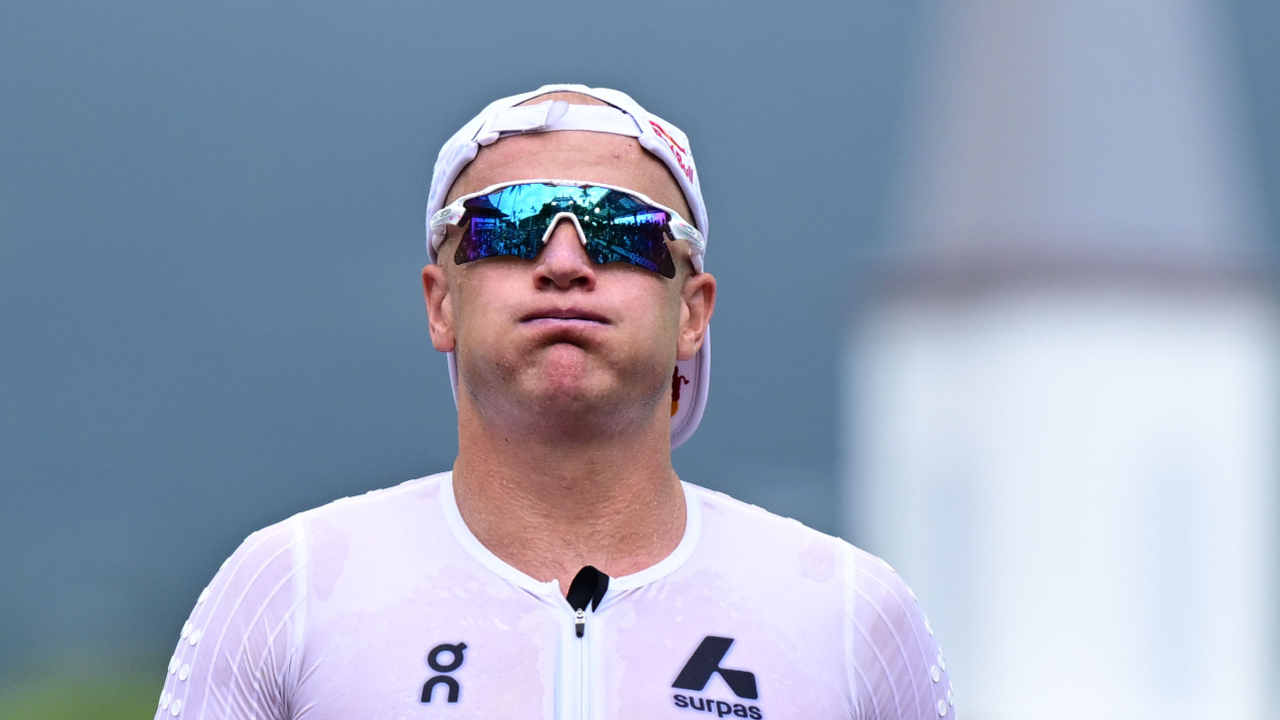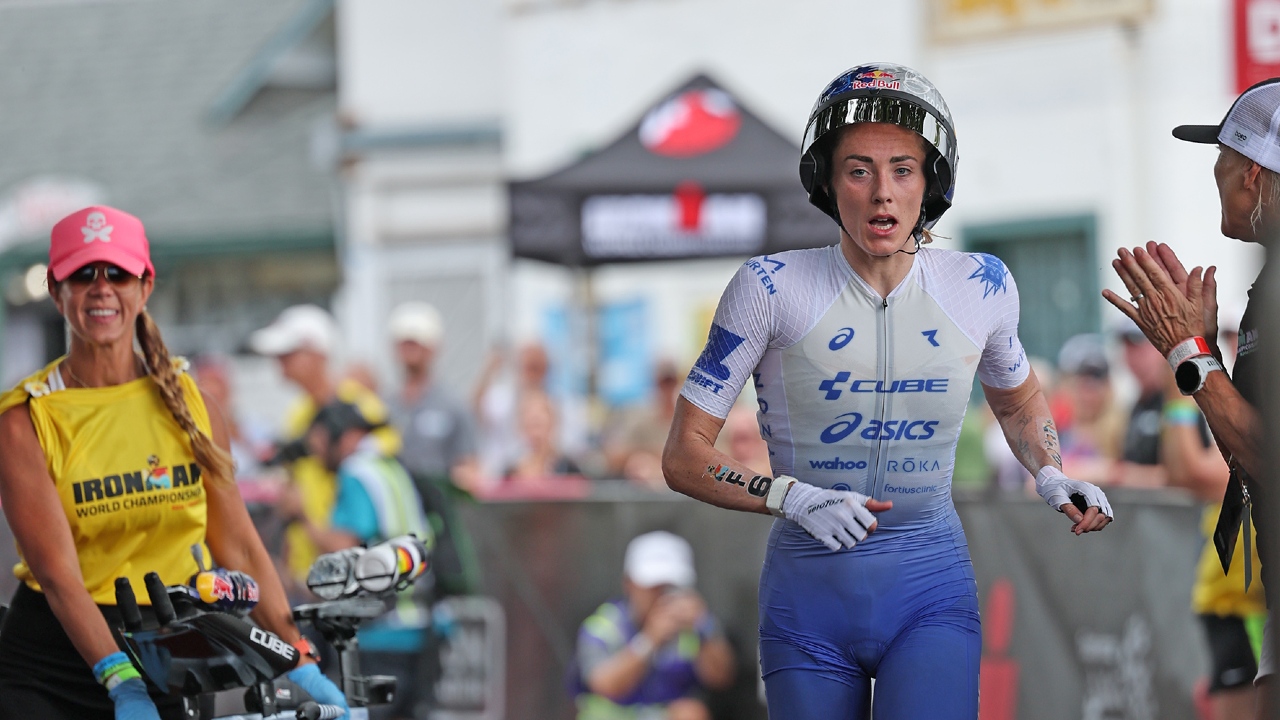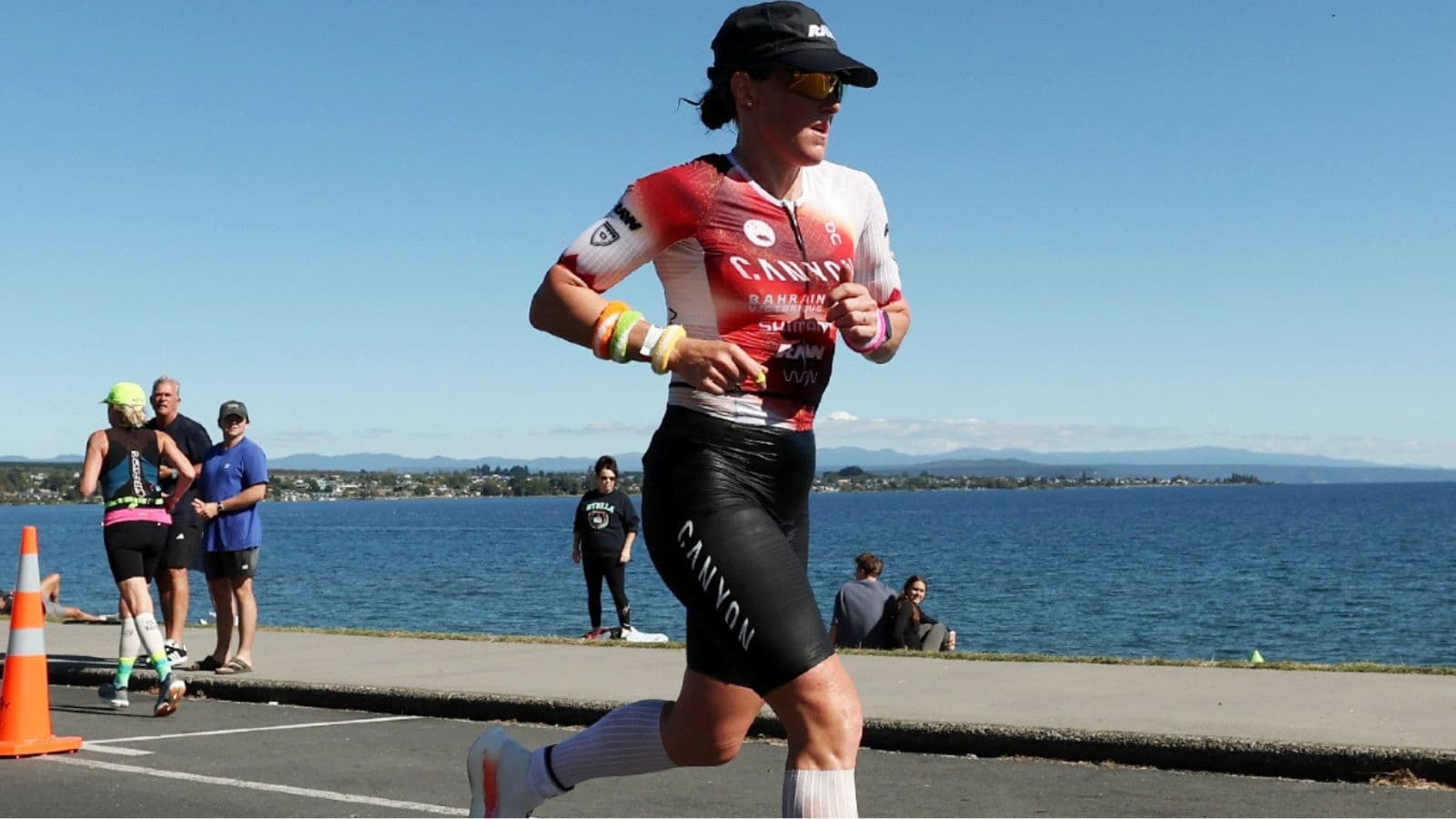


Being lighter can make some parts of an Ironman easier, but weight loss does not automatically make you faster. Lower body mass can reduce the energy cost of running and improve power to weight ratio when cycling uphill. However, Ironman performance also depends on sustainable power, aerobic fitness, aerodynamics, fueling, hydration, strength, and your ability to maintain performance for many hours. Losing too much weight or trying to reduce weight while completing demanding training can work against those goals if energy intake becomes inadequate. Instead of aiming to become as light as possible, Ironman athletes should aim for a body composition and body weight that allow them to train consistently, recover properly, fuel adequately, and produce strong performance across the swim, bike, and run.

In Short
- Lower body weight can reduce the energy cost of running.
- Weight matters more on climbs than flat cycling.
- Aerodynamics and power strongly influence bike speed.
- Swimming performance is not determined by being lighter.
- Losing weight does not guarantee a faster Ironman.
- Aggressive weight loss can compromise training and recovery.
- Fueling should not be restricted to achieve a lower race weight.
- Strength and sustainable power matter alongside body mass.
- Performance should be the priority rather than the lowest possible number on the scale.
Body Weight Affects Each Discipline Differently
An Ironman includes a 3.8 km swim, 180 km bike ride, and marathon. Body weight therefore cannot be evaluated in the same way as it might be for a standalone running race.
The effect differs across:
- Swimming.
- Flat cycling.
- Climbing.
- Descending.
- Running.
- Heat management.
A small reduction in body mass might benefit one discipline without producing the same improvement elsewhere. The important question is whether any change improves your overall Ironman performance.
Running Is Where Weight Often Matters Most
Running requires you to repeatedly support and move your body against gravity. All else being equal, carrying less unnecessary mass can reduce the energy required to move at a given pace. But “all else being equal” is important. If losing weight also causes you to lose strength, recover poorly, or train less effectively, the theoretical advantage can disappear. Improving how to become an efficient triathlon runner should therefore include fitness, technique, pacing, and durability rather than focusing only on body weight.
A strong, well fueled runner can outperform a lighter athlete who reaches the marathon depleted.
Power to Weight Matters on Climbs
Cycling uphill makes body mass more important because you are working against gravity. Power to weight ratio describes how much power you produce relative to your body mass. If two cyclists produce the same sustainable power, the lighter rider may have an advantage on a significant climb. However, Ironman bike courses vary considerably. Understanding when should you climb seated vs standing on a bike can also improve how efficiently you manage climbs without requiring a change in body weight. On flatter courses, reducing aerodynamic drag may provide a larger performance opportunity than losing a small amount of weight.
Flat Cycling Is Different
On flat roads, absolute sustainable power and aerodynamic drag become major determinants of speed. A heavier cyclist who produces more power and has an efficient aerodynamic position can be considerably faster than a lighter cyclist. This is why body weight should not be considered in isolation.
Improving how can triathletes increase the average cycling speed involves:
- Fitness
- Aerodynamics
- Pacing
- Equipment
- Technique
- Environmental conditions
Losing several pounds while also losing meaningful cycling power may provide little benefit. The goal is performance, not simply a better number on the scale.
Bike Fit and Aerodynamics Can Matter More
Ironman athletes spend several hours on the bike. A sustainable aerodynamic position can reduce the energy required to maintain speed. This creates a major opportunity for improvement that does not require weight loss. Understanding how do you adjust your bike for a better fit can help you find a position that balances aerodynamics, comfort, power production, and the ability to run afterward. An extremely aggressive position is not useful if you cannot maintain it. Likewise, becoming lighter does not compensate for spending most of the race sitting upright because your aero position is uncomfortable.
Swimming Does Not Reward Weight Loss in the Same Way
Swimming is different because the water supports your body. Body position, technique, propulsion, drag, and swim specific fitness are major factors. Simply becoming lighter does not guarantee that you will swim faster. For many age group triathletes, improving how to increase triathlon swim speed through technique and consistent training offers a more direct route to better swim performance. Reducing body weight should never replace swim technique work. A technically efficient swimmer can move faster while using less energy, helping preserve resources for the bike and run.

Losing Weight Can Reduce Power
Weight loss becomes counterproductive when it compromises your ability to train and produce power. An athlete who becomes lighter but substantially weaker may have a worse power to weight ratio than before. For cyclists, sustainable power matters. Working on how to increase your cycling ftp can improve the amount of power you can sustain rather than focusing exclusively on reducing the denominator of the power to weight equation. The best outcome is not always becoming lighter. It may be maintaining body weight while becoming fitter and more powerful.
Fueling Matters More as the Race Gets Longer
Ironman racing creates enormous energy demands. Trying to restrict calories during key training sessions or on race day because you want to maintain a lower body weight can compromise performance. The bike is particularly important for fueling because it provides a practical opportunity to consume carbohydrate before the marathon. Understanding what should cyclists eat for better training and recovery can help athletes support demanding cycling sessions rather than approaching every workout as an opportunity to create a calorie deficit. Race fueling should be designed around performance.
Do not deliberately underfuel an Ironman to avoid temporary scale weight from food or fluids.
Low Energy Availability Can Hurt Training
Athletes need enough energy not only for exercise but also for normal physiological function. When energy availability becomes chronically inadequate, training quality, recovery, health, and performance can suffer.
Possible warning signs can include:
- Persistent fatigue
- Declining performance
- Poor recovery
- Recurrent injuries
- Mood changes
- Other health problems
Athletes experiencing persistent symptoms should speak with an appropriately qualified healthcare or sports nutrition professional. Being lighter is not beneficial if reaching that weight prevents you from training consistently.
Strength Should Not Be Sacrificed
Strength supports cycling power, running durability, movement control, and general athletic capacity. Aggressive weight loss can become a problem when athletes lose useful muscle or stop strength training because they are worried about gaining weight. For cyclists, what strength training should cyclists do to ride faster in a triathlon provides a more performance focused way to think about strength. You do not need unnecessary muscle mass, but you do need enough strength to tolerate training and maintain performance. Judge strength work by what it contributes to your racing rather than what it does to the scale.
Weight Cannot Fix Poor Bike Pacing
A lighter athlete can still destroy their marathon by riding too hard. Ironman bike pacing should reflect your sustainable fitness, course, conditions, and run goals. If you repeatedly exceed a sustainable effort, the energy cost can appear later in the race. Understanding how can you bike smarter to improve your triathlon run is therefore more important than assuming weight loss will solve a poor run split. The fastest Ironman is usually produced by managing the entire race effectively.
Your body weight is only one variable.
Heat Adds Another Consideration
Body size can influence heat production and heat dissipation, but heat performance is complex.
- Weather
- Acclimation
- Pacing
- Clothing
- Hydration
- Fitness
- Individual sweat rate
all matter. Ironman athletes racing in hot conditions should focus on practical heat management rather than assuming becoming lighter will solve the problem. Knowing how to beat dehydration during an ironman triathlon can help you develop a more useful hydration strategy for long races.
Fluid loss during racing is not meaningful fat loss and should never be pursued as a performance strategy.
Do Not Chase an Arbitrary Race Weight
There is no single ideal Ironman body weight.
Two athletes of the same height can perform well at different weights because they differ in:
- Muscle mass.
- Body structure.
- Training history.
- Power production.
- Running economy.
- Genetics.
- Race strengths.
A target copied from another athlete tells you very little about what is appropriate for your body. Performance trends are more useful. Ask whether you are training consistently, recovering well, producing good power, running efficiently, and completing key sessions successfully.
Focus on Performance Markers
Instead of making scale weight the main goal, track markers that relate directly to Ironman performance.
These can include:
- Sustainable bike power.
- Long run pace at controlled effort.
- Swim pace.
- Recovery between sessions.
- Training consistency.
- Ability to fuel long workouts.
- Race specific brick performance.
- Health and injury patterns.
If body composition changes gradually while these markers improve, that may be compatible with better performance.
If weight falls while performance and recovery deteriorate, becoming lighter is not helping.
Common Mistakes
- Assuming lighter always means faster.
- Copying professional athletes’ body weights.
- Restricting food during heavy training.
- Sacrificing strength to lose weight.
- Focusing on weight instead of aerodynamics.
- Ignoring declining cycling power.
- Underfueling long sessions.
- Trying to lose weight immediately before an Ironman.
- Treating dehydration as weight loss.
Practical Tips
- Prioritize performance over scale weight.
- Fuel key training sessions properly.
- Track cycling power and running performance.
- Maintain useful strength training.
- Improve bike position and aerodynamics.
- Avoid aggressive dieting during heavy training.
- Practice race fueling before your Ironman.
- Monitor recovery as training increases.
- Seek professional guidance for significant weight changes.
Actionable Takeaways
Being lighter can improve some aspects of Ironman performance, particularly running and uphill cycling, but it does not automatically make you faster. Weight is only one part of the performance equation. On the bike, sustainable power, aerodynamics, pacing, and fueling can matter more than small differences in body mass. In swimming, technique and drag are far more useful targets than simply becoming lighter.
Most importantly, losing weight should not compromise training quality, strength, recovery, health, or race fueling. The best Ironman body weight is not necessarily the lowest weight you can reach. It is a sustainable weight at which you can train consistently, recover properly, produce strong power, run efficiently, and remain well fueled through the entire race.