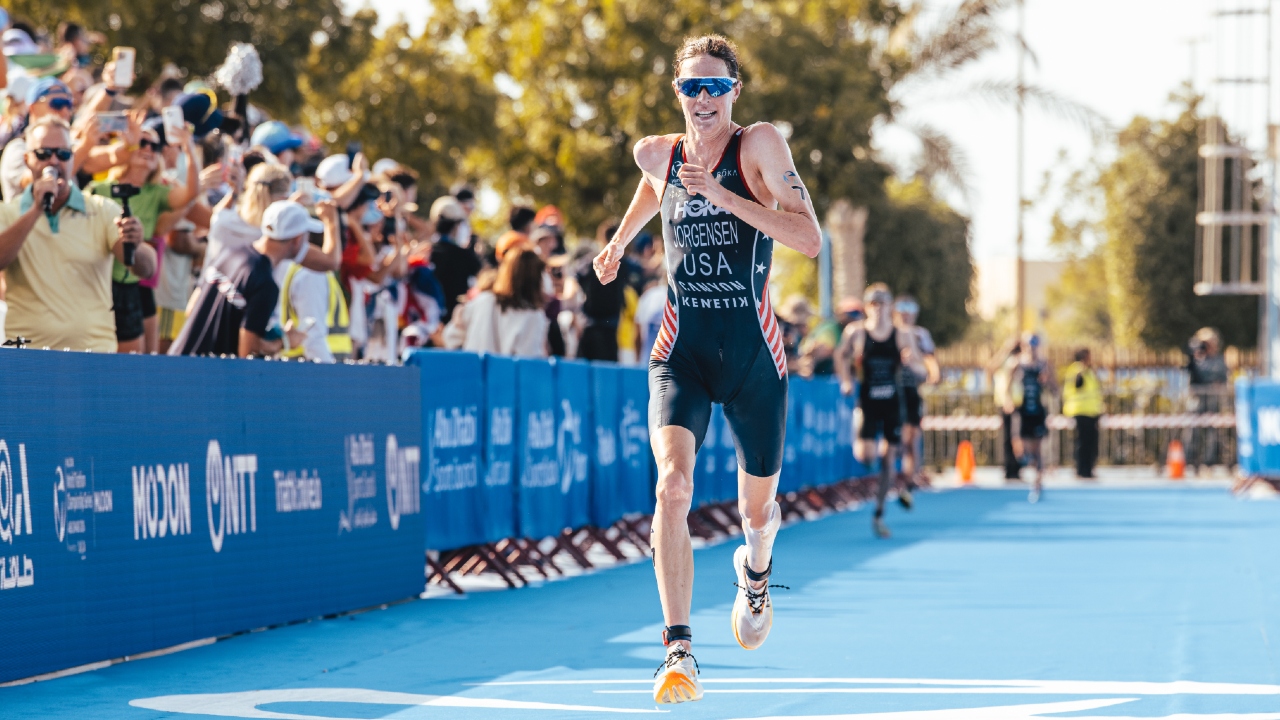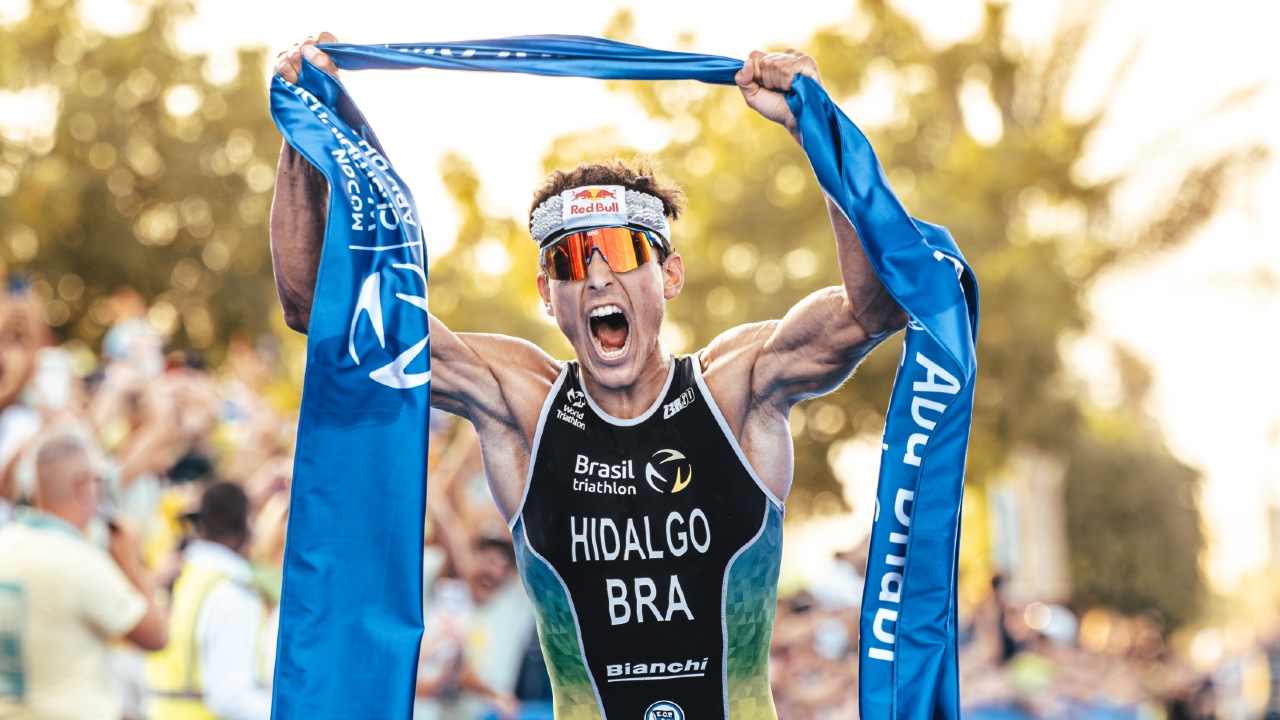


Dynamic running workouts can improve triathlon running efficiency by developing coordination, muscular control, and the ability to adjust pace without wasting energy. These sessions introduce controlled changes in speed, movement, or terrain instead of maintaining exactly the same effort throughout a run. Triathletes face a particular challenge because running begins after swimming and cycling. Fatigue from the bike leg can affect stride rhythm, posture, and the ability to maintain a comfortable running pace. Although steady aerobic running remains essential, incorporating varied workouts can help athletes develop the movement skills and fitness needed to run efficiently under different conditions. The goal is not to make every run harder. Dynamic workouts should complement easy runs, endurance sessions, and recovery while helping triathletes become more adaptable and confident runners.

In Short
- Dynamic workouts introduce controlled movement and pace changes.
- Running drills improve coordination and movement awareness.
- Strides help develop relaxed speed.
- Fartlek sessions improve pace control.
- Hill workouts develop muscular strength.
- Brick sessions prepare athletes for running after cycling.
- Recovery remains essential for improvement.
- Consistent training supports long term efficiency.
Understanding Dynamic Running Workouts
Dynamic running workouts involve purposeful variations in running movement, speed, or terrain. Rather than completing every session at one constant pace, athletes practice different movement patterns and effort levels.
Common examples include:
- Running drills.
- Strides.
- Fartlek training.
- Hill repetitions.
- Progression runs.
- Short intervals.
- Brick workouts.
Understanding easy run vs tempo vs interval: what each does can help triathletes choose sessions appropriate for their fitness and training goals. Dynamic workouts are useful additions to training, but they should not replace regular easy running.
Improve Running Coordination With Drills
Running drills allow athletes to practice specific movement skills before faster workouts. They can improve awareness of posture, rhythm, balance, and arm movement.
Useful drills include:
- High knees: Encourage coordinated leg movement.
- A skips: Develop rhythm and balance.
- Butt kicks: Practice controlled leg recovery.
- Ankling: Improve awareness of foot placement.
- Strides: Encourage relaxed acceleration.
Perform drills after a gentle warm up, focusing on controlled movements rather than maximum speed. Understanding what are the running drills that every triathlete should do can help athletes select exercises suitable for their experience.
Use Strides to Develop Relaxed Speed
Strides are short, controlled accelerations that help runners practice faster movement without the sustained fatigue of a demanding interval session. A typical stride lasts approximately 15–20 seconds.
To perform strides:
- Begin at an easy pace.
- Accelerate smoothly.
- Reach a fast but controlled speed.
- Maintain relaxed shoulders.
- Slow down gradually.
- Recover fully before repeating.
Start with four strides after an easy run. Understanding how to improve your running pace in a triathlon can help athletes combine technique practice with broader speed development.
Improve Pace Control With Fartlek Training
Fartlek training alternates faster and easier running within the same session. Unlike rigid interval workouts, fartlek sessions can use flexible effort changes based on time, terrain, or perceived exertion.
A beginner session might include:
- 10 minutes of easy running.
- 1 minute at a controlled faster pace.
- 2 minutes of easy jogging.
- Repeat five times.
- Finish with easy running.
This approach develops awareness of changing effort without requiring maximum intensity. Understanding how to improve running endurance fast in a triathlon can help athletes balance faster running with aerobic development.
Build Strength Through Hill Running
Hill workouts challenge the muscles involved in running while encouraging controlled forward movement. Running uphill increases muscular demands, particularly through the glutes, calves, and quadriceps.
Potential benefits include:
- Improved muscular strength.
- Better coordination.
- Greater confidence on varied terrain.
- Improved ability to maintain effort on climbs.
Beginners can start with four to six uphill efforts lasting 10–20 seconds, followed by walking recovery. Choose a moderate incline and avoid sprinting at maximum effort.
Improve Efficiency With Progression Runs
Progression runs gradually increase pace during a workout. They help runners practice maintaining control as effort rises.
A simple 30-minute progression run might include:
| Duration | Running intensity |
|---|---|
| First 10 minutes | Easy |
| Next 10 minutes | Comfortable steady |
| Final 10 minutes | Moderately challenging |
The final section should remain controlled rather than becoming an all out effort. Understanding what is a negative split in triathlon running can help athletes recognize how conservative pacing supports stronger finishes.
Prepare for Running After Cycling
Brick workouts combine cycling and running in the same training session. They are particularly relevant because triathletes must transition from cycling mechanics to running movement.
A beginner brick session might involve:
- 30–45 minutes of controlled cycling.
- A short transition.
- 10–15 minutes of easy running.
- Gradual attention to posture and rhythm.
Understanding how to avoid dead legs after the bike can help athletes manage the unfamiliar sensations that occur during the transition.
The purpose is to develop familiarity and control, not to make every brick workout exhausting.
Improve Running Economy Through Consistency
Running economy describes the energy required to maintain a particular running speed.
It depends on several factors, including:
- Aerobic fitness.
- Muscular strength.
- Tendon properties.
- Movement coordination.
- Training experience.
- Individual biomechanics.
Dynamic workouts may contribute to improvements in these areas, although no single drill guarantees better running economy. Understanding how to become an efficient triathlon runner can help athletes develop a balanced approach to technique and fitness. Avoid forcing major changes to your natural stride without a clear reason.
Balance Dynamic Workouts With Recovery
Dynamic sessions place different demands on muscles and the cardiovascular system. Adding too many demanding workouts can increase fatigue and interfere with swimming and cycling.
A practical weekly approach might include:
- Two or three easy runs.
- One dynamic running session.
- One longer aerobic run.
- Optional short strides.
- Recovery according to training demands.
Understanding how many run workouts do triathletes need each week can help athletes organize their training around experience and available recovery time. Not every runner needs all these sessions, especially beginners.
Common Mistakes
- Turning every run into a hard workout.
- Skipping the warm-up.
- Performing drills too quickly.
- Increasing intensity too aggressively.
- Ignoring fatigue after cycling.
- Forcing unnatural running mechanics.
- Neglecting recovery.
Practical Tips
- Begin with short dynamic sessions.
- Practice drills on safe, flat ground.
- Use controlled pace changes.
- Introduce hills gradually.
- Keep most running comfortable.
- Monitor fatigue across all three disciplines.
- Focus on smooth movement.
- Progress according to recovery.
Actionable Takeaways
- Add controlled movement variety.
- Practice drills and strides regularly.
- Use fartlek sessions to develop pace control.
- Include occasional brick workouts.
- Maintain consistent easy running.