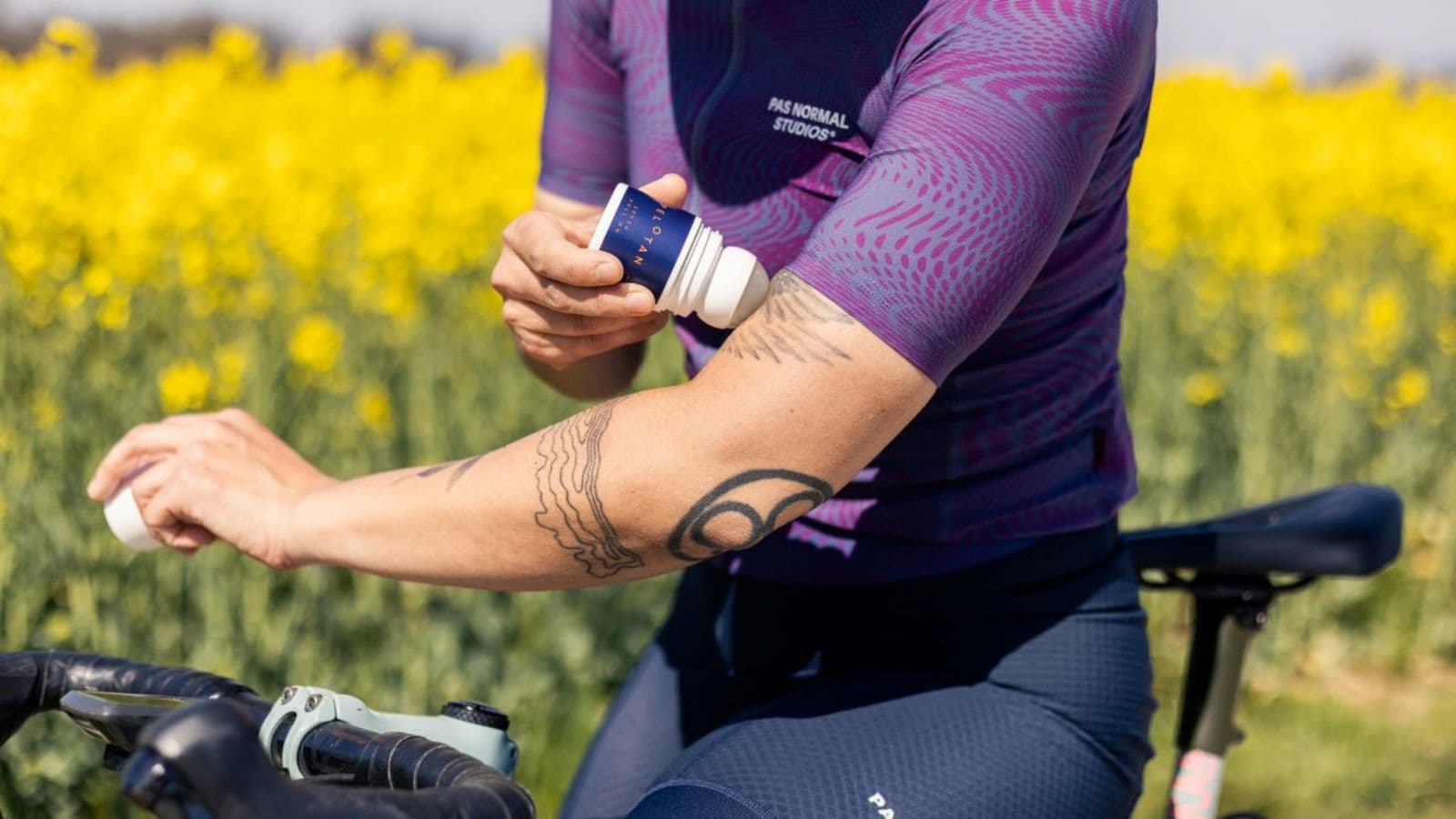


Triathletes should protect their skin from the sun by applying broad spectrum, water resistant sunscreen before outdoor training and racing, covering exposed skin where practical, and reapplying sunscreen during prolonged exposure. Sun protection matters across all three disciplines. Swimmers can spend long periods in open water with exposed shoulders and backs, cyclists may be outside for several hours, and runners often train when ultraviolet exposure is high. Clouds, cooler temperatures, and wind do not remove the risk of ultraviolet radiation. The best approach is to make sun protection part of your normal training routine. Apply sunscreen before leaving home, choose suitable clothing, protect commonly missed areas, and have a plan for reapplication during longer sessions.
In Short
- Use broad spectrum sunscreen that protects against UVA and UVB.
- Choose water resistant sunscreen for swimming and heavy sweating.
- SPF 30 or higher is a practical minimum for outdoor endurance training.
- Apply sunscreen before going outside.
- Cover all exposed skin, including commonly missed areas.
- Reapply during prolonged training and racing.
- Clothing can provide additional protection.
Use Broad Spectrum Sunscreen
Triathletes should choose sunscreen labeled broad spectrum because ultraviolet exposure includes both UVA and UVB radiation. UVB is strongly associated with sunburn, while both UVA and UVB contribute to skin damage. SPF mainly describes protection against UVB. For outdoor endurance training, SPF 30 or higher provides a practical starting point when applied correctly. Higher SPF does not mean sunscreen lasts indefinitely.
- Swimming
- Sweating
- Toweling
- Clothing friction
- Several hours outdoors
can all reduce protection. Sunscreen therefore needs to be treated as part of an ongoing strategy rather than something applied once in the morning.
Choose Water Resistant Sunscreen
Water resistance is particularly important for triathletes. A sunscreen that works well during normal daily activity may not be the best option for an open water swim followed by cycling and running. Look for a product specifically labeled water resistant and follow its instructions for how often it should be reapplied. Water resistant does not mean waterproof. Long periods in the water still reduce protection. Athletes preparing with how do you start an open water swim in a triathlon should make sun protection part of the same pre swim routine as checking:
- Conditions
- Equipment
- Planned route
Apply Enough Sunscreen
One of the easiest mistakes is applying too little sunscreen. A thin, incomplete layer may not provide the level of protection shown on the product label. Apply sunscreen generously to all exposed skin and give yourself enough time to cover the body properly before training or racing.
Commonly missed areas include:
- Ears.
- Back of the neck.
- Shoulders.
- Upper back.
- Backs of the arms.
- Hands.
- Tops of the feet.
- Areas around clothing edges.
Ask for help when necessary to cover areas you cannot easily reach.
Apply Sunscreen Before Training
Do not wait until you are already outside and sweating heavily. Applying sunscreen before leaving home makes it easier to create an even layer and follow the product’s instructions about application before sun exposure. This is particularly useful on race morning when there are already several tasks to manage. A pre race routine that includes:
- Equipment checks
- Nutrition
- Hydration
- Sunscreen
reduces the chance that skin protection will be forgotten. The same preparation mindset used in how do you know if you are ready for a triathlon should include environmental conditions as well as physical race readiness.
Reapply During Long Training Sessions
A long bike ride or Ironman distance race can expose athletes to sunlight for many hours. One morning application may not be sufficient. Follow the sunscreen manufacturer’s reapplication guidance, especially after swimming, heavy sweating, or toweling. Long course athletes should plan where reapplication can happen rather than relying on memory when fatigued. Aid stations or transition areas may provide an opportunity. Knowing how do you use aid stations during a triathlon can help athletes think beyond nutrition and hydration and include other practical race needs when available.
Do not wait until your skin feels hot or looks red. Sunburn can develop before you recognize how much exposure you have received.
Clothing Provides Useful Protection
Sunscreen does not need to be your only defense. Clothing can cover large areas of skin and reduce the amount of sunscreen required. Depending on conditions, this may include:
- Cycling jerseys
- Tri suits with greater shoulder coverage
- Sleeves
- Caps
- Other lightweight protective clothing
- Garments with ultraviolet protection factor, commonly called UPF

A higher UPF rating indicates greater protection from ultraviolet radiation through the fabric. Clothing still needs to be practical for the temperature. Covering more skin is useful only when the clothing also allows you to manage heat appropriately.
Protect Your Face, Ears, and Neck
The face receives substantial sun exposure during cycling and running. Apply sunscreen carefully around the:
- Forehead
- Cheeks
- Nose
- Ears
- Neck
Choose a product that does not easily run into your eyes when you sweat. A cycling helmet protects part of the head but does not fully protect the face, ears, or neck. During running, a lightweight cap or visor can provide some shade, although exposed skin still needs protection. Hot conditions require a balance between sun coverage and cooling. Athletes using strategies from how to beat dehydration during an ironman triathlon should consider sun, heat, hydration, and pacing together because these environmental stresses often occur at the same time.
Do Not Forget Your Lips and Eyes
The lips and eyes are also exposed during long outdoor sessions. A lip balm with appropriate sun protection can help protect the lips, while sunglasses that block ultraviolet radiation help protect the eyes. Cycling sunglasses also provide useful protection from wind, insects, and road debris.
Choose eyewear that remains secure and comfortable during training rather than trying unfamiliar equipment on race day.
Open Water Swimming Creates Extra Challenges
Open water swimmers can easily underestimate sun exposure. Cool water may prevent you from feeling hot, while the:
- Shoulders
- Upper back
- Arms
- Face
remain exposed to ultraviolet radiation. Wetsuits provide substantial physical coverage where they cover the skin, but exposed areas still require protection. The environmental awareness involved in why swimming straight matters in open water triathlon should extend to conditions above the water as well.
Apply water resistant sunscreen before swimming and reapply afterward when needed.
Cycling Often Creates the Longest Exposure
For many triathletes, the bike leg creates the longest period of continuous sun exposure. The back of the neck, arms, thighs, face, and hands may receive several hours of ultraviolet radiation. Wind generated while cycling can make conditions feel cooler than they really are. That cooling effect can make sun exposure easy to underestimate. Long rides should therefore include planned sun protection just as they include nutrition and hydration.
Athletes learning how to fuel for a 2 hour cycling ride in a triathlon should also prepare for environmental exposure whenever training outdoors for extended periods.
Running in the Sun Requires Pacing Awareness
Running generates substantial body heat, and direct sunlight can add to the thermal load. Sun protection cannot eliminate the physiological effects of heat. When conditions are hot:
- Slow down when necessary
- Hydrate appropriately
- Avoid treating your normal cool weather pace as mandatory
The principles in how can you reduce fatigue during the triathlon run leg become especially important when high temperatures and direct sun make the run more demanding. Skin protection and heat management should work together.
Train Earlier or Later When Practical
Reducing exposure is another form of protection. When your schedule allows, training earlier in the morning or later in the day may reduce exposure during periods when ultraviolet radiation is strongest. However, time of day alone should not determine whether you use sunscreen. UV intensity varies with:
- Season
- Latitude
- Altitude
- Weather
- Location
Check the local UV index when planning longer outdoor sessions. Changing training time can also help when heat is a concern, particularly during demanding sessions.
Clouds Do Not Eliminate UV Exposure
A cloudy day can feel much safer than a clear, sunny day. Ultraviolet radiation can still reach the skin through cloud cover. This is one reason athletes sometimes become sunburned during races when they did not feel particularly hot. Temperature and UV exposure are different environmental factors. The broader preparation required for how can you prepare for extreme weather in a triathlon bike leg should include sunlight even when heat is not the main concern. Make sunscreen routine rather than deciding based only on whether the sun looks bright.
Sun Protection Matters in Cold Conditions Too
Cold weather does not mean ultraviolet exposure disappears. Athletes can still receive significant UV exposure during:
- Cool
- Windy
- High altitude training
Snow and other bright surfaces can also reflect ultraviolet radiation. Cold weather training therefore still requires appropriate skin protection when UV levels warrant it. This is similar to the broader planning involved in how can you run a triathlon safely in cold weather, where temperature is only one part of environmental safety.
Common Mistakes
- Applying too little sunscreen.
- Using sunscreen only on very hot days.
- Assuming water resistant means waterproof.
- Forgetting the ears, neck, hands, and feet.
- Applying sunscreen only once during an all day event.
- Waiting until skin looks red before reapplying.
- Assuming clouds block all harmful UV radiation.
- Using unfamiliar sunscreen for the first time on race day.
- Ignoring sun protection during open water swimming.
Practical Tips
- Choose broad spectrum SPF 30 or higher.
- Use a water resistant product for training and racing.
- Apply sunscreen before leaving home.
- Cover every exposed area carefully.
- Follow product instructions for reapplication.
- Wear protective clothing where practical.
- Use sunglasses with UV protection.
- Protect your lips with an appropriate lip product.
- Check the UV index before long outdoor sessions.
Actionable Takeaways
Triathletes should treat sun protection as part of normal training preparation. Use broad spectrum, water resistant sunscreen with SPF 30 or higher, apply it generously, and follow the product’s reapplication instructions. Pay particular attention to areas that are easy to miss, including the ears, neck, shoulders, hands, and feet. Clothing, hats, sunglasses, and sensible training times can provide additional protection, but they should complement rather than replace sunscreen on exposed skin.
Long distance athletes need a reapplication plan because swimming, sweating, toweling, and hours outdoors can reduce protection. Most importantly, do not use temperature as your measure of sun risk. Cool, cloudy, windy, and open water conditions can still involve significant ultraviolet exposure.