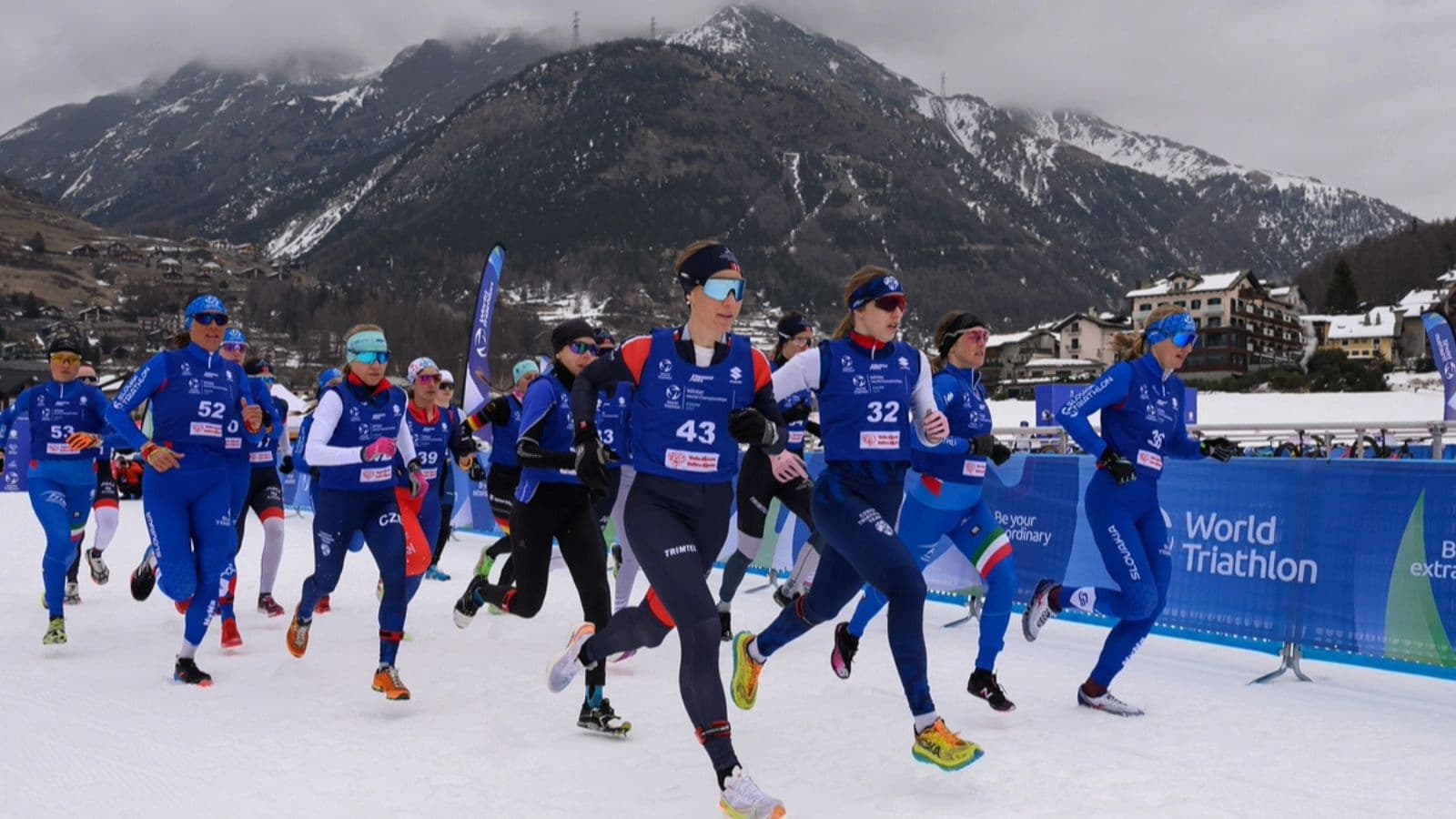


Cold weather running presents unique challenges for triathletes. Lower temperatures can make muscles feel stiff, breathing may become uncomfortable and icy conditions increase the risk of slips and falls. Yet with the right preparation, winter training can be both safe and highly productive. Many athletes actually perform well in cooler temperatures because overheating becomes less of a concern. However, success depends on dressing appropriately, warming up thoroughly and adjusting your expectations to match the conditions. Whether you’re training through winter or competing in a cold-weather triathlon, understanding how to manage the environment helps you stay healthy, avoid injury and maintain consistent progress throughout the season.
Cold Weather Affects Your Body
Running in cold temperatures changes how your body responds to exercise.
Common effects include:
- Reduced muscle temperature.
- Stiffer joints.
- Slower reaction times.
- Increased breathing discomfort.
- Reduced flexibility.
These changes make preparation more important than during warm-weather training.
Dress in Layers
Layering allows you to regulate body temperature as your run progresses. Triathletes following how to train for winter triathlon, understand that winter period is useful for developing long term endurance and strength.
A simple layering system includes:
- Moisture-wicking base layer.
- Insulating mid-layer when necessary.
- Windproof or waterproof outer layer.
Avoid overdressing. You should feel slightly cool when you begin running because your body temperature will rise within the first 10 to 15 minutes.
Protect Your Extremities
Your hands, ears and feet lose heat quickly.
Consider wearing:
- Running gloves.
- Thermal socks.
- A lightweight hat or headband.
- Neck gaiter.
- Wind-resistant shoes if conditions are wet.
Small accessories often make a bigger difference than adding another heavy clothing layer.
Warm Up Before You Go Outside
Unlike summer running, cold-weather sessions benefit from an indoor warm-up before heading outdoors.
Spend five to ten minutes performing:
- Leg swings.
- Walking lunges.
- High knees.
- Glute activation.
- Dynamic stretching.
Starting with warm muscles reduces injury risk and makes the opening kilometres feel much more comfortable. For additional injury prevention strategies, how to avoid running injuries as mileage increases in a triathlon explains how gradual preparation protects your body during higher training loads.
Start Slowly
Don’t expect to run your target pace immediately.
Instead:
- Begin comfortably.
- Let your breathing settle.
- Allow muscles to warm naturally.
- Increase effort gradually.
Most athletes find their running feels considerably smoother after the first 10 to 15 minutes.
This controlled approach also makes it easier to finish your run strongly.
Watch Your Footing
Snow, frost and ice increase the risk of slipping.
Reduce your risk by:
- Shortening your stride.
- Increasing cadence slightly.
- Avoiding sudden changes of direction.
- Running on cleared surfaces where possible.
- Slowing down on corners and descents.
If conditions become hazardous, moving your session indoors is often the safest option.
Don’t Ignore Hydration
Many athletes drink less during winter because they don’t feel as thirsty.
However, you still lose fluids through:
- Sweat.
- Breathing.
- Cold, dry air.
Staying hydrated supports both performance and recovery, even during shorter runs.
Cold Air Can Affect Breathing
Breathing cold, dry air may irritate your airways, particularly during harder efforts.
Many runners find it helpful to:
- Breathe through the nose when possible.
- Wear a neck gaiter over the mouth.
- Increase intensity gradually.
- Avoid sprinting immediately after starting.
As your airways warm, breathing often becomes more comfortable.
Pace by Effort Rather Than Speed
Cold weather, strong winds and slippery surfaces often reduce running pace.
Instead of chasing your usual pace, focus on:
- Comfortable breathing.
- Smooth rhythm.
- Stable effort.
- Good running mechanics.
Training by effort ensures you achieve the intended workout despite changing weather conditions. Understanding what is zone 2 running in a triathlon can help you keep easy runs truly aerobic regardless of pace.
Recovery Takes On Greater Importance
Cold weather can increase muscle stiffness after training.
Support recovery by:
- Changing into dry clothes quickly.
- Eating a balanced recovery meal.
- Rehydrating.
- Gentle mobility work.
- Getting adequate sleep.
Recovering well allows you to maintain consistency throughout winter training. If you’re training regularly through colder months, what strategies should triathletes follow for better recovery provides additional recovery strategies that help minimize soreness and fatigue.
Adjust Expectations
Your pace may be slower on particularly cold, windy or icy days. That’s perfectly normal.
Weather affects:
- Running economy.
- Stride length.
- Surface grip.
- Muscle efficiency.
- Overall comfort.
Trying to force normal race pace often increases injury risk without improving fitness.
Wear Bright, Reflective Clothing
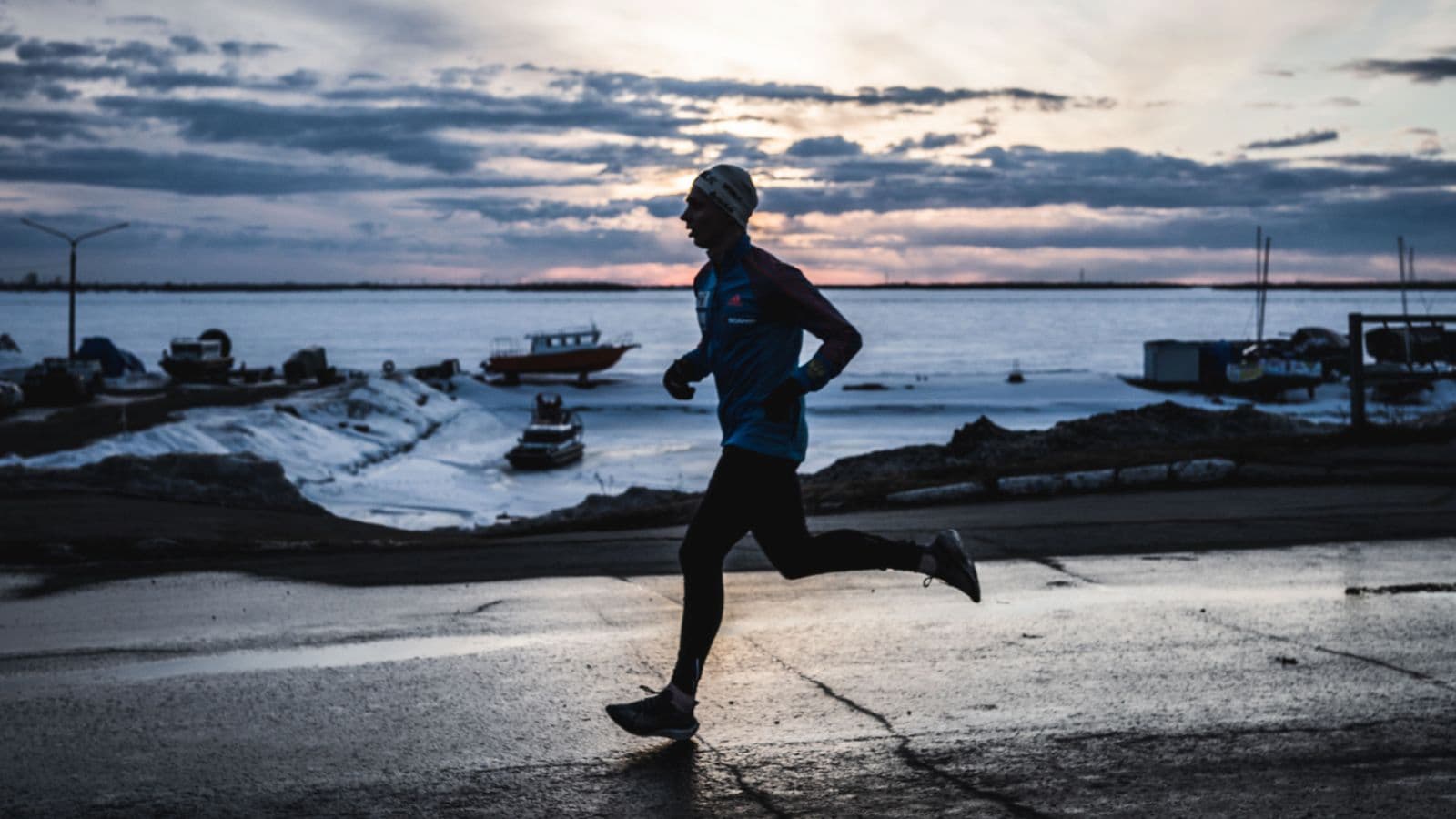
Winter often means shorter daylight hours and poorer visibility.
Improve your safety by wearing:
- Reflective clothing.
- Bright colours.
- Head torch if running before sunrise or after sunset.
- Flashing safety lights if appropriate.
Making yourself visible benefits both you and other road users.
Fuel Longer Runs Properly
Long winter runs still require adequate energy intake.
For sessions lasting beyond 90 minutes, consider:
- Carbohydrate gels.
- Sports drinks.
- Energy chews.
- Easily digestible snacks.
Maintaining energy levels helps preserve good running form throughout your workout. If you’re building endurance, what training errors slow down running progress explains how long, easy runs contribute to lasting aerobic development.
Cold Weather Doesn’t Replace Smart Training
Winter conditions shouldn’t dramatically change your training structure.
A balanced programme should still include:
- Easy aerobic runs.
- Long runs.
- Quality interval sessions.
- Recovery days.
- Strength training.
Consistency matters far more than trying to prove toughness by training in extreme conditions. If you’re planning your weekly schedule, how cold is too cold to train for triathlon outdoors explains how to balance different types of sessions throughout the week.
Learn to Pace Conservatively
One advantage of cold-weather running is that it’s easier to avoid starting too fast. Allow effort to build naturally and aim to finish feeling strong. Practising this strategy throughout winter often improves pacing for spring and summer races. For race-day pacing advice, what is a negative split in triathlon running explains why controlled starts frequently produce faster overall performances.
Common Mistakes
- Wearing too many clothing layers.
- Skipping the warm-up.
- Starting at race pace immediately.
- Ignoring icy surfaces.
- Forgetting to hydrate.
- Wearing cotton clothing.
- Running in poor visibility without reflective gear.
- Ignoring early signs of excessive cold.
Practical Tips
- Warm up indoors before heading outside.
- Dress in moisture-wicking layers.
- Protect your hands, feet and ears.
- Run by effort rather than pace.
- Slow down on slippery surfaces.
- Stay visible in low light.
- Hydrate even if you don’t feel thirsty.
- Change into dry clothes immediately after finishing.
Actionable Takeaways
Cold weather doesn’t have to interrupt your triathlon training. With sensible clothing choices, a proper warm-up and realistic pacing, winter running can be both safe and highly effective. In many cases, cooler temperatures even provide excellent conditions for endurance training once your body has warmed up.
The key is adapting your approach rather than fighting the weather. Prioritise safety, listen to your body and remain consistent with your training. By respecting the conditions and recovering well afterwards, you’ll continue building fitness while reducing the risk of injury throughout the colder months.