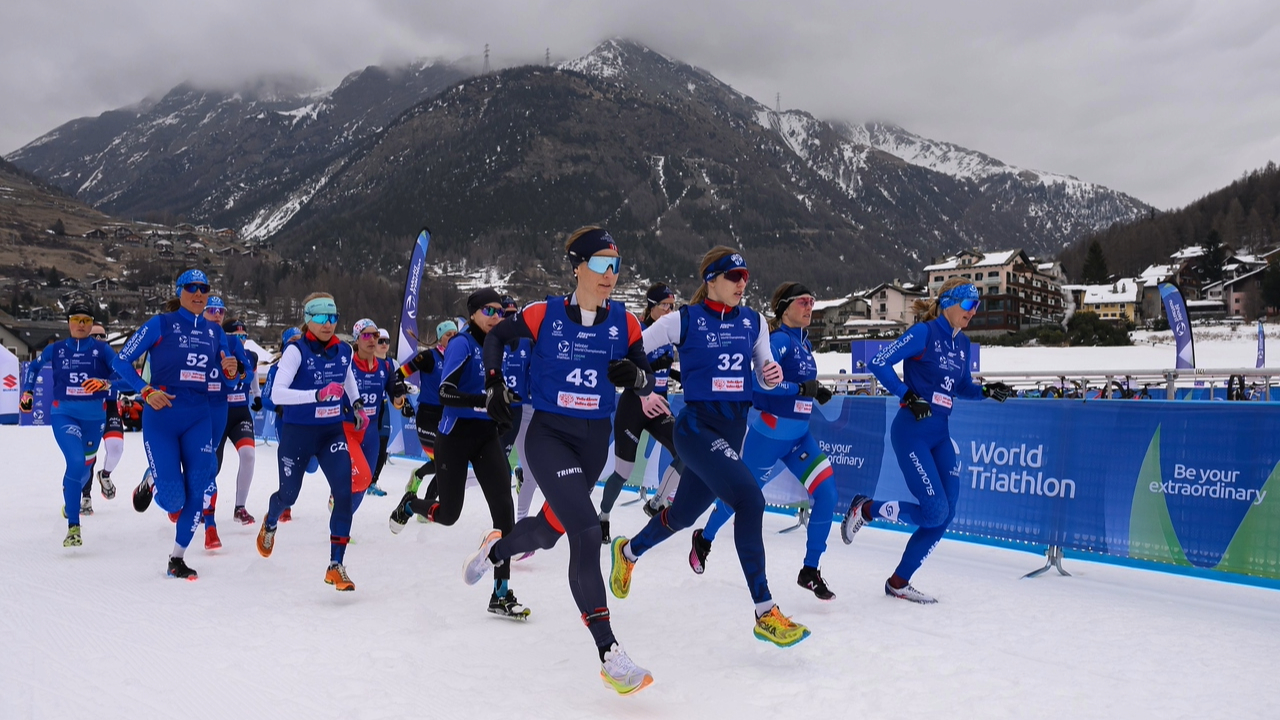


Triathletes are known for their ability to train in challenging conditions.
Whether it’s:
- Early-morning swims
- Rain-soaked bike rides
- Winter long runs
many athletes continue training outdoors long after casual exercisers have moved indoors. However, there comes a point where cold weather stops being merely uncomfortable and starts becoming a genuine safety concern. The question isn’t simply whether you can train outdoors. The more important question is whether the conditions allow you to train safely and productively.
The answer depends on several factors, including:
- Air temperature
- Wind chill
- Precipitation
- Training duration
- Clothing choices
- Individual experience
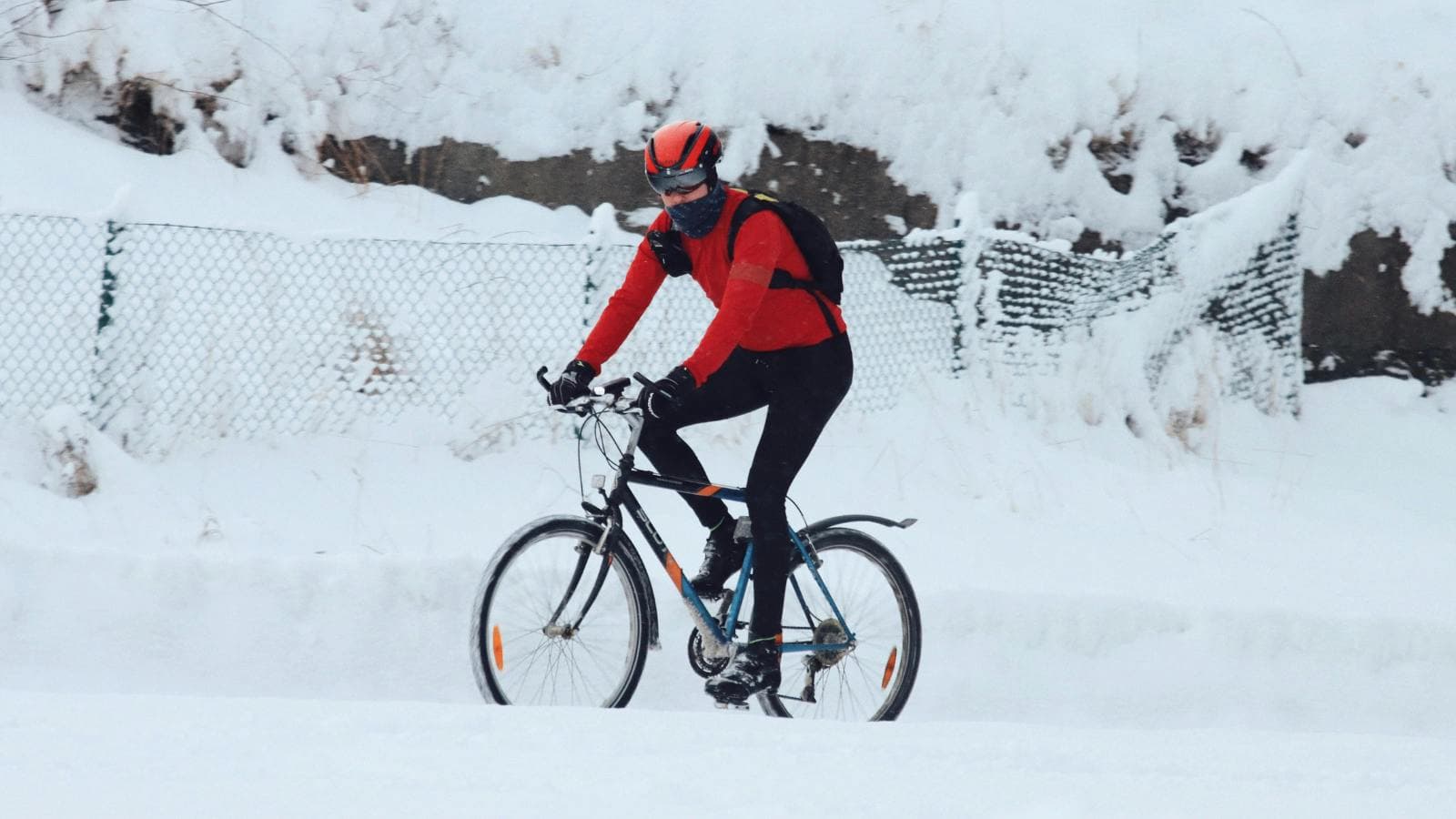
Understanding these variables can help triathletes make smart decisions when temperatures drop.
There Is No Universal Temperature Cut-Off
One of the biggest misconceptions is that there is a specific temperature at which outdoor training becomes unsafe.
In reality, cold-weather safety depends on multiple factors.
For example:
- 2°C with sunshine and calm winds may be manageable
- 2°C with rain and strong winds may feel significantly colder
Athletes who understand how to handle sudden weather changes during a triathlon race often appreciate that environmental conditions rarely act independently.
Temperature is only one piece of the puzzle.
Wind Chill Often Matters More Than Temperature
Wind dramatically increases heat loss. A cold day becomes much more challenging when strong winds are present. Cyclists are particularly affected because riding speed increases the effective wind chill.
This can lead to:
- Numb fingers
- Reduced dexterity
- Increased fatigue
Athletes who focus on how to cycle safely in the rain often learn that weather conditions can combine to create challenges far greater than temperature alone suggests.
Always check wind chill rather than air temperature alone.
Running Is Usually Easier Than Cycling in the Cold
Among the three triathlon disciplines, running is often the most manageable in cold conditions.
Running generates significant body heat because:
- Large muscle groups are working continuously
- Movement is constant
- Effort levels are often higher
Cycling presents greater challenges because:
- Airflow increases heat loss
- Descents reduce heat production
- Hands and feet cool quickly
Athletes transitioning through how to become an efficient triathlete often discover that each discipline responds differently to cold weather.
A temperature that feels comfortable for running may feel brutal on the bike.
Swimming Requires Special Consideration
Cold-water swimming carries unique risks. Water removes body heat far faster than air.
Factors influencing safety include:
- Water temperature
- Swim duration
- Experience level
- Wetsuit use
Athletes improving through how does water temperature affect triathlon swim performance often recognise that even modest drops in water temperature can significantly affect comfort and performance.
Cold-water adaptation should always be approached gradually.
Layering Is Essential
Many cold-weather problems stem from poor clothing choices rather than the temperature itself.
The goal is balancing:
- Warmth
- Breathability
- Moisture management
Useful layers often include:
- Moisture-wicking base layers
- Insulating mid-layers
- Wind-resistant outer layers
Athletes who prepare through 7 out of 10 ideal workouts for triathlon often learn that proper clothing can dramatically expand the range of conditions in which outdoor training remains practical.
Dress for the conditions, not the calendar.
Wet Conditions Increase Risk
Rain, sleet, and snow can make cold weather far more dangerous.
Moisture increases heat loss and may contribute to:
- Hypothermia
- Reduced comfort
- Poor visibility
Athletes who understand how to avoid rehydration mistakes after a triathlon often appreciate that hydration and environmental management are closely connected.
Cold-weather stress is not solely about temperature.
Wetness changes everything.
Hands and Feet Usually Suffer First
Many triathletes notice discomfort first in:
- Fingers
- Toes
- Ears
These areas lose heat rapidly because the body prioritises protecting vital organs.
Symptoms may include:
- Numbness
- Tingling
- Reduced coordination
Appropriate:
- Gloves
- Shoe covers
- Thermal socks
can make a substantial difference.
Small equipment choices often determine whether a session is enjoyable or miserable.
Performance May Naturally Decline
Cold temperatures can affect:
- Muscle function
- Flexibility
- Coordination
Athletes may notice:
- Slower paces
- Heavier legs
- Reduced responsiveness
This is normal. Athletes who understand how to pace a triathlon properly often adapt more effectively because they focus on effort rather than obsessing over pace during difficult conditions.
Expectations should reflect the environment.
Shorter Sessions May Be Smarter
During very cold weather, shorter workouts often make more sense than extremely long sessions.
This can reduce:
- Exposure time
- Energy expenditure
- Risk of excessive cooling
Athletes preparing through aerobic endurance workouts that every triathlete should know often realise that consistency is more valuable than forcing excessively long sessions in poor conditions.
Sometimes the best workout is the one you can recover from properly.
Know the Signs of Hypothermia
Hypothermia occurs when the body loses heat faster than it can produce it.
Warning signs may include:
- Uncontrollable shivering
- Confusion
- Slurred speech
- Poor coordination
- Extreme fatigue
These symptoms should never be ignored.
Athletes should stop training and seek warmth immediately if serious symptoms develop.
Safety always outweighs completing a workout.
Indoor Training Is Sometimes the Better Choice
Many triathletes view indoor training as a last resort.
However, there are situations where moving indoors is simply the smartest decision.
Examples include:
- Extreme wind chill
- Ice-covered roads
- Dangerous visibility
- Severe weather warnings
Athletes who follow how can triathletes stay on track after missing a workout often understand that flexibility is part of intelligent training.
A trainer session is better than an unnecessary injury.
Experience Influences Cold Tolerance
Cold-weather tolerance varies between athletes.
Factors include:
- Body composition
- Acclimation
- Experience
- Clothing systems
An experienced winter triathlete may train comfortably in conditions that feel overwhelming to a beginner.
Progressive exposure generally works better than attempting to adapt all at once.
Recovery Becomes More Important
Cold-weather training places additional demands on the body.
Athletes should pay close attention to:
- Nutrition
- Hydration
- Sleep
Athletes who focus on what strategies should triathletes follow for a better recovery often handle winter training more successfully because they support adaptation outside of workouts as well.
Recovery supports resilience.
Consider the Purpose of the Session
Before heading outside, ask:
“Will this session improve my fitness?”
If conditions are so severe that:
- Technique deteriorates
- Safety becomes questionable
- Training quality drops dramatically
then the workout may not be worthwhile. Athletes preparing through what mindset helps triathletes perform at their best often recognise that smart decision-making is part of athletic development.
Sometimes discipline means staying indoors.
Common Cold-Weather Training Mistakes
Many triathletes increase risk by:
- Underdressing
- Ignoring wind chill
- Staying outside too long
- Neglecting hydration
- Choosing unsafe routes
- Ignoring warning signs
- Refusing indoor alternatives
- Overestimating cold tolerance
Most cold-weather problems are preventable with preparation.
So, How Cold Is Too Cold?
There is no exact temperature that applies to everyone.
However, many triathletes begin reconsidering outdoor training when:
- Wind chills become extreme
- Roads become icy
- Water temperatures become unsafe
- Visibility deteriorates significantly
The safest approach is evaluating:
- Temperature
- Wind
- Moisture
- Safety conditions
- Training goals
rather than relying on a single number.