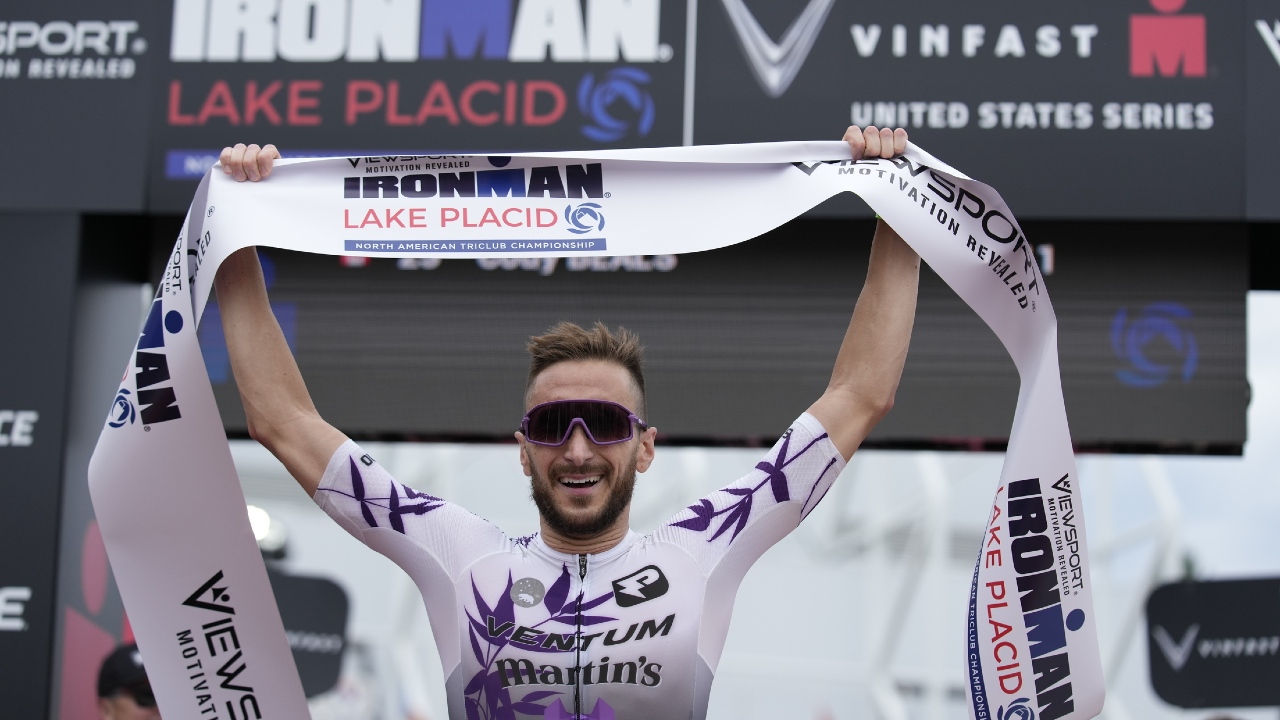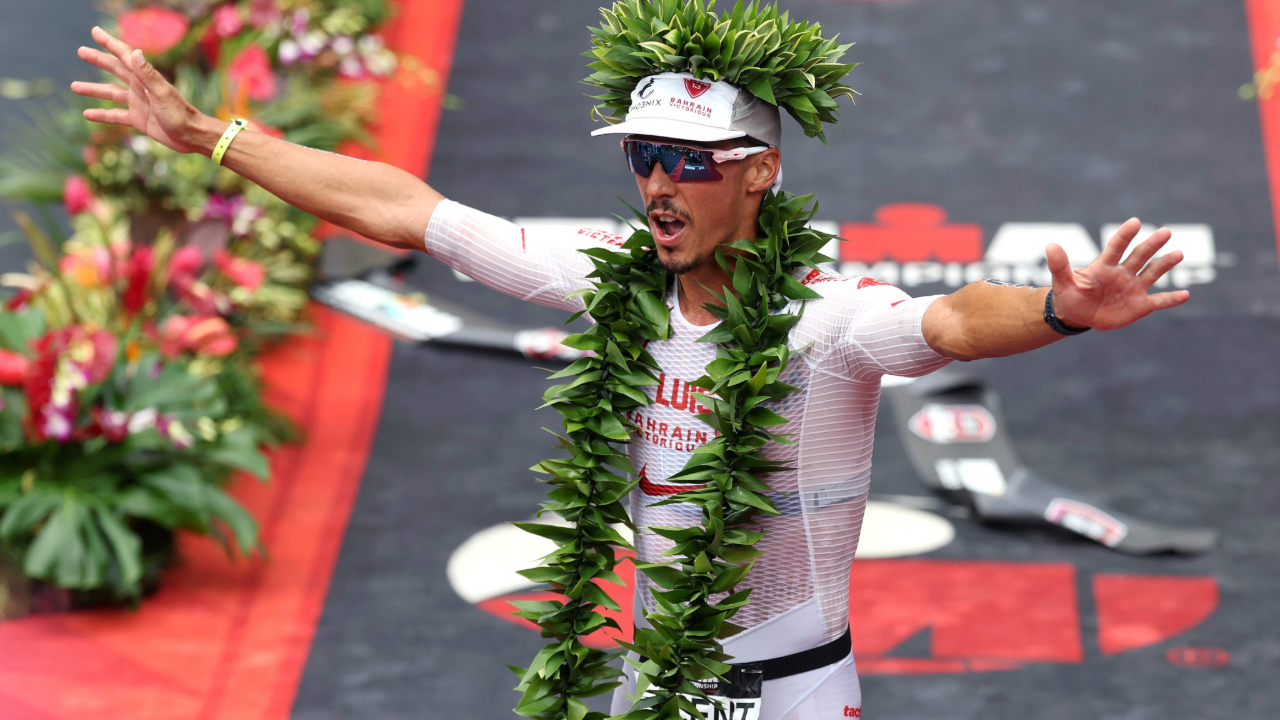


Triathlon success depends on far more than physical fitness. While swimming, cycling and running training form the foundation of performance, mental preparation often separates athletes who perform to their potential from those who struggle under race-day pressure. Visualization, also known as mental rehearsal, is a technique used by elite athletes across many sports. By imagining yourself successfully completing different parts of a race, you prepare your mind to respond calmly and confidently when those situations become reality. Whether you’re preparing for your first sprint triathlon or an Ironman, visualization can improve confidence, reduce anxiety and help you execute your race plan more effectively.
In Short
- Visualization prepares your mind for race day.
- It builds confidence through mental rehearsal.
- It reduces pre-race anxiety.
- It improves focus during competition.
- It helps prepare for unexpected situations.
What Is Visualization?
Visualization involves mentally rehearsing your performance before it happens.
Rather than simply hoping everything goes well, you actively imagine yourself:
- Swimming smoothly.
- Transitioning efficiently.
- Riding confidently.
- Running with good form.
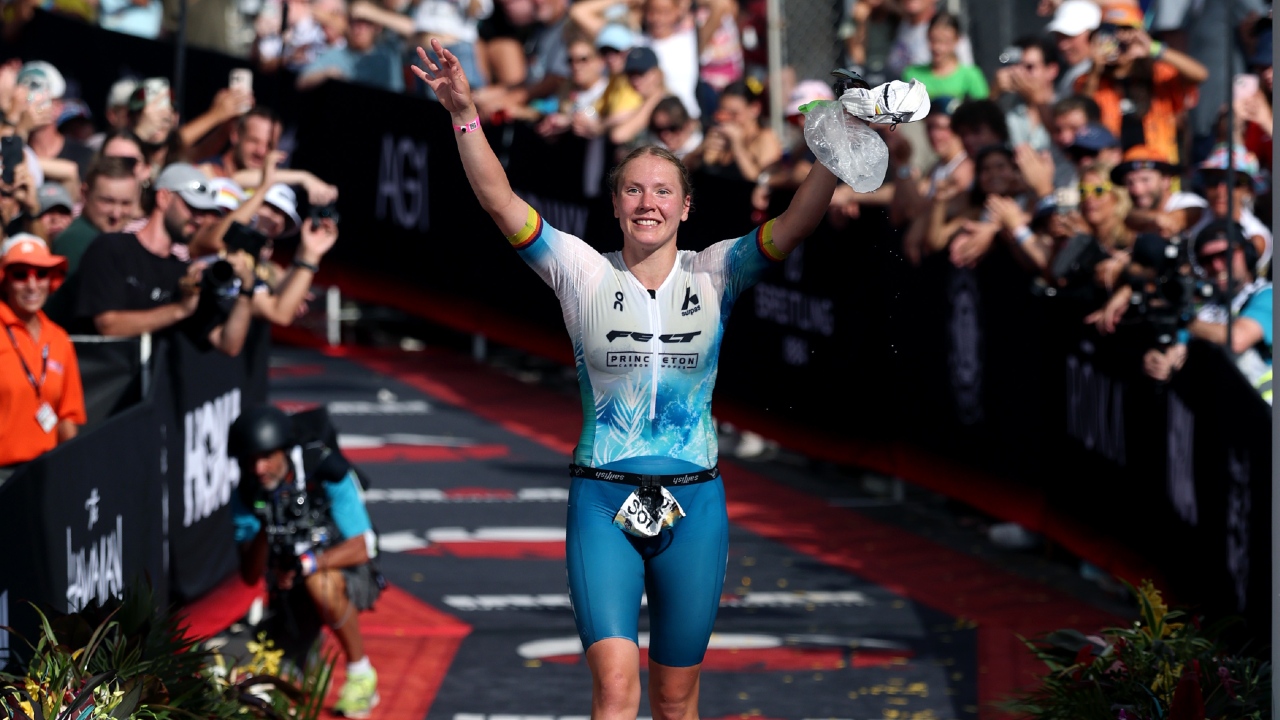
- Crossing the finish line successfully.
The more detailed the mental rehearsal, the more familiar race day feels when it arrives.
Build Confidence Before Race Day
Many triathletes feel nervous before competitions because of uncertainty.
Visualization replaces uncertainty with familiarity.
Imagine yourself:
- Arriving at transition.
- Setting up your equipment.
- Starting calmly.
- Managing each discipline confidently.
- Solving problems without panic.
Repeating these mental rehearsals regularly builds confidence long before race morning.
Reduce Race-Day Anxiety
Anxiety often comes from fear of the unknown.
Visualization helps reduce this by mentally experiencing situations before they occur.
Examples include:
- Open-water swim starts.
- Busy transition areas.
- Steep bike climbs.
- Fatigue during the run.
- Finishing strongly.
By rehearsing these moments, they become less intimidating.
Improve Your Swim Start
The swim often creates the greatest anxiety, particularly for beginners.
Visualise yourself:
- Remaining relaxed.
- Breathing rhythmically.
- Finding clear water.
- Swimming efficiently.
- Staying composed despite contact from other athletes.
Mental preparation helps prevent panic and allows you to settle into your planned pace.
Rehearse Smooth Transitions
Transitions are unique to triathlon and can become stressful without preparation.
Visualise:
- Removing your wetsuit smoothly.
- Finding your bike quickly.
- Putting on your helmet correctly.
- Mounting confidently.
- Entering the run efficiently.
The more often you rehearse transitions mentally, the smoother they tend to become on race day.
Prepare for Difficult Moments
Every triathlon includes challenges.
Visualisation should include overcoming:
- Strong headwinds.
- Missed nutrition.
- Cramping.
- Tough climbs.
- Temporary fatigue.
Rather than imagining a perfect race, rehearse responding calmly to setbacks.
Improve Focus During the Bike Leg
The cycling section often represents the longest part of a triathlon.
Visualise yourself maintaining:
- Smooth cadence.
- Relaxed upper body.
- Steady pacing.
- Consistent nutrition.
- Controlled effort.
Pairing this with how to pace the bike leg in a triathlon helps reinforce disciplined race execution.
Strengthen Your Nutrition Strategy
Mental rehearsal isn’t limited to movement.
Visualise yourself remembering to:
- Drink regularly.
- Eat at planned intervals.
- Take nutrition before fatigue develops.
- Adjust according to conditions.
Combining visualization with triathlon nutrition guide makes your fuelling strategy feel automatic on race day.
Stay Present During the Run
The final discipline often becomes a mental battle as fatigue builds.
Visualise yourself:
- Running with good posture.
- Maintaining your planned pace.
- Staying relaxed.
- Responding positively to discomfort.
- Finishing strongly.
This mental preparation makes it easier to remain composed when the run becomes challenging.
Engage All Your Senses
The most effective visualization is detailed and realistic.
Rather than simply seeing yourself race, imagine:
- The sound of the swim start.
- The feel of the water.
- The wind during the bike leg.
- The rhythm of your breathing.
- The cheers approaching the finish line.
The more vivid the rehearsal, the more familiar race day will feel.
Practise Positive Self-Talk
Visualization works best when combined with constructive internal dialogue.
Instead of imagining problems, reinforce positive thoughts such as:
- “Stay smooth.”
- “Control your effort.”
- “One discipline at a time.”
- “I’ve prepared for this.”
- “Keep moving forward.”
These phrases become useful reminders when fatigue or nerves begin to affect your performance.
Visualise Your Race Plan
Your race strategy should become second nature before the event.
Mentally rehearse:
- Your pacing.
- Nutrition timings.
- Transition routines.
- Hydration schedule.
- Responses to changing conditions.
Following how to create a triathlon race strategy alongside visualization helps improve race execution from start to finish.
Prepare for Imperfect Conditions
No race unfolds exactly as planned.
Rather than imagining a flawless performance, rehearse responding calmly to situations such as:
- Rough water.
- Lost bottles.
- Hot weather.
- Strong winds.
- Minor equipment issues.
Accepting that challenges may occur allows you to respond with confidence instead of frustration.
Use Visualization During Training
Mental rehearsal isn’t only useful before races.
Before key workouts, visualise yourself:
- Completing intervals strongly.
- Maintaining good technique.
- Finishing difficult sessions.
- Executing pacing correctly.
This improves focus and often increases the quality of your training sessions.
Combine Visualization with Consistent Training
Visualization enhances performance, but it doesn’t replace physical preparation.
Continue building:
- Endurance.
- Strength.
- Technical skills.
- Recovery habits.
- Race-specific fitness.
Combining mental preparation with why consistency is the key to triathlon improvement produces far better long-term results than relying on motivation alone.
Reflect After Every Race
Visualization also improves future performances.
After each event, review:
- What went well.
- What surprised you.
- Which visualisations matched reality.
- Areas that need improvement.
Use these lessons to make future mental rehearsals even more effective.
Common Mistakes
- Only visualising perfect races.
- Ignoring potential challenges.
- Rushing through mental rehearsal.
- Practising visualization inconsistently.
- Focusing on fear rather than solutions.
- Neglecting physical preparation.
- Overthinking every detail.
- Expecting immediate results.
Practical Tips
- Spend five to ten minutes visualising several times each week.
- Include all three disciplines and both transitions.
- Imagine realistic race conditions.
- Use positive self-talk throughout.
- Rehearse your nutrition strategy.
- Visualise solving unexpected problems calmly.
- Practise before important training sessions.
- Stay consistent with your mental training.
Actionable Takeaways
Visualization is one of the simplest ways to strengthen your mental preparation for triathlon. By repeatedly rehearsing successful performances, transitions and responses to difficult situations, you can reduce anxiety, improve confidence and execute your race plan more effectively.
When combined with structured physical training, visualization becomes a powerful tool that helps you stay calm, focused and adaptable throughout every stage of a triathlon.