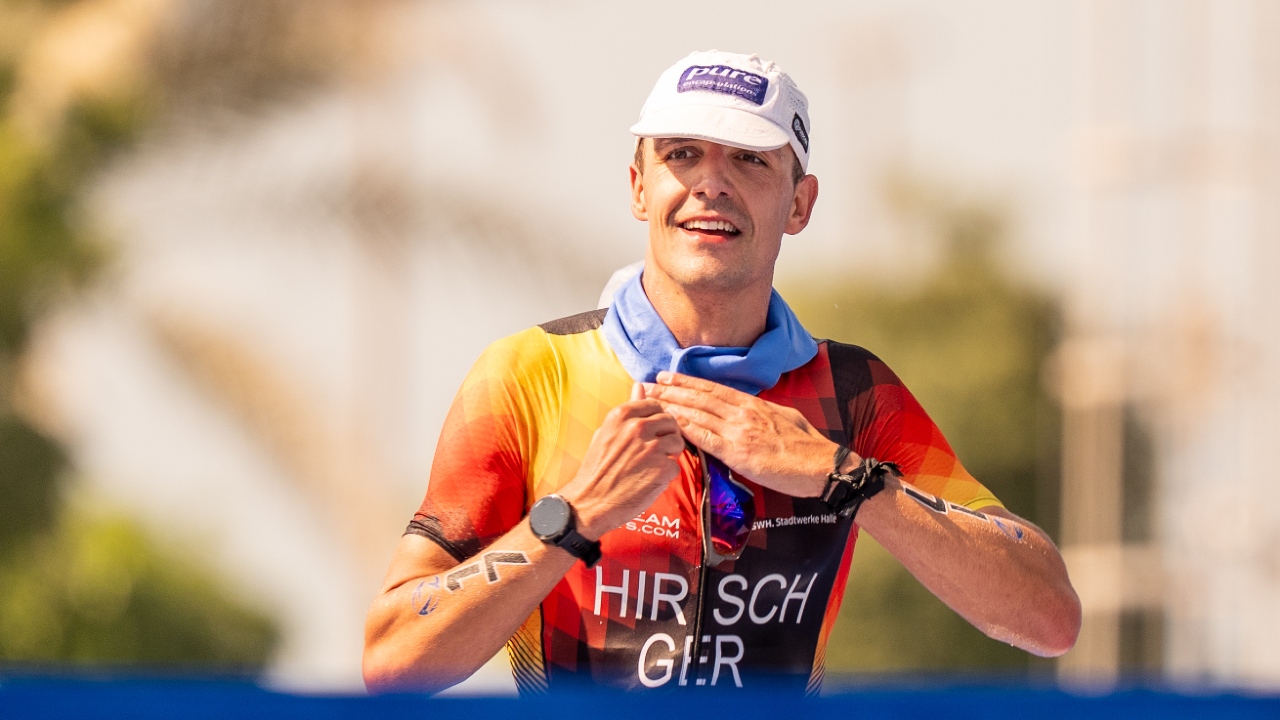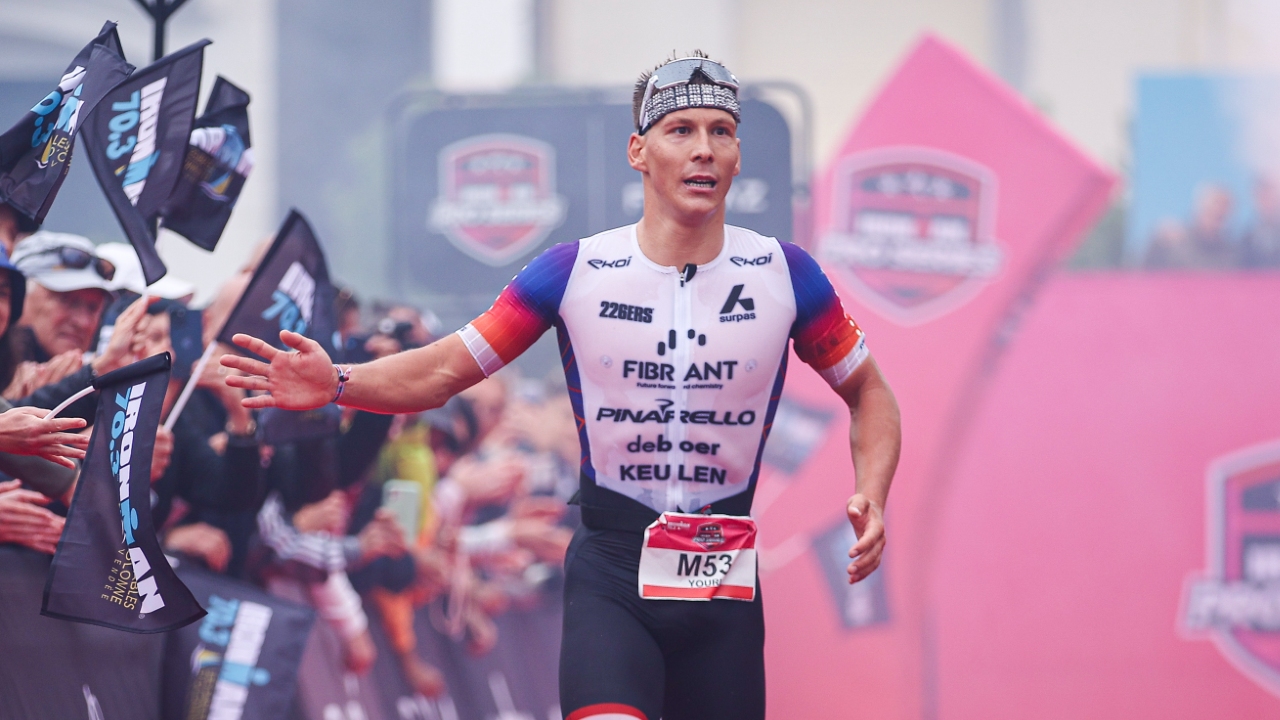


Training for a triathlon with only one hour a day is possible, particularly for sprint and Olympic distance events. The key is to organize workouts around specific training goals rather than trying to complete as much exercise as possible. Many recreational triathletes balance training with work, family, and other commitments. Limited training time does not necessarily prevent fitness improvements when sessions are consistent and well structured. Swimming, cycling, and running require different physical adaptations. A balanced schedule should develop endurance, technique, and muscular strength while allowing sufficient recovery. Athletes preparing for a Half Ironman or Ironman may need occasional longer sessions to develop race endurance and practice nutrition. Training expectations should reflect the chosen race distance and available preparation time.
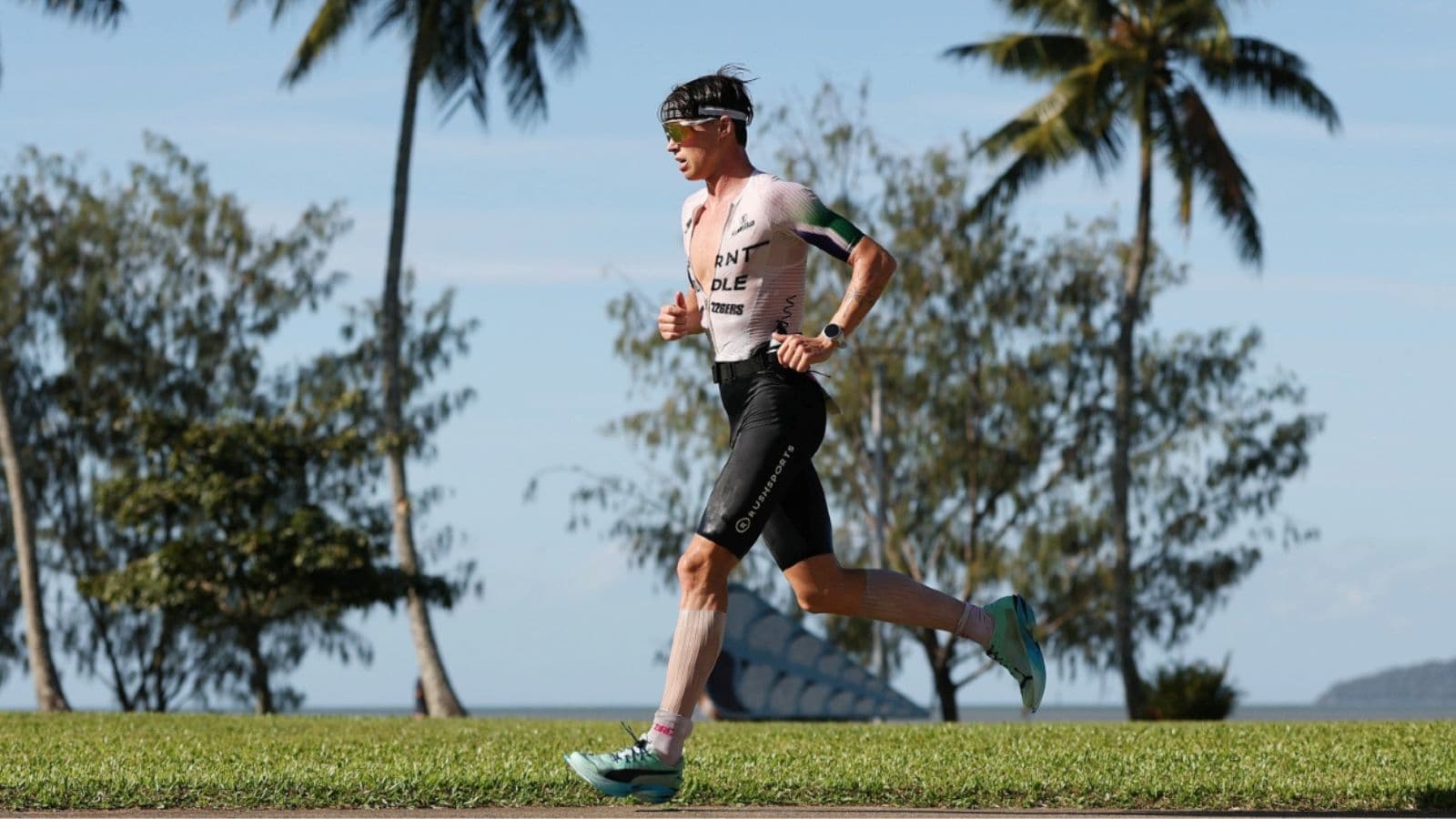
In Short
- One hour of daily training can support sprint and Olympic triathlon preparation.
- Give every workout a clear purpose.
- Prioritize your weakest discipline.
- Keep most training at a comfortable intensity.
- Include short brick workouts.
- Use indoor training to save time.
- Allow sufficient recovery between demanding sessions.
Choose a Suitable Race Distance
Available training time should influence your race selection.
| Race distance | Suitability for one hour daily |
|---|---|
| Sprint | Highly suitable |
| Olympic | Suitable with consistent training |
| Half Ironman | May require longer sessions |
| Ironman | Generally requires additional training time |
Reviewing triathlon distances explained: sprint, olympic, 70.3 and ironman can help athletes choose an event that matches their fitness and schedule. Beginners should prioritize completing shorter races comfortably before progressing to longer distances.
Build a Balanced Weekly Schedule
A structured schedule prevents athletes from neglecting individual disciplines. This example suits recreational triathletes who already tolerate regular exercise.
| Day | Workout |
|---|---|
| Monday | Rest |
| Tuesday | 45 minutes swimming |
| Wednesday | 60 minutes cycling |
| Thursday | 40 minutes running and 15 minutes strength training |
| Friday | 45 minutes swimming |
| Saturday | 45 minutes cycling and 15 minutes running |
| Sunday | 60 minutes easy running |
Learning how to build a weekly triathlon plan can help athletes adjust this schedule according to experience, fitness, and race goals.
Make Swimming Sessions More Efficient
Short swimming sessions should combine technique practice with endurance development.
A purposeful 45 minute session could include:
- 10 minutes of easy swimming.
- 10 minutes of technique drills.
- 20 minutes of controlled intervals.
- 5 minutes of easy swimming.
Exploring what swim workouts improve triathlon performance can help athletes select sessions that address their weaknesses. Focus on stroke efficiency rather than completing unnecessary lengths.
Maximize Cycling Training Time
Indoor cycling eliminates traffic delays, route planning, and interruptions, making it particularly useful for busy triathletes.
Effective cycling sessions include:
- Steady aerobic rides.
- Controlled sweet spot intervals.
- Short threshold efforts.
- Cadence drills.
Learning how do triathletes stay fit with one hour indoor workouts can help athletes structure productive sessions without spending additional time traveling. Keep harder cycling workouts limited to avoid compromising running and swimming recovery.
Develop Running Endurance Consistently
Running provides a convenient way to develop aerobic fitness because it requires relatively little preparation.
Within a limited schedule, prioritize:
- Comfortable endurance runs.
- Occasional tempo efforts.
- Short running drills.
- Gradual mileage progression.
Understanding how many run workouts do triathletes need each week can help athletes establish a suitable running frequency. Avoid increasing running speed simply because workout duration is limited.
Include Short Brick Workouts
Brick workouts prepare athletes for the transition between cycling and running.
A simple one hour brick session includes:
- 10 minutes of easy cycling.
- 35 minutes of steady cycling.
- 15 minutes of comfortable running.
Exploring what is a brick workout in triathlon can help beginners understand how combined sessions improve transition familiarity and pacing awareness. Short brick workouts are particularly valuable for sprint and Olympic distance preparation.
Balance Easy and Hard Training
Limited training time does not mean every workout should be intense. Most sessions should develop aerobic fitness without creating excessive fatigue. Harder workouts can improve speed and endurance when appropriately scheduled.
A practical approach includes:
- Three or four comfortable aerobic sessions.
- One or two controlled harder workouts.
- At least one rest day.
Learning how should triathletes balance easy and hard training can help athletes distribute intensity effectively across all three disciplines.
Include Strength Training
Strength training supports muscular capacity, movement control, and tolerance to training loads.
A short routine can include:
- Squats.
- Lunges.
- Calf raises.
- Glute bridges.
- Planks.
- Resistance band rows.
Spend 15 to 20 minutes on strength exercises once or twice weekly, depending on recovery. Understanding how to prevent running injuries with strength and mobility training in a triathlon can help athletes incorporate useful exercises into shorter sessions.
Protect Recovery and Training Consistency
Training improvements depend on the body’s ability to recover and adapt.
Prioritize:
- Sufficient sleep.
- Adequate daily nutrition.
- Regular hydration.
- Rest days.
- Adjustments when fatigue increases.
Knowing how can you train for a triathlon without neglecting recovery can help athletes maintain progress without exceeding their recovery capacity.
Missing an occasional workout is preferable to developing an injury through accumulated fatigue.
Common Mistakes
- Making every workout intense.
- Neglecting the weakest discipline.
- Skipping warmups.
- Avoiding strength training.
- Choosing unrealistic race distances.
- Sacrificing sleep for training.
Practical Tips
- Schedule workouts in advance.
- Prepare equipment the night before.
- Use indoor cycling when convenient.
- Combine cycling and running sessions.
- Track weekly training consistency.
- Adjust workouts around recovery needs.
Actionable Takeaways
- Choose a realistic race distance.
- Make every session purposeful.
- Prioritize consistency and aerobic fitness.
- Include brick workouts and strength training.
- Protect recovery.