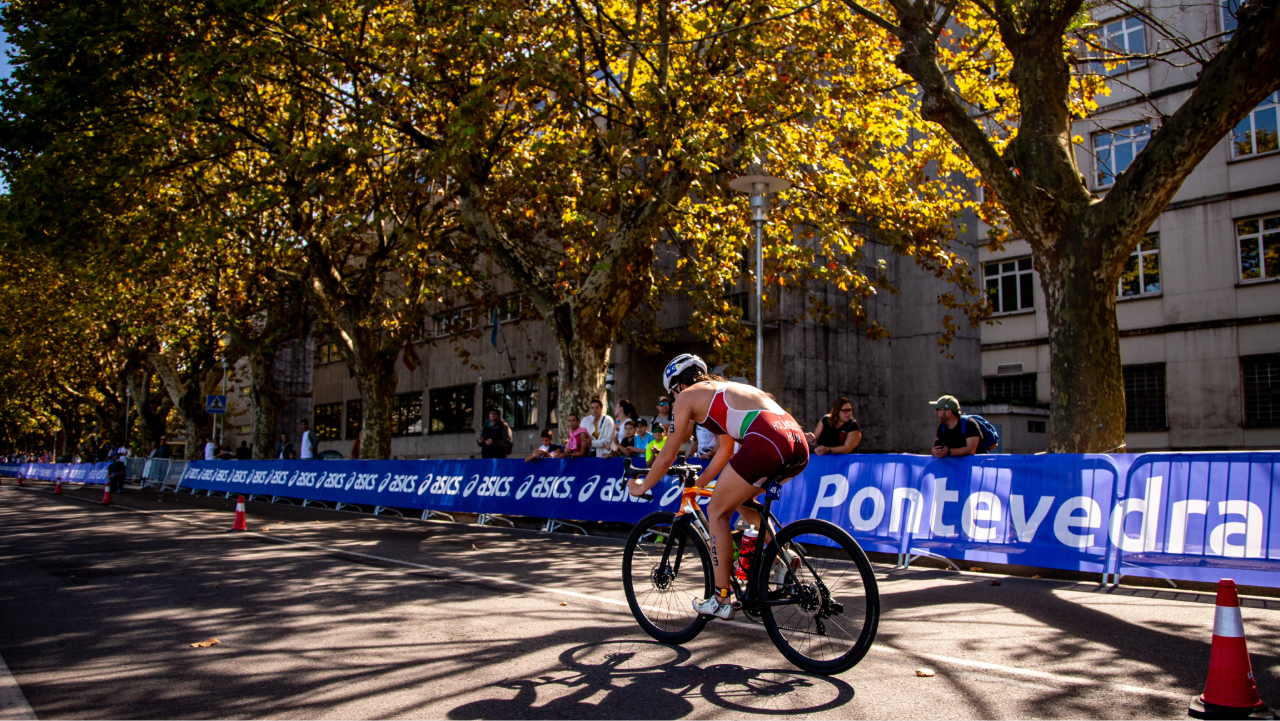


The right cycling cadence for a triathlon is a pedaling rate you can sustain comfortably while producing the required power without creating excessive muscular or cardiovascular fatigue. For many triathletes, this means using a moderate to relatively high cadence rather than grinding a very large gear, but there is no universal target that every athlete should follow. Cadence is measured in revolutions per minute, or RPM. If you pedal at 85 RPM, each crank completes 85 revolutions every minute. Your best cadence can change with terrain, power output, fatigue, gearing, and race distance. The key is to identify a comfortable range during training and learn when to shift gears so you can stay close to that range without forcing an exact number throughout the entire bike leg.
In Short
- Cadence is measured in revolutions per minute.
- There is no single perfect cadence for every triathlete.
- Comfort and sustainable power matter more than chasing one RPM.
- Very low cadence can increase muscular demand.
- Very high cadence can increase cardiovascular demand.
- Hills, wind, and changes in speed affect cadence.
- Appropriate gearing makes cadence easier to control.
- Your race distance can influence your preferred range.
What Is Cycling Cadence?
Cycling cadence describes how quickly you turn the pedals. A cadence of 90 RPM means the crank completes 90 full revolutions every minute. Cadence is different from speed and power.
You can ride at the same speed using different combinations of cadence and gearing. You can also produce similar power at different cadences. Understanding what is cycling cadence in a triathlon helps separate these concepts and makes it easier to use cadence as a practical training tool rather than treating RPM as a performance target by itself.
There Is No Perfect Cadence
Triathletes often look for one number that represents ideal pedaling. That number does not exist. Two athletes producing the same power may naturally prefer different cadences. Differences in:
- Training history
- Muscle characteristics
- Bike position
- Terrain
- Fitness
- Individual comfort
all influence the choice. Cadence can also change within the same athlete. You might pedal differently during:
- A steep climb
- Easy endurance ride
- A short hard interval
- A long distance triathlon
Instead of finding one perfect RPM, find a useful range.
Start With Your Natural Cadence
A practical starting point is to observe how you already pedal. During a steady ride on relatively flat terrain, settle into a comfortable effort without deliberately changing your pedaling rate. Check your cadence after several minutes. Repeat this during several rides. If you consistently settle near a similar range while feeling comfortable and producing appropriate power, that provides useful information. Do not immediately change your natural cadence because another cyclist pedals faster or slower.
Your goal is to improve your own efficiency and comfort.
Low Cadence Increases Muscular Demand
Pedaling slowly in a larger gear generally requires more force per pedal stroke for a given power output. That can place greater muscular demand on the legs. Some low cadence work can be useful in training, but grinding a large gear for an entire triathlon may create unnecessary leg fatigue. This becomes particularly important when you need to run immediately afterward. Triathletes learning how can you bike smarter to improve your triathlon run should consider whether their bike cadence and gearing allow them to reach transition with enough muscular capacity remaining for efficient running.
Very High Cadence Has a Cost Too
Increasing cadence reduces the force required on each individual pedal stroke for a given power, but extremely fast pedaling is not automatically more efficient. Higher cadence can increase cardiovascular demand and may feel difficult to coordinate if you are not accustomed to it. If your hips begin bouncing on the saddle or your pedal stroke becomes uncontrolled, your cadence may be higher than you can currently manage comfortably. This does not mean high cadence is bad. It means cadence needs to match your:
- Fitness
- Technique
- Power
- Training history
Use Gears to Control Cadence
Your gears allow you to maintain a useful cadence as speed and terrain change. This can help via:
- Shifting into an easier gear when resistance increases and a harder gear when resistance decreases.
- Do not wait until cadence has collapsed before shifting on a climb.
- Early, smooth gear changes help keep the pedal stroke controlled.
The same principle matters when athletes work on when should you climb seated vs standing on a bike because changing gradient can alter cadence quickly. Appropriate gearing gives you more freedom to choose your position instead of being forced to stand because the gear is too large.
Cadence Changes on Hills
Do not expect cadence to remain perfectly constant on every climb. As gradient increases, cadence may naturally fall even after shifting into an easier gear. That is not automatically a problem. The goal is to avoid an unnecessary drop that forces you to grind at very high muscular effort. Your gearing needs to match the terrain. If your easiest gear is still too difficult for the climbs on your race course, maintaining your preferred cadence may be impossible. Course preparation should therefore include both pacing and gear selection.
Headwinds Can Lower Cadence
A strong headwind increases the resistance you need to overcome. If you remain in the same gear, cadence may fall while muscular demand rises. Shift when necessary instead of trying to force the previous gear. Athletes preparing with how to ride in headwinds and crosswinds on a bike should focus on sustainable effort rather than maintaining the same speed they would achieve in calm conditions.
Cadence is another tool for keeping that effort under control.
Race Distance Matters
Your cadence does not need to be identical across every triathlon distance. Short races allow higher overall intensity, while long course racing requires much greater emphasis on sustainability. The difference is not necessarily a dramatic change in RPM. Instead, the combination of:
- Cadence
- Gearing
- Power
- Pacing
needs to match the event. Training based on how should cycling workouts change for different race distances gives you opportunities to test the cadence that feels sustainable at your expected race intensity. Do not choose race cadence based only on short indoor tests.
Power and Cadence Should Work Together
Power tells you how much work you are producing, while cadence describes how quickly you are turning the pedals. Neither metric should be considered alone. For example, a cadence of 90 RPM says little about the difficulty of the effort unless you also know the resistance or power being produced. Athletes using what is ftp in triathlon cycling can set appropriate training intensities and then observe which cadence feels most sustainable at those power levels.
This provides more useful information than chasing a specific RPM regardless of effort.
Practice Different Cadences in Training
Training at slightly different cadences can help you become more adaptable. During an endurance ride, you might spend short controlled periods pedaling slightly below or above your normal cadence while keeping the overall effort appropriate. The purpose is not to discover the most uncomfortable RPM possible. It is to develop coordination and understand how different pedaling rates affect your:
- Breathing
- Muscles
- Perceived effort
Work from what cycling drills help improve triathlon bike technique can also help improve control across a practical cadence range.
Watch for Bouncing at High Cadence
If your hips bounce noticeably when cadence increases, do not simply force yourself to pedal faster. Bouncing can indicate poor control, excessive cadence for your current skill level, or a bike fit issue. Slow down until you can pedal smoothly. Then gradually develop your ability to handle higher cadence without losing stability.
If bouncing occurs even at normal riding cadence, review saddle height and overall bike setup rather than assuming you need more cadence training.
Consider Your Run After the Bike
Triathlon cycling is different from a standalone cycling event because your race continues after you dismount. The fastest possible isolated bike split is not always the best strategy if it leaves your legs unable to run effectively. Cadence is one part of that equation. The principles behind how should you pace the bike to run better in a triathlon are especially important for long distance racing, where excessive muscular fatigue during the bike can become obvious during the opening kilometers of the run.
Judge cadence partly by what happens afterward.
Test Cadence During Brick Workouts
Brick sessions combine cycling and running and provide a useful environment for testing race strategy.
- Try your normal race effort and cadence
- Then observe how your legs feel during the transition and opening part of the run
- Do not make conclusions from one workout
- Compare several sessions under similar conditions
If one cadence consistently allows comfortable power production and leaves your legs feeling more controlled during the run, that is useful evidence for your race strategy.
Cadence Can Change With Fatigue
Your preferred cadence may drift as a long ride progresses. Some athletes gradually begin pushing larger gears because they become tired of maintaining their normal turnover. Others increase cadence because muscular fatigue makes higher pedal force uncomfortable. Monitor these changes during long training sessions. Developing how do you build an aerobic base for triathlon cycling can improve your ability to maintain steady output and technique for longer periods.
The goal is not perfect consistency but avoiding major changes caused by excessive fatigue.
Common Mistakes
- Copying a professional cyclist’s cadence.
- Treating 90 RPM as a mandatory target.
- Grinding a large gear for long periods.
- Forcing very high cadence without adequate control.
- Refusing to shift gears when terrain changes.
- Trying to maintain the same cadence on every climb.
- Judging cadence without considering power or effort.
- Ignoring how the bike cadence affects the run.
- Testing a completely new cadence on race day.
Practical Tips
- Measure your natural cadence during steady rides.
- Look for a comfortable range rather than one number.
- Shift before cadence drops dramatically on climbs.
- Practice slightly higher and lower cadences in training.
- Keep your hips stable as cadence increases.
- Test cadence at realistic race power.
- Use long rides to monitor cadence under fatigue.
- Include brick workouts when preparing for triathlon.
- Choose race gearing that suits the course.
Actionable Takeaways
There is no universal ideal cycling cadence for triathlon. Start by identifying the cadence you naturally use during comfortable steady riding. Then test nearby cadence ranges at realistic race intensity. Very low cadence can increase muscular demand, while very high cadence can increase cardiovascular demand and become difficult to control.
Use your gears to maintain a comfortable rhythm as terrain and wind change rather than forcing the same RPM everywhere. Most importantly, judge cadence in the context of the entire triathlon. Your best cycling cadence is the range that lets you produce sustainable power efficiently, stay comfortable throughout the bike leg, and reach the run with enough muscular capacity to perform well.