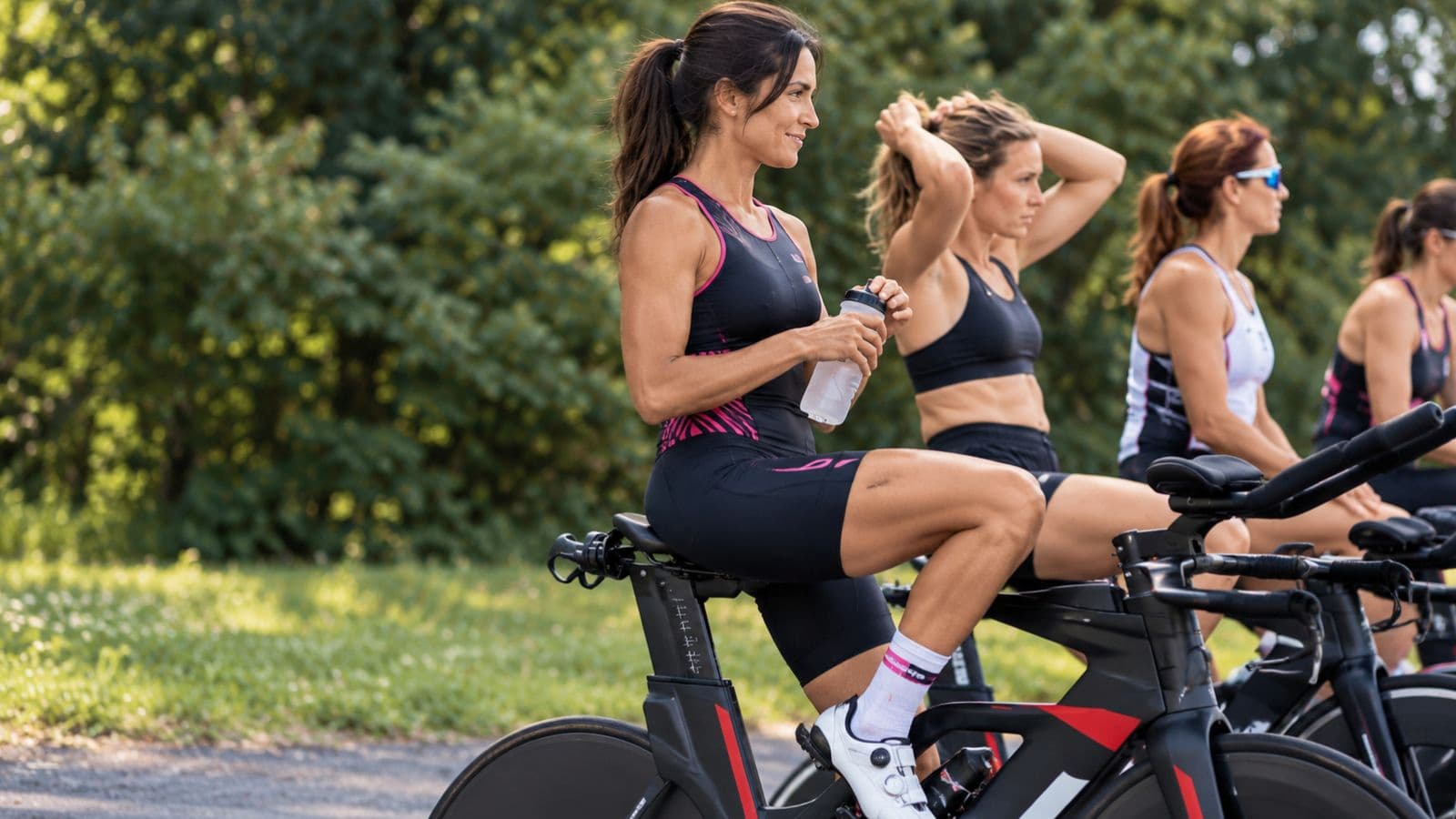


Female triathletes can reduce pelvic pain and genital numbness on the bike by choosing an appropriate saddle, improving bike fit, managing pressure on sensitive tissues, and changing position regularly. Discomfort often develops when body weight is concentrated on the vulva, perineum, or surrounding soft tissues instead of being supported comfortably by the pelvis. Triathlon cycling positions can make these problems more noticeable. Riding on aerobars rotates the pelvis forward and may increase pressure toward the front of the saddle, particularly during long training sessions and races. Saddle shape, handlebar position, clothing, and individual anatomy all influence comfort. Occasional pressure discomfort does not always indicate an injury, but persistent numbness should never be considered a normal part of endurance cycling. Repeated compression can irritate nerves and affect local blood flow.
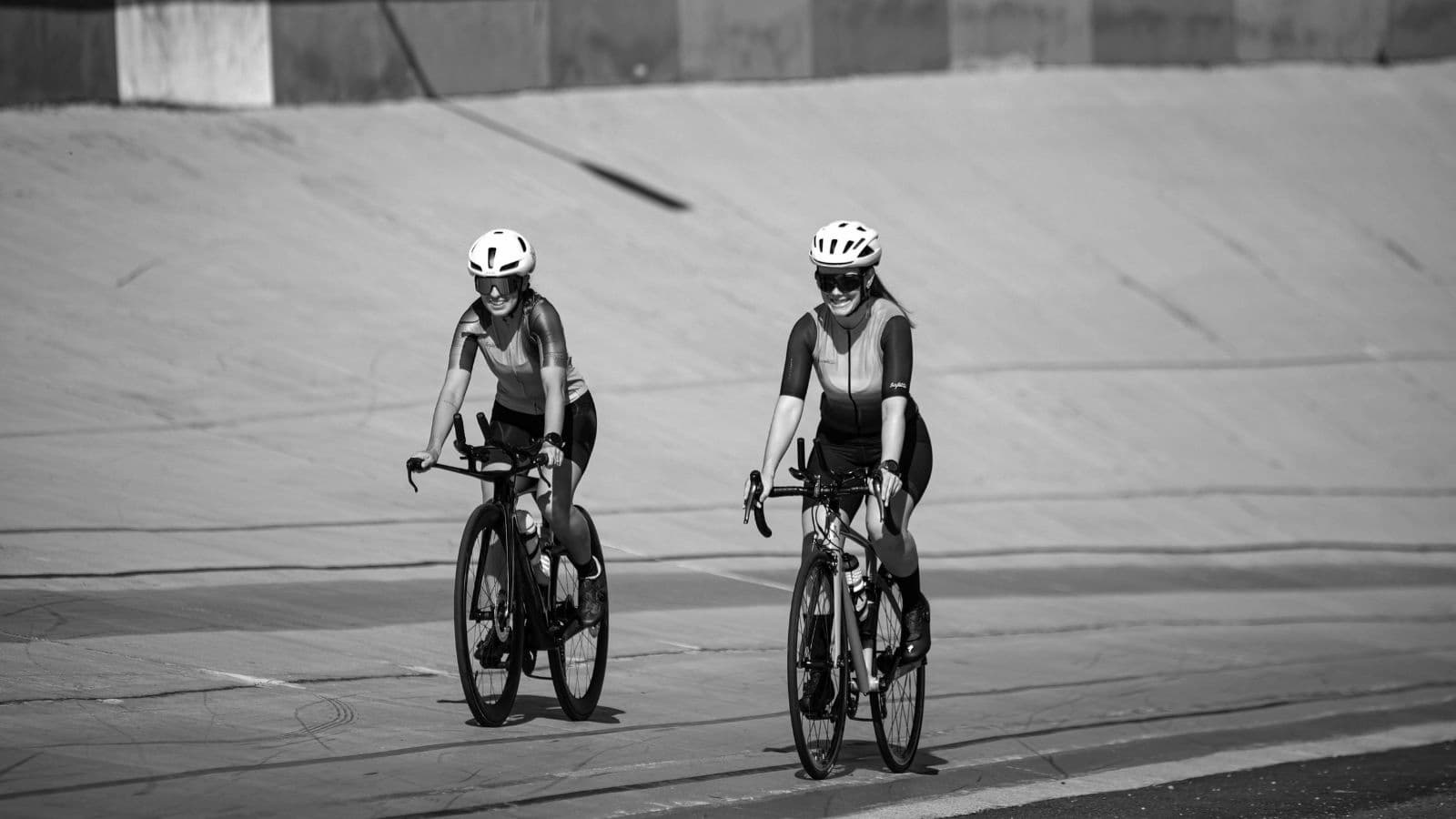
The goal is to find a riding position that supports performance without sacrificing pelvic health. Understanding the causes of discomfort helps female triathletes make appropriate equipment changes, recognize warning signs, and maintain comfortable cycling over longer distances.
In Short
- Excessive saddle pressure can cause pelvic discomfort.
- Genital numbness may indicate nerve or blood vessel compression.
- Saddle width and shape should suit individual anatomy.
- Aerodynamic positions can increase anterior pelvic pressure.
- Saddle height and tilt influence weight distribution.
- Padded cycling shorts can reduce friction.
- Regular position changes relieve sustained pressure.
- More padding does not always improve comfort.
- Persistent numbness requires medical attention.
- A professional bike fit can help identify contributing factors.
Why Female Triathletes Experience Pelvic Pain?
Cycling places body weight on a relatively small contact area between the pelvis and saddle. Ideally, the saddle distributes pressure comfortably across appropriate supporting structures. Problems develop when excessive pressure concentrates on sensitive soft tissues.
Common contributing factors include:
- An unsuitable saddle shape.
- Excessive forward pelvic rotation.
- Incorrect saddle height.
- Excessive handlebar reach or drop.
- Prolonged riding without position changes.
- Clothing friction.
- Saddle instability.
- Increased training duration.
Understanding how do you adjust your bike for a better fit can help triathletes recognize how different bike adjustments influence riding comfort. Pelvic pain can also have medical causes unrelated to saddle pressure, so symptoms should not automatically be attributed to equipment.
Understanding Genital Numbness During Cycling
Genital numbness occurs when sensation decreases in the vulva, perineum, or surrounding area. Sustained pressure may compress nerves, including branches of the pudendal nerve, or reduce local blood flow.
Symptoms may include:
- Tingling.
- Reduced sensation.
- Burning discomfort.
- Pressure around the vulva.
- Temporary numbness after riding.
- Pain that increases during prolonged sitting.
Numbness is a warning sign rather than evidence that the body is adapting successfully. Stop riding and relieve pressure when it occurs. Recurrent, persistent, or worsening symptoms warrant assessment by a healthcare professional.
How Saddle Shape Affects Female Pelvic Comfort?
Saddle design is one of the most important considerations. Female pelvic anatomy varies considerably, so no single saddle works for every woman.
Important characteristics include:
| Saddle feature | Potential effect |
|---|---|
| Saddle width | Influences pelvic support |
| Nose length | Affects anterior pressure |
| Central cutout | May relieve pressure for some riders |
| Relief channel | Redistributes contact pressure |
| Padding firmness | Influences support and stability |
| Saddle curvature | Changes contact distribution |
A wider saddle is not automatically better. Excessive width can create thigh friction, while insufficient support may concentrate pressure on sensitive tissues. Some riders benefit from short nose saddles or designs with pressure relief channels.
Why Triathlon Aerobars Can Increase Pressure?
Triathlon bikes encourage a forward-leaning position to reduce aerodynamic resistance. This position often involves greater forward pelvic rotation than upright cycling. As the pelvis rotates, contact pressure may shift toward the front of the saddle.
Factors that can worsen discomfort include:
- Excessive handlebar drop.
- Overly long reach.
- Narrow or unsuitable saddle support.
- Poor pelvic stability.
- Remaining in the aero position continuously.
Understanding how does bike geometry affect triathlon cycling performance can help athletes recognize why frame dimensions and riding position influence comfort. A sustainable aerodynamic position should allow controlled pedaling without persistent genital pressure.
Adjust Saddle Height and Tilt Carefully
Saddle adjustments can significantly change pressure distribution.
Saddle height
An excessively high saddle may cause the pelvis to rock from side to side. This can increase friction and create unstable contact with the saddle. A saddle that is too low may also affect pedaling mechanics and comfort.
Saddle tilt
A slightly different saddle angle may improve pressure distribution for some riders. However, excessive downward tilt can cause the rider to slide forward, increasing weight through the arms and shoulders. Make small adjustments rather than changing several settings simultaneously. A qualified bike fitter can assess how saddle height, tilt, reach, and pelvic position interact.
Choose Cycling Shorts That Reduce Friction
Cycling shorts provide a padded insert called a chamois. The chamois helps manage pressure and friction between the body and saddle.
Useful features include:
- A smooth, appropriately shaped insert.
- Minimal seams around contact areas.
- Moisture-managing fabric.
- A secure fit without bunching.
- Padding that remains stable while pedaling.
More padding does not always provide greater comfort. Excessively thick or poorly positioned padding can create pressure points. Triathlon suits often contain thinner padding than traditional cycling shorts because athletes must also swim and run. Testing race clothing during longer training sessions is important.
Reduce Pressure During Long Rides
Remaining in one position for extended periods increases sustained contact pressure. Small changes can help redistribute body weight.
Practical strategies include:
- Standing briefly when safe.
- Moving between aerobars and base bars.
- Changing hand position.
- Taking appropriate rest stops.
- Avoiding prolonged pressure on numb areas.
- Adjusting position when discomfort begins.
Understanding how to stop hand numbness and saddle discomfort on long rides can help triathletes recognize how contact-point pressure affects multiple areas of the body. Do not continue riding through genital numbness simply to complete a planned workout.
Manage Friction, Moisture, and Skin Irritation
Not all saddle discomfort results from nerve compression. Friction and moisture can contribute to skin irritation, chafing, and saddle sores. Risk may increase during hot weather, prolonged sweating, or rides involving repeated movement against clothing.
Helpful habits include:
- Wearing clean cycling shorts.
- Avoiding underwear beneath a properly fitted chamois.
- Changing out of wet clothing after training.
- Washing cycling clothing after use.
- Keeping the saddle contact area clean.
- Using a compatible anti-chafing product when needed.
Avoid applying irritating products to sensitive genital tissues.
Persistent sores, swelling, or signs of infection should be assessed medically.
Can Strength and Mobility Training Help?
Strength and mobility exercises may support a stable, comfortable cycling position. They do not directly eliminate nerve compression caused by an unsuitable saddle. However, improving hip control, trunk strength, and movement tolerance may help riders maintain their position without excessive compensation.
Useful exercises include:
- Glute bridges.
- Side planks.
- Dead bugs.
- Split squats.
- Hip mobility movements.
- Controlled pelvic tilts.
Understanding what strength training should cyclists do to ride faster in a triathlon can help athletes incorporate strength work alongside endurance training. Exercises should remain comfortable and should not aggravate existing pelvic symptoms.
Training Volume Influences Pelvic Discomfort
Longer rides increase the duration of saddle contact. A position that feels comfortable for 30 minutes may become uncomfortable after two hours. This does not necessarily mean the rider needs to tolerate the discomfort until adaptation occurs. Increasing training volume gradually allows time to identify equipment problems before very long sessions. Understanding how should cycling workouts change for different race distances can help triathletes plan appropriate riding durations. Before increasing long ride mileage, confirm that your saddle and position remain comfortable during current sessions.
When Should You Seek Medical Advice?
Pelvic pain and numbness should not automatically be treated as normal cycling discomfort.
Seek medical assessment when symptoms:
- Persist after leaving the bicycle.
- Recur frequently.
- Become progressively worse.
- Affect normal daily activities.
- Include burning or altered genital sensation.
- Occur alongside urinary or sexual symptoms.
- Involve unexplained swelling or significant pain.
A clinician experienced in pelvic health, sports medicine, or nerve related conditions may help identify the cause. Sudden numbness around the groin accompanied by new bladder or bowel dysfunction, leg weakness, or severe back pain requires emergency medical evaluation.
Test Bike Fit Changes Safely
Changing several bike settings simultaneously makes it difficult to identify which adjustment helped.
A more systematic approach is to:
- Record the original saddle position.
- Change one setting at a time.
- Test the adjustment during a short ride.
- Monitor pressure, stability, and numbness.
- Stop if symptoms develop.
- Seek professional fitting support when needed.
Understanding what cycling drills help improve triathlon bike technique can help riders develop smoother pedaling habits while assessing comfort.
Do not use long rides to test an unfamiliar saddle when shorter sessions can reveal problems safely.
Common Mistakes
- Assuming genital numbness is normal.
- Choosing saddles based only on appearance.
- Using excessive saddle padding.
- Tilting the saddle too far downward.
- Ignoring pelvic rocking.
- Remaining in aerobars despite discomfort.
- Increasing long ride duration too quickly.
- Wearing poorly fitting cycling shorts.
- Changing multiple bike settings simultaneously.
- Delaying assessment of persistent symptoms.
Practical Tips
- Prioritize a comfortable saddle shape.
- Check saddle height and tilt.
- Test the aerodynamic position gradually.
- Use properly fitted cycling shorts.
- Change riding position regularly.
- Stand briefly when safe.
- Stop when genital numbness develops.
- Keep cycling clothing clean and dry.
- Record equipment adjustments.
- Consult a qualified bike fitter or clinician when appropriate.
Actionable Takeaways
- Treat genital numbness as a warning sign.
- Improve saddle support and pressure distribution.
- Avoid prolonged riding in uncomfortable positions.
- Test equipment changes on shorter rides.
- Seek medical assessment for persistent symptoms.