
You do not need to be highly fit to start triathlon training. You also do not need to be a strong swimmer, fast cyclist, or experienced runner before beginning. Triathlon training is what develops the fitness required to complete a triathlon. A beginner mainly needs to be healthy enough to exercise and willing to start at an appropriate level. Someone with little endurance experience might begin with short swims, easy bike rides, and a combination of walking and running rather than trying to train like an experienced triathlete. Your starting fitness determines where your training begins, not whether you are allowed to begin. Choose a realistic first race, build gradually, and focus initially on consistency and basic skills rather than speed.
In Short
- You do not need to be highly fit before starting.
- Beginners can build fitness through training.
- You do not need to run continuously at first.
- Basic swimming confidence is important.
- Cycling should begin at a comfortable effort.
- Sprint triathlons are often accessible to beginners.
- Start with short, manageable sessions.
- Build training volume gradually.
- Recovery is part of becoming fitter.
You Do Not Need to Be Fit in All Three Sports
Very few beginners start triathlon equally strong at swimming, cycling, and running. A runner may have excellent endurance but limited swimming ability. A cyclist may be comfortable exercising for several hours but struggle with running. Someone completely new to endurance sports may need to develop all three disciplines gradually. That is normal. The better question is whether your starting program matches your current ability. Understanding how do you know if you are ready for a triathlon can help separate being ready to begin training from being ready to complete a particular race. You can start training long before you are race ready.
Start With a Realistic Race Distance
Your required fitness depends heavily on the event you are preparing for. Training for a short beginner friendly triathlon is very different from preparing for a full distance Ironman. A sprint triathlon typically involves relatively:
- Short swim
- Bike
- Run sections
making it a practical entry point for many beginners. Longer races require substantially more:
- Endurance
- Training time
- Fueling practice
- Recovery
Do not choose your starting training load based on where you eventually want to be. Start with what you can comfortably handle now.
Basic Swim Fitness
You do not need to swim quickly, but swimming deserves particular attention because confidence and technique matter as much as cardiovascular fitness. A beginner should first become comfortable moving through the water safely. If you cannot yet swim continuously for long, use short repetitions with appropriate rest. Technique lessons can be especially valuable because inefficient swimming makes even easy efforts feel exhausting. It is common for newcomers to wonder why is swimming the hardest part of a triathlon for beginners. Unlike cycling and running, swimming combines unfamiliar:
- Technique
- Breathing control
- Body position
- Potentially open water conditions
Build confidence before worrying about speed.
Open Water Requires Additional Skills
Being able to swim in a pool does not automatically make someone comfortable in open water. Open water removes lane lines and walls while adding:
- Waves
- Changing visibility
- Other swimmers
- Navigation
- Potentially colder water
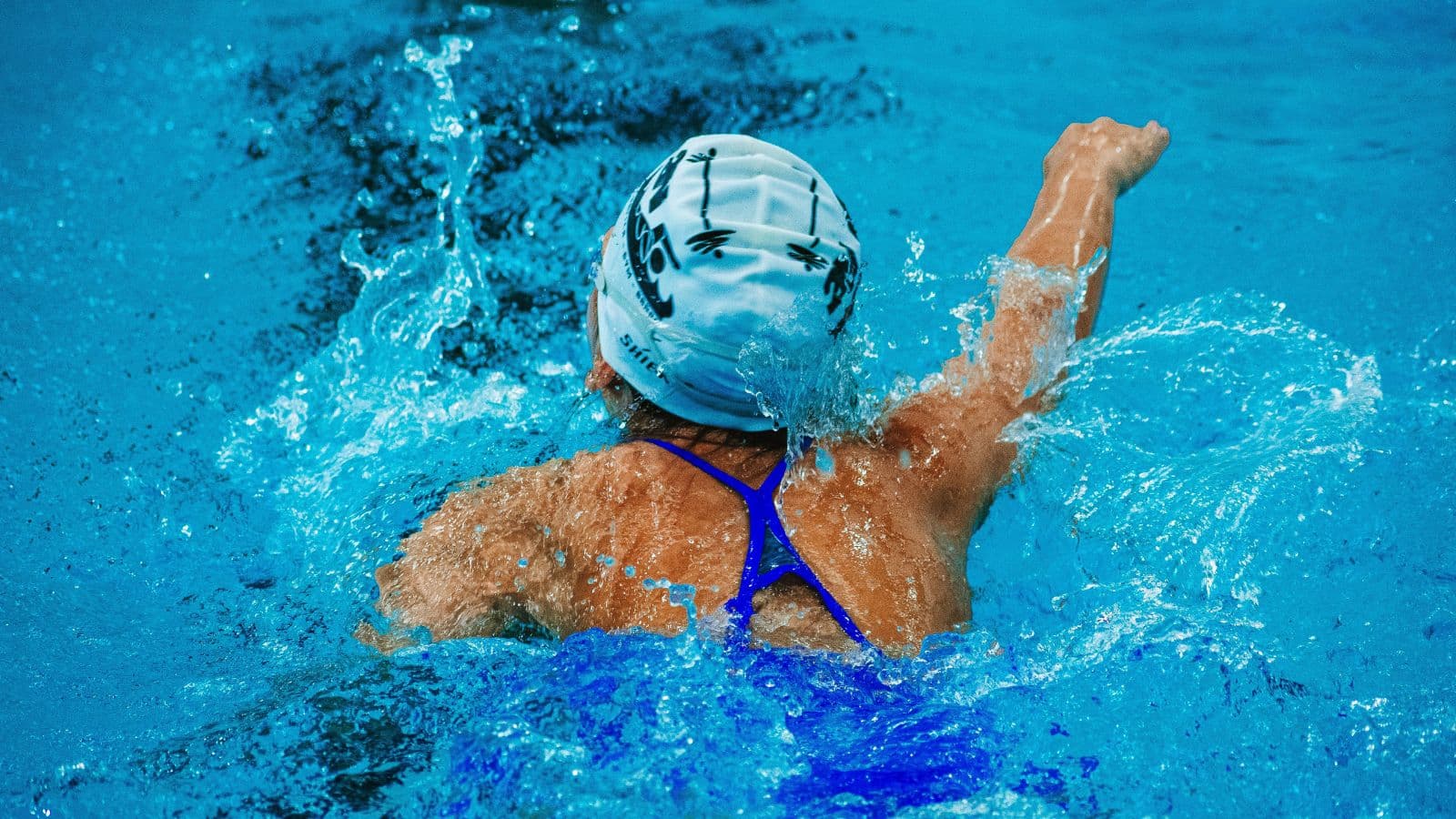
Do not make race day your first open water experience. Once your basic swimming ability is adequate, gradually practice how do you start an open water swim in a triathlon in an appropriate supervised environment. Open water confidence should develop alongside fitness rather than being left until the final weeks before your race.
Basic Cycling Fitness
Beginners do not need high cycling power or impressive average speed. You should be able to:
- Ride safely
- Control the bike
- Brake confidently
- Change gears
- Maintain a comfortable effort

Start with manageable rides on safe routes or use an indoor trainer if appropriate. Early cycling training should build basic aerobic fitness and bike handling rather than focusing heavily on speed. Following how do you build an aerobic base for triathlon cycling can help beginners develop the endurance needed for longer rides without turning every session into a hard workout. Consistency matters more than chasing fast average speeds.
Basic Running Fitness
You do not need to run several miles continuously before starting triathlon training. Complete beginners can use a walk run approach. For example, alternate short periods of comfortable running with walking and gradually increase the running portions as fitness improves. Running creates more impact than swimming or cycling, so progression deserves particular care. The principles behind how to run longer distances without burning out become useful as endurance develops. Running slower than you think you need to is often more productive than repeatedly exhausting yourself.
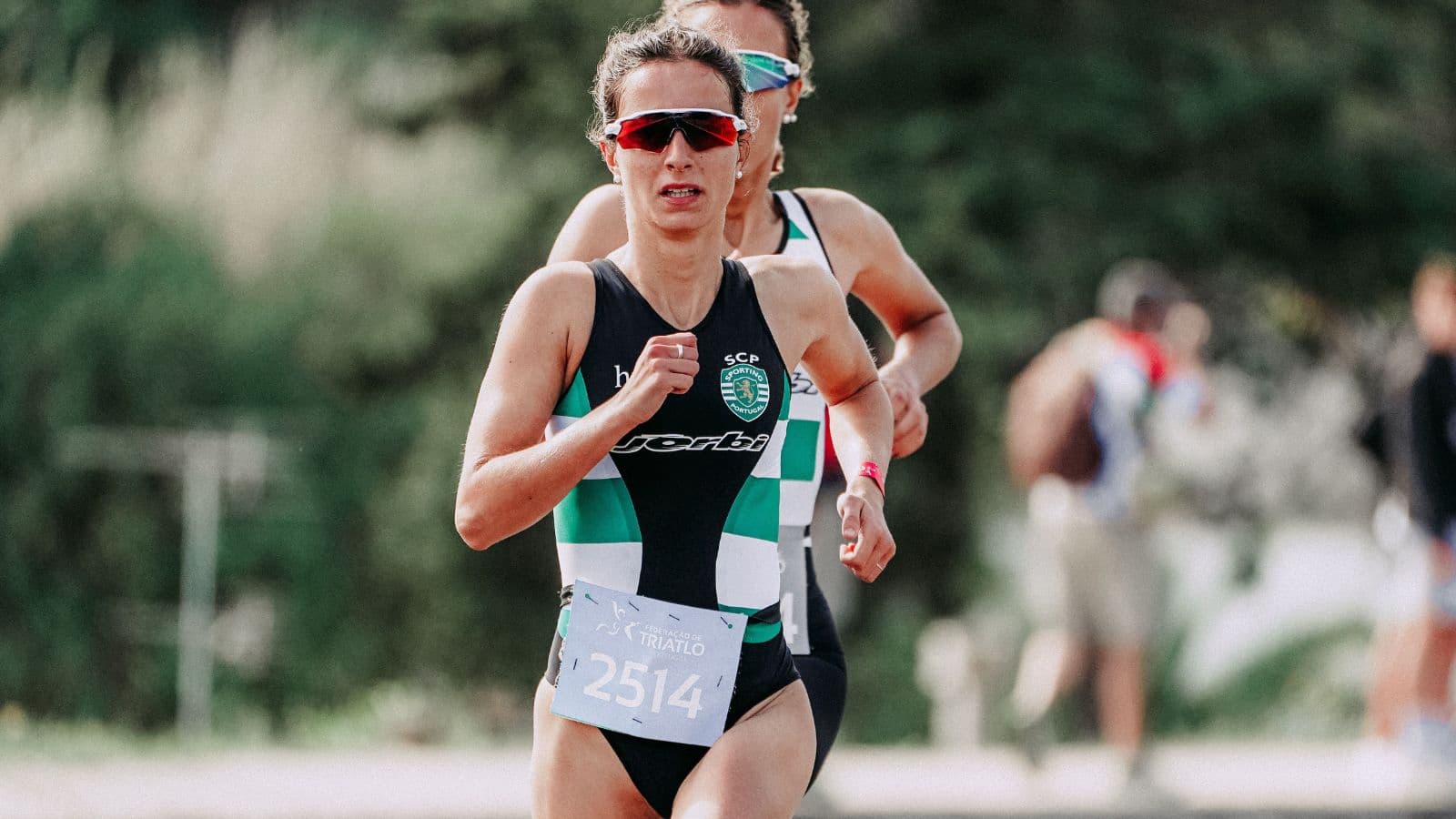
Walking Is Completely Acceptable
Walking during training does not mean you are failing to become a triathlete. For beginners, planned walking can make running more manageable and reduce the temptation to start too quickly. Walking is also common during triathlon run legs, particularly in longer events and around aid stations. Over time, your running intervals may naturally become longer as fitness improves. Do not rush that progression simply because another athlete can run continuously.
Your body adapts to the training you can recover from consistently.
Your Aerobic Fitness Will Develop
A large part of beginner triathlon training involves building aerobic fitness. Aerobic exercise uses oxygen to support sustained activity and forms the foundation for endurance performance. Most beginners benefit from completing a substantial amount of training at easy to moderate intensity. Running guidance such as what is zone 2 running in a triathlon can help explain why endurance development does not require every workout to feel difficult. Easy sessions are still training.
They allow you to accumulate useful work while managing fatigue.
Start With Short Sessions
Your first training week does not need to contain long workouts. Someone with limited fitness might begin with:
- Sessions lasting roughly 20 to 40 minutes
- Depending on the discipline
- Current ability
- Training history
An experienced runner entering triathlon may be able to handle considerably more. The important principle is to finish most early sessions feeling that you could have done more. You can add duration gradually once your current training feels manageable. Starting conservatively also makes it easier to determine how your body responds when three sports are combined.
Do Not Increase Everything at Once
Triathlon training can become complicated because there are three disciplines to develop. A beginner may decide simultaneously to:
- Swim more
- Increase cycling distance
- Add running mileage
- Begin strength training
- Introduce intervals
That creates a large increase in total stress. Progress one or two areas at a time. This is particularly important for running. Following how to avoid running injuries as mileage increases in a triathlon can help beginners understand why cardiovascular fitness sometimes develops faster than the body’s ability to tolerate repeated running impact.
Strength Can Support Beginners
You do not need to become strong in the gym before starting triathlon. However, basic strength work can support your training. Exercises targeting the:
- Hips
- Legs
- Calves
- Trunk
- Upper body
can help build general physical capacity. A routine based on what strength routine should triathlete runners do to stay injury free can complement endurance training without requiring complicated workouts. The objective is to support swimming, cycling, and running rather than become exhausted from additional training.
Consistency Matters More Than Speed
Beginners often worry that their swim pace, cycling speed, or running pace is too slow. Speed is not the first priority. Regular training creates the foundation from which speed can eventually improve. Three manageable weeks followed by another three manageable weeks are more useful than one extremely demanding week followed by exhaustion or missed training. You are trying to build a routine your body and schedule can sustain.
Fitness develops from repeated training and recovery, not from proving how hard you can exercise during your first few sessions.
Recovery Is Part of Getting Fit
Starting three sports at once can create more fatigue than expected. Schedule easier days and rest days.
- Sleep
- Nutrition
- Hydration
- Overall life stress
influence how well you recover between workouts. Do not automatically add training whenever you feel motivated. The same principle behind why are slower training sessions important for cycling training applies across triathlon: lower intensity work allows you to build endurance without making every session highly demanding.
If fatigue continues accumulating, reduce the workload rather than forcing the original plan.
When Should You Get Medical Advice?
Most healthy people can begin with appropriately scaled physical activity, but some situations deserve professional guidance. Speak with an appropriate healthcare professional before starting or increasing exercise if you have relevant medical concerns or have been advised to do so.
Symptoms such as:
- Chest pain
- Fainting
- Unexplained severe breathlessness
- Other concerning symptoms during exercise
should not be treated as ordinary beginner discomfort. Training should challenge your fitness, not require you to ignore warning signs.
Common Mistakes
- Waiting until you feel completely fit before starting.
- Trying to become fast immediately.
- Choosing an unrealistic first race distance.
- Increasing all three disciplines at once.
- Running too hard during beginner sessions.
- Ignoring basic swimming technique.
- Entering open water without preparation.
- Copying the training volume of experienced triathletes.
- Treating recovery days as wasted training.
Practical Tips
- Choose a realistic first triathlon distance.
- Begin at your current ability level.
- Use walk-run training if necessary.
- Learn basic swimming technique.
- Practice bike handling as well as fitness.
- Keep most beginner endurance sessions comfortable.
- Increase training gradually.
- Schedule regular recovery.
- Track consistency rather than comparing your speed with others.
Actionable Takeaways
You do not need to get fit before you start triathlon training. Triathlon training is how you become fit enough to race. Start from your current ability. If you cannot run continuously, use walking breaks. If swimming is difficult, work on technique and short repetitions. If cycling endurance is limited, begin with short comfortable rides.
Choose a race distance that gives you enough time to develop the required endurance and skills. Build gradually rather than increasing swimming, cycling, and running simultaneously. Your starting speed is not important. The goal is to become more capable through consistent training that your body can recover from.