


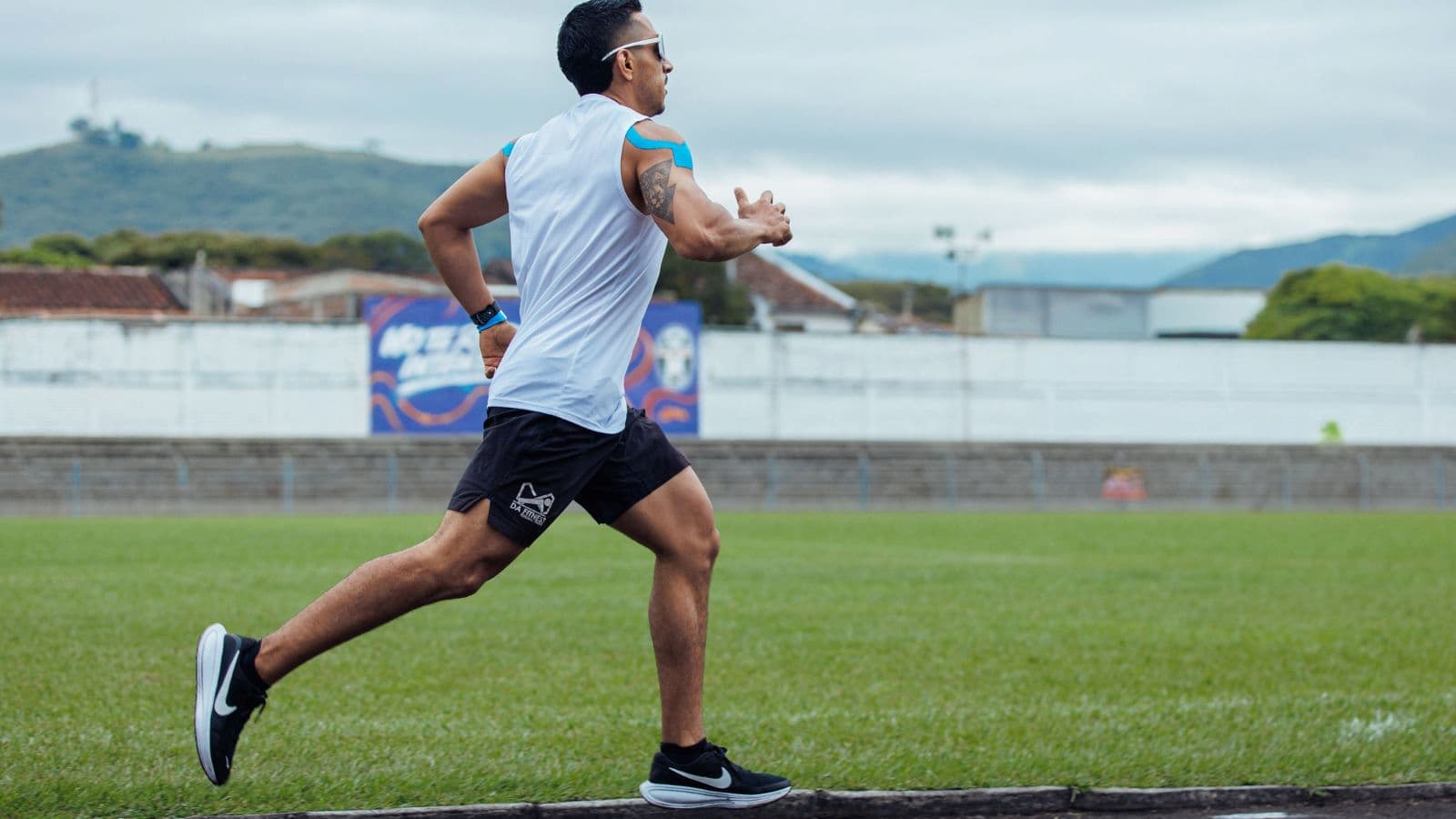
Becoming an efficient runner with no running experience starts with developing comfortable movement, building aerobic fitness, and practicing consistently. Running efficiency means using energy effectively while maintaining a sustainable pace and minimizing unnecessary movement. Beginners often assume they need to run faster or cover longer distances to become better runners. However, developing efficient technique and gradually improving endurance is usually more important than chasing speed during the first few weeks. Running efficiency also matters for triathletes because the running leg begins after swimming and cycling. Athletes who use energy effectively may find it easier to maintain controlled effort when their legs are already tired. The best approach is to start with manageable running sessions, focus on natural movement, and allow the body time to adapt. With regular practice, beginners can improve coordination, endurance, and confidence without forcing complicated running techniques.
In Short
- Start with short, comfortable running sessions.
- Use walking breaks when necessary.
- Maintain relaxed posture and natural movement.
- Avoid unnecessarily long strides.
- Build aerobic endurance before focusing on speed.
- Increase running volume gradually.
- Include strength and mobility exercises.
- Prioritize recovery and consistency.
Understanding Running Efficiency
Running efficiency describes how effectively a runner converts energy into forward movement. One important component is running economy, which refers to the oxygen or energy required to maintain a particular running speed. An efficient runner generally avoids excessive movement and maintains a comfortable, coordinated running pattern.
Important factors include:
- Running posture.
- Stride length.
- Cadence.
- Muscle strength.
- Aerobic fitness.
- Movement coordination.
- Training experience.
Beginners do not need perfect technique before starting. Running efficiency develops through consistent training and gradual adaptation. Understanding how to become an efficient triathlon runner can help beginners recognize how running technique and endurance contribute to triathlon performance.
Start With a Walk-Run Routine
Beginners should avoid trying to run continuously for long periods before developing basic endurance. A walk run approach allows the cardiovascular system, muscles, and connective tissues to adapt gradually.
A simple four-week progression might look like this:
| Week | Running session | Frequency |
|---|---|---|
| 1 | Run 1 minute, walk 2 minutes, repeat 8 times | 3 sessions |
| 2 | Run 2 minutes, walk 2 minutes, repeat 7 times | 3 sessions |
| 3 | Run 3 minutes, walk 2 minutes, repeat 6 times | 3 sessions |
| 4 | Run 5 minutes, walk 2 minutes, repeat 4 times | 3 sessions |
This is an example rather than a fixed requirement. Repeat a week or reduce the workload if recovery is difficult. The goal is to build confidence and complete sessions without excessive fatigue.
Develop Comfortable Running Posture
Good running posture supports comfortable breathing and coordinated movement. Beginners should avoid forcing an exaggerated upright position or leaning excessively forward.
Useful posture cues include:
- Keep your head relaxed and looking ahead.
- Allow your shoulders to remain loose.
- Maintain a comfortable upright torso.
- Avoid excessive movement from side to side.
- Let your arms swing naturally.
- Keep your hands relaxed.
Understanding how does posture affect triathlon running performance can help runners recognize why body positioning matters during longer efforts. Small adjustments are usually more effective than constantly trying to control every movement.
Avoid Overstriding
Overstriding occurs when the foot lands excessively far ahead of the body. This can increase braking forces and make running feel less smooth.
Beginners can reduce excessive reaching by:
- Taking comfortable, natural steps.
- Avoiding the temptation to lengthen every stride.
- Maintaining relaxed leg movement.
- Running at a manageable speed.
- Allowing stride length to develop naturally.
There is no single ideal stride length for every runner. Understanding how to improve your running form without overthinking it can help beginners focus on simple movement improvements rather than complicated technical rules.
Build Aerobic Endurance First
Aerobic fitness allows runners to maintain comfortable movement for longer periods. Beginners should complete most running sessions at an easy intensity rather than attempting to run fast every time. Easy running generally feels controlled and allows conversation.
Useful habits include:
- Running at a comfortable pace.
- Slowing down when breathing becomes difficult.
- Taking walking breaks when necessary.
- Avoiding frequent maximal efforts.
- Increasing duration gradually.
Understanding how to build an aerobic base for running a triathlon can help beginners develop the endurance required for consistent training. As aerobic fitness improves, runners may maintain faster speeds at the same perceived effort.
Improve Cadence Naturally
Running cadence refers to the number of steps taken per minute. A comfortable cadence helps runners maintain coordinated movement, but there is no universal target suitable for everyone.
Cadence depends on:
- Running speed.
- Leg length.
- Individual biomechanics.
- Experience.
- Terrain.
- Fatigue.
Beginners should avoid forcing a particular number simply because it is popular among experienced runners. Understanding how does increasing running cadence help prevent knee injuries can help athletes explore how modest cadence adjustments may influence running mechanics. If a runner consistently overstrides, a small increase in cadence at the same speed may sometimes be useful.
Use Relaxed Arm Movement
Arm movement contributes to running balance and coordination. Beginners sometimes waste energy by tightening their shoulders, clenching their fists, or swinging their arms excessively across the body.
Useful arm movement cues include:
- Keep elbows comfortably bent.
- Allow arms to swing forward and backward.
- Relax the shoulders.
- Avoid excessive upper body rotation.
- Keep hands loose.
Understanding how do arm swings improve triathlon running form can help runners develop smoother upper-body movement. The goal is relaxed coordination rather than exaggerated arm action.
Strength Training for Beginner Runners
Strength training can improve muscular capacity and help runners tolerate increasing workloads. Beginners do not need complicated gym programs.
Useful exercises include:
- Squats.
- Glute bridges.
- Step-ups.
- Calf raises.
- Lunges.
- Side planks.
Start with controlled bodyweight movements before adding resistance. Understanding what strength routine should triathlete runners do to stay injury free can help beginners organize simple strength exercises alongside running sessions. One or two short strength sessions weekly can be a practical starting point.
Increase Running Volume Gradually
Running places repetitive stress on muscles, tendons, bones, and joints. Beginners need time to adapt to this loading. Rather than increasing speed and distance simultaneously, focus on gradually extending comfortable running time.
Useful progression strategies include:
- Maintain a consistent weekly routine.
- Increase running duration in manageable steps.
- Keep most sessions easy.
- Avoid sudden increases in long-run distance.
- Reduce training when persistent soreness develops.
Understanding how to increase triathlon running volume without getting injured can help runners recognize the importance of gradual progression.
There is no universal weekly mileage increase that guarantees injury prevention.
Balance Running With Recovery
Recovery allows the body to adapt to training. Beginners often improve more consistently when they include rest days rather than running hard every day.
Important recovery habits include:
- Getting adequate sleep.
- Eating enough to support training.
- Maintaining hydration.
- Allowing recovery between demanding sessions.
- Monitoring persistent soreness.
Mild muscular soreness can occur when starting a new activity, but sharp, worsening, or persistent pain should not be ignored.
If discomfort changes your running movement or continues despite rest, seek appropriate professional advice.
Practice Running After Cycling
Beginners preparing for triathlon eventually need to become comfortable running after cycling. This is commonly practiced through a brick workout.
A beginner session might include:
- 20–30 minutes of easy cycling.
- A comfortable transition.
- 5–10 minutes of easy running or walking.
- A gradual cooldown.
These sessions help athletes become familiar with the sensation of running on legs that have already been working.
Keep early brick workouts short and avoid adding them before basic running fitness is established.
Common Mistakes
- Running too fast from the beginning.
- Skipping walking breaks.
- Forcing an unnatural stride.
- Increasing distance too quickly.
- Ignoring persistent discomfort.
- Comparing yourself with experienced runners.
- Neglecting strength training.
- Avoiding rest days.
Practical Tips
- Start with three manageable sessions weekly.
- Use comfortable running shoes.
- Keep your posture relaxed.
- Take natural, controlled steps.
- Focus on easy aerobic running.
- Include simple strength exercises.
- Increase training gradually.
- Track progress over several weeks.
Actionable Takeaways
- Start with a walk-run routine.
- Prioritize comfortable movement.
- Build endurance before speed.
- Maintain consistent training.
- Allow adequate recovery.